
Getting a commercial building is a big step for any business. But, finding acquisition financing can be tough, even for newcomers.
Did you know almost 70% of commercial real estate buys use special loans? Knowing how these loans work is key for first-time investors.
For first-time owner-users, the world of commercial real estate finance is complex. It needs careful planning and a good grasp of your options.
Key Takeaways
- Understanding the importance of owner-user financing for commercial property purchases.
- Recognizing the benefits of acquisition financing for business owners.
- Learning how to prepare for the financing application process.
- Identifying the right financial products for your business needs.
- Navigating the complexities of commercial real estate financing as a first-time buyer.
The Strategic Advantages of Commercial Property Ownership
Businesses that own commercial property gain big benefits. Owning the place where your business is can really help your finances and stability.
Building Business Equity Through Real Estate
One key benefit is building equity in a valuable asset. As you pay down your mortgage, you own more of the property. This can be a great investment for future growth or loans.
Stabilizing Occupancy Costs Long-Term
Having your own commercial property means stable costs over time. With a fixed-rate mortgage, your monthly payments stay the same. This helps protect your business from rising rental costs.
Creating Additional Revenue Streams
Commercial property can also bring in more money. You can rent out unused space or add new areas to rent. This can help cover costs and even make a profit.
Looking into acquisition financing and smart down payment management can make owning commercial property a big win for your business.
What is Owner-User Financing?
For businesses wanting to own their commercial space, owner-user financing is a great option. It’s made for companies that will use the property for their operations. This is different from financing for investment properties.
Definition and Core Concepts
Owner-user financing is designed for businesses that will occupy the property. It offers loan terms that fit their financial situation and the property’s value.
How It Differs from Investment Property Financing
Investment property financing looks at rental income and property value. But owner-user financing focuses on the business’s financial health and loan repayment ability. This makes it easier for businesses to get financing, even if they wouldn’t qualify for investment property loans.
Typical Loan Terms and Structures
The loan terms for owner-user financing vary. They often have longer repayment periods and good interest rates. The loan process looks at the business’s credit, cash flow, and property value. This leads to better terms for the borrower.
Knowing about owner-user financing helps businesses make smart choices about their commercial property. It makes the financing process easier to understand.
Financial Benefits of Owning Your Business Property
Owning your business property can change your company’s financial health. As a business owner, you get stability and financial benefits. This control over your space is key.
Tax Advantages and Depreciation Benefits
One big financial plus is the tax benefits. You can lower your taxable income by deducting mortgage interest, property taxes, and operating costs. Plus, you can depreciate the property’s value, which means big tax savings.
Building Equity While Operating Your Business
As you pay down your mortgage, you build equity. This equity is a valuable asset for your business. It can be used for future growth or as collateral for loans. Building equity while running your business is a smart move for long-term wealth.
Protection Against Commercial Rent Increases
Having your own property protects you from rent hikes. With a fixed-rate mortgage, your payments stay the same. This makes budgeting easier, which is great for businesses with thin profit margins.
| Financial Benefit | Description | Business Impact |
|---|---|---|
| Tax Advantages | Deduct mortgage interest, property taxes, and operating expenses | Reduced taxable income |
| Building Equity | Paying down mortgage builds property equity | Creates a valuable business asset |
| Rent Protection | Fixed-rate mortgage stabilizes monthly payments | Improved budgeting and financial stability |
Assessing Your Business’s Readiness for Property Ownership
Before you buy a commercial property, check if your business is ready. Look at your business’s current state and future plans. This will tell you if buying a property is right for your business.
Business Stability and Growth Indicators
First, check your business’s stability and growth. Important signs include:
- Consistent revenue growth
- Stable customer base
- Positive cash flow
- Competitive market position
These signs show if your business can handle property ownership’s extra costs and duties.
Cash Flow Requirements for Property Ownership
Property ownership has many expenses. These include mortgage payments, property taxes, insurance, and maintenance. Your business needs enough cash flow to pay these costs. Think about:
- Mortgage payments and interest rates
- Ongoing maintenance and repair costs
- Property taxes and insurance premiums
Timing Considerations for Acquisition
When to buy a property is also important. Look at your business’s stage and the market. Buying at the right time can greatly improve your investment.
By checking your business’s stability, cash flow, and timing, you can decide wisely. This careful check ensures property ownership fits your business goals and financial health.
Creating Your Commercial Property Acquisition Budget
A well-structured budget is key for a successful commercial property buy. It’s important to think about all the costs you’ll face as a property owner.
Determining Your Maximum Purchase Price
When figuring out your max purchase price, remember to include closing costs. These can be 2% to 5% of the price. Also, your down payment should be 20% to 30% of the price.
Factoring in Renovation and Improvement Costs
Renovation and improvement costs can greatly affect your budget. Think about any repairs, upgrades, or changes you need to make. A detailed inspection can spot problems early.
Accounting for Ongoing Ownership Expenses
Ownership expenses include property taxes, insurance, maintenance, and utilities. These costs can change a lot based on the property’s location and condition. Make sure to include these in your budget to avoid surprises.
By carefully planning, you can make a budget that supports your business goals. This ensures a successful commercial property acquisition.
Understanding Down Payment Requirements for First-Time Owner-Users
First-time owner-users need to understand down payments when buying commercial real estate. The down payment is key in the buying process. It affects the initial cost and future financial duties.
Typical Down Payment Percentages by Loan Type
Loan types vary in down payment needs. For example, SBA 504 loans ask for a 10% down payment. Conventional commercial mortgages might need 20-30% or more. Knowing these amounts helps first-time buyers plan better.
| Loan Type | Typical Down Payment Percentage |
|---|---|
| SBA 504 Loan | 10% |
| Conventional Commercial Mortgage | 20-30% |
| Owner-User Financing | 15-25% |
Creative Sources for Down Payment Funds
First-time buyers can find down payment funds in different places. They can use personal savings, investor partnerships, or alternative lending options. The best choice depends on the buyer’s finances and goals.
Strategies to Minimize Initial Cash Investment
To spend less upfront, buyers can try to negotiate with sellers for a lower price. They can also look into financing options with lower down payments. Improving credit scores and showing a strong business plan can also help get better financing terms.
Navigating the Commercial Property Search Process
Finding the right commercial property is a big task. You’re not just looking for any place. You want a space that fits your business goals and grows in value.
Assembling Your Property Acquisition Team
Building a team of experts is key. This team includes a commercial real estate agent, a lawyer for property deals, and maybe a financial advisor. Your commercial real estate agent finds properties that fit your needs. Your lawyer makes sure the legal side is right.
Identifying Suitable Property Types for Your Business
The right property depends on your business. A retail shop needs a busy spot, while a factory needs space to work. Think about size, layout, and where it is.
Location Analysis and Future Growth Considerations
Where you locate is very important. Look at the area’s people, how easy it is to get there, and if it can grow. Think about how close it is to suppliers, customers, and workers.
With the right team, the right property, and a good location, you can find a place that helps your business grow.
Evaluating Potential Commercial Properties
Looking at commercial properties is complex. It needs careful attention and knowing what your business needs. You must check different parts of the property to see if it fits your goals and how you work.
Building Condition and Inspection Priorities
The building’s state is key. Look for any repairs or problems like structural damage or old systems. Getting a professional to inspect can give you a detailed report.
Space Utilization and Operational Efficiency
How well you can use the space matters a lot. Think about the layout and how it can help your business. Good space use boosts productivity and makes customers happy.
Future Adaptability for Business Expansion
Think about if the property can grow with your business. Check if it can be changed or if zoning rules allow it.
Renovation Potential Assessment
Look at the cost and ease of making changes. Check the building’s structure and any renovation hurdles.
Zoning and Use Restrictions
Knowing zoning and use rules is important. Make sure your business is allowed. Also, watch for zoning changes that might affect you.
| Evaluation Criteria | Key Considerations | Importance Level |
|---|---|---|
| Building Condition | Structural integrity, needed repairs, age of the building | High |
| Space Utilization | Layout, storage, customer accessibility | High |
| Future Adaptability | Renovation potential, zoning restrictions | Medium |
Types of Owner-User Financing Options
Businesses have many financing options for buying commercial real estate. Owner-user financing is for businesses that will use the property themselves.
SBA 504 Loan Program Benefits
The SBA 504 Loan Program is a top choice for owner-users. It offers long-term, fixed-rate loans with a high loan-to-value ratio. You only need to put down 10% of the purchase price.
This program is great for businesses buying big assets like commercial real estate.
SBA 7(a) Loan Structure and Terms
The SBA 7(a) loan is another good option for owner-users. It allows for loans up to $5 million. The loan term can go up to 25 years for real estate purchases.
The SBA guarantees part of the loan, making it more appealing to lenders.
Conventional Commercial Mortgage Options
Conventional commercial mortgages are a traditional choice for owner-users. These loans are not backed by the government. They usually require a bigger down payment than SBA loans.
But, they offer more flexibility in loan structure and can fit your financial situation better.
Non-Bank Lender Alternatives
Non-bank lenders are an option for businesses that can’t get bank financing. They have more flexible criteria and can handle unique transactions. But, they might charge higher interest rates or fees.
The Acquisition Financing Application Process
The process of getting acquisition financing can be tricky. But knowing what’s needed is key to success. Business owners must be ready to share a lot of financial details with lenders.
Required Business Documentation
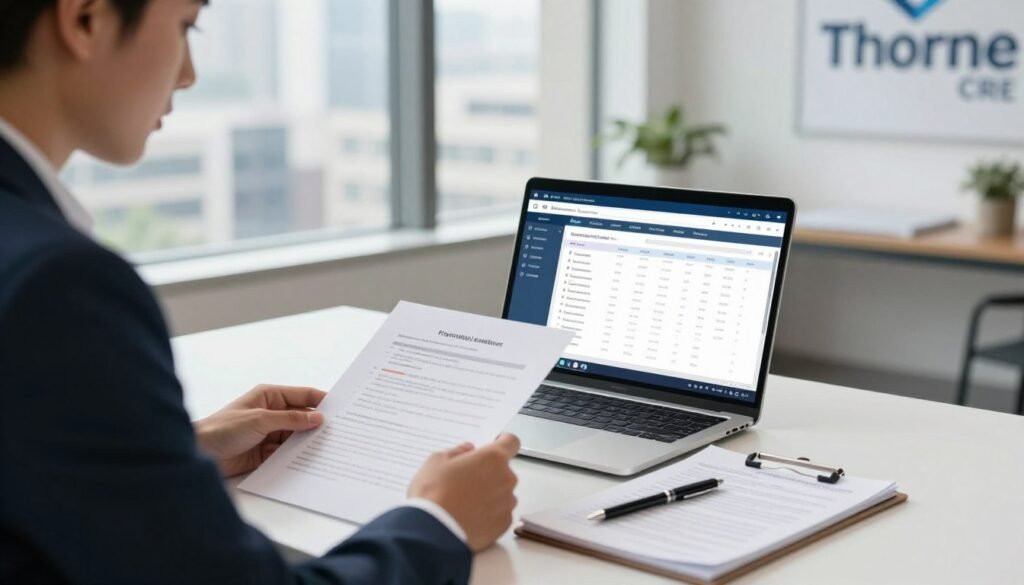
Lenders ask for many business documents. This includes financial statements, tax returns, and business licenses. It’s important to have these documents ready and organized to make the application smoother.
Personal Financial Statement Preparation
Lenders also want to see personal financial statements from the business owners. This helps them understand the owner’s financial health and creditworthiness. Make sure your personal financial statements are correct and current.
Business Plan and Projection Requirements
A detailed business plan and financial projections are also needed. Lenders want to see a clear plan for using the property and repaying the loan. Include financial details like cash flow statements and income statements to show your business’s strength.
Navigating the Commercial Loan Underwriting Process
Learning about commercial loan underwriting can boost your loan approval chances. This step is when lenders check if lending to your business is safe. They look at your company’s finances and the property’s value.
Business Performance Evaluation Metrics
Lenders check your business’s performance in underwriting. They look at cash flow, profits, and credit history. A good performance can help your loan application.
Property Valuation and Appraisal Process
The property’s value is also checked. This includes its market value, condition, and growth potential. An accurate appraisal is key for the loan amount.
Debt Service Coverage Ratio Requirements
Lenders also look at the Debt Service Coverage Ratio (DSCR). It shows if your business can pay its debts. A DSCR of 1.25 or more is usually needed.
Knowing these underwriting aspects helps prepare your business. It can improve your chances of getting the financing you need.
Managing the Due Diligence Period
After your offer is accepted, the due diligence period starts. This is your chance to really check out the property. It’s a key time to make sure the commercial property fits your needs and doesn’t have hidden problems.
Property Inspections and Environmental Assessments
Getting property inspections done is very important. You should hire experts to look at the building’s structure, electrical and plumbing systems, and more. Also, an environmental assessment is key to find out if there are any pollution or danger issues.
- Inspect the property’s foundation and structural elements
- Evaluate electrical, plumbing, and HVAC systems
- Check for signs of water damage or pest infestation
Title Search and Insurance Requirements
A title search is crucial. It makes sure the seller can sell the property and shows if there are any liens or issues. You’ll also need title insurance to guard your investment against title problems.
Zoning Verification and Permit Research
Zoning verification is vital. It checks if your business follows local rules. You should also look into any permits and licenses you might need.
- Verify zoning compliance for your business operations
- Research required permits and licenses
- Understand any restrictions or limitations
Negotiating the Purchase Agreement
Negotiating a purchase agreement is key to a successful commercial property buy. It’s where the sale terms are set and both sides agree on the deal.
Key Contract Terms for Business Owners
Understanding key contract terms is crucial when negotiating. These include the purchase price, closing date, and any conditions.
Purchase Price and how you pay for it are important. Make sure these terms work well for your business.
Contingency Clauses to Protect Your Interests
Contingency clauses are essential. They let buyers cancel the deal if certain conditions aren’t met. Common ones are for financing, inspections, and appraisals.
| Contingency Type | Description | Benefit to Buyer |
|---|---|---|
| Financing Contingency | Sale is contingent on securing financing | Protects against losing earnest money if financing falls through |
| Inspection Contingency | Sale is contingent on satisfactory property inspection | Allows for negotiation or withdrawal based on inspection findings |
| Appraisal Contingency | Sale is contingent on the property appraising for at least the sale price | Ensures the buyer doesn’t overpay for the property |
Seller Concessions and Creative Deal Structures
Seller concessions can help buyers a lot. They can cover closing costs or repairs. Negotiating these can reduce the costs of buying commercial property.
To negotiate well, you need to know the contract terms, contingency clauses, and seller concessions. By understanding these, business owners can get a better deal on commercial property.
Closing on Your Commercial Property
Closing on your commercial property is a big deal. It needs careful planning. You must know several important things to make the process go smoothly.
Understanding Closing Costs and Prepaid Items
Closing costs are fees for buying a home and getting a mortgage. These can include title insurance, escrow fees, and loan origination fees. It’s important to include these costs in your budget to avoid surprises.
| Closing Cost | Description | Typical Cost |
|---|---|---|
| Title Insurance | Insurance that protects against title defects | $1,500 – $3,000 |
| Escrow Fees | Fees for handling escrow funds | $500 – $2,000 |
| Loan Origination Fees | Fees charged by lenders for processing loans | 0.5% – 1% of loan amount |
Required Documentation and Signatures
The closing process needs many documents. These include the deed, title insurance, and loan documents. It’s key to make sure all documents are correct and signed properly for a successful closing.
“The devil is in the details. Ensuring that all documents are accurate and complete can save you from costly delays or even litigation down the line.” –
Post-Closing Responsibilities and Transitions
After closing, you need to switch utilities and update property records. You also have to tell others about the ownership change. Planning and doing these tasks well is important for a smooth transition.
Managing Your Commercial Property as a Business Asset
Managing your commercial property well is key to its value. As a business owner, keeping your property in top shape is important. It should be used efficiently and improved strategically to meet your business goals.
Property Management Considerations
Managing your property means handling daily tasks. This includes looking after leases, dealing with tenants, and fixing issues. If you can’t do this yourself, think about hiring a professional property management company.
Maintenance Planning and Capital Reserves
Regular upkeep is vital to avoid expensive repairs later. Create a maintenance plan and save money for unexpected costs. This way, you can keep your property in top condition without financial shocks.
Building Value Through Strategic Improvements
Improving your property wisely can greatly increase its value. Think about renovations, upgrades, or expansions that fit your business needs. 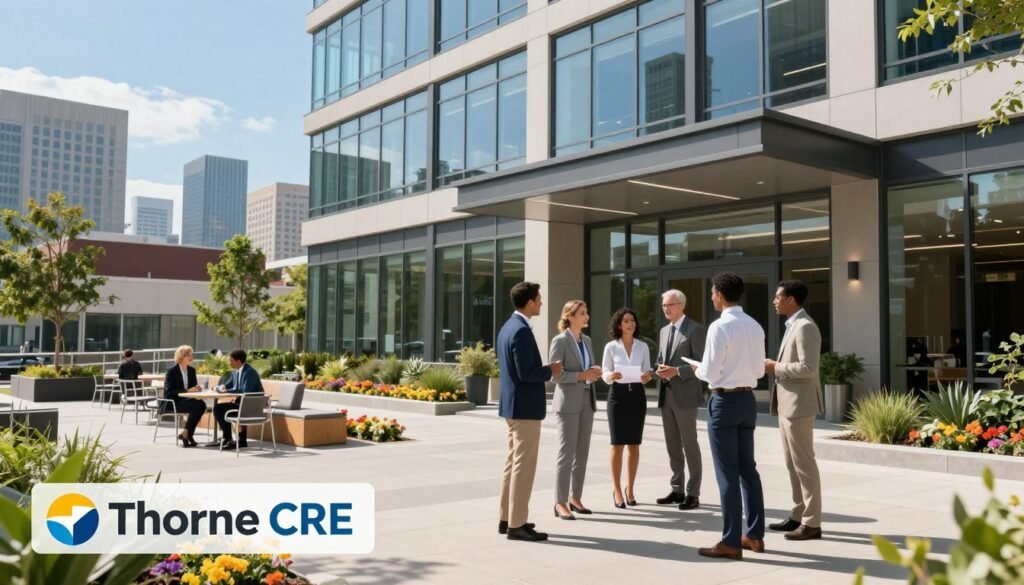
| Improvement Type | Potential Benefits | Cost Considerations |
|---|---|---|
| Renovations | Enhanced aesthetics, improved functionality | $50,000 – $200,000 |
| Upgrades | Increased energy efficiency, modern amenities | $20,000 – $100,000 |
| Expansions | Additional space for growth, increased revenue potential | $100,000 – $500,000 |
Conclusion: Taking the Leap into Commercial Property Ownership
Buying a commercial property through Owner-User Financing can help businesses. It can make their costs more stable and build their wealth. Knowing the pros and cons of owning a property is key to making smart financial choices.
Owner-User Financing lets businesses get a property that fits their needs. It also becomes a valuable asset. With the right financing and a solid plan, businesses can handle owning a property well.
Before diving into owning a commercial property, businesses should think about the financial gains and the work of managing it. This way, they can set themselves up for success and financial stability in the long run.