
The need for cold storage facilities has grown a lot. This is because of the rise of e-commerce and the need for quick food delivery. This shows how important specialized industrial properties are in today’s supply chain.
As the industrial market changes, investors see the value in these unique properties. They see how e-commerce growth links to the need for special logistics facilities.
Financing cold storage and specialized industrial properties has its own set of challenges. They need special equipment and can offer high returns on investment.
Key Takeaways
- The growth of e-commerce is driving demand for cold storage facilities.
- Specialized industrial properties are becoming increasingly important in the supply chain.
- Financing for these properties requires consideration of their unique characteristics.
- Investors are recognizing the potential for high returns in this sector.
- The demand for rapid food delivery is a key factor in the growth of cold storage.
The Evolving Landscape of Industrial & Warehouse Financing
E-commerce is booming, leading to a surge in demand for specialized facilities like cold storage. This change is reshaping the world of industrial and warehouse financing. It brings new challenges and chances for investors and developers.
Current Market Trends in Industrial Real Estate
The industrial real estate market is seeing big changes. These come from how people shop and new tech. A big trend is the need for cold storage to keep food fresh and frozen.
Market data shows cold storage demand is growing faster than supply. This shortage is causing rent prices to rise. It’s also making investors put more money into building cold storage facilities.
Impact of E-commerce and Supply Chain Transformation
E-commerce is changing the supply chain, making logistics faster and more flexible. This means industrial spaces need to support quick order fulfillment and last-mile delivery.
| E-commerce Impact | Supply Chain Effect | Industrial Financing Consequence |
|---|---|---|
| Increased demand for fast delivery | Need for flexible logistics solutions | Higher demand for industrial facilities |
| Growth in online grocery shopping | Increased need for cold storage | Increased investment in cold storage infrastructure |
| Rise of omnichannel retail | Complexity in supply chain management | Greater need for adaptable industrial spaces |
Understanding these trends helps investors and developers. They can better adapt to changes and find new opportunities in industrial and warehouse financing.
Understanding Cold Storage Facilities
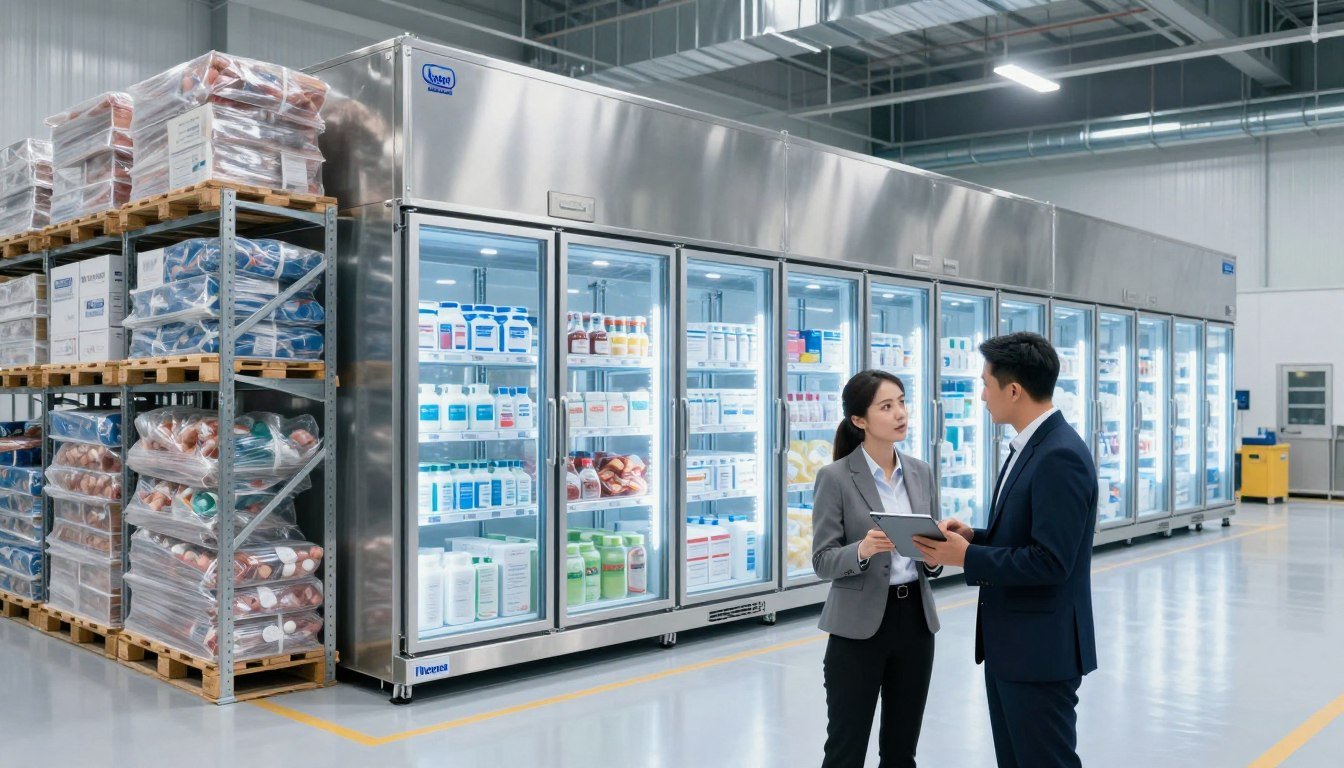
Cold storage facilities are key in today’s supply chain. They keep products that need a certain temperature safe from start to finish. These buildings store goods at the right temperature, keeping them fresh and lasting longer.
Defining Cold Storage Infrastructure
Cold storage uses special tech and designs to control temperature and humidity. Modern warehouses have cool features like automated systems and freezing tech. These help keep products safe and work more efficiently.
Types of Cold Storage Facilities
Cold storage places can be split into different types based on temperature needs. There are refrigerated warehouses for items that need to stay cool but not frozen. Freezer storage is for things that need to be really cold. Blast freezers quickly freeze products to keep them fresh.
Growing Demand in the Food and Pharmaceutical Sectors
The need for cold storage is rising, mainly because of the food and pharmaceutical industries. People want fresher and frozen foods, so cold storage is more important. The pharmaceutical world also needs it for keeping vaccines and medicines at the right temperature.
In short, knowing about cold storage is vital for understanding how it keeps products safe. As the food and pharmaceutical sectors grow, so will the need for these facilities.
Specialized Industrial Properties: Beyond Traditional Warehousing
As the need for specialized industrial spaces grows, it’s key to know their unique traits and funding needs. These spaces cater to specific business needs, needing tailored solutions not found in traditional financing.
Manufacturing Facilities with Unique Requirements
Manufacturing places often need special equipment and setup. For example, they might need high-bay ceilings, heavy-duty flooring, and precise climate control. These needs can change construction costs and financing terms.
Data Centers and Technology-Driven Spaces
Data centers are another type of specialized industrial property. They need advanced cooling systems, high-power electrical infrastructure, and strong cybersecurity. Financing for data centers must account for the fast pace of technology and the risk of becoming outdated.
Flex Industrial Spaces
Flex industrial spaces are great for businesses needing a mix of office, research, and light manufacturing or distribution. These places often have high ceilings, flexible floor plans, and adaptable infrastructure. Financing for these spaces must consider the variety of uses and the risks and benefits that come with them.
| Property Type | Unique Features | Financing Considerations |
|---|---|---|
| Manufacturing Facilities | Specialized equipment, high-bay ceilings | Construction costs, equipment financing |
| Data Centers | Advanced cooling systems, cybersecurity | Technological obsolescence, power costs |
| Flex Industrial Spaces | Flexible floor plans, adaptable infrastructure | Diverse tenant uses, potential for reconfiguration |
Key Differences in Financing Cold Storage vs. Traditional Industrial
Cold storage facilities cost more and need special equipment. Financing them requires understanding these unique needs.
Higher Development and Construction Costs
Cold storage buildings are pricier than regular warehouses. They need special insulation and cooling systems. These costs can be 30% to 50% higher.
This means financing cold storage needs a more detailed plan. It must cover the extra costs upfront.
Specialized Equipment and Infrastructure Considerations
Cold storage needs special equipment like refrigeration units. These items wear out and need upkeep. This adds to the costs.
Lenders look at the equipment’s quality when deciding on a loan. Good equipment means less risk of expensive fixes later.
Longer Lease Terms and Tenant Stability
Cold storage leases are often longer. This ensures steady income and reduces risks. Lenders like this because it means less chance of empty spaces.
This stability is key for cold storage. They play a vital role in keeping perishable goods and medicines moving.
Critical Factors Lenders Evaluate in Specialized Industrial Projects
Lenders look at many important factors when checking out specialized industrial projects. These factors help them figure out if the project is good and if it will make money. They are key to seeing if the project might fail or succeed.

Property Specialization and Conversion Potential
Lenders check how special a property is and if it can be used for something else. Specialized properties that can’t be easily used for other things are riskier. This is because their value depends a lot on the current tenant or business.
If a property can easily be changed for other uses, it’s less risky.
Location and Market Dynamics
The place where a project is located is very important. It affects how easy it is to get to, how well it works, and if people want it. Lenders look at the market to see if the project will last long.
A good location with strong market demand makes a project more appealing.
Exit Strategy Considerations
Lenders also think about how a project will end, like selling it or finding new tenants. A good plan for ending the project can lower risks and make it more financially successful. They look at things like lease terms and the credit of potential tenants.
In short, lenders have to look at many things when checking out specialized industrial projects. By carefully checking these things, lenders can make smart choices and lower risks for these unique projects.
The Importance of Tenant Credit in Specialized Industrial Financing
Tenant creditworthiness is key in deciding if a specialized industrial financing project works. Lenders look at a tenant’s credit to figure out the risk of lending on or financing these properties.
A tenant’s credit score greatly affects the loan terms. If a tenant has a good credit score, they might get better loan terms. This could mean lower interest rates and higher loan amounts.
Credit Rating Impact on Loan Terms
A high credit score can lead to more favorable loan terms. It shows the lender that the risk of default is lower. On the other hand, a bad credit score might mean worse terms or even no loan at all.
Single-Tenant vs. Multi-Tenant Considerations
The type of tenancy matters too. Single-tenant properties rely heavily on one tenant’s credit. But, multi-tenant properties spread the risk among several tenants.
Strategies for Mitigating Tenant Credit Risk
To lower tenant credit risk, lenders might ask for credit enhancements. This could be letters of credit or guarantees. It’s also important to do a deep dive into the tenant’s financial health and business stability.
Understanding tenant credit and finding ways to reduce risks helps lenders feel more confident in financing specialized industrial projects.
Build-Out Financing: Navigating Custom Tenant Improvements
Understanding build-out financing is key for custom tenant improvements. Specialized properties like cold storage and data centers need big investments in custom setups.
Funding Specialized Infrastructure Requirements
Industrial properties need a lot for their infrastructure. Cold storage needs top-notch refrigeration, and data centers require advanced cooling and power systems. Build-out financing helps cover these costs. It lets tenants make the space fit their exact needs.
Balancing Tenant-Specific vs. Universal Improvements
It’s important to balance tenant-specific improvements with universal ones. Lenders like improvements that appeal to many, as they boost the property’s value. Yet, tenant-specific upgrades are vital for securing a long-term lease with a reliable tenant.
Amortizing Build-Out Costs in Lease Structures
Amortizing build-out costs in lease structures is common. This can be done by adjusting rent or adding costs to the lease rate. Good lease structuring helps both landlords and tenants. It makes sure everyone benefits and keeps income stable.
By grasping build-out financing and using it in lease structures, owners and tenants can create spaces that meet their needs. This ensures a solid financial base for the project.
The Financing Process for Cold Storage Facilities
Getting financing for cold storage facilities involves several key steps. These include pre-application prep and due diligence. Knowing these steps is vital for getting the funding needed for such projects.
Pre-Application Preparation and Documentation
Before you apply for funding, you need to gather all the right documents. This includes detailed project plans, cost estimates, and an analysis of the facility’s use and revenue. Lenders use this info to check if the project is viable and to spot any risks.
Key documents include:
- Detailed construction plans and specifications
- Environmental impact assessments
- Market studies and demand analysis
- Financial projections, including income statements and cash flow forecasts
Specialized Due Diligence Requirements
Cold storage facilities need special due diligence because of their unique needs. This includes checking the condition and efficiency of refrigeration equipment. It also involves looking at energy efficiency and food safety compliance.
| Due Diligence Aspect | Description | Importance Level |
|---|---|---|
| Refrigeration Equipment | Assessment of the condition, capacity, and energy efficiency of cooling systems | High |
| Insulation and Building Envelope | Evaluation of the facility’s insulation and construction to maintain temperature control | High |
| Regulatory Compliance | Review of compliance with food safety and environmental regulations | High |
Timeline Considerations for Complex Projects
Cold storage projects are complex and need careful planning. Lenders and investors must understand the project’s timeline and any risks. This is to ensure the project is completed on time and ready to operate.
Good project management and realistic timelines are key. They help secure funding and ensure the project’s success.
Working with Specialized Lenders and Financing Partners
Getting the right financing for cold storage is more than just money. It’s about finding a lender who really gets the project. Cold storage needs specialized lenders who know the unique challenges and chances of these complex projects.
Finding Lenders with Cold Storage Experience
Finding lenders with a good track record in cold storage financing is key. These lenders get the details of cold storage, like the need for exact temperature control and energy-saving designs. A table comparing traditional lenders to specialized lenders shows why working with those with cold storage experience is better.
| Lender Type | Understanding of Cold Storage | Financing Terms |
|---|---|---|
| Traditional Lenders | Limited | Standard |
| Specialized Lenders | Deep | Tailored |
Building Relationships with Industry-Specific Financiers
Building a relationship with financing partners who focus on industrial or cold storage projects is a big plus. They can share insights on market trends, risks, and growth chances. This helps create a financing plan that fits the project’s needs.
By teaming up with specialized lenders and financing partners, developers can tackle the challenges of cold storage financing. This ensures their projects are well-funded and set for success.
Conventional Loan Options for Industrial & Warehouse Financing
The industrial real estate sector relies heavily on conventional financing. This method offers a stable way to fund industrial and warehouse properties.
Commercial Bank Loans and Terms
Commercial bank loans are a key source of funding for industrial properties. They come with competitive interest rates and flexible terms, lasting from 5 to 10 years. Banks usually need a good credit score and a big down payment.
- Competitive interest rates
- Flexible loan terms
- Strong credit requirements
CMBS Financing for Industrial Properties
CMBS (Commercial Mortgage-Backed Securities) financing is another option for industrial properties. It pools multiple commercial mortgages into one security, offering investors a diverse portfolio. CMBS loans can provide non-recourse financing, which lowers the borrower’s risk.

Life Insurance Company Funding Options
Life insurance companies play a big role in financing industrial real estate. They offer long-term, fixed-rate loans. These loans are appealing because they are stable and predictable. They focus on high-quality, income-generating properties.
Key benefits include:
- Long-term financing solutions
- Fixed interest rates
- Focus on high-quality properties
In conclusion, conventional loan options like commercial bank loans, CMBS financing, and life insurance company funding offer various choices for industrial and warehouse financing. Each option has its own benefits and requirements, meeting different needs in the industrial real estate sector.
Government-Backed Financing Programs for Specialized Industrial
Government-backed financing programs help with specialized industrial projects. They provide the money needed for growth and development. These programs are great for cold storage facilities and other unique industrial properties that need a lot of investment.
These programs can really help a project’s chances. They offer good terms and lower risk for lenders. This makes it easier for developers to get the funding they need.
SBA 504 and 7(a) Loan Programs
The Small Business Administration (SBA) has two key loan programs. The 504 and 7(a) loan programs are for financing specialized industrial projects. The SBA 504 loan is good for projects with fixed assets, like real estate and equipment. It offers long-term, fixed-rate financing. The 7(a) loan program is more flexible and can be used for different business needs, like working capital and equipment purchases.
USDA Rural Development Opportunities
The United States Department of Agriculture (USDA) has financing for rural areas through its Rural Development program. This program helps businesses in rural areas, including those with specialized industrial facilities. USDA’s financing can lower the costs of project development. This makes complex industrial projects in eligible areas more feasible.
State and Local Economic Development Incentives
State and local governments also offer economic development incentives. These incentives can be grants, tax credits, or low-interest loans. By using these incentives, developers can lower their costs and make their investments more viable.
To show the benefits of government-backed financing, let’s compare some options:
| Financing Option | Interest Rate | Loan Term | Collateral Requirements |
|---|---|---|---|
| SBA 504 Loan | 4.5% | 20 years | Fixed Assets |
| SBA 7(a) Loan | 6.0% | 10 years | Variable |
| USDA Rural Development Loan | 3.75% | 25 years | Real Estate |
By using these government-backed financing programs, developers can get the money they need. This helps bring specialized industrial projects to life. It also helps with economic growth and development.
Alternative Financing Structures for Complex Industrial Projects
As industrial projects grow more complex, new financing models are popping up. These models offer fresh chances for investors and developers to tackle big projects.
Sale-Leaseback Arrangements
Sale-leaseback lets companies use their property’s value without giving up space. They sell the property to an investor and then lease it back. This move gives them cash for business growth or expansion.
Joint Venture Partnerships
Joint ventures team up different players to fund complex projects. They mix the skills of developers, investors, and operators. This mix can lead to successful and profitable ventures.
Private Equity and Opportunity Zone Investments
Private equity and Opportunity Zone investments are now funding complex projects. They offer flexible financing and tax perks. This makes them attractive to developers and investors.
| Financing Structure | Key Benefits | Typical Use Cases |
|---|---|---|
| Sale-Leaseback | Immediate capital, continued occupancy | Companies needing liquidity, expansion |
| Joint Venture | Shared risk, combined expertise | Large-scale industrial projects, complex developments |
| Private Equity/Opportunity Zone | Flexible financing, tax benefits | High-growth projects, redevelopment opportunities |
ROI Considerations for Cold Storage and Specialized Industrial Investments
ROI is key when investing in cold storage and specialized industrial assets. Investors need to think about the potential returns on these unique properties.
Calculating Returns on Specialized Industrial Assets
To figure out returns, investors should look at the initial cost, ongoing expenses, and possible income. Specialized industrial assets often get higher rents because of their unique features and limited supply. A thorough financial review is essential to grasp the ROI.
Long-Term Value Appreciation Factors
The long-term value of cold storage and specialized industrial properties depends on location, market demand, and tech advancements. Properties in strategic locations with high demand usually see more value over time. Investors should think about these factors when looking at potential investments.
Balancing Higher Costs with Premium Rents
Cold storage and specialized industrial properties have higher development and operational costs. But they also get premium rents. Investors need to weigh these costs against the potential income to ensure a good ROI. The table below shows a sample ROI calculation.
| Investment Component | Cost/Rent |
|---|---|
| Initial Investment | $10 million |
| Annual Operating Costs | $500,000 |
| Annual Rent | $1.2 million |
| ROI | 8% |
By carefully looking at ROI, investors can make smart choices about cold storage and specialized industrial investments.
Case Studies: Successful Cold Storage Financing Structures
Recent case studies show how cold storage projects are funded. They range from big distribution centers to last-mile facilities. These examples show the complexity and creativity in financing such projects.
Large-Scale Distribution Center Development
A big example is a 1.2 million square foot cold storage center in California. It was funded with a mix of debt and equity. A major insurance company provided the debt. This center is key for a big food distributor, showing the need for specialized cold storage infrastructure.
Repurposing Existing Industrial Space for Cold Storage
An old industrial building in New Jersey was turned into a cold storage facility. The funding included tax credits and historic preservation incentives. This shows how redeveloping existing industrial spaces can meet cold storage needs.
Last-Mile Cold Chain Facility Financing
In Texas, a last-mile cold chain facility was funded. It was a joint venture between a real estate firm and a logistics company. A regional bank provided the financing. This facility is crucial for last-mile delivery services to grocery stores and restaurants, showing the value of being close.
Conclusion: Navigating the Complex World of Specialized Industrial Financing
Understanding specialized industrial financing is key. It involves knowing the unique needs of cold storage and industrial projects. Cold storage financing has its own set of challenges, like higher costs and specialized equipment needs.
It’s also important to know about tenant credit. Lenders look at tenant credit to see if a property is stable and profitable. They also consider the property’s specialization, location, and market trends.
Working with experienced lenders can help investors and developers succeed. They can find effective financing strategies. This not only brings in returns but also helps the supply chain and logistics grow.