
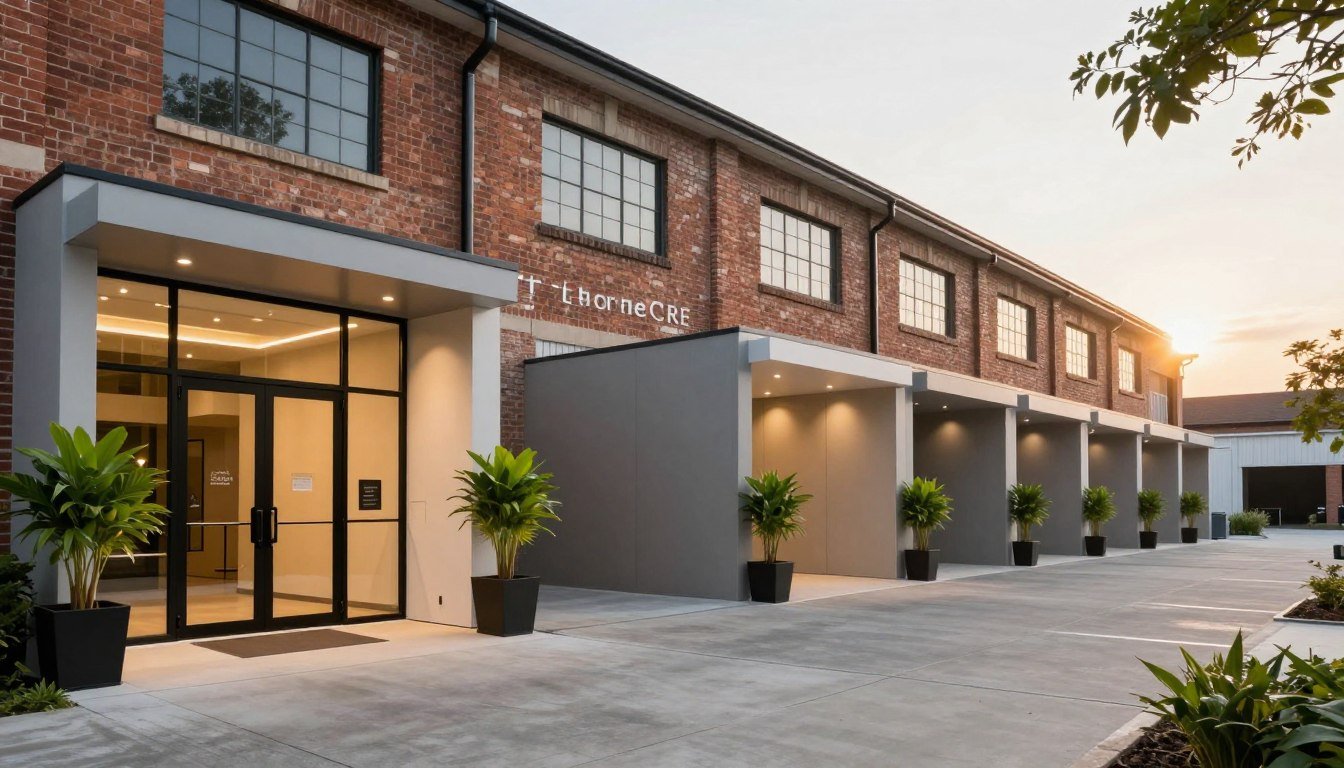
The need for self-storage is increasing. People want secure and easy-to-access storage. One smart way to meet this need is by turning old buildings into self-storage spaces. This is called adaptive reuse.
This approach gives new life to unused buildings. It’s also a green choice compared to building from scratch. Plus, self-storage conversion projects often cost less to start than new builds.
Key Takeaways
- Converting existing buildings into self-storage facilities is a growing trend.
- Adaptive reuse offers a sustainable alternative to new construction.
- Self-storage conversion projects can benefit from lower initial investment costs.
- Financing is a critical component in the success of self-storage conversion projects.
- Understanding the benefits and challenges of self-storage financing is essential for developers.
The Growing Opportunity in Self-Storage Conversions
Self-storage demand is on the rise, making it a smart choice to reuse old buildings. The need for more storage is driven by city living and changing lifestyles.
Current Market Demand for Self-Storage Facilities
There’s a big need for self-storage places now. This is because more people are moving to cities and need extra space. Here are some important facts:
- Increasing occupancy rates
- Rising rental income
- Growing demand in urban areas
This trend is likely to keep going, making self-storage a great investment.
Why Adaptive Reuse Makes Financial Sense
Turning old buildings into self-storage is a smart money move. It saves money because you’re not building from scratch. The advantages are:
- Lower acquisition costs compared to new construction
- Reduced construction time
- Potential for tax benefits through historic preservation
By using old buildings, developers can meet the growing demand for storage. They also save on initial costs.
Evaluating Buildings for Self-Storage Potential
When looking into turning a building into self-storage, it’s key to check it out well. You need to look at different things that can affect how well the project does.
Ideal Property Types for Conversion Projects
The best buildings for turning into self-storage are usually empty or not used much. Former retail stores, warehouses, and office buildings work well. They often have what’s needed to easily change into self-storage.
Location Analysis and Market Feasibility
Where the building is matters a lot for a self-storage place. You need to do a deep market analysis to see if people want self-storage there. Look at how many people live nearby, if there are other storage places, and the local economy.
Structural Assessment Criteria
Checking the building’s structure is very important. You have to look at the foundation, roof, and current setup. This helps find out what problems might come up and what it will cost to change it.
By looking at these things carefully, investors can decide if turning a building into self-storage is a good idea.
Financial Feasibility Analysis for Conversion Projects
When thinking about turning an old building into a self-storage facility, a detailed financial feasibility analysis is key. This step looks at different financial points to see if the project makes sense.
Acquisition and Conversion Cost Estimation
Getting the costs right for buying and changing a building is vital. These costs cover the property price, renovation costs, and more. Knowing these helps investors figure out how much money they need.
The cost to buy the building is part of the acquisition cost. The conversion costs include building work, permits, and design fees. Getting these costs right is important to stay within budget.
Revenue Projections and Break-Even Analysis
Figuring out how much money a self-storage project can make is key. This means looking at how much money can be made from renting out storage units. A break-even analysis shows when the project will start making money.
Looking at market trends and what others charge helps investors guess how much money they can make. This also helps find the best way to set prices to earn more.
Comparing New Construction vs. Adaptive Reuse Economics
It’s important to compare building a new facility versus using an old one. Using an old building can save money on land and some construction costs. But, it’s also good to think about the benefits of building new, like modern design and lower upkeep costs.
Looking closely at these points helps investors choose the best option for their self-storage project.
Self-Storage Financing Options and Strategies
Getting financing for self-storage conversions needs a good understanding of options and strategies. Investors have many financing choices, each with its own advantages and disadvantages.
Commercial Mortgage Options for Conversions
Commercial mortgages are a popular choice for self-storage conversions. These loans are backed by the property and have good interest rates. Lenders ask for a big down payment and check the property’s value and income potential.
Key benefits of commercial mortgages include:
- Competitive interest rates
- Long repayment terms
- Potential for high loan-to-value ratios
SBA 504 and 7(a) Loan Programs
The Small Business Administration (SBA) has two loan programs for self-storage conversions: the 504 and 7(a) programs. The SBA 504 offers long-term, fixed-rate financing for big assets. The 7(a) program has more flexible terms for different business needs.
The SBA 504 program is great for:
- Buying real estate
- Financing major equipment
- Low down payments
Creative Financing Approaches for Challenging Properties
For tricky properties, like those needing big renovations or in less popular areas, creative financing is key. Options include mezzanine financing, joint ventures, or private equity investments.
Creative financing strategies offer:
- Flexibility in deal structuring
- Access to more capital
- Potential for better returns
Understanding CapEx Requirements for Conversion Projects
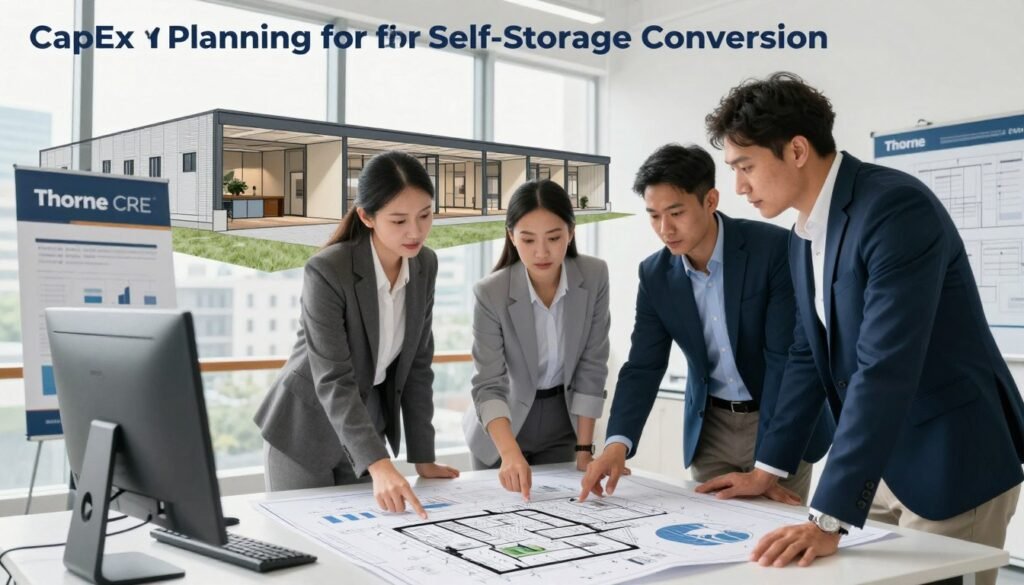
Converting buildings into self-storage facilities requires careful planning of capital expenditure (CapEx). CapEx covers all costs, like renovation, equipment, and marketing. It’s key to the project’s success.
Initial Capital Expenditure Planning
Good initial CapEx planning means knowing all costs to finish the project. This includes construction, permits, and upgrades to systems like electrical and HVAC. Getting these costs right helps avoid overspending and keeps the project financially sound.
- Renovation and construction costs
- Permitting and inspection fees
- Equipment purchases (e.g., security systems, climate control)
Long-term CapEx Reserves and Facility Maintenance
Having long-term CapEx reserves is crucial for upkeep. This includes ongoing maintenance, repairs, and upgrades. Setting aside part of the initial budget for future expenses keeps the facility competitive and attractive to tenants.
A good maintenance plan can make the facility last longer, saving on repairs. It also improves the tenant experience, leading to more tenants and more money.
Building Lender Comfort with Self-Storage Conversion Projects
Understanding and addressing lender concerns is key to successful financing for self-storage conversions. Lenders look at the project’s potential returns, risks, and the borrower’s credibility.
Creating a Compelling Financing Package
A well-structured financing package is essential for lender approval. It should include a detailed business plan, financial projections, and market analysis. These elements show the project’s potential for profit.
Key elements of a compelling financing package include:
- Detailed project timeline and milestones
- Comprehensive budget breakdown
- Market analysis and demand projections
- Experience and track record of the development team
Addressing Common Lender Concerns
Lenders worry about the risks of self-storage conversions. These include market demand, competition, and renovation challenges.
| Lender Concern | Mitigation Strategy |
|---|---|
| Market Demand | Provide market research and analysis demonstrating demand for self-storage facilities in the area. |
| Renovation Challenges | Outline a detailed renovation plan, including timelines and contingency measures for unexpected issues. |
| Competition | Analyze local competition and highlight the unique selling points of the proposed self-storage facility. |
Using Market Data to Support Your Loan Application
Using market data effectively can strengthen your loan application. It shows the project’s viability.
By using these strategies, you can improve lender comfort. This increases the chance of getting the funding you need for your self-storage conversion project.
Navigating Zoning and Regulatory Hurdles
Understanding zoning and regulatory hurdles is key for self-storage conversion success. Local laws can greatly affect a project’s feasibility and profit.
Common Zoning Challenges for Self-Storage Conversions
Self-storage conversions often hit zoning roadblocks. These include height, signage, and parking rules. For example, height limits can be a big issue.
- Height and density restrictions
- Signage limitations
- Parking and access requirements
Securing Necessary Permits and Approvals
Getting the right permits is vital for a self-storage conversion. You need to submit detailed plans and show you follow all rules.
Key permits may include building permits, zoning variance permits, and fire safety permits.
Strategies for Working with Local Authorities
Good communication with local authorities is crucial. Developers must be ready to explain their plans, answer questions, and negotiate when needed.
- Engage with local planning officials early in the process
- Provide detailed project plans and documentation
- Be prepared to address community concerns
By knowing the common zoning issues, getting the right permits, and working well with local authorities, developers can overcome hurdles. This way, they can make their self-storage conversion projects a reality.
Architectural Design for Optimal Space Utilization
Turning old buildings into self-storage spaces is all about smart design. A good layout can make more space available for rent. This makes the project more profitable.
Maximizing Rentable Square Footage
Architects should aim to make storage units and corridors as efficient as possible. Here’s how:
- Use tall shelves or mezzanines to make the most of vertical space
- Space columns wisely to avoid wasting space
- Make corridors wide enough for easy access but not too wide
These steps help increase the facility’s storage capacity.
Climate-Controlled vs. Standard Units Considerations
Choosing between climate-controlled and standard units is key. Climate-controlled units need extra insulation and HVAC. The choice depends on:
- The local weather
- What customers want
- How much money you have
Finding a balance can attract many customers while keeping costs down.
Security and Access Planning
Security is crucial in self-storage. The design should include:
- Safe entry and exit points
- Surveillance cameras
- Well-lit areas
- Access control systems
These features ensure a safe place for customers and their items.
Engineering Challenges in Self-Storage Conversion
Turning old buildings into self-storage places has its own set of engineering hurdles. These issues affect the project’s cost, time, and success. It’s important to tackle these challenges head-on.
Structural Modifications and Requirements
Changing the building’s structure is often needed for self-storage. This might mean strengthening floors for heavy storage or rearranging the layout for better storage units. It’s key to check the building’s strength first to find and fix any weak spots.
Mechanical, Electrical, and Plumbing Upgrades
Improving the MEP systems is vital for a self-storage facility’s operation. This could be adding climate control for sensitive items or boosting electrical power for security and amenities. A good MEP setup keeps the facility running smoothly and comfortable for users.
Fire Safety and Suppression Systems
Fire safety and suppression systems are crucial in self-storage. They protect the items stored and keep customers safe. This includes fire alarms and sprinklers that meet local codes. A detailed fire safety plan, made with local authorities, ensures safety and compliance.
Overcoming these engineering challenges needs teamwork. Architects, engineers, contractors, and local authorities must work together. This ensures the converted facility meets all building codes and operational needs.
Managing the Construction Process
Effective construction management is key for turning old buildings into self-storage facilities. It involves careful planning, coordination, and execution. This ensures projects are done on time, within budget, and meet quality standards.
Selecting Experienced Conversion Contractors
Finding the right contractor is crucial for a successful self-storage conversion. Look for contractors with experience in similar projects. Check their references and past work. A skilled contractor can handle project complexities, ensuring it’s done efficiently.
Project Timeline and Phasing Strategies
Creating a realistic project timeline is vital. It helps manage stakeholder expectations and keeps the project on track. Phasing strategies can reduce disruptions, making the transition smoother. Consider material delivery, labor, and potential bottlenecks when planning the timeline.
| Phasing Strategy | Description | Benefits |
|---|---|---|
| Sequential Phasing | Completing one phase before moving to the next | Reduces complexity, easier to manage |
| Parallel Phasing | Multiple phases executed simultaneously | Can reduce overall project duration, efficient use of resources |
Quality Control and Budget Management
Quality control is essential to ensure the final product meets standards. Regular inspections and monitoring help catch and fix issues early. Effective budget management means tracking expenses, managing changes, and staying within budget.
Budget Management Tips:
- Regularly review and update the budget
- Track expenses and identify areas for cost savings
- Manage change orders efficiently
Technology Integration for Modern Self-Storage Facilities
Modern self-storage facilities use technology to boost security, better customer service, and make operations smoother. This tech integration is key for operators to keep up in a fast-changing market.
Security and Access Control Systems
Advanced security and access control systems are vital for today’s self-storage facilities. They include electronic gates, surveillance cameras, and keycard or biometric access. These technologies greatly lower theft and unauthorized access risks, making the place safer for customers.
Property Management Software Solutions
Property management software helps self-storage operators run their facilities better. It lets them track how full the facility is, manage customer accounts, and automate billing. This streamlines tasks, cuts down on costs, and boosts facility performance.
Customer-Facing Technology Amenities
Online payment systems and mobile apps are becoming more common in self-storage facilities. They let customers manage their accounts and access their units online, improving their experience. Offering these features helps facilities stand out and attract tech-savvy customers.
| Technology | Benefits | Examples |
|---|---|---|
| Security Systems | Enhanced security, reduced theft | Surveillance cameras, electronic gates |
| Property Management Software | Streamlined operations, reduced costs | Occupancy tracking, automated billing |
| Customer-Facing Technology | Improved user experience, increased convenience | Online payment systems, mobile apps |
Marketing Your Converted Self-Storage Facility
Marketing your converted self-storage facility well is crucial for success. A good marketing plan helps you stand out and draw in customers. This is key to keeping your facility busy and making money.
Leveraging the Building’s History in Marketing
Your facility’s history is a big plus. If it was once a warehouse or factory, talk about it. Use phrases like “historic warehouse now storage” to grab attention from those seeking something different.
Digital Marketing Strategies for New Facilities
In today’s world, being online is essential. Use search engine optimization (SEO) to show up in searches. Also, use social media platforms to share cool stuff, deals, and updates.
Grand Opening and Community Engagement
Throwing a grand opening event can really get people talking. Think about a ribbon-cutting or special deals for the first visitors. Also, get involved with the local community by sponsoring events or teaming up with local shops.
| Marketing Strategy | Description | Potential Impact |
|---|---|---|
| Leverage Building History | Highlight the building’s past in marketing materials | Attract customers looking for unique experiences |
| Digital Marketing | Utilize SEO and social media | Increase online visibility and engagement |
| Grand Opening Event | Host a ribbon-cutting ceremony or promotion | Generate buzz and attract early customers |
Case Studies: Successful Self-Storage Conversion Projects
Underutilized buildings are being turned into thriving self-storage facilities. These projects give old buildings a new life. They also meet the storage needs of urban areas.
Former Retail Store Transformation
A former retail store in downtown Los Angeles was turned into a modern self-storage facility. The 50,000 square-foot building was renovated. It now has climate-controlled units and better security.
This effort paid off quickly. The facility was fully occupied just six months after opening.
“The conversion of our retail store into a self-storage facility was a game-changer for our community, providing a much-needed service while preserving the building’s historic charm.” –
Warehouse to Premium Self-Storage Conversion
An abandoned warehouse in Chicago was transformed into a premium self-storage facility. The project included major structural repairs and the latest security systems. It also featured luxury storage units with top-notch amenities.
| Project Aspect | Details | Outcome |
|---|---|---|
| Structural Repairs | Extensive foundation work and facade renovation | Enhanced building integrity and aesthetic appeal |
| Security Systems | Advanced CCTV and access control systems | Improved security and reduced liability |
| Luxury Units | Climate control, high-end finishes, and concierge services | High occupancy rates and premium pricing |
Office Building Adaptive Reuse Success Story
In New York City, an unused office building was turned into a self-storage facility. The area’s high demand for storage made it a smart move. The building’s floor plan was changed to fit more storage, and its infrastructure was updated.
These success stories show the power of adaptive reuse in the self-storage industry. They offer a great option for investors and developers instead of building from scratch.
Avoiding Common Pitfalls in Conversion Projects
Self-storage conversion projects face many risks that can stop them from succeeding. It’s important to find and fix these problems early.
Budget Management and Cost Control
Managing your budget well is key in self-storage conversion projects. To avoid spending too much, make a detailed budget. Include extra money for unexpected costs. Here are some tips:
- Do a deep check on the property to find any issues
- Work with experienced people to get a good cost estimate
- Focus on what you need, not what you want, to stay on budget
Timeline Challenges and Solutions
Keeping to the project timeline is hard. Delays can make costs go up and hurt your income. Here’s how to handle it:
- Make a realistic timeline with extra time for delays
- Find the most important tasks and give them the right resources
- Keep checking and updating your timeline to stay on track
Unexpected Issues and Contingency Planning
Even with good planning, surprises will happen. Having a contingency plan helps deal with these surprises. Key parts include:
- Find possible risks and plan how to fix them
- Keep some money aside for unexpected costs
- Be ready to change your plan if needed
By knowing and fixing these common problems, developers can make their self-storage conversion projects more likely to succeed.
Measuring ROI and Performance After Conversion
To keep a self-storage conversion project going strong, it’s key to watch important numbers closely. This means looking at many metrics that show how well the project is doing financially and how smoothly it runs.
Occupancy Rate Benchmarks
Occupancy rates are super important for self-storage places. Try to hit an 80% occupancy rate or better in the first year. Things like where you are, how you market, and what others are doing nearby can affect this. Checking these rates often helps spot patterns and guide decisions.
Revenue Per Square Foot Analysis
How much money you make per square foot is another key number. To boost earnings, work on setting good prices and keeping units filled. Looking at this figure helps see how you stack up against others and find ways to get better.
Expense Ratio Management
Managing your expenses well is key to staying profitable. Keep an eye on costs like upkeep, bills, and staff salaries as a share of your income. It’s good to keep this under 40% for self-storage. By regularly checking and tweaking these costs, you can really improve your profits.
Conclusion: Taking the Next Steps in Your Self-Storage Conversion Journey
Starting a self-storage conversion project needs careful planning and financing. This guide has shown how to turn old buildings into self-storage. It’s a great chance in the growing self-storage market.
Knowing the steps from start to finish is key. This includes evaluating properties, checking finances, and getting funding. The financing guide here is a big help in getting the money you need.
Now, think about what’s next. Look at properties, check if it’s financially smart, and get the money. With what you’ve learned, you’re ready to face the challenges and benefits of turning buildings into successful self-storage spaces.