
Did you know that industrial land that’s not being used fully can be a great investment? It has the power to help local economies grow and thrive. This is why more people are looking into buying and financing such land.
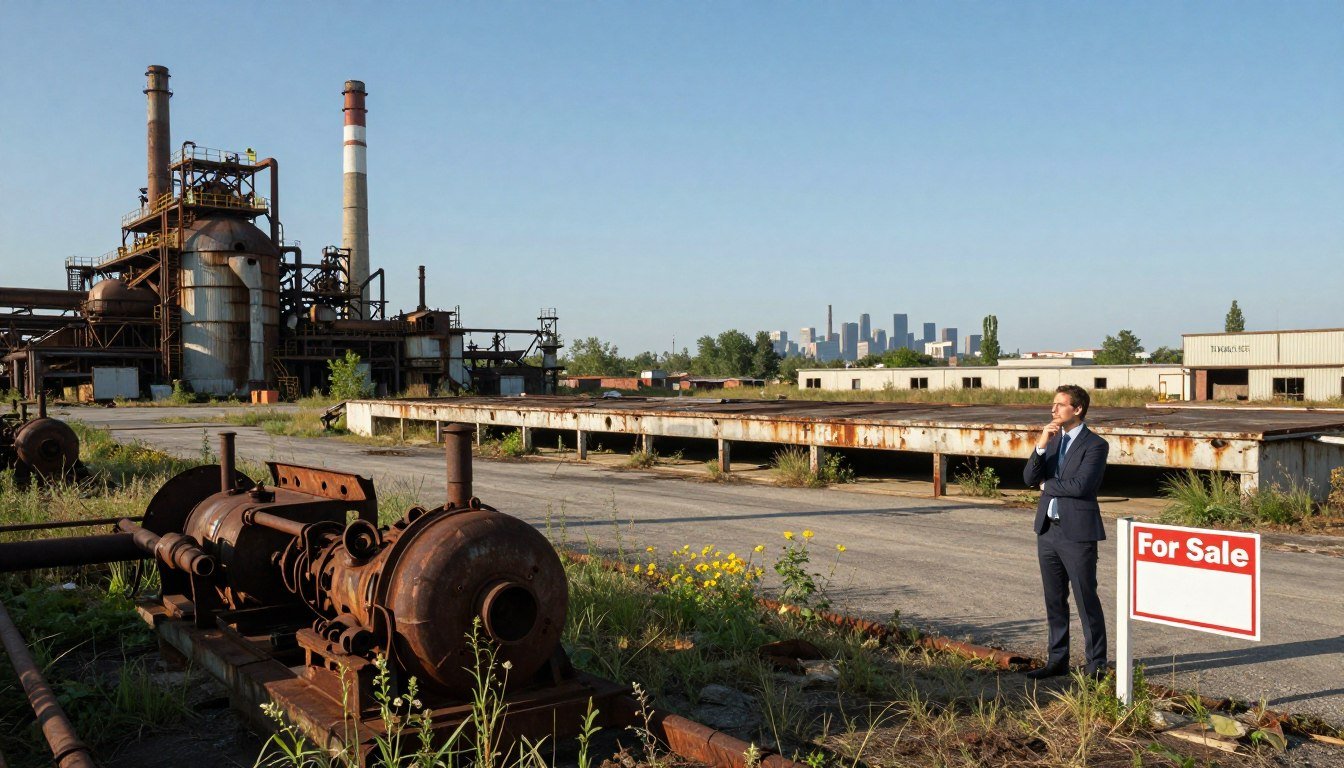
Industrial land that’s not fully used often faces economic or regulatory hurdles. But, by finding new uses for it, investors can discover new chances to make money and add value.
To buy and finance this land, you need a smart plan. You must think about the land’s location, local rules, and any environmental issues. This way, you can make the most of these unused properties.
Key Takeaways
- Underutilized land can be a valuable asset for IOS investments.
- Repurposing underutilized land can stimulate local economies.
- A strategic approach is necessary for acquiring and financing underutilized land.
- Location, zoning, and environmental factors are crucial considerations.
- Investors can unlock new opportunities by revitalizing underutilized properties.
The Strategic Value of Industrial Outdoor Storage (IOS)
IOS is becoming a key asset in industrial real estate. It offers economic benefits and flexibility. The role of IOS in modern logistics and supply chain management is vital.
Current Market Trends Driving IOS Demand
Several trends are boosting the demand for IOS facilities. E-commerce growth means more need for flexible storage. Also, nearshoring and reshoring are making companies want more industrial space, including IOS.
The move to just-in-time delivery models is another trend. IOS facilities are great for this because they store goods outdoors. This saves money on indoor space and makes it easy to get goods to customers.
Economic Advantages of IOS Investments
Investing in IOS properties has many economic benefits. One big plus is the potential for higher yields. IOS facilities need less money for construction and upkeep, thanks to simpler designs.
Also, IOS investments can protect against economic downturns. Demand for storage stays steady even when the economy slows. This makes IOS a reliable income source for investors. The value-add potential of IOS properties, like better paving and security, can also boost their value.
Identifying Underutilized Industrial Land Opportunities
Finding the right underutilized industrial land needs a sharp eye and a good grasp of the market. It’s about looking at many factors that affect the land’s worth and its potential for use in industrial outdoor storage (IOS).
Characteristics of Ideal IOS Properties
Good IOS properties have key traits that make them stand out. These include:
- Strategic Location: Being close to highways, railways, or ports is key for smooth logistics and supply chain management.
- Site Size and Layout: A big area with easy access and movement is important.
- Zoning and Land Use: Following local rules is crucial to avoid legal issues.
- Topography: A flat site can save money on preparation.
Recognizing Value-Add Potential in Industrial Sites
Seeing the potential for adding value to industrial sites is key for investors. This means:
- Checking the site’s current state and spotting areas for betterment.
- Looking at possible improvements like paving, fencing, and security.
- Understanding the demand for IOS in the area and the competition.
This way, investors can turn unused land into valuable IOS facilities.
Using Data Analytics to Find Promising Properties
Data analytics is essential for spotting great properties. It uses market trends, demographic shifts, and economic signs to guide decisions. Important data includes:
- Market demand for IOS
- Economic growth signs in the area
- Demographic changes that might affect demand
Advanced data tools help find industrial land with big potential for IOS use.
Essential Site Selection Criteria for IOS Facilities
Choosing the right site is key for IOS facilities. It’s about location, how easy it is to get there, and what the site looks like. A good site can make operations smoother, cut costs, and better serve customers.
Location and Transportation Access
Where a site is located matters a lot. Being near big transportation spots helps with moving goods and supplies.
Proximity to Major Highways and Transportation Hubs
Being near highways and big transportation spots like ports and rail terminals saves money. It also makes it easier to reach important markets. A study by the National Association of Manufacturers shows this is a big deal for where to put industrial sites.
- Access to truck, rail, air, and sea transport
- Close to major highways and interstates
- Good connection to ports and rail terminals
Last-Mile Delivery Considerations
Getting goods to the final destination is a big challenge, more so in cities. Sites near cities can save on delivery costs and speed up delivery times.
“The last mile is often the most challenging and expensive part of the delivery process. Locating IOS facilities near urban centers can mitigate these challenges.”
Physical Site Requirements
The site’s physical features are also important. Things like size, shape, and the environment affect if the land is right for IOS activities.
For example, a flat and stable site means less work to get it ready. This can save money upfront.
Market Proximity Factors
Being close to where customers are is also key. It makes service better and saves on delivery costs.
- Close to where lots of customers are
- Access to skilled workers
- Looking at who else is around
By looking at these criteria, people can find the best places for IOS facilities. It’s about finding a spot that meets both needs and goals.
Navigating Zoning and Land Use Regulations
Understanding zoning and land use rules is key when buying industrial land. Investors need to know the local laws that affect industrial land. These laws can greatly influence a project’s success and profit.
Industrial Zoning Classifications Across the US
Industrial zoning rules differ in the United States. They sort land use into types like heavy industrial, light industrial, and mixed-use. Knowing these categories helps find good opportunities and avoid problems with a property.
“Zoning rules are not just about following them; they’re about seeing a property’s full potential,” says John Doe, a renowned expert in industrial real estate. “The right zoning can make or break an investment.”
Securing Variances and Conditional Use Permits
If a property’s use doesn’t match the zoning rules, investors might need variances or permits. They must show the zoning board how their plan won’t harm the area.
- Prepare a detailed plan that shows the benefits and how to avoid problems.
- Talk to the local community to address their worries.
- Work with local authorities to follow all rules.
Strategies for Rezoning Challenging Properties
Rezoning a property is hard, but it’s doable with the right approach. It needs a deep understanding of local rules and a strategic plan.
“Rezoning is not just about changing the law; it’s about changing the perception of what is possible in a given area.” –
Good strategies include making a strong case for rezoning, engaging with people, and understanding the legal and administrative steps.
Comprehensive Due Diligence for Industrial Land Acquisition
Comprehensive due diligence is key to successful industrial land buying. It checks many aspects of the property. This ensures investors make smart choices and avoid risks.
Environmental Site Assessments
Environmental site assessments are vital in due diligence. They find environmental dangers and risks linked to the property.
Phase I and Phase II Investigations
A Phase I Environmental Site Assessment (ESA) looks at the property visually, checks historical records, and talks to owners or former occupants. It finds possible contamination sources. If contamination is found, a Phase II ESA is needed. This involves sampling and lab tests to see how bad it is.
- Review of historical land use records
- Visual inspection for signs of contamination
- Sampling and laboratory analysis (Phase II)
Remediation Cost Estimation
After finding contamination, knowing the cleanup costs is important. It involves figuring out how bad the contamination is, what cleanup methods are needed, and the costs.
Key factors in remediation cost estimation:
- Extent and type of contamination
- Remediation technologies required
- Regulatory compliance costs
Title and Survey Requirements
Having clear title and correct property boundaries is crucial. This means checking title reports and doing land surveys.
A thorough title search finds any ownership or property issue problems.
Infrastructure and Utility Evaluation
Checking infrastructure and utilities is important for industrial use. It looks at road access, utility availability, and existing infrastructure.
- Evaluation of road access and transportation links
- Assessment of utility availability (water, electricity, gas)
- Review of existing infrastructure (drainage, stormwater management)

Comprehensive due diligence helps investors understand industrial land’s opportunities and challenges. This leads to better investment choices.
Valuation Methodologies for Underutilized Industrial Land
Valuing underutilized industrial land is complex. It uses several methods like comparing similar properties, looking at income, and considering future uses. This detailed approach is key to finding the true value of such properties.
Comparative Market Analysis Techniques
Comparative Market Analysis (CMA) is a main tool for valuing industrial land. It studies recent sales of similar properties nearby. This helps understand current market trends and prices.
Key factors in CMA include land size, zoning, accessibility, and infrastructure. By comparing these, investors can find the fair market value of the land.
Income-Based Valuation Approaches
Income-based valuation looks at the potential income from the property. For industrial land, this might be rental income or revenue from development projects.
The capitalization rate (cap rate) is vital here. It turns income into a capital value. A higher cap rate means a better return on investment, affecting the property’s value.
Accounting for Future Development Potential
Future development potential is a big part of valuing underutilized industrial land. It looks at the chance to redevelop or repurpose the land for better uses, like an Industrial Outdoor Storage (IOS) facility.
Key considerations include zoning, environmental factors, and market demand. By examining these, investors can predict value increases through redevelopment.
In summary, valuing underutilized industrial land needs a thorough approach. It combines comparing properties, income valuation, and future development potential. This helps investors make smart choices about industrial land investments.
Acquisition Strategies and Negotiation Tactics
To make the most of unused industrial land, investors need to get good at negotiating and have solid plans for buying. Buying land well means knowing what the seller wants, dealing with rules, and making deals that work for everyone.
Off-Market Acquisition Approaches
Buying land that’s not listed on the market can give you an edge. These deals have less competition, which might mean you pay less. To find these deals, investors should:
- Build relationships with local brokers and industry insiders
- Use their own databases and research
- Network with property owners and developers
Networking is key to finding these deals. Going to real estate events, joining clubs, and using online forums can help you meet people who know about these deals.
Structuring Win-Win Purchase Agreements
Creating a deal that both sides like is important for buying land. Important parts include:
- Flexible payment plans
- Options for checking things out first
- Clear rules for when the deal is done
As an expert says,
“A good deal is all about balance. It protects both sides and reduces risks.”
Effective Due Diligence Contingencies
Contingencies in due diligence help manage risks when buying. They let buyers back out or change the deal if they find problems in environmental checks, title searches, and other important reviews.
Important things to think about in due diligence include:
- Environmental checks for pollution
- Title searches to make sure who owns it
- Checks on zoning and land use to make sure it’s okay
By using these strategies, investors can confidently buy industrial land. They can find properties that fit their needs.
Conventional Financing Options for Industrial Land
Investors in industrial land have many financing options. It’s key to know these to make smart choices in the industrial real estate market.
Commercial Real Estate Loans
Commercial real estate loans are a top choice for buying industrial land. These loans are made for commercial properties, like industrial sites.
Loan-to-Value Considerations
Loan-to-value (LTV) ratios are important in commercial real estate loans. Lenders usually offer LTV ratios from 60% to 80% for industrial land. This depends on the property’s quality, location, and the borrower’s credit.
Interest Rate Structures
Commercial real estate loans have fixed or floating interest rates. Fixed rates are stable, but floating rates might start lower but can go up.
SBA 504 and 7(a) Loan Programs
The Small Business Administration (SBA) has two big loan programs for industrial land: the 504 and 7(a) programs. These offer good terms, like lower down payments and longer repayment times.
- The SBA 504 program is great for long-term financing of fixed assets, like industrial land.
- The SBA 7(a) program is more flexible and can be used for many business needs, including buying industrial land.
Regional and National Bank Financing Strategies
Regional and national banks have various financing options for industrial land. They have commercial real estate departments with skilled professionals.
When dealing with these banks, having a detailed business plan and financial projections is crucial. It shows the investment’s worth and can get you better loan terms.
Creative Financing Solutions for IOS Properties
Acquiring Industrial Outdoor Storage (IOS) properties can be easier with creative financing. Investors and developers use new ways to get IOS properties. This helps them make more money.
Seller Financing Arrangements
Seller financing is a flexible option instead of bank loans. The seller lends money to the buyer. This helps both sides: the seller gets regular income, and the buyer has better payment terms.
Key benefits of seller financing include:
- Potential for more favorable terms compared to traditional lending
- Flexibility in structuring the financing agreement
- Possibility of closing deals that might not qualify for conventional financing
Joint Ventures and Equity Partnerships
Joint ventures and equity partnerships are also good options. By working with others, you can share costs and risks. This lets you tackle bigger projects.
The advantages of joint ventures include:
- Shared financial risk among partners
- Access to additional capital and expertise
- Potential for increased deal flow and diversification
Mezzanine Financing and Bridge Loans
Mezzanine financing and bridge loans offer more options. Mezzanine financing mixes debt and equity for higher returns. Bridge loans give short-term funds to fill gaps until long-term loans are ready.
Characteristics of mezzanine financing and bridge loans include:
- Higher interest rates compared to traditional loans
- Flexibility in repayment structures
- Potential for quicker access to capital
Exploring these financing options can open new doors in the IOS market. Whether through seller financing, joint ventures, or mezzanine financing, the right choice can boost returns. This leads to success in IOS property investments.
Site Improvements to Maximize IOS Value
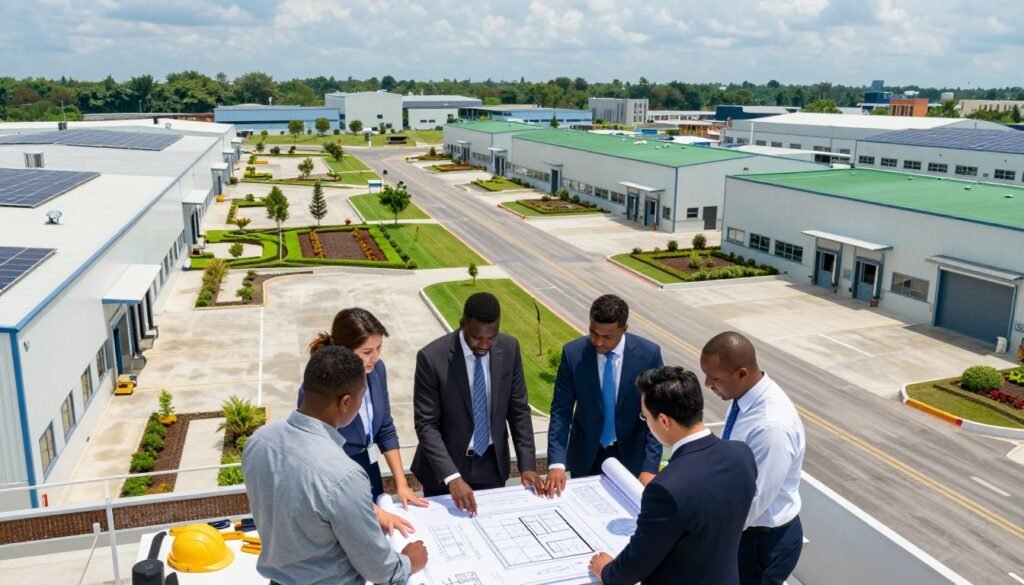
To get the most out of IOS properties, investors need to focus on key site enhancements. Making these improvements can greatly increase the value of Industrial Outdoor Storage facilities. This makes them more appealing to potential tenants and boosts their profitability.
Surface Preparation and Paving Options
The surface condition and quality are key in determining an IOS property’s suitability. Investors should look into different paving options. These can improve the site’s functionality and durability.
- Asphalt Paving: A budget-friendly choice that offers a smooth surface for storage operations.
- Concrete Paving: More durable and can handle heavy loads, perfect for busy storage areas.
- Gravel or Crushed Stone: Good for areas needing a permeable surface or where costs are a concern.
Security Infrastructure Investments
Boosting security is essential for protecting assets on IOS properties. Important security investments include:
- Fencing: High-quality fencing to keep the area secure and prevent unauthorized entry.
- Lighting: Enough lighting to improve visibility and scare off intruders.
- Surveillance Systems: CCTV cameras to watch the site and improve security.
Stormwater Management and Environmental Controls
Good stormwater management is key for IOS facilities. It prevents environmental harm and meets legal standards. Strategies include:
- Retention Ponds: To handle and manage stormwater runoff.
- Permeable Pavement: Reduces runoff and lets water soak through the surface.
- Oil-Water Separators: Treats stormwater before release, removing pollutants.
By making these site improvements, IOS property owners can greatly improve their investment’s value and efficiency.
Optimizing Site Layout for Industrial Outdoor Storage
A well-designed site layout is key for Industrial Outdoor Storage (IOS) facilities. It helps use space well, run operations smoothly, and grow in the future.
Space Utilization Planning
Using space wisely is vital for IOS facilities. You need to look at the site’s size, shape, and what’s already there. This helps plan the best layout.
Traffic Flow Patterns
Good traffic flow is essential for IOS. It means:
- Clear paths for vehicles and people
- One-way systems when needed
- Enough room for big vehicles to turn
Storage Organization Systems
Good storage systems make IOS better. This includes:
- Standard storage containers
- A clear labeling system
- Using space up with shelves or stacking
Phased Development Strategies
Phased development is smart for big IOS projects. It lets you:
- Start with what’s most needed first
- Plan for growth in the design
- Be flexible with changing needs
Future Expansion Considerations
Think about growing when planning your site layout. This means:
- Setting aside land for future use
- Designing for easy expansion
- Keeping the layout open for growth
With good planning, IOS owners can get the most from their investment. They’ll run their operations better and increase their property’s value-add.
Regulatory Compliance for IOS Facilities
Ensuring regulatory compliance is key for IOS facilities to run smoothly. They must follow many rules to reduce risks and increase their value. Staying compliant helps avoid legal trouble and boosts reputation and profits.
Environmental Regulations and Permits
Environmental rules are vital for IOS facilities. They protect the environment from industrial dangers. IOS places must follow rules on stormwater, air quality, and handling hazardous materials.
- Stormwater management plans stop pollution in nearby waters.
- Air quality rules might need dust control measures.
- Hazardous materials handling rules require proper storage and disposal.
Getting the right environmental permits is crucial. These permits need detailed documents and may involve public hearings. Working closely with agencies is key to meet all requirements.
OSHA and Safety Requirements
The Occupational Safety and Health Administration (OSHA) ensures a safe work place for IOS employees. Following OSHA rules is essential to avoid injuries and deaths.
Important OSHA rules for IOS facilities include:
- Proper training for employees handling equipment or hazardous materials.
- Regular inspections and maintenance of equipment and storage areas.
- Implementation of safety protocols for emergency situations.
By focusing on safety and compliance, IOS facilities can lower accident risks. Regular checks and training keep them in line with OSHA standards.
Tax Strategies and Incentives for Industrial Land Investors
Investing in industrial land is more than just buying property. It’s about using tax strategies to increase your investment’s value. Good tax planning can make your industrial land investment more profitable.
Property Tax Assessment Management
Managing property tax assessments is key for industrial land investors. Making sure your property isn’t over-assessed can save you a lot of money. Here are some important points to consider:
- Regularly review property assessments to find ways to lower them.
- Learn about the assessment process and how to appeal in your area.
- Think about hiring experts in property tax appeals.
By managing property tax assessments well, investors can lower their taxes and increase their investment’s profit.
Depreciation and Cost Segregation Benefits
Depreciation is a crucial tax strategy for industrial land investors. It helps reduce taxable income by understanding and applying depreciation rules. Cost segregation is a method that speeds up depreciation on certain property parts.
Cost segregation offers several benefits:
- It increases cash flow by allowing for faster depreciation deductions.
- It reduces taxable income, which can lower taxes.
- It improves investment returns by saving on taxes.
Opportunity Zones and Economic Development Incentives
Opportunity Zones, created by the Tax Cuts and Jobs Act, provide big tax benefits for investments in poor areas. Investing in industrial land in these zones can get you:
- Capital gains deferral through Qualified Opportunity Funds.
- Lower capital gains taxes for certain investment periods.
- Exemption from taxable income for long-term investments.
There are also economic development incentives at federal, state, and local levels. These include tax credits, grants, and support for industrial land projects.
By using these tax strategies and incentives, industrial land investors can increase their investment’s value. This improves overall returns and makes them more competitive in the market.
Risk Management for Industrial Outdoor Storage Operations
Risk management is key in IOS. It affects how well operations run and how much money they make. Good strategies help avoid risks in outdoor storage facilities.
Insurance Coverage Requirements
Having the right insurance is crucial for IOS. It includes property insurance for damage from disasters, vandalism, or theft. Liability insurance is also needed to handle claims from accidents or injuries.
Experts say a good insurance plan can lessen the financial hit from unexpected events. It’s important to choose experienced insurance providers. They can help make a plan that fits each operation’s needs.
Environmental Liability Protection
Environmental risks are big for IOS, like storing hazardous materials. It’s important to have strong protection against these risks.
- Regular site inspections to find environmental dangers
- Using best practices for managing stormwater
- Creating plans for spills
By tackling environmental risks early, IOS can avoid big fines and damage to their reputation.
Tenant Screening and Lease Structuring
Screening tenants and structuring leases are key to managing risks in IOS. This means doing deep background checks on potential tenants.
Lease agreements should protect the property owner. They should include indemnification clauses and insurance requirements for tenants. This helps avoid disputes and keeps income steady.
“A well-structured lease agreement is the foundation of a successful IOS operation, providing clarity and protection for both landlords and tenants.”
By using these strategies, IOS operators can make their investments more stable and profitable over time.
Real-World Success Stories: IOS Property Transformations
IOS property transformations are changing the game in industrial real estate. They offer big returns for those who do them right. Turning old industrial land into IOS facilities is a smart move for investors and developers.
“Turning industrial sites into IOS facilities is more than just a smart investment. It’s key to meeting the growing need for storage and logistics,” says a top expert.
Urban Fringe Property Conversion Case Study
A great example is turning an unused urban fringe property into a thriving IOS facility. It’s near a big transportation hub. The site was a problem because of its shape and zoning rules.
Thanks to rezoning and smart planning, it became a top IOS facility. The change included:
- Getting a variance for IOS use
- Using a phased development plan to meet demand
- Adding top-notch security and stormwater systems
This shows how smart investments in urban fringe areas can pay off big time.
Former Manufacturing Site Repurposing
Another great example is turning a old manufacturing site into an IOS facility. It had been empty for years. The site was fixed up to meet the need for storage.
- Doing detailed environmental checks to find problems
- Removing old buildings for new IOS setup
- Adding green features like solar panels and green roofs
This project made investors happy and helped the area come back to life.
“Turning old manufacturing sites into IOS facilities is good for investors and the community. It gives needed storage and makes old sites useful again.”
Brownfield-to-IOS Redevelopment Example
One tough but rewarding project was turning a brownfield site into an IOS facility. The site was polluted from old industrial use. It needed a lot of cleanup before it could be used again.
The cleanup and redevelopment steps were:
- Doing detailed environmental checks and cleanup
- Working with local officials for permits and help
- Building a top IOS facility for local businesses
This project shows how tough sites can be turned into valuable IOS properties. It made money and helped clean up the environment.
These stories show how IOS property changes can add value in industrial real estate. By picking the right sites, using creative plans, and knowing what the market wants, investors can make the most of the growing need for storage.
Conclusion: Building Long-Term Value in Industrial Outdoor Storage
Investing in industrial outdoor storage (IOS) can be very profitable. By finding underused land and making improvements, investors can meet the growing demand for these facilities.
Choosing the right site, doing thorough research, and finding creative ways to finance are key. By improving the layout and following rules, investors can make the most of their investments.
Success stories show how IOS properties can increase in value over time. As demand for IOS grows, those who have invested in quality properties will see benefits.
Investing in land with potential for improvement can lead to strong returns. With the right plan and knowledge, IOS investments can be a reliable and profitable choice.