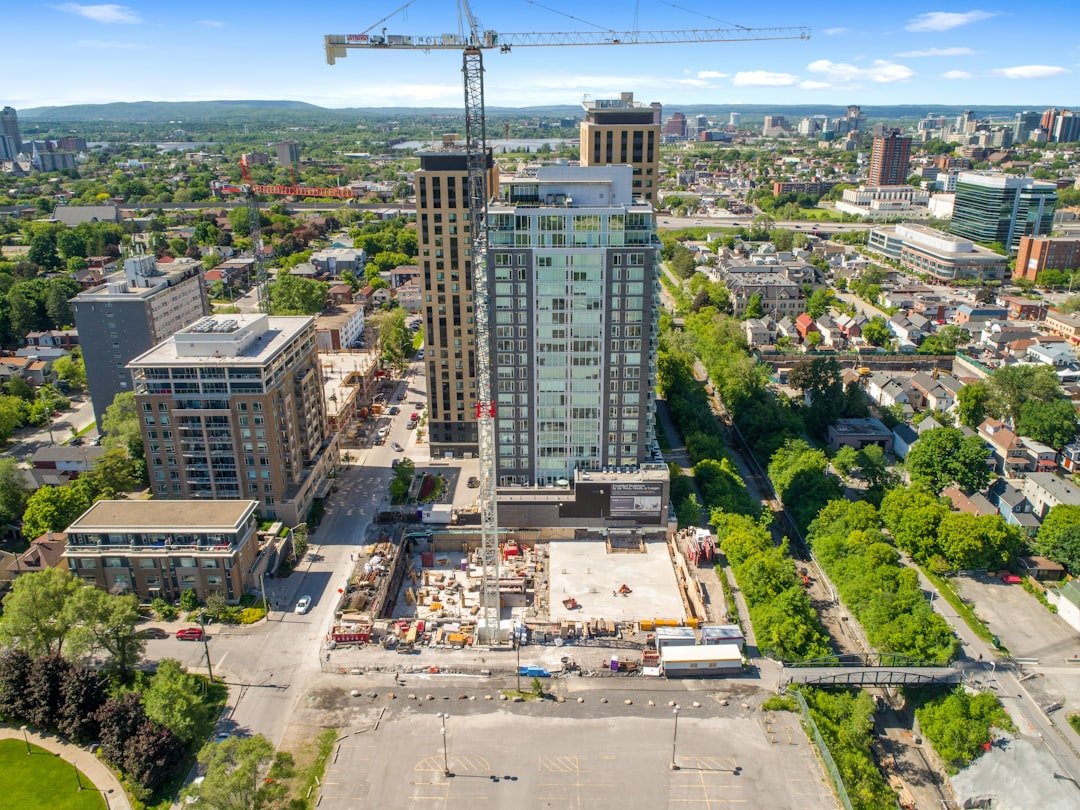


Did you know a well-prepared borrower checklist can make the commercial real estate financing process smoother?
When you’re looking for financing from Thorne CRE, being ready is key. The Thorne CRE Process has many steps. Having all your documents and info ready can greatly improve your chances.
As a sponsor, knowing what to expect and being ready can help you move through the financing process faster. This article will walk you through the important steps. It will also tell you what you need to get ready before you call Thorne CRE.
Key Takeaways
- Understand the importance of a borrower checklist.
- Learn how to prepare for the Thorne CRE Process.
- Discover the essential documents required.
- Gain insights into the commercial real estate financing process.
- Find out how to streamline your financing experience.
Understanding the Commercial Real Estate Financing Landscape
Getting through the complex world of commercial real estate financing needs a deep understanding of the market. The market is shaped by many things, like interest rates, how different types of properties are doing, and the overall economy.
Current Market Conditions in US Commercial Real Estate
The US commercial real estate market is changing, with ups and downs in interest rates and different performances in property types. Interest rates are very important because they affect how much it costs to borrow money. How well different property types are doing also plays a big role in where people choose to invest.
Interest Rate Environment and Impact on Financing
Interest rates have a big impact on getting financing for commercial real estate. When interest rates go up, it gets harder to borrow money because it costs more. But when rates go down, borrowing becomes cheaper, which can encourage more people to invest.
Asset Class Performance Trends
Commercial real estate has different types of properties, like office buildings, shopping centers, and apartments. Each type does differently in the market. Knowing how these trends work is key to finding good opportunities and avoiding risks.
Types of Commercial Real Estate Financing Available
There’s not just one way to finance commercial real estate. There are many options, each with its own good and bad points. The right choice between traditional and alternative lenders, and between borrowing money and getting investors, depends on what the sponsor needs and wants.
Traditional vs. Alternative Lending Options
Traditional lenders, like banks, offer loans with strict rules. But alternative lenders might give more flexible deals, with different expectations for risk and return.
Debt vs. Equity Structures
Debt financing means borrowing money to be paid back with interest. Equity financing means giving up some ownership for money. The choice between these depends on the sponsor’s financial situation, how much risk they’re willing to take, and their investment plan.
Why Proper Preparation Matters for Financing Success
Being well-prepared is crucial for getting good financing terms. A solid underwriting package helps sponsors move through the financing process faster, saving time and money. It also gives them an edge when making deals.
Time and Cost Savings Benefits
Having everything ready can speed up the financing process. This means less time and money spent on getting funding.
Competitive Advantage in Deal-Making
A well-prepared sponsor can negotiate better terms and close deals faster. This puts them ahead in the market.
Who is Thorne CRE and What They Offer
Thorne CRE is a trusted partner in commercial real estate. They help sponsors find financing solutions. With a deep market understanding, they offer reliable and flexible options.
Thorne CRE’s Position in the Commercial Real Estate Market
Thorne CRE is known for its expertise and extensive experience in financing various properties. Their ability to handle complex deals has earned them respect in the industry.
Company Background and Expertise
Thorne CRE’s team has seasoned professionals with deep knowledge of commercial real estate financing. They offer tailored financing solutions for each client’s unique needs.
Geographical Coverage and Market Focus
The company operates in multiple regions, focusing on key markets for commercial real estate investment. This allows Thorne CRE to tap into emerging trends and offer clients a wide range of investment opportunities.
Types of Financing Solutions Provided
Thorne CRE offers a wide range of financing solutions. From traditional loans to complex structures, they ensure sponsors can get the capital they need.
Loan Products and Structures Available
The company’s loan products include fixed-rate and floating-rate loans, mezzanine financing, and preferred equity solutions. This variety helps Thorne CRE tailor financing packages to each project’s specific needs.
Typical Deal Sizes and Property Types
Thorne CRE finances various property types, such as office buildings, retail centers, and multifamily complexes. They accommodate both small and large-scale projects that meet their criteria.
Typical Client Profile and Success Stories
Thorne CRE works with experienced sponsors in commercial real estate. Their success stories highlight their ability to meet complex client needs.
Case Studies of Successful Transactions
The company’s portfolio includes many successful transactions. These case studies show Thorne CRE’s expertise and commitment to client satisfaction.
Testimonials from Previous Sponsors
Thorne CRE’s clients appreciate their professionalism, responsiveness, and ability to deliver. One sponsor said, “Thorne CRE exceeded our expectations with a financing solution that was both timely and flexible.”
“Thorne CRE’s expertise and flexibility were instrumental in helping us secure the financing we needed for our project. Their team was professional and responsive throughout the entire process.”
The Complete Thorne CRE Process Overview
Understanding the Thorne CRE process is key for sponsors looking for commercial real estate financing. It’s designed to be thorough, ensuring all steps are taken to get financing efficiently. The process includes initial contact, document and underwriting, and closing and funding stages.
Initial Contact and Consultation Phase
The first step is the initial contact and consultation. Here, sponsors talk about their financing needs and expectations with Thorne CRE reps.
First Call Expectations and Preparation
Sponsors should be ready to share their project details, financial situation, and goals on the first call. Having all important information ready is crucial for a productive talk.
Preliminary Qualification Criteria
Thorne CRE will check the sponsor’s preliminary qualifications during the initial talk. They look at the sponsor’s creditworthiness, project viability, and other factors that affect financing decisions.
Documentation and Underwriting Stage
After the initial consultation, sponsors need to submit documents for underwriting. This stage is key to figuring out if the financing request is feasible.
Document Collection and Review Timeline
Sponsors must provide detailed financial documents, like personal and business financial statements, tax returns, and more. The time needed to collect and review these documents varies based on the project’s complexity.
Communication During Underwriting
Good communication is crucial during underwriting. Thorne CRE will work with sponsors to answer any questions or concerns that come up during the review.
Closing and Funding Timeline
The last stage is closing and funding. This stage needs careful attention to ensure all conditions are met for successful funding.
Due Diligence Requirements
Thorne CRE does thorough due diligence to check the information sponsors provide. They review property-related documents, like operating statements and rent rolls.
Final Approval and Funding Steps
After due diligence, Thorne CRE gives final approval and funds the project. Sponsors should be ready to handle any last-minute needs or issues that might come up.
| Stage | Description | Timeline |
|---|---|---|
| Initial Contact | Discussion of financing needs and expectations | 1-3 days |
| Documentation and Underwriting | Submission and review of financial documentation | 7-14 days |
| Closing and Funding | Due diligence and final approval | 14-21 days |
Essential Financial Documentation to Prepare
To make financing smooth, sponsors need to gather all financial documents first. This step is key for a successful application with Thorne CRE.
Personal and Business Financial Statements
Personal and business financial statements are key for the financing process. They show the sponsor’s financial health and what they can handle.
Balance Sheet Preparation Guidelines
A balance sheet must show the sponsor’s financial status clearly. It should list assets, liabilities, and equity accurately. It’s important to keep the balance sheet current and follow standard accounting rules.
Income Statement Requirements
An income statement details the sponsor’s income and expenses over time. It helps Thorne CRE see if the sponsor can handle the loan.
Tax Returns and Supporting Financial Documents
Tax returns and financial documents are vital for checking the sponsor’s income and stability. They give a look at the sponsor’s past financial performance.
Personal and Business Tax Return Requirements
Both personal and business tax returns are needed, usually for the last two to three years. These should include all schedules and attachments.
Schedule K-1 and Other Tax Forms
Schedule K-1 forms report the sponsor’s share of income and credits from pass-through entities. Other tax forms might include those for investment income or foreign assets.
Bank Statements and Proof of Funds
Bank statements and proof of funds show the sponsor’s liquidity and financial strength. They prove the sponsor has enough money for the deal.
Liquidity Documentation Standards
Liquidity documents should clearly show the sponsor’s cash and liquid assets. Bank statements should be recent and show enough liquidity for loan obligations.
Source of Funds Requirements
Thorne CRE needs documents to confirm the source of funds for down payments and other financial needs. This might include gift letters, inheritance documents, or business revenue statements.

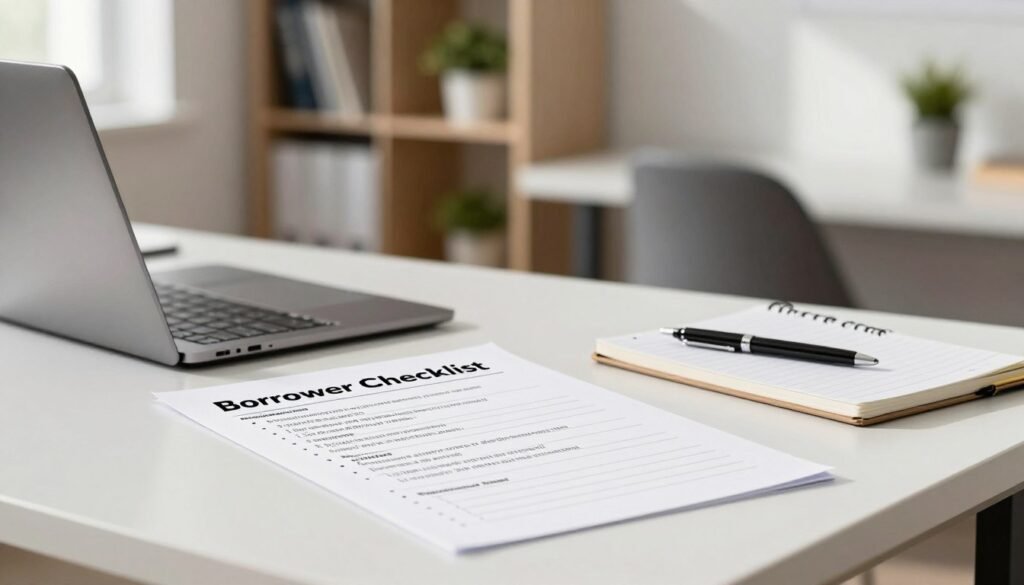
To make the application process easier, sponsors can use this checklist to ensure they have all needed financial documents:
| Document Type | Description | Required For |
|---|---|---|
| Personal Financial Statement | Overview of personal financial health | All Sponsors |
| Business Financial Statement | Overview of business financial health | Business Entities |
| Tax Returns | Personal and business tax returns for the past 2-3 years | All Sponsors |
| Bank Statements | Recent statements showing liquidity | All Sponsors |
| Proof of Funds | Documentation verifying source of funds | All Sponsors |
By preparing these essential financial documents, sponsors can make the financing process with Thorne CRE smoother.
Property-Related Documentation Requirements
When working with Thorne CRE, knowing what documents you need is key. The underwriting package for commercial real estate financing includes several important documents. These documents give a full view of the property’s financial and physical state.
Property Operating Statements and Rent Rolls
Accurate property operating statements and rent rolls are crucial. They show the property’s income and expenses. This helps Thorne CRE understand the property’s financial health and growth potential.
Historical and Pro Forma Operating Statements
Thorne CRE needs both historical and pro forma operating statements. Historical statements show the property’s past finances. Pro forma statements predict future finances under different scenarios.
Rent Roll Format and Details Needed
A detailed rent roll is essential. It includes info on current tenants, lease terms, and rental income. This document helps Thorne CRE understand the property’s cash flow and tenant lease risks.
Existing Leases and Tenant Information
Thorne CRE also needs info on existing leases and tenant creditworthiness. This includes lease abstraction and tenant credit info. It’s important for assessing the property’s income stability.
Lease Abstraction Requirements
Lease abstraction summarizes key lease terms like rent, lease duration, and renewal options. This helps Thorne CRE quickly grasp the property’s lease structure and potential risks.
Tenant Credit Information
Tenant credit information is vital for evaluating tenant creditworthiness and lease default risks. Thorne CRE uses this info to assess the property’s overall credit risk.
Property Condition Reports and Inspections
Property condition reports and inspections give Thorne CRE a full understanding of the property’s physical state and environmental risks.
Environmental Assessment Requirements
An environmental assessment is needed to find potential environmental hazards like contamination or asbestos. This helps Thorne CRE understand environmental risks and potential liabilities.
Physical Condition Documentation
Physical condition documentation, including property inspections and reports, helps Thorne CRE assess the property’s overall condition. It also identifies maintenance or repair needs.
By providing these documents, sponsors can ensure a smooth underwriting process. This increases the chances of successful financing with Thorne CRE.
Business Plan and Project Vision Documentation
To get financing, you need a solid business plan and project vision. This is key because it shows lenders if your project can make money.
Creating a Compelling Investment Narrative
A good investment story is at the core of a business plan. It should explain your project’s special value, market chance, and what makes it stand out.
Key Elements of an Effective Business Plan
- Clear project description
- Detailed market analysis
- Comprehensive financial projections
- Experienced management team overview
Highlighting Unique Value Propositions
It’s important to show what makes your project different. This could be new design, a great location, or a unique business idea.
Market Analysis and Competitive Positioning
Understanding the market is key. You need to know who your competitors are and what they offer. This helps you find your place in the market.
Demographic and Economic Data to Include
- Population growth trends
- Economic indicators such as employment rates and income levels
- Market demand analysis
Competitive Property Analysis
Looking at what others offer is important. You need to see their strengths and weaknesses. This helps you find where your project can shine.
Exit Strategy and Long-Term Vision
Having a clear exit plan is crucial for getting funding. It shows how you plan to pay back the loan, like through refinancing or selling.
Refinance vs. Sale Scenarios
Knowing the differences between refinancing and selling is key. Each choice affects your project’s finances and what investors get back.
Timeline and Milestone Planning
Having a detailed plan with milestones is important. It helps you keep track of progress and stay on schedule.
| Business Plan Component | Description | Importance |
|---|---|---|
| Market Analysis | Understanding the target market and competitive landscape | High |
| Financial Projections | Detailed financial forecasts including income statements and cash flow | High |
| Exit Strategy | Plan for repaying the loan, either through refinance or sale | High |
Understanding Thorne CRE’s Underwriting Criteria
When you apply for commercial real estate financing with Thorne CRE, knowing their underwriting criteria is key. Their process checks if a project is financially sound and if it’s a good risk.
Key Financial Metrics and Ratios Evaluated
Thorne CRE focuses on important financial numbers and ratios. These are:
- Debt Service Coverage Ratio (DSCR)
- Loan-to-Value (LTV) ratio
- Loan-to-Cost (LTC) ratio
Debt Service Coverage Ratio Requirements
The DSCR shows if a property can pay its debt. Thorne CRE looks for a DSCR of 1.2x to 1.3x. This depends on the property and market.
Loan-to-Value and Loan-to-Cost Considerations
The LTV and LTC ratios help decide the loan amount. The LTV shows the loan’s size compared to the property’s value. The LTC looks at the loan against the project’s total cost.
Sponsor Experience and Track Record Assessment
Thorne CRE also checks the sponsor’s experience and success. They look at:
- Previous project success
- The sponsor’s net worth and liquidity
Documenting Previous Project Success
Sponsors must share details about their past projects. This includes how well the projects did financially.
Net Worth and Liquidity Requirements
Thorne CRE also checks the sponsor’s financial health. They make sure the sponsor can support the project financially.
Property and Market Risk Analysis
Thorne CRE analyzes the property and market risks. They look at:
- Location and asset class
- Tenant quality and lease structure
Location and Asset Class Considerations
The property’s location and type are very important. They affect the property’s income and resale value.
Tenant Quality and Lease Structure Evaluation
Thorne CRE checks the tenants and leases. They want to know if the property’s cash flow is stable and predictable.
Preparing Your Complete Underwriting Package
To get through the complex world of commercial real estate financing, you need a complete underwriting package. This package is the base of your financing application. It gives Thorne CRE the info they need to check if your project works.
Organizing Documents for Maximum Efficiency
Getting your documents in order is crucial for a good underwriting package. Use digital file naming conventions that are clear and consistent. This makes it easy for others to find and use the documents they need.
Digital File Naming Conventions
Give your files names that tell what they are and when they were made. For example, “2023_Business_Financial_Statement.pdf.”
Document Checklist Creation
Make a detailed checklist of all the documents you need. This should include financial statements, property details, and business plans.
Digital vs. Physical Documentation Requirements
Today, most documents can be sent digitally. But, it’s important to know the rules for secure file sharing options and original document requirements.
Secure File Sharing Options
Use encrypted file-sharing platforms to keep your info safe. Thorne CRE might tell you their favorite ways to share files.
Original Document Requirements
Some documents need original signatures or physical copies. Talk about this with Thorne CRE early on.
Creating an Executive Summary for Your Package
An executive summary gives a quick look at your project. It should cover the main points and why it’s a good investment. Include key information to highlight like your goals, financial plans, and market analysis.
Key Information to Highlight
Focus on the most important parts of your project. This includes what makes it special and how it could make money.
Visual Elements and Presentation Tips
Add visual elements like charts, graphs, and images. They help make complex info easier to understand.
Common Pitfalls and How to Avoid Them
When you’re looking for financing through Thorne CRE, knowing the common pitfalls can really help. The underwriting process is key, and mistakes here can slow you down or stop your financing. Knowing these pitfalls lets you prepare better and move through the process smoothly.
Incomplete Documentation Issues
One big problem in underwriting is missing documents. It’s important to make sure all needed documents are correct and on time.
Most Frequently Missing Documents
- Personal financial statements that are not up-to-date
- Property operating statements lacking detailed financial information
- Lease agreements that are not current or comprehensive
Quality Control Checklist
To avoid missing documents, make a detailed checklist. It should include:
- All personal and business financial statements
- Tax returns and supporting financial documents
- Property-related documents, including operating statements and lease agreements
Unrealistic Projections and Expectations
Another mistake is having too high hopes for how the property will do or the market.
Market-Based Assumptions
It’s smart to base your plans on what the market really says, not just dreams. Know the current trends and what might happen in the future.
Conservative vs. Aggressive Modeling
Choosing a safe approach can make your proposal more appealing to lenders. But, being too bold might make them worry about your project’s success.
Timing and Communication Mistakes
Being on time and clear in your communication is crucial. Any delays or mix-ups can cause big problems.
Responsiveness Best Practices
- Respond quickly to any extra info requests
- Keep a clear line of communication with your underwriter
- Act fast to solve any problems that come up
Managing the Timeline Effectively
Knowing how long underwriting usually takes and planning for it can help. Keeping in touch with your financing team regularly can also keep things moving.
Setting Realistic Expectations for the Financing Process
Setting realistic expectations is key for a smooth financing journey. Sponsors must grasp the different parts of the commercial real estate financing process. This knowledge helps them navigate it well.
Typical Timeline from Application to Funding
The time from applying to getting funded varies. It depends on the deal’s complexity and the sponsor’s documentation readiness.
Major Milestones and Timeframes
Important steps in the financing process include:
- Application submission and initial review (1-2 weeks)
- Due diligence and underwriting (4-6 weeks)
- Approval and commitment letter issuance (2-4 weeks)
- Closing and funding (2-4 weeks)
Factors That Can Extend Timelines
Several factors can make the financing process longer. These include:
- Incomplete or inaccurate documentation
- Complex property structures or ownership issues
- Market volatility or economic changes
Understanding Rates, Terms, and Fee Structures
Sponsors need to know about current market rates, terms, and fees for commercial real estate financing.
Current Market Rate Expectations
Market rates change based on property type, loan amount, and other factors. As of the latest data, commercial real estate loan rates are between 6% to 8% annually.
Fee Types and Typical Amounts
| Fee Type | Typical Amount |
|---|---|
| Origination Fee | 0.5% to 1.5% of loan amount |
| Underwriting Fee | $5,000 to $20,000 |
| Closing Costs | 2% to 5% of loan amount |
Potential Roadblocks and How They’re Addressed
Despite careful planning, obstacles can still occur during the financing process.
Common Underwriting Challenges
Common challenges include:
- Insufficient collateral or property value
- Weak sponsor credit history or financials
- Complex deal structures or multiple stakeholders
Solutions to Typical Financing Obstions
To tackle these challenges, sponsors can:
- Provide additional collateral or guarantees
- Improve their credit profile or financial standing
- Simplify deal structures or negotiate with stakeholders
How to Strengthen Your Position as a Sponsor
Being a strong sponsor in commercial real estate is key. You need to focus on three main areas. These are building your track record, networking, and staying updated with market knowledge.
Building Your Commercial Real Estate Track Record
A solid track record is crucial for lenders to trust you. It means documenting your past success and showing off your wins. For newcomers, starting with smart first projects is a good way to grow your portfolio.
Documenting Past Performance
Keep detailed records of your past projects. Include financials and outcomes. This shows your skills and reliability.
Strategic First Projects for New Sponsors
Newcomers should aim for projects that balance risk and reward. This helps build your reputation in the market.
Networking and Relationship Development
Industry connections are vital. Focus on making connections that count and gaining lenders’ trust.
Industry Connections That Matter
Network with brokers, attorneys, and other sponsors. They offer valuable insights and chances.
Building Credibility with Lenders
Build a good relationship with lenders. Show you understand the market well. This boosts your credibility.
Continuing Education and Market Knowledge
Stay current with market trends and best practices. Get relevant certifications and training and use market research tools.
Relevant Certifications and Training
Getting certifications like CCIM (Certified Commercial Investment Member) boosts your knowledge and trustworthiness.
Market Research Resources
Use market reports, industry publications, and research tools. They keep you updated on market conditions and trends.
Questions to Ask During Your Initial Thorne CRE Consultation
Getting ready for your first meeting with Thorne CRE? It’s important to ask the right questions. This meeting helps you understand the financing process and sets the stage for a good partnership. By asking the right questions, you’ll be ready for what’s next and can make smart choices about your commercial real estate financing.
Understanding Their Specific Process and Requirements
To get through the financing process smoothly, you need to know how Thorne CRE works. This means understanding their process and what they expect from you.
Timeline and Milestone Questions
- What’s the usual time it takes to finish the financing process?
- What are the main steps they’ll be watching during the process?
Documentation Priority Questions
- What documents do you need, and in what order?
- Is there any document you should send right away?
Clarifying Terms, Rates, and Fee Structures
It’s vital to understand the loan’s financial details. This includes the terms, rates, and fees involved.
Rate Lock Options and Timing
- What rate lock options are available, and when can you choose one?
- How long does the rate lock last?
Fee Schedule and Payment Timing
- What fees are part of the loan, and when are they due?
- Are there any penalties for paying off the loan early?
Establishing Communication Expectations
Good communication is essential for a smooth process. You need to know how Thorne CRE will keep you updated.
Point of Contact Clarification
- Who will be my main contact during the financing process?
- How can I get in touch with them if I have questions or concerns?
Update Frequency and Method
- How often will I get updates on my loan’s status?
- What method will they use for these updates (e.g., email, phone, online portal)?
Conclusion: Maximizing Your Success with Thorne CRE
Following the advice in this article can help you succeed with Thorne CRE. Knowing the Thorne CRE Process is key to getting financing for your projects. A solid underwriting package is crucial for making a strong case to Thorne CRE.
Make sure you have all your documents ready. This includes financial statements, property documents, and a detailed business plan. Being well-prepared and knowing Thorne CRE’s criteria can boost your success chances.
Good communication and understanding the Thorne CRE Process are important. With thorough preparation and knowledge of the requirements, you can reach your goals. This will help you get the financing you need for your projects.