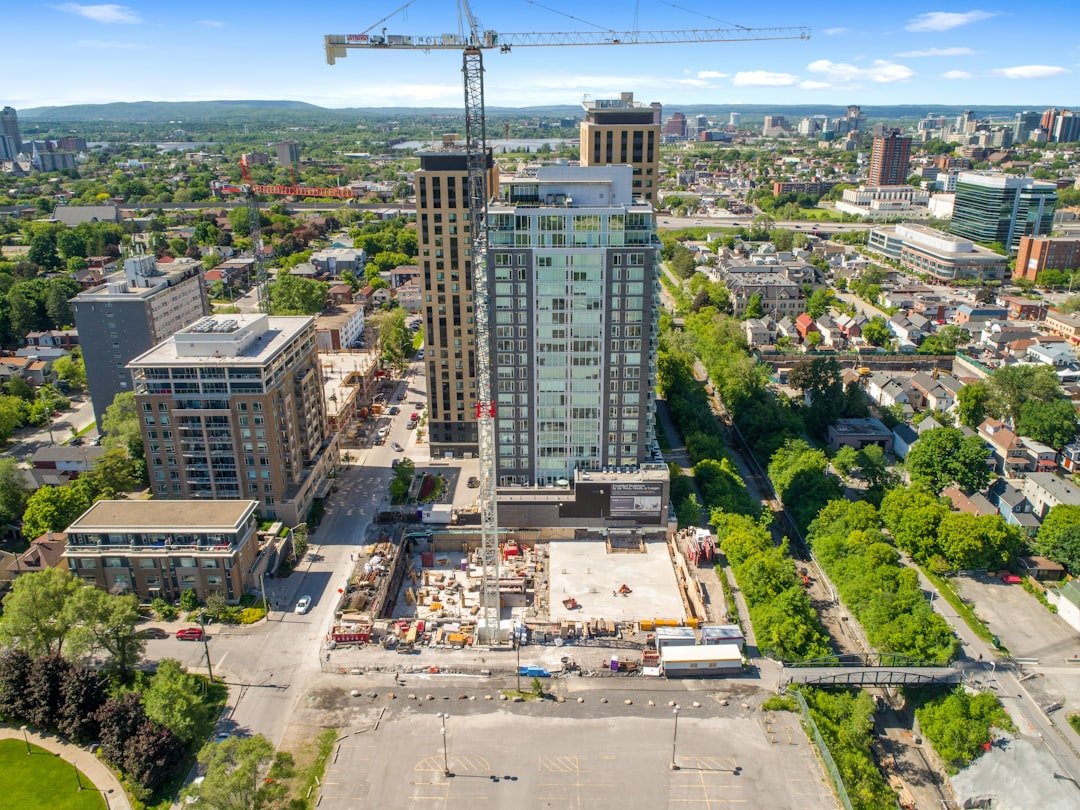


Almost one in three mid‑sized properties saw cost shifts last year that changed deal viability overnight. That scale shows why strategy matters when you buy, build, renovate, or refinance.
This page helps business owners and investors weigh options in the local market. You’ll learn how a local lending team can align loans with cash flow, growth plans, and risk tolerance.
We cover the major paths: stabilized mortgage loans, construction financing, construction‑to‑permanent solutions, and related business lending. Expect a clear look at rate types, amortization, term length, and prepayment flexibility — all factors that affect long‑term cost and agility.
Practical items are included too: property eligibility across the state, documentation needs, and credit approval basics. Use this as a decision framework to compare options and prepare to speak with a lender efficiently.
Key Takeaways
- Strategy, timing, and structure shape long‑term cost and flexibility.
- A local lending team can tailor terms to operational priorities.
- Different loan paths fit different goals: buy, build, or refi.
- Rate type, amortization, and prepayment terms matter as much as the rate.
- Know property eligibility, documentation, and credit standards before you apply.
Commercial Real Estate Financing in Iowa: What Business Owners and Investors Need Today
Choose the funding path that matches your timeline and cash-flow needs.
Common goals are straightforward: acquire an owner-occupied building, refinance to improve cash flow or reduce uncertainty, or fund ground-up construction or a major renovation.
Owner-occupied loans focus on the business’s stability and repayment capacity. Lenders look at payroll, revenue trends, and how the property supports operations.
Investment property underwriting centers on performance. Rent rolls, vacancy history, and projected NOI matter most because rental income can help support mortgage payments and strengthen a loan application.
- Borrowers typically want predictable payments, flexibility to sell or refinance, and a term that fits their plan.
- Lenders will request basic financials, property details, and the stated purpose of funds early to reduce friction.

Deciding the best path depends on whether the asset is stabilized, under construction, or transitioning. The next section walks through loan types that align with each situation.
Iowa Commercial Real Estate Financing Options Built Around Your Strategy
Successful deals begin with a clear menu of funding options tied to business goals.

Commercial mortgage loans for stabilized properties
When a property produces steady income, a commercial mortgage loan can buy or refinance the asset. Lenders offer fixed or variable rates, fully amortizing terms, and balloon structures to match cash flow and exit plans.
Commercial construction loans for building or renovating
Construction loans fund ground-up builds or major renovations. These short-term loans use draw schedules and often carry interest-only payments while work proceeds.
Construction-to-permanent paths to simplify the transition
A construction-to-permanent loan converts to long-term repayment after completion. This reduces friction by keeping the project with one lender and avoiding a separate closing.
Business loans and lines of credit that complement property funding
Supplemental business lending supports tenant improvements, equipment, or working capital during growth. Lines of credit add liquidity while a property loan secures the asset.
- Match product to goal: growth, stability, or faster payoff should guide the choice.
- Structure matters: terms, amortization, and prepayment options change long-term cost.
- Credit review is central: strong documentation speeds approval and strengthens negotiation.
Loan Rates, Terms, and Structures That Shape Total Cost
Loan structure and payment rhythm often determine how much you pay over the life of a project. Total borrowing cost includes more than the posted rate. Rate type, amortization, term length, and exit flexibility all affect long‑run outcomes.
Fixed versus variable is a core choice. Fixed rates give budgeting certainty and protect against rate spikes. Variable rates can lower early payments and track market moves, but they add interest-rate risk.
Some lenders offer fixed-rate options up to 15 years for borrowers seeking predictability, typically subject to underwriting qualifications. For longer horizons, borrowers sometimes use interest rate swaps to achieve de facto long-term fixed exposure.
Amortization and balloon choices
Fully amortizing loans repay principal gradually across the term. That produces steady equity growth and predictable paydown.
Balloon structures lower near-term payments but require a lump-sum at maturity. These suit borrowers planning a sale, refinance, or short holding period.
Term length and prepayment flexibility
Flexible terms up to 25 years can reduce periodic obligations, though longer terms raise total interest paid. No prepayment penalties add strategic freedom—easier refinancing when rates fall or selling without added cost.
- Plan with facts: lenders will review credit, cash flow, and property fundamentals to match structure to risk.
- Consider swaps: an option for borrowers who need long-term fixed certainty but face shorter fixed-rate products.
Commercial Properties We Can Finance Across Iowa
Use this quick guide to confirm which property classes qualify for specialized loan options and business lending.
Office and professional spaces
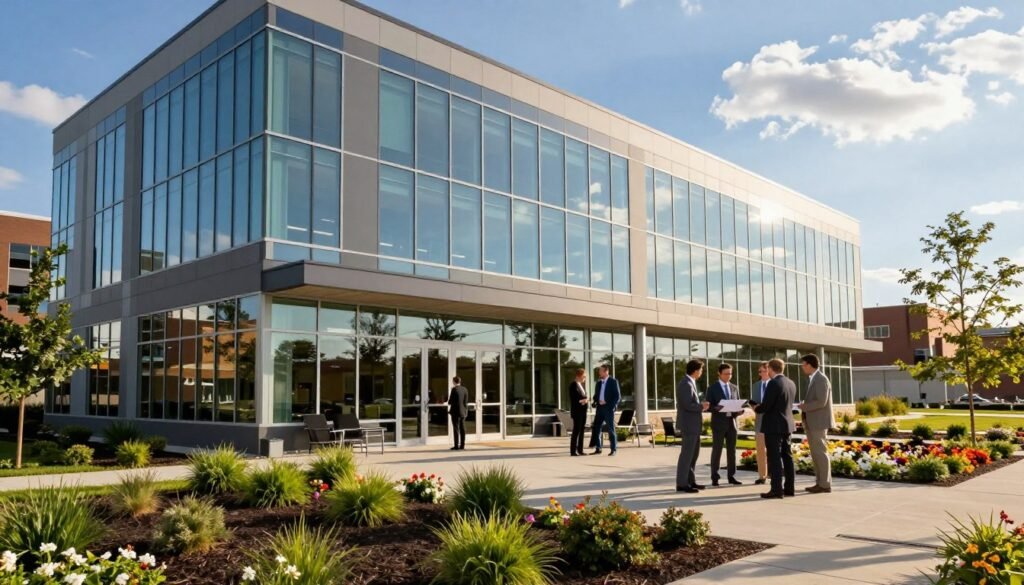
Medical practices, dental clinics, and law firms often seek ownership to control location and build equity.
Underwriting looks at stable cash flow from the practice and tenancy details to assess repayment capacity.
Retail and mixed-use properties
Strip centers, storefronts, and mixed-use buildings require close review of tenant mix, lease terms, and foot traffic.
Location fundamentals and lease length influence loan structure and amortization choices.
Light industrial, manufacturing, and warehouse
Functionality and expansion potential matter most. Lenders review clear heights, loading, and utility capacity.
These assets suit businesses needing operational flexibility and long-term usability.
Apartments, multi-family, and rental portfolios
Borrowers can use rental income and occupancy history to support loan requests.
Portfolios that include 1–4 family rentals are common and can be financed alongside larger apartment buildings.
Mini-storage and specialty assets
Self-storage and niche asset classes offer alternative demand drivers and diversified revenue for investors.
| Property Type | Typical Use | Underwriting Focus | Why Borrowers Choose It |
|---|---|---|---|
| Office / Professional | Medical, legal, administrative | Stability of practice revenue | Control location; long-term ownership |
| Retail / Mixed-Use | Shops, restaurants, ground-floor retail | Tenant mix & lease terms | Income diversity; walkable locations |
| Industrial / Warehouse | Manufacturing, storage, distribution | Functionality & expansion potential | Operational efficiency; scale |
| Multi-family / Rentals | Apartments; 1–4 family units | Occupancy and rent roll | Steady cash flow; portfolio growth |
| Specialty / Mini-Storage | Self-storage, niche assets | Market demand and low operating cost | Diversified income; resilient demand |
Commercial Construction Financing: How the Process Works
Building or remodeling requires a tailored short-term loan that matches draws to verified milestones.

Short-term construction funding covers hard and soft costs during the build. Lenders approve a defined timeline and a draw schedule so funds are available as work completes.
Draw schedules and milestone disbursements
Funds are released in stages tied to inspections or contractor sign-offs. That keeps disbursements aligned with actual progress and reduces idle capital.
Interest-only payments during the build
During construction, borrowers typically pay interest only on amounts drawn. This lowers early cash needs while the asset is not yet producing income.
Planning for post-completion payments
After the build, full principal-and-interest payments begin and monthly obligations rise. Plan a takeout strategy early — whether refinancing into a longer-term loan or using a construction-to-permanent product.
- Readiness checklist: contractor agreements, detailed budget, timeline, and contingency reserves.
- Credit prep: organize financials and permits to speed approval.
- Risk alignment: match scope, terms, and rates to avoid budget strain.
For tips on locking favorable terms and managing rate exposure, see secure the best possible rate.
Financial Advantages and Business Outcomes of Owning vs. Leasing
Owning a workspace can change how you manage costs and long-term value for your business.
Building equity and controlling overhead instead of paying rent
Ownership directs monthly payments toward an asset. Over time, equity grows as principal is paid down.
Compared with leasing, ownership offers predictability and control over layout, improvements, and future use.
Potential tax benefits: depreciation, mortgage interest, and expense write-offs
Tax advantages may include depreciation, mortgage interest deductions, and the ability to write off many maintenance expenses.
Results vary by structure and use. Consult a tax advisor to confirm which deductions apply to your situation.
- Ownership can reduce exposure to rent increases and improve long-term balance-sheet strength.
- Equity-building shifts money from pure occupancy cost into an appreciating asset.
- The right loan structure can stabilize occupancy costs while preserving cash for operations and growth.
Why Work With a Local Iowa Lending Team for Commercial Real Estate Loans
Regional lenders often spot underwriting issues early and help you fix them before an application stalls. That speed and practical focus cut friction and keep projects on schedule.
Tailored solutions aligned to business goals
MidWestOne and DuTrac highlight structuring that matches company plans. That means loans built around growth, cash flow, or an exit strategy — not a one-size-fits-all product.
Competitive rates through relationship-focused lenders
Relationship lenders can offer strong rates while valuing long-term partnerships. This often yields flexible terms, including options with minimal prepayment friction.
Local market guidance and a simplified application
Expect clear checklists, faster feedback loops, and fewer surprises during underwriting. Local teams know neighborhood demand and property nuances that matter to underwriters.
Credit approval and documentation readiness
- Key approval factors: cash flow, experience, leverage, and property fundamentals.
- Prepare a short intake packet: purpose, property details, and recent financials to speed review.
Use loan and affordability calculators to model outcomes and stress-test scenarios before you apply. Ready documents and good forecasts put you in the best position to secure competitive commercial real estate financing and move confidently toward closing.
Conclusion
Successful deals hinge on aligning funding choices with a defined operational plan and cash-flow forecast.
Clarify your goal first—purchase, refinance, or construction—then pick the product that fits. Optimize structure around rate type, term length, and prepayment flexibility to control long-term cost.
Plan for balloon risk and refinance timing, and stress-test post-construction payments so monthly obligations remain sustainable. Review property eligibility early and assemble permits, financials, and lease data to streamline credit review.
Ownership can build equity, control overhead, and offer tax benefits—consult a tax advisor for specifics. Contact our lending team to discuss goals, timing, and a preliminary scenario review.
Note: loan availability and terms depend on credit approval and qualification (all loans subject to final approval by MidWestOne).