

Surprising fact: 72% of recent projects moved ahead faster when lenders offered local underwriting and flexible amortization, trimming weeks from closing timelines.
This page helps borrowers choose the right strategy for purchases, refinances, and new projects. It focuses on practical, local support for owners, investors, and developers who need clear options, timelines, and expectations.
What matters most: competitive rates, flexible structures, and a streamlined experience backed by local decisions. You’ll see typical paths — acquisition, refinance, construction, bridge, and permanent takeout — and why proper structure affects cash flow and risk.
Terms and amortization can be tailored to your project and operating model rather than forcing a one-size-fits-all approach. Expect guidance on comparing programs, preparing documentation, and avoiding common deal delays so your project moves forward.
Key Takeaways
- Local underwriting speeds decisions and reduces surprises.
- Flexible amortization and structures support varied project needs.
- Compare programs for rates, terms, and exit strategies.
- Prepare documentation early to avoid common delays.
- Structure choices directly impact cash flow and risk.
Indiana Commercial Real Estate Financing Solutions for Purchases, Refinances, and New Construction
Tailored borrowing options help owners and investors match capital to project timelines and cash-flow needs. Programs support purchases, refinances, construction, and adaptive reuse with customizable repayment schedules.

Owner-occupied versus investment scenarios
Owner-occupied properties usually receive underwriting based on business cash flow and occupancy. Lenders price and structure loans differently when a business occupies the building versus when it’s held as an investment.
Common financing goals
Borrowers look to buy a building, refinance to lower payments, fund rehabs, or move from interim to permanent financing. Adaptive reuse—repositioning an older asset—requires clear scope, budget, and a stabilization plan to satisfy lender review.
Rates, terms, and amortization
Competitive rates and flexible terms can lower monthly payments and improve debt service coverage ratios, freeing cash to reinvest in operations. Shorter amortization speeds paydown; longer amortization improves immediate cash flow.
Lenders want a clear project narrative, relevant borrower experience, and a realistic repayment plan. The best structure depends on property type, timeline, and whether the deal is a purchase, refinance, or new build.
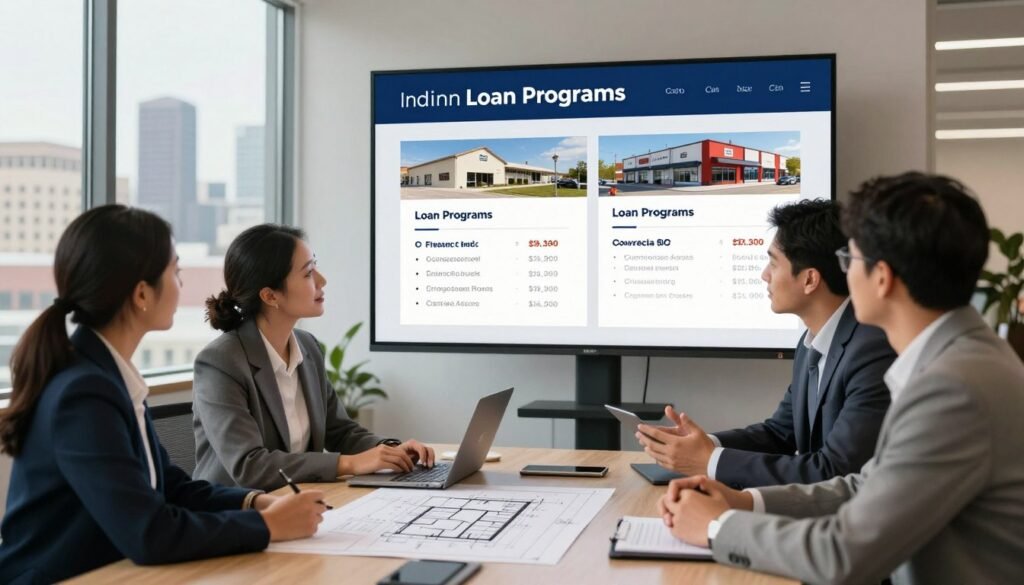
Loan Programs Built for Indiana Properties and Buildings
Lenders offer a range of program types to match project timelines, collateral profiles, and cash-flow needs.
Purchase and refinance options: Many institutions provide loans for purchases and refinance up to 80% loan-to-value when borrowers meet credit and underwriting standards. These real estate loans may be structured as short-term bank facilities or longer-term amortizing notes depending on collateral and cash flow.
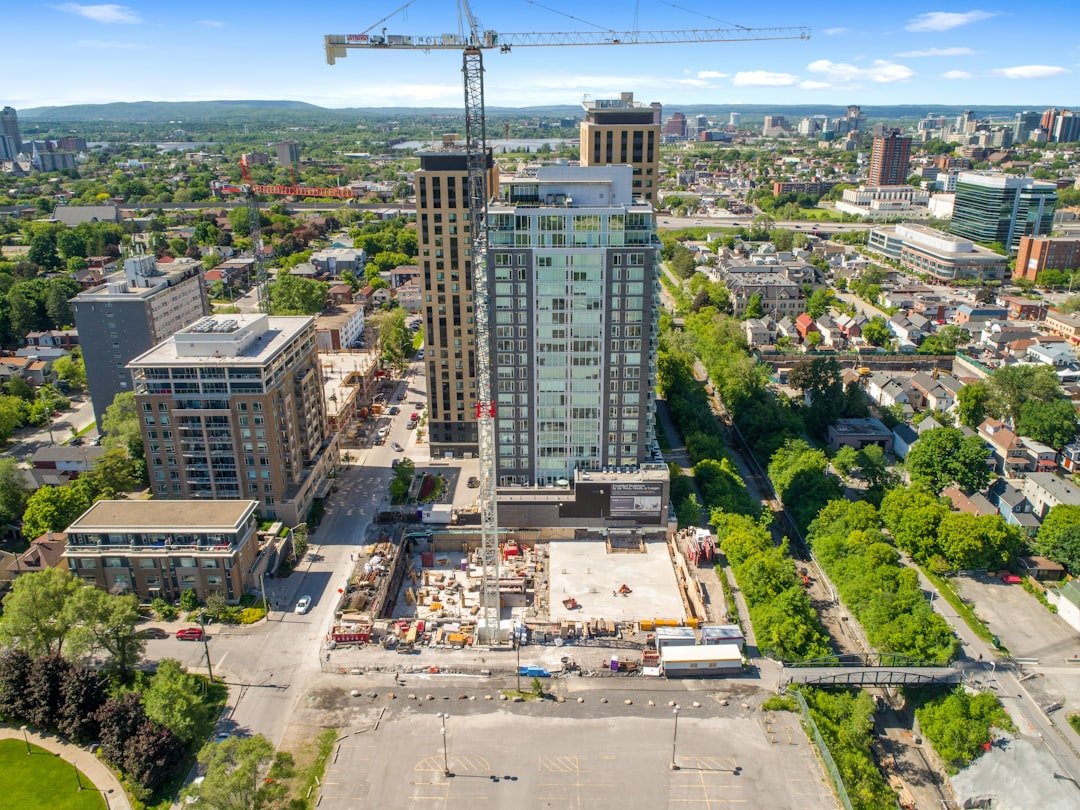
Construction and construction-to-permanent
Construction lending commonly uses draw schedules, periodic inspections, and contingency reserves. Construction-to-permanent setups can reduce refinance risk by converting the interim loan once stabilization is complete.
Bridge, term, and investment uses
Bridge loans fill timing gaps for lease-up or capital work. Term loans are better for stabilized investment assets with steady income and defined amortization.
Tax credit and equity bridge
Tax credit lending (LIHTC, NMTC) often needs equity bridge support because investor equity arrives on a schedule. Coordinated documentation and specialized underwriting teams help keep incentive-driven projects on track.
- Supporting solutions: lines of credit, equipment and inventory financing, and SBA loans provide working-capital and operational support.
Bottom line: pick the program that aligns term, draws, and collateral with your project timeline and operating plan to reduce risk and meet goals.
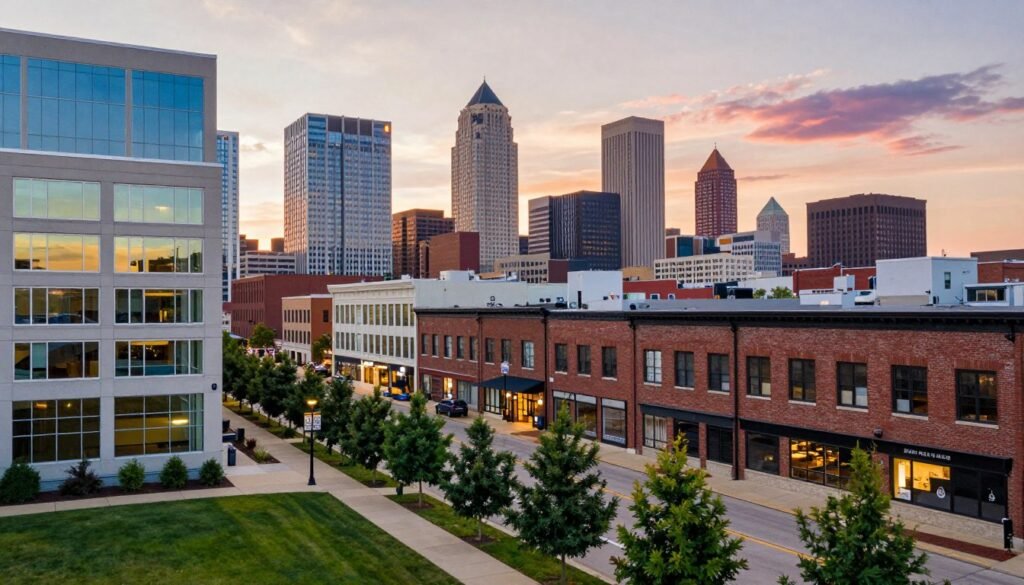
Commercial Property Types We Commonly Finance Across Indiana
The type of building you own drives valuation, underwriting focus, and loan structure. Lenders look at use, tenant strength, and income stability when pricing and structuring offers.
Industrial, warehouse, and light industrial
Lenders focus on functional utility, clear loading and dock features, and tenant credit. Long-term leases and minimal vacancy improve a lender’s view of risk and support better terms.
Office, medical, and professional spaces
Underwriting centers on tenant mix, lease rollover timing, and buildout quality. Medical offices often score well when specialized tenants have stable revenue and long leases.
Retail and anchored centers
Anchor tenants reduce risk. Co-tenancy clauses and location fundamentals affect valuation. Strong foot traffic and a healthy tenant roster lead to more favorable loan options.
Multifamily and residential investment
For five-unit-plus apartment buildings, lenders review occupancy, in-place rents, and market comparables. Stable cash flow and good operating history support larger loan amounts.
Special-use properties
Churches and mini storage can be financeable but need tailored analysis. Expect lenders to require more detailed appraisals and use-case reviews.
Bottom line: work with local lending partners who match each property’s traits to the right program, reducing risk and aligning terms with your goals.
How Today’s Lending Standards Impact Credit, Terms, and Investment Returns
Today’s debt markets demand clearer evidence of sustained cash flow and practical contingency plans. Lenders evaluate credit quality alongside global cash flow and debt service coverage ratios. Clean, timely documentation speeds approvals and improves pricing.

Understanding credit, cash flow, and debt service expectations
Lenders size and price loans based on historic and projected property income. A strong DSCR raises allowable leverage and lowers rates. Weak or speculative cash flow pushes lenders to tighten covenants and require reserves.
Prepayment considerations and long-term flexibility
Ask about prepayment language early. Some lenders advertise no prepayment penalties, while others offer customized repayment terms. No-penalty options can improve refinance timing and refinance economics.
- Estimate cash-on-cash returns with different rate and amortization scenarios.
- Build a DSCR cushion for performance dips or lease-up periods.
- Match repayment structure to your operational plan so the business can fund improvements without stress.
Right underwriting ties valuation to how the asset performs day to day. That link drives approval, sizing, and your long-term investment returns in the real estate market.
Fast-track commercial financing
A Streamlined Financing Process Led by a Local Indiana Commercial Lending Team
A local lending team can accelerate your transaction by cutting approval layers and answering questions face to face. That close contact means fewer handoffs, clearer communication, and faster resolution of underwriting questions.

Fast responses and realistic timelines
Expect rapid replies from an on-site team that understands regional markets and business cycles. Fast processing is a differentiator, but third-party tasks like appraisals, environmental reviews, and title work still set outside timing constraints.
What to prepare: document checklist
- Entity formation docs, operating agreements, and ownership charts
- Personal and business financial statements and recent tax returns
- Rent roll, leases, project budget, contractor info for construction work
Providing a complete package upfront reduces re-trades and helps the lending team structure solutions that match cash-flow needs and timelines.
Relationship-based guidance and servicing
Local teams advise when to refinance to improve cash flow, when a construction facility makes sense, and how to plan an exit for investment scenarios. They tailor loan solutions to the project and the business needs.
| Stage | Borrower Action | Team Role |
|---|---|---|
| Application | Submit full docs | Quick intake & checklist review |
| Underwriting | Respond to questions | Local decisions, faster answers |
| Closing | Sign documents | Coordinate funding & optional auto-pay setup |
Transparency matters at every step. Know what to expect at application, underwriting, approval, closing, and funding—and what you can do to keep momentum.
Conclusion
The right lending outcome starts with a clear goal for the property and a loan that fits cash flow. Define the asset, state the purpose, and pick the structure — purchase, refi, construction, bridge, or permanent — that matches timing and risk.
Pair the chosen program with a tidy documentation package and a realistic timeline to avoid delays. Evaluate lenders on more than rate; local execution, responsiveness, and customization often protect schedule and budget.
Top differentiators are competitive rates, tailored repayment terms, and local support that helps deals close faster. To learn practical rate and structuring tips, see how to secure the best possible.
Ready to move forward? Connect with a local commercial lender to discuss goals, timing, and next steps for your business.