

Surprising fact: in the last 90 days Birmingham closed 303 deals, with an average loan near $20 million.
This guide is a buyer’s playbook for anyone in Alabama evaluating financing in a rate-sensitive market. By “strategic” we mean matching loan structure to your timeline, property type, and risk profile.
Lenders and underwriting have tightened as rates changed. Expect shifts in pricing, leverage, and coverage ratios — especially for income-producing assets.
We will preview major options: conventional bank loans, SBA-backed programs, and short-term or private lending — and explain when each tends to win.
Use Birmingham’s deal activity and a competitive 5-year fixed at 6.88% as a credibility anchor: capital is moving, but terms vary by property, sponsor strength, and tenant mix.
The guide includes practical numbers — typical structures, rate examples, terms, fees, and documentation — so you can compare quotes and preserve working capital while reducing refinance risk.
Key Takeaways
- Match loan structure to timeline and property type to reduce refinance risk.
- Expect tighter underwriting and lower leverage as rates impact pricing.
- Conventional, SBA, and private short-term loans each win in different scenarios.
- Birmingham deal volume shows capital flow, but terms depend on sponsor and tenants.
- This guide gives practical figures to compare quotes and choose the right lender fit.
Commercial Real Estate Financing in Alabama: What Today’s Market Signals for Buyers
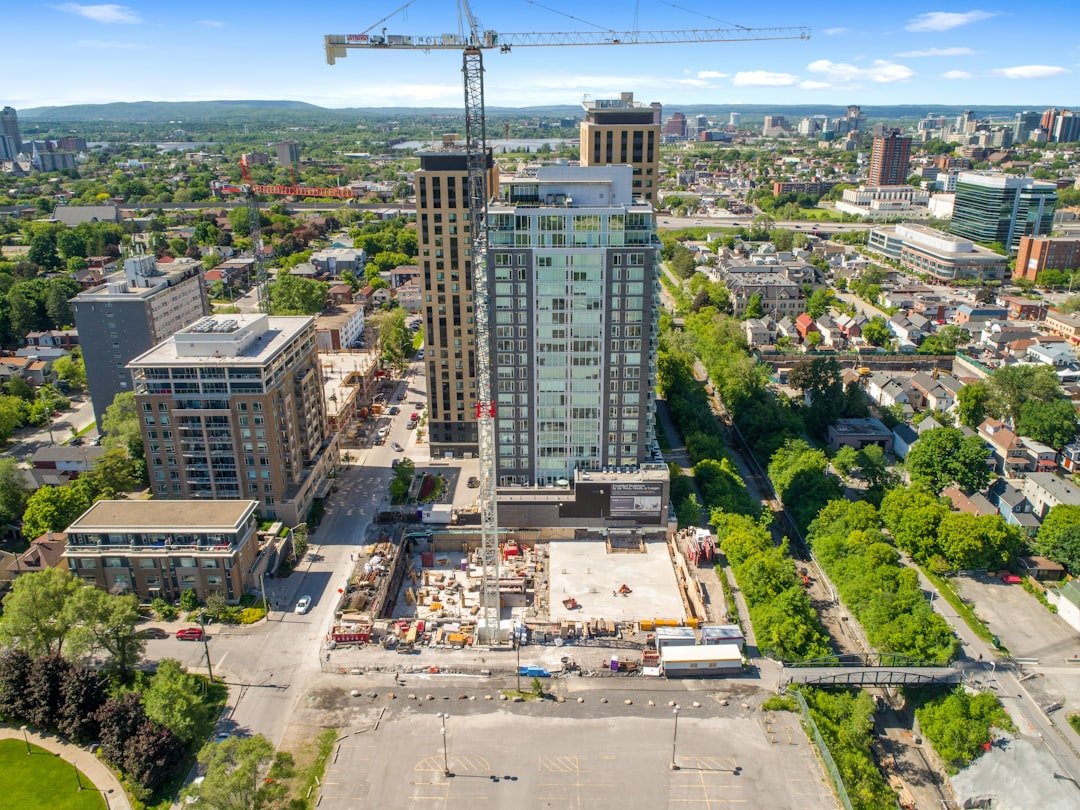
Recent deal velocity in Birmingham offers a clear signal about buyer demand and lender behavior. Across 303 deals in the last 90 days, activity ranged from 230 residential to 17 apartments/mixed-use and 21 land transactions. That level of volume shows there is active competition for well-located properties.
Birmingham deal activity snapshot and what it suggests about demand
High deal counts mean buyers must move quickly and present clean underwriting. In tight windows, speed and documentation quality can beat a slightly better rate.
How interest rates shape pricing, underwriting, and repayment planning
Higher interest rates push cap rates and tighten debt-yield tests. Lenders will stress-test NOI more conservatively, affecting leverage and covenants. A competitive 5-year fixed at 6.88% is useful as a reference, but quote comparability matters.
Typical loan size expectations and what “average” looks like in major metros
The $20M average loan amount reflects large portfolio deals. Many owner-operators and small investors will seek much smaller amounts. Compare rate, fees, prepayment terms, and balloon risk when evaluating offers from regional, national, and community lenders or debt funds.
- Takeaway: In today’s market, underwriting quality and speed can be as important as shopping the lowest rate.
Clarify Your Project Type and Funding Needs Before You Talk to Lenders
Clarifying whether you plan to buy, build, or renovate is the first step that shapes every loan choice.
Acquisition, construction, and renovation each map to different loan products, timelines, and documentation. Construction and heavy renovation usually need staged funding, draw controls, and a contingency budget. Lenders that underwrite development risk will ask for detailed plans and contractor bids.

Owner-occupied vs. investment properties
Occupancy changes available options and pricing. SBA-style programs favor owner-occupied uses and often require a defined occupancy threshold. Investors face stricter DSCR and reserve requirements.
What lenders underwrite
Key numbers are simple: DSCR for income properties, global cash flow for operating businesses, sponsor credit and liquidity, plus collateral coverage. Down payment needs shift by condition, tenant mix, and whether the borrower is an owner-user or investor.
First-lender checklist
- Purchase contract or LOI
- Recent rent roll and operating statements
- Plans, bids, and phased budget for construction
- Sources-and-uses summary and sponsor financials
| Use | Typical funding | Key lender focus | Equity need |
|---|---|---|---|
| Acquisition | Permanent loan | Credit, collateral, DSCR | 10–30% |
| Construction | Staged draws | Plans, budget, builder vetting | 20–35% |
| Renovation | Rehab/bridge | Scope, contingencies, exit plan | 15–30% |
| Owner-occupied | SBA-style or bank | Occupancy %, business cash flow | 10–25% |
Bottom line: clear scope and clean documents speed approvals and often improve leverage when you compare loans across lenders.
Alabama Commercial Real Estate Financing Options Compared
Choosing the right capital source starts with a clear view of what each lender type delivers and at what cost.
Conventional bank and credit union loans
Local and national banks offer structured loans with 5- or 10-year terms and common amortization schedules. Balloons and covenants can appear, and some loans include recourse to sponsors.
When to choose this option: stable properties, strong sponsor credit, and when low ongoing cost matters.
SBA-backed lending versus traditional institutions
SBA programs target owner-users with longer terms and lower down payments. They are purpose-built for business growth and often beat banks on amortization and stability.
Use SBA when you meet occupancy rules and want fixed, long-term repayment.
Debt funds and short-term products
Debt funds provide speed and flexibility for bridge, fix-and-flip, and ground-up construction. Underwriting is asset-focused and pricing is higher with shorter terms.
Bridge lending suits timing gaps, lease-up, or quick takeouts. Avoid it if a refinance isn’t certain—refi risk can raise costs later.
- Decision filters: timeline to close, property condition, borrower experience, documentation readiness, and price tolerance.
- Evaluate total cost: rate, fees, prepay terms, and balloon/refi risk — not rate alone.
| Source | When it wins | Trade-off |
|---|---|---|
| Bank / Credit Union | Lower long-term cost | Slower, stricter covenants |
| SBA | Long terms, low down | Complex eligibility |
| Debt Fund | Speed and flexibility | Higher cost, short term |
Why SBA 504 Loans Are a Core Strategy for Alabama Businesses Buying Property
For businesses that plan to occupy and expand their operations, SBA 504 offers long-term, fixed-rate capital tailored to growth and job creation.

What the program finances and how to frame your case
SBA 504 provides funding for major fixed assets that support business expansion and hiring. Use underwriting to show operational capacity, hiring plans, and how the space increases revenue.
Buyer-facing advantages that matter
Typical structures allow as low as 10% down with extended repayment terms—up to 25 years for real estate and 10 years for equipment.
Low down payment, fixed rates, and long terms make monthly costs predictable and preserve working capital for growth.
When SBA 504 beats a conventional loan
SBA 504 often wins when banks demand higher equity, shorter fixed periods, or stricter covenants. It is especially useful for owner-occupied buyers who prefer long-term stability.
- Not designed for passive rental investments — it is an owner-user tool.
- Fit test: owner-occupied, stable cash flow, documented repayment ability, and a plan for growth.
- CDC partners such as Alabama Small Business Capital coordinate the SBA debenture; borrowers still need a first-lien bank partner.
| Feature | SBA 504 | Typical Bank Loan | Best fit signal |
|---|---|---|---|
| Down payment | As low as 10% | Often 20–30% | Owner-occupied buyer with limited cash |
| Rates & terms | Fixed rates; up to 25 years | Shorter fixed periods; may be variable | Preference for payment predictability |
| Use | Major fixed assets to spur growth | Wide use, may limit owner-occupancy perks | Growth plans and job creation |
SBA 504 Eligibility in Alabama: Who Qualifies and Who Doesn’t
Start by confirming basic business eligibility. A quick gate check saves time and prevents wasted lender meetings.
Core thresholds are simple to verify: the program is for for-profit U.S. businesses with a tangible net worth under $20 million and net profit under $6.5 million (after taxes) for the two years before application.
Occupancy rules matter. SBA 504 requires the borrower to be an active, owner-occupying business. Passive ownership of properties or property-flipping schemes typically fail the test.
Common ineligible businesses
- Non-profits, lending or insurance firms, gambling and speculative flippers.
- Religious or political organizations and entities in tax default.
- Businesses with prior unresolved federal loan losses (including PPP/EIDL defaults).
| Gate | Threshold | Why it matters |
|---|---|---|
| Tangible net worth | <$20M | Program size standard |
| Net profit | <$6.5M (2 yrs) | Shows sustainable cash flow |
| Occupancy | Owner-occupied | Ensures active business use |
Credit and personal guarantees still matter. Lenders will review business and owner credit, cash flow, collateral, and management strength even with SBA backing.
Practical tip: align entity structure, ownership shares, and operating plans with eligibility rules before signing a purchase contract. Eligibility is necessary but not sufficient—underwriting will still evaluate the full risk picture.
SBA 504 Rates and Terms in Alabama: What Borrowers Could Expect in Mid-2025
Knowing June 2025 fixed rates makes it easier to compare predictable SBA-backed payments with variable market options.

June 2025 fixed debenture examples
| Term | Debenture | Refi |
|---|---|---|
| 25 years | 6.376% | 6.405% |
| 20 years | 6.395% | 6.420% |
| 10 years | 6.218% | 6.254% |
Repayment for real property can extend up to 25 years, while equipment typically caps at 10 years. Term selection affects monthly payment size, total interest paid, and long‑range flexibility.
Fixed stability vs. variable options
Fixed interest rate debentures lock predictable payments and lower refinancing risk. Variable commercial loans may start lower but expose owners to rate swings if the market moves up.
- Use longer terms to match asset life and ease monthly cash flow.
- Choose fixed rates when predictability matters; consider variable only with a clear exit plan.
- Remember: final pricing still depends on the first‑lien bank, borrower profile, and collateral.
How the SBA 504 Deal Structure Works and What It Costs
The 504 model uses three parties to reduce cash needs and extend term certainty. A senior lender provides a first lien, a CDC issues an SBA‑backed debenture, and the borrower supplies the equity.
Typical three-party split
The standard split lets a bank cover about 50% of a project, the CDC/SBA about 40%, and the borrower as little as 10% down. This pairing lowers immediate cash outlay while keeping durable repayment terms.
Example: $1,000,000 project
| Source | Percent | Amount |
|---|---|---|
| Bank (first lien) | 50% | $500,000 |
| CDC / SBA debenture | 40% | $400,000 |
| Borrower equity | 10% | $100,000 |
Use-of-proceeds and exclusions
Eligible uses include purchase of land and existing buildings, new construction, renovation, and equipment with a 10‑year useful life. Refinancing eligible CRE debt may qualify.
Ineligible uses include working capital, inventory, broker commissions, and bank attorney fees. Know exclusions early to avoid delays.
Costs and working capital strategy
Expect cost components from the bank (first‑lien pricing and fees), CDC/SBA fees in the debenture, and standard closing costs. These influence effective rates and cash needed at close.
Preserving working capital is a core benefit: lower down payment frees cash for hires, tenant improvements, and contingencies. Higher leverage helps liquidity but increases the need for stable cash flow and careful repayment planning.
Applying for SBA 504 in Alabama: Process, Timeline, and Documentation
Map the approval steps before you sign so contract deadlines and contingencies align with lender timing. A clear plan reduces re-trades and helps preserve negotiated terms.
Six-step application path
- Eligibility review — borrower confirms program fit with the CDC and bank.
- Underwriting & document collection — bank and CDC gather statements, tax returns, entity docs, and project quotes.
- SBA approval — typical turnaround is ~14 days after a complete submission.
- Closing — usually 2–3 weeks after SBA sign-off.
- Funding — roughly 45 days post-closing unless construction timelines extend that window.
- Servicing — ongoing reporting and covenants through the loan life.
Practical timing notes and docs
Construction projects often extend schedules and need interim draws or bridge funding. Plan for extra contractor bids, draw schedules, and inspection steps.
Checklist: three years of business tax returns, personal returns for principals, business and personal financials, articles/operating agreement, purchase agreement, equipment quotes, and a brief business plan that ties the property to operations and cash flow.
Tip: present clean quotes and a concise operations story to lenders early. This improves leverage, shortens review, and lowers the chance of late-term changes to the cost or loan offers.
Refinancing Commercial Real Estate Debt With SBA 504 in Alabama
For businesses facing balloon maturities or rate resets, SBA 504 refinancing is a tactical way to stabilize costs.
Potential outcomes: borrowers can secure lower monthly payments, fixed rates, and long amortization up to 25 years with no balloons. Updated rules may allow up to 90% financing and structured cash-out for eligible business needs.
Refi eligibility signals are straightforward: a seasoned for-profit business, clean payment history for the past 12 months, and at least 51% occupancy of the property tied to active use.
When consolidation or cash-out makes sense
Simplify multiple notes or uneven maturities to reduce administrative burden and stabilize repayment. Consolidation of higher-cost loans can free monthly cash flow and smooth reporting.
Cash-out can fund equipment or hires, but it is rule-bound. Work with your CDC and bank to document eligible uses and preserve favorable terms.
- Ask for a side-by-side comparison of your current note versus the proposed SBA 504 structure, including fees and break-even timeline.
- Use freed cash for operational growth like hiring, capex, or inventory to support long-term growth.
Next step: request lender quotes and a modeled repayment comparison to confirm savings and timing before you commit.
Bridge Loans, Direct Lending, and Other Funding Tools for Timing Gaps and Special Cases
When permanent funding lags, short-term capital closes the gap so deals proceed on schedule. Use tactical options only to bridge timing, not as a permanent plan.
Bridge financing for sba 504 timing
ASBC’s 504 Velocity Bridge Loan Program covers the common second-lien gap before the SBA debenture funds.
That second lien often equals 30–40% of project cost. A bridge reduces execution risk when closings and debenture timelines don’t align.
Direct lending: small amounts, fast commitments
Direct lending serves special cases like down payment help, equipment buys, or smaller property needs. Typical amounts range from $50,000–$400,000.
Pricing depends on credit risk, collateral quality, and guarantees. Expect a 5–10 day commitment turnaround on accepted deals.

Short-term menu in Birmingham
- Bridge loans — fast coverage before permanent takeout.
- DSCR loans — asset-focused for income-producing properties during lease-up.
- Ground-up construction funding — short-term capital for development phases.
Risk management and exit planning
Always document your exit: refinance assumptions, interest reserve needs, and timing to the permanent loan. Without a clear exit, you risk forced sale or costly rework.
Practical tip: coordinate bridge and permanent underwriting early so both lenders see the same budgets, draws, and collateral. That alignment cuts surprises and saves time at closing.
How to Choose the Right Alabama CRE Lender and Compare Loan Quotes
Picking the right lender shapes cost, speed, and future flexibility. Start by matching lender strengths to your deal type: stabilized vs. transitional, owner‑occupied vs. investor, and single‑market vs. multi‑state portfolios.
Who tends to win which deals
Bank vs. community bank vs. national lenders vs. debt funds
Community banks often win on local market knowledge and speed for deals under $50M. Regional and national institutions can handle larger tickets and tighter pricing on stabilized assets.
Debt funds beat banks on speed and flexible terms for bridge or transitional deals, but they charge higher fees and shorter terms.
Rate shopping with context
A community bank in Birmingham quoted a competitive 5‑year fixed rate at 6.88%. That headline rate is useful only when you layer in fees, balloon risk, and underwriting assumptions.
Compare total cost: combine the rate with origination fees, third‑party costs, and projected refinance timing to find the true all‑in price.
Terms beyond the rate
Ask for details on prepayment penalties, balloon features, covenant strength, reporting cadence, and collateral coverage. These items change lender flexibility and sponsor risk far more than a small basis point spread.
What to bring to first meetings
Prepare a concise packet to speed underwriting and improve leverage:
- Entity docs and personal tax returns
- Recent financials and credit information
- Rent roll, leases, and purchase contract
- Draw schedules, insurance, and a clear sources‑and‑uses
Practical question list: expected closing timeline, appraisal and environmental triggers, and circumstances that could prompt a re‑trade.
| Lender Type | Typical Strength | Trade-off |
|---|---|---|
| Community bank | Local speed, relationship pricing | Smaller capacity, policy limits |
| Regional / National bank | Large loan capacity, lower rates | Slower process, stricter covenants |
| Debt fund | Fast, flexible structures | Higher fees, short terms |
Conclusion
Good outcomes start when you pair a precise project brief with the right loan pathway.
Start by clarifying use, timeline, and cash needs. Then match the loan type to that plan and compare lenders on full terms—not just headline pricing.
Market note: active deal flow shows capital is available for well-positioned properties, even as interest dynamics shift. For eligible owner-users, SBA 504 remains a cornerstone for long-term stability and preserved working capital.
Use mid‑2025 rate examples as planning benchmarks, then request lender-specific quotes tied to your property and financials. For tips on getting better pricing, see how to secure the best possible rate.
Next steps: validate eligibility, gather documents, model payments over multiple years, and schedule a bank + CDC conversation early. Aim for risk‑managed growth that avoids refinancing pressure down the years.