
Creating a Balanced Capital Stack for Stable CRE Assets in Iowa

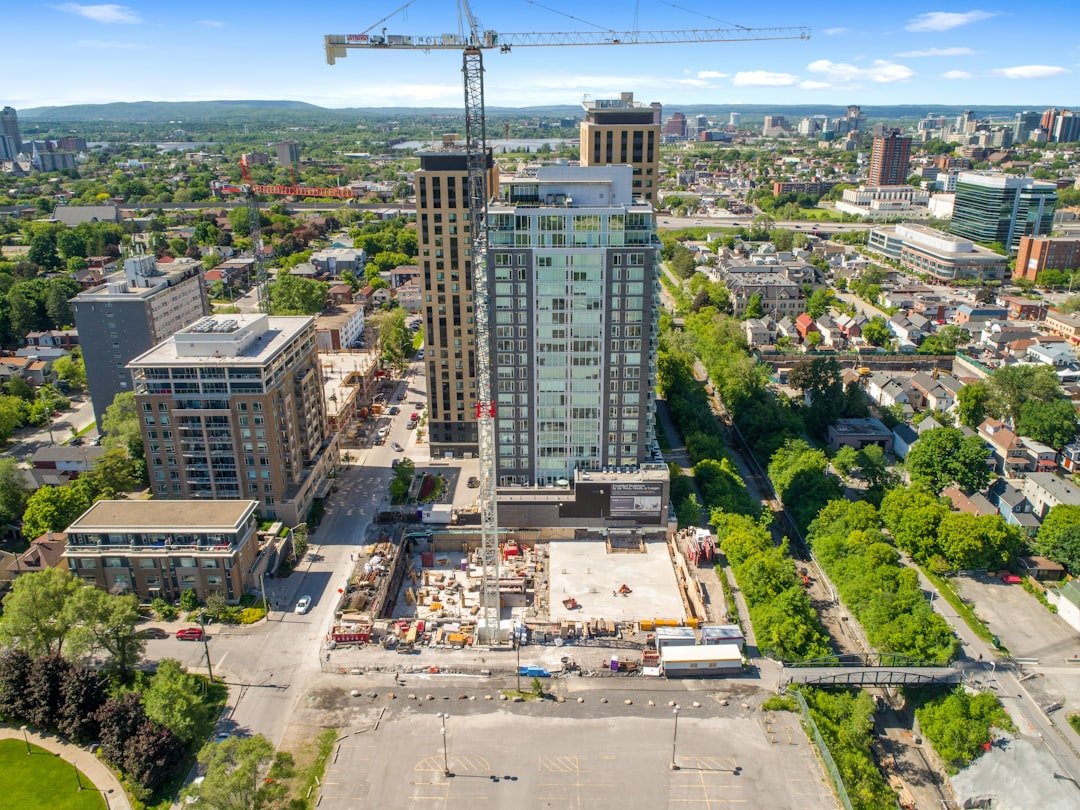
aerial photo of high rise buildings

Surprising fact: after more than five years of planning, ISDF announced on Dec. 8, 2025 that the capital stack for the Pro Iowa Stadium and Global Plaza reached completion — a milestone that turns long‑standing plans into construction momentum.

What this means in practice: the Iowa Capital Stack is a deliberate mix of public and private funding that lowers execution risk and raises financing certainty for stable commercial real estate.

The Des Moines stadium and mixed‑use project shows how multiple funding sources, governance clarity, and credible commitments align to move a site from planning to build‑ready status. This completion is often the inflection point that separates concept from construction.

Readers — developers, lenders, investors, municipal leaders, and employers — should watch for signals of public‑private alignment, diversified funding, and long‑term economic development. For a deeper primer on layered financing, see this strategic guide.

Key Takeaways

  • Completion signals execution readiness: finishing the capital stack enables construction timing and lender confidence.
  • Balanced funding mixes reduce single‑party risk and improve resilience.
  • Clear governance and commitments matter as much as total funding.
  • Des Moines case illustrates public‑private alignment and district demand potential.
  • Stakeholders should monitor funding gaps, governance terms, and market assumptions.

Iowa Capital Stack completed for the Pro Iowa Stadium and Global Plaza in Des Moines

ISDF’s Dec. 8, 2025 statement confirmed the capital stack is complete, moving the Pro Iowa stadium project and Global Plaza one step closer to construction. That milestone gives contractors, lenders, and community people clearer timelines and lower financing risk.

How the public‑private structure works: layered funding includes grants, county contributions, corporate gifts, and milestone releases tied to approvals. Shared public participation helps unlock mixed‑use elements — hotel, retail, and housing — so the district is not a single‑use venue.
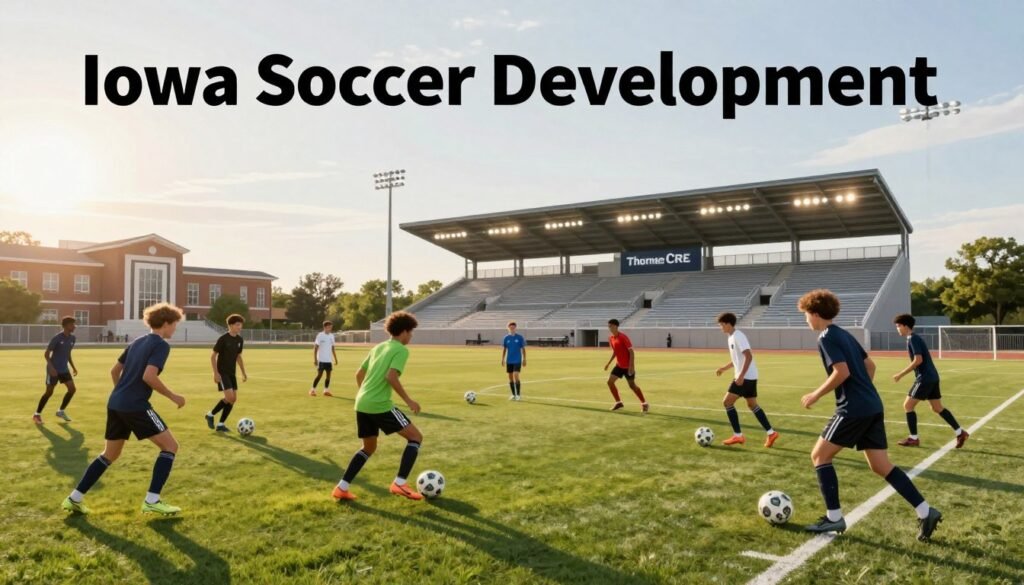
A vibrant and engaging illustration representing "Iowa Soccer Development," showcasing a diverse group of young athletes practicing on a soccer field in Des Moines. In the foreground, energetic players in professional athletic gear are engaged in drills, emphasizing teamwork and skill development. The middle ground features a modern soccer stadium, the Pro Iowa Stadium, with bright lights illuminating the field, creating a spirited atmosphere. The background includes the Global Plaza, with its architectural design reflecting Iowa's culture and community spirit, surrounded by green spaces. The scene is bathed in the warm glow of a late afternoon sun, casting long shadows on the field, encapsulating a sense of ambition and growth. The image subtly incorporates the brand name "Thorne CRE" within the stadium's design, harmonizing with the overall theme of development and investment.

Key public and private commitments

  • Iowa Economic Development Authority pathway and a $23.5M award to the Capital City Reinvestment District.
  • Polk County’s additional $10M vote, bringing county support to $17M after a split vote by the Polk County Board.
  • Major donors and corporate backers: American Equity, Musco Sports Lighting, MidAmerican Energy, Hy‑Vee, Catalyst Circle, and Kyle and Sharon Krause (Krause cited $24M).

The funding gap that stood at about $19.85M in Oct. 2024 has since closed through layered commitments. Site readiness remains the final gating item — ISDF will work with the EPA and City of Des Moines on grading and capping before vertical construction begins.

Seven years after the Pro Iowa Initiative was announced in 2019, the completed financing plan reflects typical CRE timing where remediation, approvals, and donor recruitment add years to project schedules.

What a balanced capital stack signals for stable CRE assets across Iowa’s market

When multiple stakeholders share risk, a development is less likely to stall over a single decision or vote. That redistribution of risk makes delivery timelines and lender underwriting more stable.

How the sources differ:

  • Public dollars: often require approvals and carry public reporting expectations.
  • Private donors: provide flexibility but may set naming or program conditions.
  • Corporate investment: seeks brand and economic returns, often on a predictable timeline.
  • Grants: reduce net cost but come with strict milestones and compliance.

Multiuse districts underwrite better than single‑use assets because venues produce more event days, attract varied user groups, and drive foot traffic that supports hotels, retail, and housing. This diversity strengthens long‑term cash flow and market absorption.
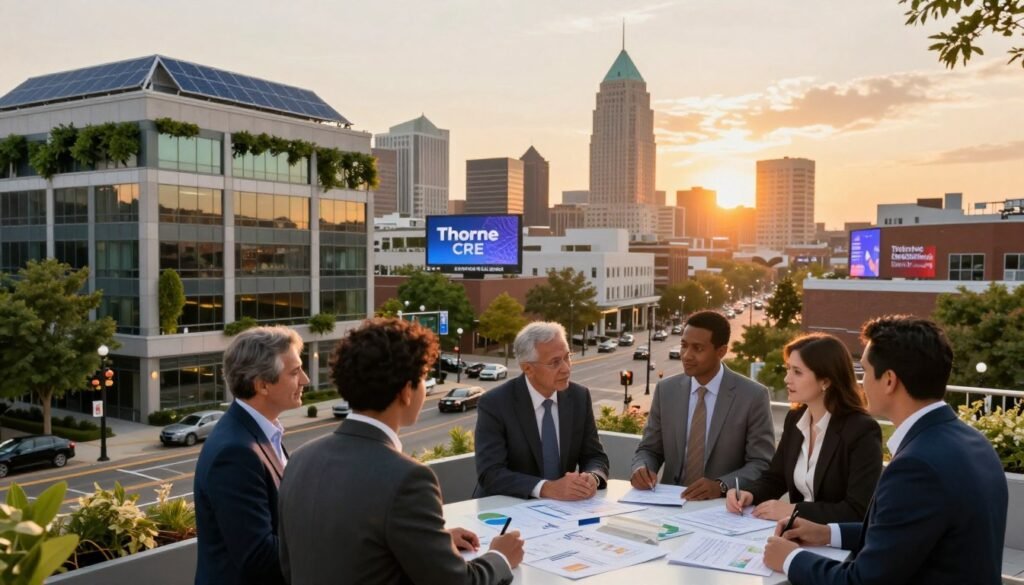
A vibrant urban scene showcasing economic development in Des Moines, Iowa. In the foreground, diverse professionals in business attire are engaged in discussions over plans and charts on a modern table, symbolizing collaboration and investment. The middle ground features a bustling streetscape with contemporary office buildings adorned with greenery, solar panels, and digital billboards promoting local businesses. In the background, the iconic Des Moines skyline silhouettes against a brilliant sunset, casting warm, golden light across the scene, creating a sense of optimism and growth. Capture this dynamic atmosphere with a wide-angle lens to emphasize depth and perspective, adding a slight bokeh effect for an artistic touch. Incorporate the brand name "Thorne CRE" subtly within the scene, integrating it into an office building's architecture.

“Transparent commitments and named backers can move a project from a perceived gap to a closed plan.”

For readers evaluating future deals, look for diversified sources, clear public authorization pathways, and a realistic timeline that includes site readiness and approvals. These factors align economic development goals—jobs, tourism, and tax‑base growth—with real estate fundamentals in Des Moines and Polk County.

See how market timing affects financing in this primer on market cycles and loan terms.

Economic development outlook tied to the Stadium District and downtown Des Moines growth

A downtown stadium district can reshape local demand by turning occasional visitors into regular patrons for nearby businesses.
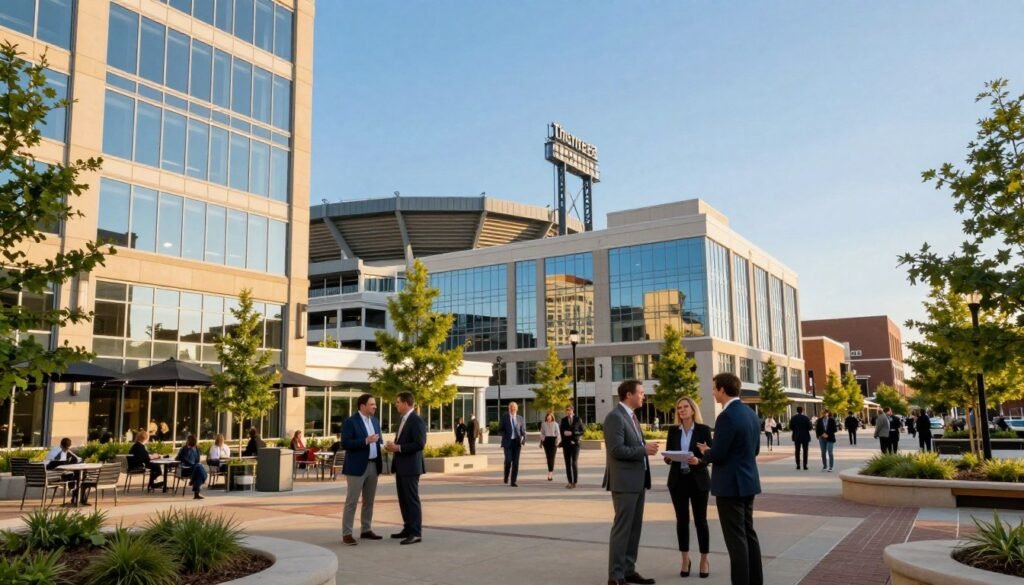
A vibrant view of Global Plaza, set in the heart of downtown Des Moines, Iowa. In the foreground, a bustling plaza area with people in professional business attire engaging in discussions, showcasing economic activity. The middle ground features modern buildings reflecting glass facades under clear blue skies, adorned with greenery and outdoor seating areas. In the background, the iconic stadium stands prominently, symbolizing growth and development in the Stadium District. Soft golden hour lighting bathes the scene, casting warm shadows and creating an inviting atmosphere. A low-angle shot to emphasize the towering structures and lively dynamics of the plaza, capturing a sense of hope and optimism for economic development, branded subtly with "Thorne CRE" in the architecture.

Quantified outlook: the Johnson Consulting feasibility study projects $8.8B in total economic activity over 20 years, about 6,800 temporary jobs, and more than 2,000 permanent jobs across the district. Those figures typically boost investor interest and support stronger underwriting for nearby retail and hospitality.

Projected tourism and spillover effects

Higher hotel occupancy, stronger weekend foot traffic, and clearer leasing narratives are common outcomes when a stadium and mixed-use plaza anchor a district. Surrounding uses reported by KCCI — hotel, convenience store, entertainment venue, and housing — help convert event days into daily activity.

Programming and planning as stabilizers

A multiuse calendar that includes Gainbridge Super League women’s and USL professional soccer teams reduces reliance on a single tenant or season. That variety improves underwriting assumptions for absorption, tenant sales, parking, and long‑term tax base growth.

“Public agency backing and IEDA signals frame the project to meet broader economic development goals.”

When financing, construction, and site readiness align with the Downtown DSM vision and state support, demand drivers become measurable and underwriteable for lenders and developers in Des Moines and Polk County.

Conclusion

Finalizing the layered financing changed the narrative from speculation to construction readiness.

That central takeaway shows how a balanced capital stack can move a complex, multi‑stakeholder project into a credible build path. Public‑private alignment and named commitments reduce execution risk and improve lender confidence.

Practical checklist: confirm named commitments, diversify sources, secure clear public authorization, set realistic timelines, and define site‑readiness steps such as EPA and city coordination.

When a high‑visibility project shifts from “one step closer” headlines to verified completion, it sends a strong market signal. The next phase is site readiness with EPA and City of Des Moines coordination, which clears the way for vertical construction.
FAQ

What is the completed capital stack for the Pro Iowa Stadium and Global Plaza in Des Moines?

The capital stack combines public grants, local government support, corporate contributions, philanthropic donations, and private investment. Key commitments include an award from the Iowa Economic Development Authority, backing from a capital reinvestment district, and private donors led by Kyle and Sharon Krause alongside regional employers. This mix closed the remaining funding gap and moved the project to construction readiness.

What did the Iowa Soccer Development Foundation announce and why does it matter?

The foundation announced final funding commitments and partner agreements that resolve the prior shortfall. That announcement matters because it provides project certainty, unlocks permits and contracts, and signals to lenders and contractors that the stadium and mixed-use plaza can proceed on schedule.

How does the public-private partnership and “shared public” funding model work for this multiuse development?

The model pools public incentives and infrastructure support with private equity and philanthropic gifts. Shared public funding targets streets, utilities, and programming that benefit both the stadium and surrounding development, while private capital covers core construction and operations, reducing risk for taxpayers and attracting private lenders.

What specific public commitments supported the project?

Major public commitments include a grant from the Iowa Economic Development Authority and support from the Capital City Reinvestment District. These commitments help finance infrastructure and public amenities, making the redevelopment of the stadium district financially viable.

What role did the Polk County Board of Supervisors play in advancing the project?

The Polk County Board reviewed and voted on county participation in infrastructure and financing measures. A split vote reflected differing views among supervisors, but the board’s engagement was instrumental in securing local approvals and aligning county resources with the district plan.

Who are the primary private and corporate backers involved?

Major backers include philanthropic donors such as Kyle and Sharon Krause and several regional employers that committed corporate support. These parties provided sizable gifts and investment pledges that helped close the funding gap and demonstrate strong private-sector alignment.

How was the funding gap tracked and resolved?

The project previously reported a remaining shortfall near $20 million. Through additional private pledges, corporate contributions, and public commitments, that gap narrowed and was ultimately filled, completing the capital stack and enabling project mobilization.

What is the timeline from the Pro Iowa Initiative announcement to construction readiness?

The initiative was announced in 2019. Over seven years the team advanced planning, fundraising, public approvals, and design work. With the capital stack completed, the project is now ready to move from preconstruction into site work and building phases.

How does a balanced capital stack reduce risk for commercial real estate assets in the region?

A balanced stack spreads financial exposure across grants, public bonds, private equity, and philanthropic gifts. Diversification lowers reliance on any single source, improves lender confidence, and supports stable cash flow projections for multiuse facilities and adjacent development.

Why can a multiuse stadium district strengthen long-term revenue stability?

Multiuse programming—sports, concerts, conferences, and community events—drives higher utilization and diversified revenue streams. Adjoining retail, hospitality, and office space benefit from event-driven demand, which sustains year-round economic activity and tenant interest.

How do economic development objectives align with real estate fundamentals in Des Moines and Polk County?

Economic development goals—job creation, tourism, and neighborhood revitalization—complement fundamentals like occupancy, rent growth, and foot traffic. Public investments in infrastructure and placemaking improve marketability and long-term value for surrounding commercial and residential assets.

What are the projected economic impacts of the stadium district over 20 years?

A feasibility study projects substantial benefits, including billions in total economic activity over 20 years, job creation, and increased tourism. Those gains reflect direct event spending, construction activity, and spillover effects across hospitality, retail, and housing markets.

What types of non-soccer events and uses will support the district’s economic case?

The district will host concerts, conventions, festivals, and community gatherings. Mixed-use development for retail, restaurants, and lodging will capture visitor spending and create recurring demand that supports year-round operations beyond professional soccer.

Leave a Comment

Your email address will not be published. Required fields are marked *

Scroll to Top