

Surprising fact: studies show that supplementing with creatine can boost short-term high-intensity work capacity by up to 15%, a shift that matters for training, recovery, and daily performance.
This page is a commercial, product-focused deep dive into the Thorne CRE Process—clarifying that “CRE” here refers to creatine and the brand’s manufacturing and testing approach, not real estate.
What you’ll get: a clear look at what creatine is, why it’s called an energy amino acid, and how it supports ATP production for intense exercise and
brain energy.
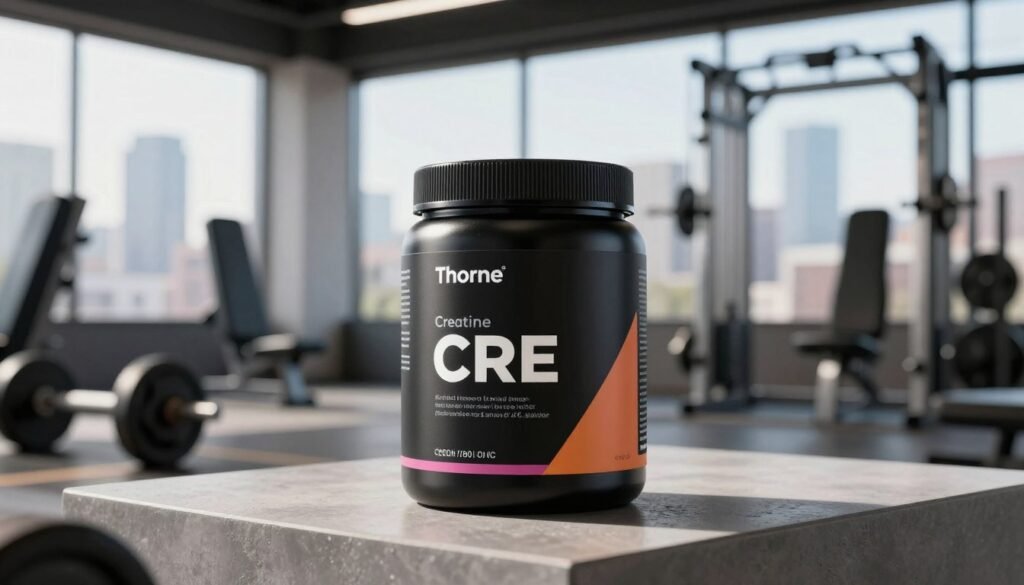
We position a flagship product across multiple formats—neutral powder, single-serving sticks, and flavored options—to match daily routines and taste preferences.
Expect proof points on purity, contamination testing, micronization for mixability, and NSF Certified for Sport® screening. Real-world case notes show better training consistency, easier adherence from mixable formats, and athlete confidence from certification.
Who this is for: shoppers comparing creatine products who want a tested, easy-to-use option that supports energy, health, and athletic performance.
Key Takeaways
- Creatine supports ATP-driven energy for exercise and cognition.
- Product formats include neutral powder, single sticks, and flavored varieties.
- Key differentiators: purity testing, micronization, and NSF Certified for Sport®.
- Mixability and neutral taste improve daily adherence and training consistency.
- Certification and testing reduce risk for athletes and performance programs.
Why Thorne Creatine Is Called the “Energy Amino Acid”
Creatine is a naturally occurring compound concentrated in muscle tissue and the brain. As an amino acid derivative, it is made in the body from other amino acids and is also obtained from common foods such as meat, eggs, and fish.
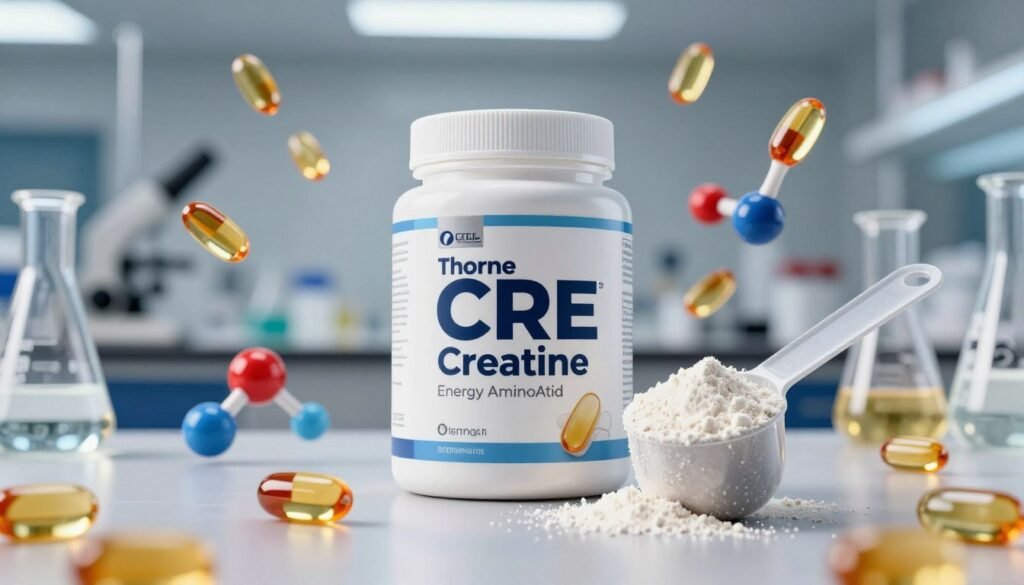
Called an energy amino acid, creatine supports cellular energy production by helping rebuild ATP, the molecule cells use for high-intensity effort. That cellular energy boost makes it easier to repeat sprints, heavy lifts, or short, intense sets.
For shoppers, the practical benefits are clear: consistent creatine use can improve training quality and help active adults recover their capacity for repeat efforts. The role of creatine extends beyond sport, too—supporting brain energy needs during demanding tasks.
Who might benefit?
- People with lower dietary intake from meat, eggs, or fish.
- Those who perform repeated high-effort exercise and want reliable ATP support.
- Active or aging adults seeking support for physical and cognitive performance.
Because creatine is widely available, product choice often comes down to purity, testing, and mixability—topics covered next to help you decide if thorne creatine fits your routine.
Thorne CRE Process: Purity, Testing, and NSF Certified for Sport® Standards
Not all creatine is created equal; the path from raw material to shelf matters.
What “pure creatine” means: In practical buying terms, pure creatine is more than creatine monohydrate on the label. It means verified identity, tested cleanliness, and an absence of unwanted contaminants. Low-cost products can vary widely in quality.
Testing and contamination checks
Manufacturing includes multiple checkpoints. Samples are tested through production to guarantee a contamination-free product. This reduces risk for athletes and everyday users who value consistent results.
NSF Certified for Sport® explained
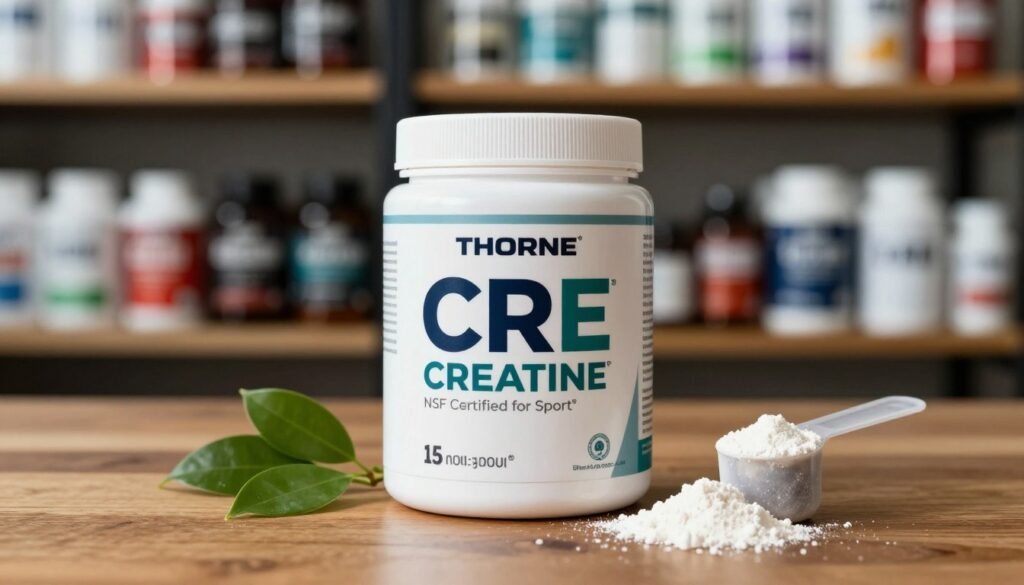
nsf certified batch testing confirms label claims and screens for nearly 300 substances, with other disclosures noting more than 200. That breadth protects users from substances banned many major athletic organizations flag.
Why professionals trust the brand
Trust signals matter: selection by champions, use by 100+ pro teams, partnerships with 11 U.S. Olympic Teams, and collaboration with Mayo Clinic on research and content. These endorsements link verified product quality to better focus on body and performance goals.
| Verification | What it checks | Benefit |
|---|---|---|
| Identity testing | Confirms creatine monohydrate | Assures label accuracy |
| Contamination testing | Detects impurities and unwanted compounds | Reduces health and doping risk |
| NSF Certified | Batch screening for banned substances | Peace of mind for athletes and programs |
Performance and Health Outcomes Supported by Research
Evidence shows creatine supports higher power and improved capacity during short, intense efforts. That translates into more reps, better sprints, and stronger lifts across a session.

Muscle power and work capacity support for athletes and active adults
What you may notice: higher peak power and a greater ability to repeat high-intensity efforts. This helps athletes and active adults sustain output in demanding workouts.
Promotes lean body mass and supports body composition goals
When paired with resistance training, creatine promotes lean body mass and supports overall body mass improvements. Users often see better strength gains and measurable changes in lean mass over weeks.
Muscle endurance, capacity, and performance over time
Supplementation supports muscle endurance and capacity, helping people maintain performance across training blocks and recover capacity between sets.
Supports cognitive function and brain energy needs
Creatine is present in the brain and supports cellular energy, which may help cognitive function during mentally demanding tasks.
Hydration and injury-related considerations
Some reports link creatine with reduced cramps and fewer dehydration issues during heavy training. These findings are context-dependent and not a medical claim.
| Outcome | What it supports | Who may benefit |
|---|---|---|
| Power & work capacity | Repeat high-intensity output | Athletes, sprinters, lifters |
| Lean body mass | Increased muscle mass with training | People seeking body composition gains |
| Cognitive support | Brain energy for mental tasks | Aging adults, high-demand professionals |
Who it’s for: athletes, active adults, and anyone with lower dietary intake from meat, fish, or eggs. Consistent daily use and easy dosing help turn these research-backed benefits into real results.
Product Details That Make Daily Use Easy
Small formulation details can make daily supplementation far easier and more consistent.
Micronized creatine monohydrate and enhanced solubility
Micronized creatine monohydrate (Creapure®) uses smaller particles to improve solubility. That means the powder mixes well into liquids and reduces gritty texture.
The form is colorless and odorless, so it blends into water, juice, or your favorite beverage without changing taste.
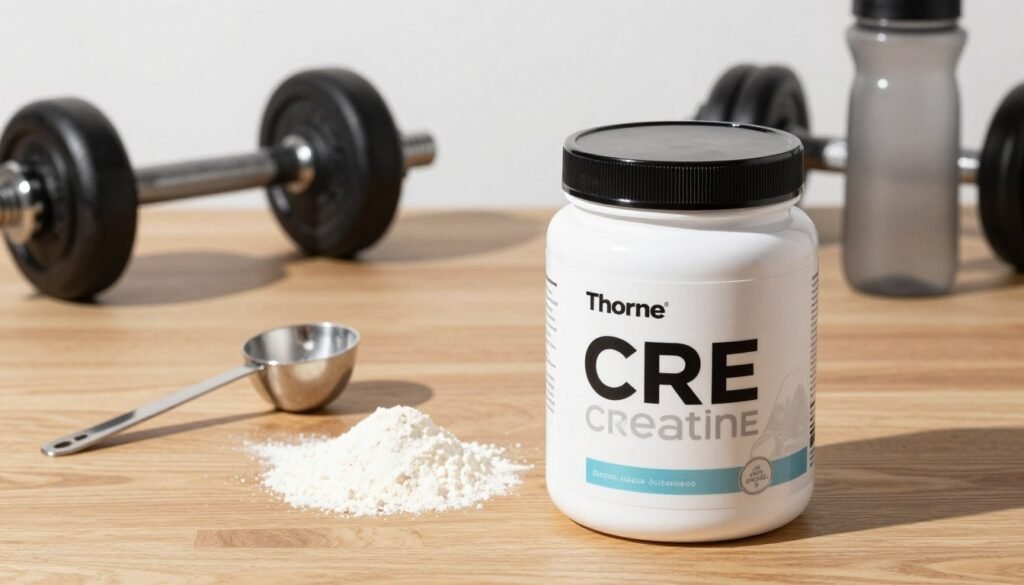
How to use: scoop, mixing, and timing
Mix 1 scoop (5 g) with at least 8 oz of water or another beverage daily. Use it anytime; many take it 30–90 minutes before or after exercise.
This simple routine helps make creatine a habit and supports muscle and cellular energy across training days.
What’s inside: ingredient and serving format
The product contains a single key ingredient: 5 g creatine monohydrate per serving. Each container provides 90 servings, making it easy to assess value and duration.
- Why micronization matters: better mixability, less grit, easier daily use.
- Accessory tip: a 600 ml BPA-free shaker with a screw lid and metal blender ball is handy for travel and on-the-go mixing.
- Compliance note: production aligns with tested-athlete expectations and is nsf certified at a high level for peace of mind.
Selection advice: choose the form and format—tub or single sticks, neutral or flavored—that fits your routine to keep daily use effortless.
Conclusion
Consistency matters: select a product verified for quality and designed for easy daily use to support steady energy and training habits.
Why this matters: a tested supplement that mixes well and has clear dosing helps you build a routine. That daily habit is the main driver of long-term performance and recovery benefits.
Trust and usability: multi-point testing, contamination checks, and athlete-grade certification reduce uncertainty. Micronized mixability and a simple 1-scoop daily dose make adherence easier, which supports reliable results.
Responsible use: consult a health professional if pregnant, nursing, or if you have ingredient sensitivities. For product options and formats, see our selection of tested creatine options. Choose your preferred format, follow the scoop routine, and consider a shaker for convenience.
Takeaway: a tested, easy-to-use supplement supports consistent training, recovery habits, and performance-focused wellness goals.