Financing Medical vs Traditional Office: Key Differences

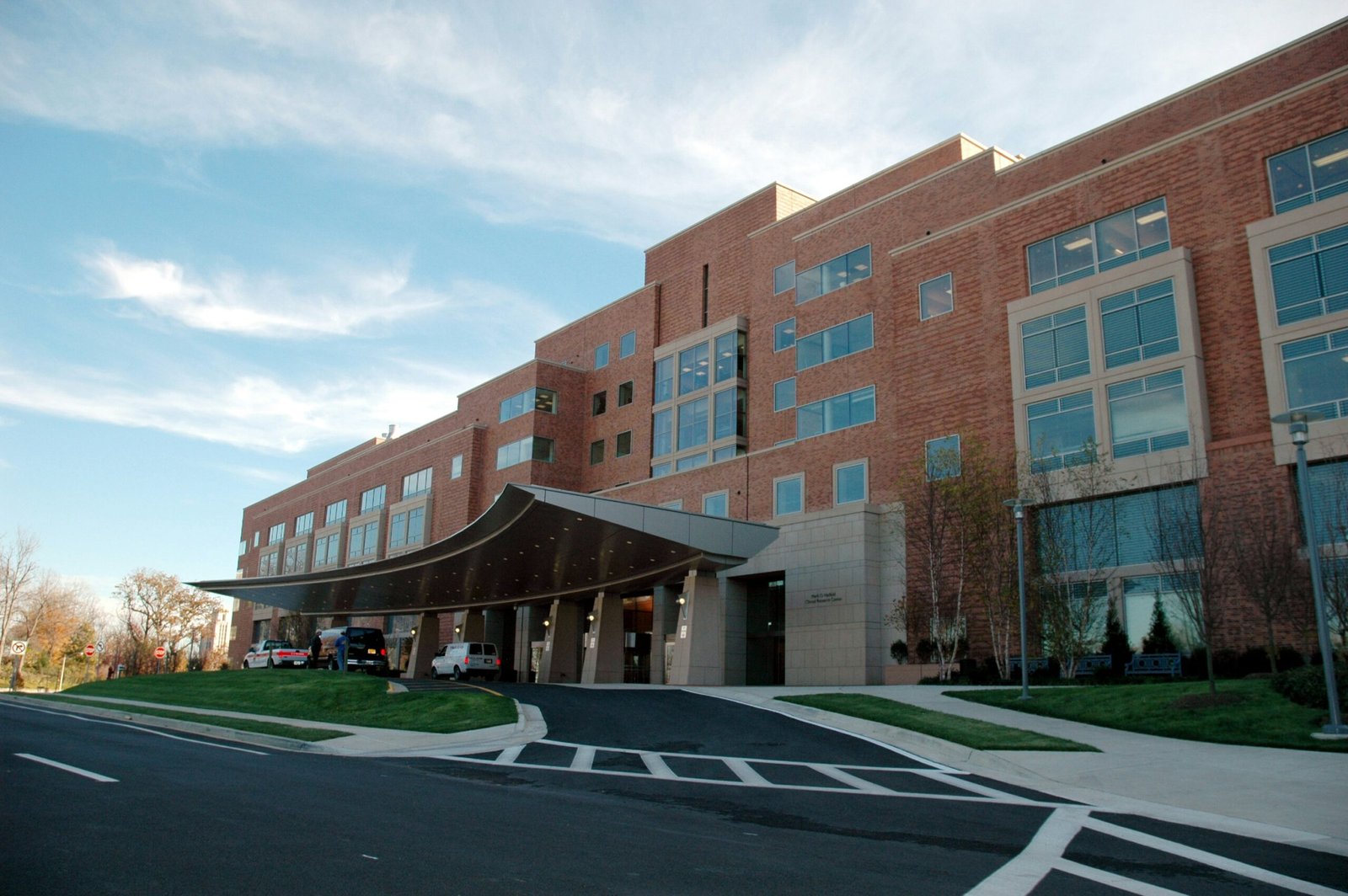
brown concrete building under blue sky during daytime

Surprising fact: projects that add specialized medical equipment can raise initial build-out costs by more than 40% compared with a standard site, shifting cash needs and project timelines dramatically.

What this guide calls “office financing” covers funds for build-outs, technology, furniture, specialized equipment, and near-term operating needs tied to a location project. It helps buyers choose the right product for the job.

Medical locations usually face stronger regulatory review and need highly specialized equipment. Traditional workspaces often focus on layout, collaboration areas, and hybrid-work upgrades.

Choosing the right funding structure can protect cash flow, reduce risk, and align repayment with the useful life of improvements and equipment. We preview common options: a bank loan, a business line of credit, tenant improvement allowance, and a lease line of credit, and explain which fits each timeline.

This guide uses decision criteria you can apply today: speed to funding, what costs qualify (hard vs soft), underwriting needs, and total cost over time. It is written for U.S. practice managers, medical group administrators, site managers, and owners planning a new location, remodel, or expansion.

Key Takeaways

  • Medical projects often need more capital for regulated, specialized equipment.
  • Traditional projects prioritize collaboration and hybrid upgrades.
  • Match the product to cash-flow needs to lower risk and costs.
  • Compare bank loans, credit lines, tenant allowances, and lease credit by speed and coverage.
  • Assess hard vs soft costs and underwriting before choosing a solution.
  • Compressed timelines today make flexible funding more valuable.

How medical and traditional offices differ in financing needs

When a build requires specialist clinical tools and compliance steps, budgets and schedules shift quickly.

“Clinical projects often layer in calibrated devices and mandatory upgrades that change scope midstream.”

Medical projects feature high-cost clinical equipment, strict installation rules, calibration and ongoing maintenance. Compliance upgrades — ventilation, shielding, or accessibility work — can add unexpected expenses and extend timelines.

These requirements push buyers to seek predictable payments that cover both equipment and construction without draining operating capital.

Traditional build-outs focus on layouts that boost productivity: collaboration rooms, furniture refreshes, and IT/AV for hybrid work. Gartner’s post‑2020 recovery shows rising demand for print services, software, and technology refreshes that create incremental capital needs even without full remodels.

  • Downtime risk differs: clinical room closures hit revenue; workplace renovations affect staff productivity.
  • Lenders vary: a bank may fund tangible assets, while software-heavy projects often need alternative solutions.

Evaluate options by matching the product to the cash conversion cycle — choose a loan or line that preserves capital for payroll and inventory while covering project needs.
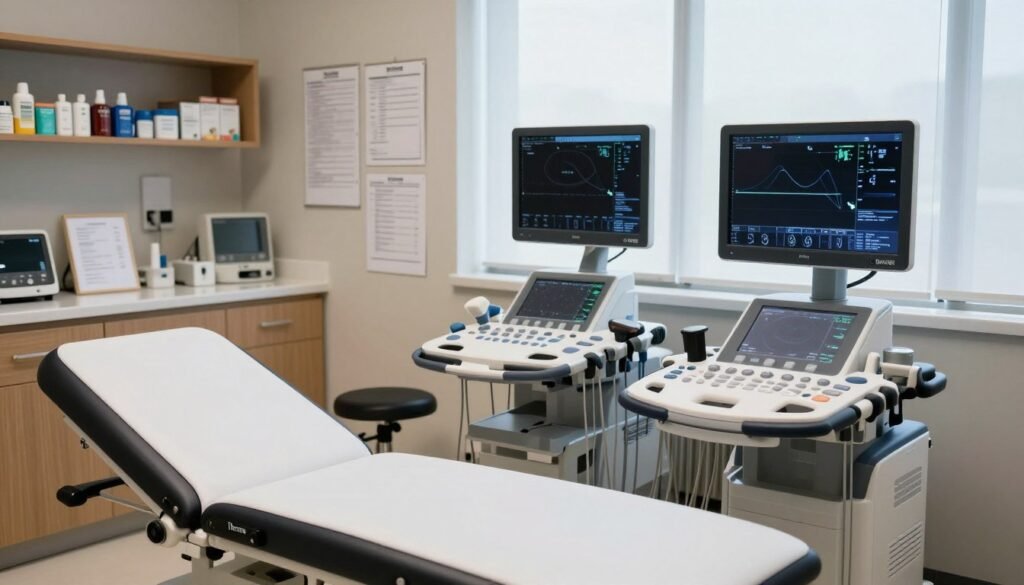
A well-organized medical office scene showcasing a variety of sophisticated medical equipment. In the foreground, a sleek examination table, an array of high-tech diagnostic tools like an ultrasound machine and an EKG monitor, all branded with "Thorne CRE." In the middle ground, medical charts and a monitor displaying patient data, indicating a practical and efficient healthcare environment. The background features shelves lined with medical supplies and devices, lit by soft, natural light filtering through a large window, creating a calm and professional atmosphere. The angle is slightly elevated, providing a comprehensive view of the space, emphasizing the contrast between medical and traditional office setups.

Office Financing options to compare for medical and traditional offices

Project budgets shift quickly when build-outs must cover both construction and specialized tools.

Bank loan or business line of credit for equipment and build-outs

Use a bank loan for a one-time, defined purchase. It works well when you have a strong bank relationship and clear scope.

A business line of credit fits phased buys and uncertain timing, but a line can limit cash available for payroll or inventory.

Tenant improvement allowance when leasing a space

Landlords may offer a TI allowance as embedded funding. It often covers construction but may exclude furniture, AV, or software.

Negotiate per-square-foot amounts and clear allowable cost categories to avoid surprise gaps.

Lease line of credit to cover hard costs and soft costs in one plan

A lease line can fund architectural fees, wiring, A/V, carpeting, furniture, and equipment in one stream.

Payments may be tax-deductible, fixed over 5–8 years, and keep debt off the balance sheet in some cases.

“Many banks will not loan against soft costs such as construction services or software.”

Term loans vs revolving credit lines for working capital timing

Term loans fix amortization and suit predictable budgets. Revolving lines let you draw as invoices arrive.

Same-day approval options (up to $350,000) exist for fast needs—useful when contractors demand deposits.

A modern office space illustrating the comparison of financing options for medical and traditional offices. In the foreground, a polished conference table with financial documents, laptops, and a calculator spread out, reflecting a business meeting atmosphere. In the middle ground, a diverse group of professionals in business attire, engaged in a discussion, analyzing charts and graphs that showcase various financing options. The background features two distinct office setups: one resembling a medical office with medical equipment and patient consultation areas, and the other a traditional office with desks, filing cabinets, and a relaxed atmosphere. Soft, natural lighting pours in through large windows, creating a bright and professional ambiance. The scene conveys a sense of collaboration and strategic planning. "Thorne CRE" subtly incorporated into the design elements, such as on the conference table or documents.

Option Best fit Typical coverage
Bank loan One-time equipment/build-out Hard costs, limited soft-cost coverage
Business line of credit Phased purchases, uncertain timing Flexible draws, can crowd working capital
Tenant improvement allowance Leased spaces Construction-focused, often excludes furniture
Lease line of credit Comprehensive projects Hard + soft costs, fixed repayment, possible tax benefits
  • Medical projects often need broader cost coverage; consider a lease line for full scope.
  • Traditional builds may use TI plus a small line for IT and furniture.
  • Speed-to-funding matters today—fast approvals help meet tight lead times.

How to choose the right solution based on budget, timing, and project scope

Start by listing every cost and then map each expense to the funding that will actually cover it.

Inventory categories: construction, electrical, wiring/cabling, A/V, software, furniture, permits, design fees, and vendor services. Match each item to whether a bank loan, lease line, TI allowance, or business line will accept it.

Protect working capital: keep build-out funding separate from cash used for payroll and supplies. Using a revolving line for a remodel can reduce capacity for day-to-day needs and emergency repairs.

Prioritize speed when deposits or delivery dates create hard deadlines. Some providers offer same-day approval up to $350,000 to meet tight contractor or equipment lead times.

Underwriting, cost over time, and tax signals

Expect lenders to review business performance, bank relationships, and any covenants that limit new liabilities. A lease line can sometimes avoid covenant restrictions and offer off-balance-sheet treatment.

Compare fixed payments versus variable draw costs. Spreading a build-out over 5–8 years aligns expense recognition with the useful life of the improvements and equipment.

Talk to your CPA about tax treatment: lease payments are often deductible, while purchased assets follow depreciation rules that can create “phantom income.”

A modern office financing scene illustrating the contrasts between medical and traditional office settings. In the foreground, a diverse group of two professionals, a Caucasian woman and an Asian man, both dressed in smart business attire, are engaged in a discussion at a sleek conference table covered with financial reports, charts, and a laptop displaying a budget spreadsheet. The middle ground features a large window revealing a city skyline, filling the room with natural light and casting soft shadows. In the background, images of traditional office decor blend with elements of a medical office, like a stethoscope and medical charts, symbolizing the differences in financing needs. The atmosphere is focused and professional, illuminated with warm lighting that conveys a sense of collaboration and decision-making. Include the brand name "Thorne CRE" subtly represented on a document on the table.

Decision factor Best fit What it covers
Speed Same-day approvals Deposits, urgent equipment
Scope volatility Business line Phased draws, flexible timing
Full project coverage Lease line Architect, wiring, A/V, furniture
One-time buy Bank loan Hard equipment, limited soft costs

Fit checklist

  • Opening a new location: choose full-scope coverage that preserves capital.
  • Marketing or safety equipment: short-term loan or lease with quick funding.
  • Inventory needs: separate working capital from build-out credit to avoid cash shortfalls.

Conclusion

Match your capital plan to project drivers and you’ll avoid costly delays and cash shortfalls.

Medical and traditional projects can both be funded well, but the right path hinges on whether spending is equipment‑heavy, compliance‑driven, or focused on workplace experience.

Bank products work for eligible hard assets; tenant improvement allowances reduce out‑of‑pocket build costs; lease approaches cover a broader mix of soft and hard costs.

Map costs, protect operating cash, confirm funding speed, and set repayment to match the useful life of improvements and equipment.

Before you commit, validate which invoices qualify, ask about covenants or limits, and confirm the timeline fits critical delivery dates.

Ready to move forward? Request quotes and compare offers so your business secures the funds in time to keep the project on schedule and bring the office and equipment online without strain on cash.


FAQ

What are the key differences between financing for medical practices and traditional offices?

Medical practices often need funding for high-cost, specialized equipment and must meet strict regulatory and compliance standards. Traditional workplaces focus more on general build-outs, furniture, and hybrid work upgrades. Lenders treat medical purchases differently because equipment lifecycles, resale value, and compliance risks affect underwriting and collateral requirements.

How do specialized equipment and compliance-driven purchases affect funding options?

Specialized devices and compliance upgrades can raise the loan amount and change terms. Banks and equipment lenders evaluate the equipment’s useful life and secondary market value. Some providers offer asset-based loans or equipment leases tailored to healthcare technology, which may include service agreements and warranties as part of the financing package.

When should I consider a bank loan versus a business line of credit for build-outs and gear?

Use a term loan for large, one-time expenses like construction or expensive imaging machines. Choose a revolving line of credit for ongoing purchases, unexpected repairs, and seasonal staffing. A line gives flexibility; a term loan locks in fixed payments and often better rates for sets of predictable costs.

What is a tenant improvement allowance and how does it work for leased spaces?

A tenant improvement allowance (TIA) is funding the landlord provides to customize leased space. It reduces upfront capital needs for build-outs and can be negotiated into the lease. If the allowance doesn’t cover all costs, tenants often combine it with a loan or lease line to finance the remainder without tapping operating cash.

Can a lease line of credit cover both hard and soft costs?

Yes. A lease line of credit is structured to cover hard costs like construction and wiring, plus soft costs such as permits, design fees, and project management. Consolidating these expenses into one facility helps protect working capital and simplifies project cash flow.

How do term loans differ from revolving credit when managing working capital?

Term loans provide a lump sum with set repayment schedules, ideal for capital projects. Revolving credit acts like a business credit line—borrow, repay, and reuse—which suits day-to-day operating needs and short-term gaps between payables and receivables.

How should I map expenses to financing types for a clinic or office remodel?

Match long-lived assets—such as imaging machines or major construction—to term financing or equipment leases. Use revolving facilities for software subscriptions, smaller furniture purchases, and service contracts. This separation keeps operational cash available while spreading capital costs over useful lives.

What are best practices to protect working capital during a build-out?

Isolate project costs by using dedicated project financing, reserve operating lines for payroll and vendor payments, and stage draws to match construction phases. Maintain a bank relationship and clear reporting to avoid covenant breaches that could restrict access to funds.

How fast can I get approved and funded when time is critical?

Some lenders provide same-day or next-day approvals for smaller equipment loans or lines, while major construction financing can take weeks. Prepare accurate documentation—financial statements, credit history, equipment quotes, and project plans—to accelerate underwriting and disbursement.

What credit impact and underwriting expectations should I anticipate?

Lenders review business credit, personal guarantees, cash flow, and existing covenants. Healthcare practices may face deeper scrutiny on reimbursement cycles and payer mix. Strong bank relationships, clean financials, and collateral help secure better rates and terms.

How do financing choices affect cost over time?

Fixed-rate term loans provide predictable payments; leasing spreads cost and may include maintenance. Revolving credit typically carries variable rates, which can raise total interest if balances remain high. Compare total cost of capital across the loan term, including fees and prepayment penalties.

What tax considerations should I review when choosing between lease payments and buying equipment?

Lease payments are often deductible as operating expenses, while purchased assets are depreciated over time and may create taxable phantom income in some sale-leaseback scenarios. Consult a CPA to evaluate depreciation, Section 179 expensing, and implications for your net income.

Which financing fit is best for opening a new location versus upgrading an existing site?

New locations typically require larger upfront capital for construction and initial inventory—favor term loans, construction loans, or combined lease lines. Upgrades can often be handled with equipment financing or a smaller line of credit tied to the balance sheet.

Can financing cover marketing, safety equipment, and inventory alongside construction?

Yes. Depending on the lender, working capital facilities or business lines can include marketing campaigns, personal protective equipment, and initial inventory. Clearly itemize these needs in your financing request so underwriters can structure the appropriate mix of term and revolving credit.

Leave a Comment

Your email address will not be published. Required fields are marked *

Scroll to Top