
Surprising fact: the U.S. yard-based sector is roughly a $200 billion market, and investors raised more than $1.7 billion in the past year.
This report explains how owners refinance after adding value and stabilizing cash flow. We define the path: buy or reposition a site, grow NOI through leases and operations, then refinance to return capital or extend the hold.
Land and location drive returns in this niche, so proceeds and lender underwriting differ from traditional building-centric real estate.
The article will cover market context, asset fundamentals, a value-add playbook, lender underwriting, refi timing, pricing math, and exit dynamics.
Audience: owners, operators, investors, debt brokers, and lenders focused on single-site or portfolio refinances in the U.S. industrial cycle.
Expect a frank look at both constraints—entitlement friction, market opacity, tenant demands—and opportunities that larger institutional capital brings to this growing market.
Key Takeaways
- Yard-focused assets require different underwriting than building-heavy real estate.
- Value creation typically follows acquire → operate → stabilize → refinance.
- Institutional capital growth is standardizing terms and increasing competition.
- Entitlement and tenant-specific needs can protect income but add refi risk.
- Timing and clear NOI stabilization are critical to capture favorable refinancing.
Current State of the U.S. IOS Market and Why Refinancing Is Back in Focus
Refinancing has moved back into the spotlight as more large funds target land-rich logistics sites with predictable cash flows. This niche now looks like a mature corner of the u.s. industrial sector, drawing new debt and equity attention.
Market size and institutional momentum
Market estimates place the pool near $200 billion and over $1.7 billion in institutional capital was raised last year. Transaction velocity has climbed too — from about $1.8B per year in 2015–18 to $2.6B in 2019.
How maturation reshapes capital and pricing
As platforms scale, aggregators recap with fund managers and international sponsors. Examples like GFH Partners’ $300M logistics fund show how new capital can compress pricing and change allowable leverage and rates.
Where value creation is occurring
Today owners drive growth through mark-to-market rent resets, lease standardization, and yard upgrades. But lenders focus on tenant durability; refi timing must balance rent upside with tenant health and renewal probability.
Asset fundamentals and property characteristics
What defines a yard site today is a low building coverage (FAR

Core physical traits investors watch
Typical features include paved or graveled surfaces, perimeter security, basic lighting, and a small office or maintenance shed when needed.
Common subtypes and operational needs
- Truck terminals — high circulation, driver amenities, staging lanes.
- Drop lots — short-term parking, gate control, quick turnover.
- Contractor yards — heavy equipment access, laydown areas, wash bays.
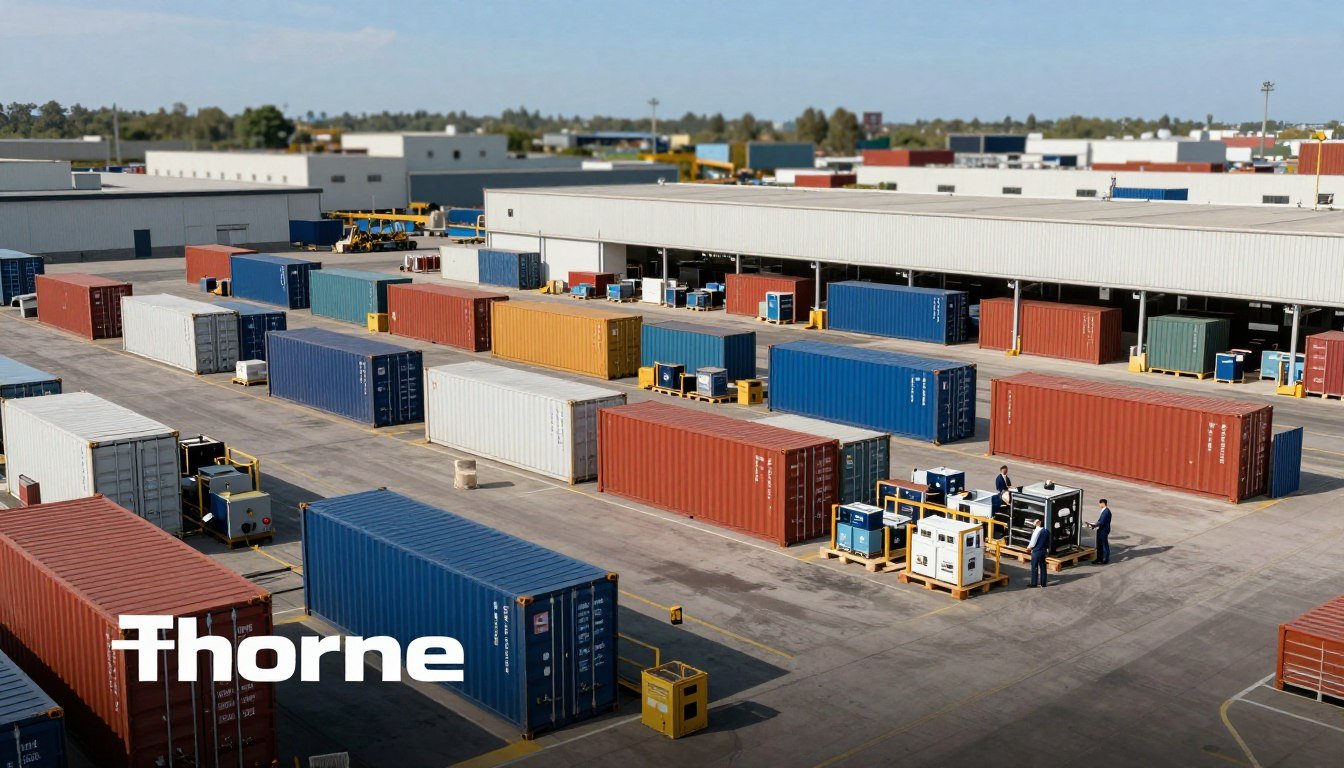
- Container yards — stack space, crane/handling access, hard surfacing.
- HFT facilities — higher amenity expectations for regional freight handling.
Scale and valuation drivers
Yards range from sub-3 acre infill sites for last-mile work to 50+ acre mega-developments used as regional hubs.
Rent per acre often determines value more than building area. Lenders require documented circulation, lawful use for equipment storage, and clear site function before refinancing.
| Subtype | Typical Size | Primary Requirement |
|---|---|---|
| Truck Terminal | 2–10 acres | High circulation, staging lanes |
| Drop Lot | 0.5–3 acres | Secure short-term parking |
| Contractor Yard | 1–15 acres | Equipment access, laydown |
| Container Yard | 5–50+ acres | Hard surfacing, handling access |
| HFT Facility | 10–50+ acres | Regional amenities, scale |
Value Creation Playbook Before Refinancing
Lenders underwrite proven cash flow, not an aspirational plan. The goal of a pre-refi program is to convert operational work and lease changes into measurable NOI that debt teams can size and validate.
Mark-to-market rent strategy
Supply constraints from zoning and community resistance lift market rents. Where new land and permitted use are scarce, in-place rental levels often lag true market rates.
Owners should document comparable deals, show demand, and phase resets so rent growth reads as stabilized income rather than speculative upside.
Lease and credit upgrades
Refinance-ready leases usually shift to triple-net reimbursement with 3%–4% annual escalators and stronger guarantees. Tightening termination and recapture clauses reduces lender risk.
Operational improvements and low-risk capex
Lenders value perimeter fencing, controlled access gates, full lighting and cameras, improved circulation, and durable surfacing. Small, low-obsolescence capex—office refreshes, wash bays, and light repair bays—builds tenant stickiness without overbuilding.
Entitlement and documentation
Permitted use and zoning stability are multipliers. Demonstrate by-right use or recorded approvals, and present an updated rent roll, executed leases, capex invoices, site plans, and permitted-use proof to shrink lender friction and lift proceeds.
Refinancing IOS Assets After Stabilization: What Lenders and Debt Investors Underwrite
Debt underwriters look for evidence that income is durable and site costs are predictable. Stabilized means executed leases, a credible renewal path, and a site that operates without immediate capital surprises.

Income durability and single-tenant risk
Lenders evaluate tenant history, remaining lease term, guarantor strength, and the rollover calendar.
Typical leases run five to seven years with 3%–4% annual escalators, and many are triple-net, which simplifies expense attribution.
Rent-per-acre underwriting
Underwriters convert usable yard space and circulation into a rent-per-acre conclusion. That figure often drives value more than building rent per square foot.
Expense predictability and reserves
Even with NNN leases, lenders model owner exposure for fencing, lighting, stormwater, and basic facilities. They size reserves to cover foreseeable maintenance and minor repairs.
- Renewal probability: scarcity of replacement sites and tenant dependence on transport nodes increases stickiness.
- Security and operations: better controls lower volatility and support stronger effective rents.
Result: stronger lease terms, documented yard quality, and clear expense lines boost DSCR and can improve pricing or allowable leverage, supporting better refinance returns.
Capital Markets and Portfolio Recaps: From Aggregators to Institutional Scale
Capital flows have moved from lone site buys to pooled funds as operators proved the model. Early aggregators sourced off-market deals, often in the $1–$5 million range, and added value through modest capex and re-leasing to triple-net terms.
That track record created a repeatable basis for raising institutional investment. Operating partners contributed assets and management expertise. Fund managers added equity, governance, and scale.
Recapitalization mechanics typically combine portfolio-level refinancing, fresh equity, and a governance layer that allows faster transactions and deeper lender relationships.
How aggregators built basis
They bought small, sourced deals from local owners, upgraded yards and leases, then aggregated cash flow into a saleable pool. That process widened options for refinancing and exit.
Institutional entry and pricing effects
International and pension capital can lower the cost of capital and compress pricing. Larger funds push tighter cap rates and change refinance assumptions toward lower spreads and longer holds.
Why data and opacity still matter
The market remains opaque; rent-per-acre comps, entitlement nuances, and tenant patterns are not always public. Companies with proprietary datasets win on sourcing and underwriting.
| Phase | Typical Deal Size | Primary Benefit | Refi/Exit Option |
|---|---|---|---|
| Fragmented Owners | $0.5M–$3M | Local knowledge, off-market access | Single-asset term loans |
| Aggregator Roll-up | $1M–$5M per asset | NOI uplift via capex and leases | Portfolio financing, higher proceeds |
| Recapitalization | Platform-sized equity | Governance, scale, access to lower-cost capital | Institutional refinancing, securitized facilities |
| Institutional Scale | $100M+ | Competitive pricing, liquidity | Permanent capital, longer-term debt |
Strategic takeaway: refinancing is both a property-level tool and a portfolio recap lever. Well-run platforms convert small transactions into institutionally financeable pools, which improves proceeds and optionality.
For a deeper look at structuring capital stacks and recap mechanics, see navigating the capital stack.
Rent Growth, Vacancy, and Lease Terms That Influence Refi Timing
How quickly rents rose and how leases are written will often decide if a refinance unlocks capital or raises risk.

Rent growth versus traditional markets
Yard per-acre rents climbed sharply. Data shows rents up nearly 30% since late 2019 and, in many areas, more than doubled. That outpacing of traditional warehouse rents can boost NOI fast.
But lenders watch for cyclicality. If growth ties to a freight spike, underwriters may stress rents and apply conservative rates when sizing debt.
Vacancy and re-tenanting risk
Vacancy fell below 3% in mid-2022, tightening demand for usable yard space.
Still, re-tenanting risk rises in transportation-heavy corridors when trucking volumes slow. Zoning scarcity helps, but freight cycles can shorten tenancy tails.
Lease structures and tenant pushback
Typical U.S. leases run five to seven years with 3%–4% annual escalators and NNN terms. Many are single-tenant and carry guarantees.
When owners seek new market rents, tenants may resist. Owners must choose: accept modest renewal increases to stabilize income or risk vacancy chasing higher rental rates.
| Metric | Typical Value | Refi Implication |
|---|---|---|
| Rent growth since 2019 | ~30% average; 100%+ in many markets | Raises underwritten NOI if validated |
| Vacancy (mid-2022) | Supports leverage but watch cycle risk | |
| Lease term | 5–7 years with 3%–4% escalators | Preferred by lenders for stability |
| Market drivers | Demand tied to logistics and transportation | Zoning limits supply; affects underwriting |
Pricing, Cap Rates, and Returns: How Value Creation Converts to Refinance Proceeds
A stabilized income stream only converts to cash when underwriters apply a market cap to NOI.
Why cap rates drive refi math: lenders and appraisers divide stabilized NOI by the market cap to estimate value. That value sets LTV limits and determines how much debt and cash-out are possible.
Typical spread: yard-focused assets trade at cap rates roughly 100–250 basis points above traditional warehouse product. That wider spread supports higher entry yields for buyers but can cap appraised value if spreads do not compress.
From value creation to proceeds
Mark rents to market, convert leases to strong NNN terms, and reduce owner-facing expense volatility. Each step makes NOI look durable to debt teams.
Once income reads as stabilized, lenders capitalize it into value and size loans. Clean lease documentation and functioning yards accelerate the process.
Leverage and investor expectations
When returns skew toward income rather than rapid appreciation, lenders focus on DSCR and prudent leverage. That means lower loan sizes but greater refinance predictability.
Investors seeking steady yield will accept lower price volatility. They will still demand clear underwriting narratives, executed leases, and verifiable site function to back refinance assumptions.
| Factor | Implication for Refi | Action |
|---|---|---|
| Cap rate spread (100–250 bps) | Higher entry yields; possible appraisal constraint | Drive NOI proof and lease strength |
| Income-heavy returns | DSCR-weighted leverage | Prioritize predictable cash flow |
| Disciplined basis | Equity creation even if spreads persist | Buy smart, execute operations |
Transaction and Exit Dynamics That Shape Refinance Strategy
Fragmented ownership creates deal windows where nimble buyers convert scattered assets into higher-value pools.
Transactions often happen off-market because many properties sit with family owners or small operators. That gap lowers acquisition pricing for buyers who have good sourcing and local relationships.
Operational basis creation
Basis here is built by improving leases, tightening operations, and upgrading site function. Simple upgrades and stronger lease terms can turn local cash flow into institutional-grade NOI.
Portfolio aggregation and pricing premiums
Aggregating smaller sites into a single portfolio attracts larger investors and can earn cap rate premiums on sale. Scale changes pricing dynamics and expands bid pools.
Liquidity, refinancing, and hold optionality
Refinancing after stabilization can return capital while owners retain upside for a later sale. That tactic reduces forced-sale risk and gives time to find the best exit window.
“Clean data, consistent reporting, and disciplined management unlock both better refinance terms and stronger exit returns.”
- Standardize leases and reporting to shorten due diligence.
- Document capex and operational KPIs to prove basis creation.
- Use refinance proceeds to de-risk and extend optionality before a sale.

Risk Factors and Future-Proofing IOS Sites to Protect Refinanceability
Treat site, regulatory, and tenant risks as underwriting items you must resolve before a refinance. Lenders will stress-test entitlement uncertainty, tenant concentration, freight-cycle exposure, and yard functional obsolescence.
Top refinance risks lenders will scrutinize
- Regulatory/entitlement uncertainty: community resistance to traffic, noise, and aesthetics can limit future supply but also complicate approvals.
- Tenant concentration: single-tenant dependence raises risk; mitigate with stronger guarantees, longer terms, and tenant-dependency documentation.
- Freight-cycle sensitivity: transportation and logistics demand swings require conservative rent and vacancy assumptions to protect DSCR.
Electrification and mega-site readiness
Future-proofing checklist: confirm available power, plan conduit for EV charging, and design yard circulation for charging bays to match carrier decarbonization goals.
Land, yard, and amenity design
Efficient layouts, turning radii, trailer stacking, drainage, and robust security raise rent per acre and lower operating costs.
| Risk | Mitigation | Refi Impact |
|---|---|---|
| Entitlement friction | Document approvals; community outreach | Improves lender confidence; supports value |
| Tenant concentration | Longer leases, guarantees, dependency studies | Raises underwritten NOI stability |
| Electrification gap | Power upgrade plan; conduit installed | Reduces capex surprises; supports modern tenants |
| Yard functional issues | Layout redesign, security upgrades | Improves operations; increases rent-per-acre |
Bottom line: better entitled, better designed, and better secured sites with clear capex plans and stable tenants earn more favorable lender terms. For how cycle timing alters loan structures, see how market cycles impact loan terms.
Conclusion
Refinancing works when operational gains become lender-ready cash flow, not when upside stays speculative.
The ios sector and broader market now reward owners who document rent-per-acre strength, stabilized leases, and clean yard condition. Proof of durable NOI turns improvements into real estate value and stronger returns.
Approach refi with disciplined management: confirm zoning and entitlements, lock tenant term and escalators, complete security and yard capex, and build a lender-grade data story.
Expect evolving pricing, freight-cycle swings, and electrification needs to affect timing and rates. Done right, refinancing returns capital and extends hold optionality while attracting new capital and investment.