Self-Storage Financing 101: Loan Options and Underwriting

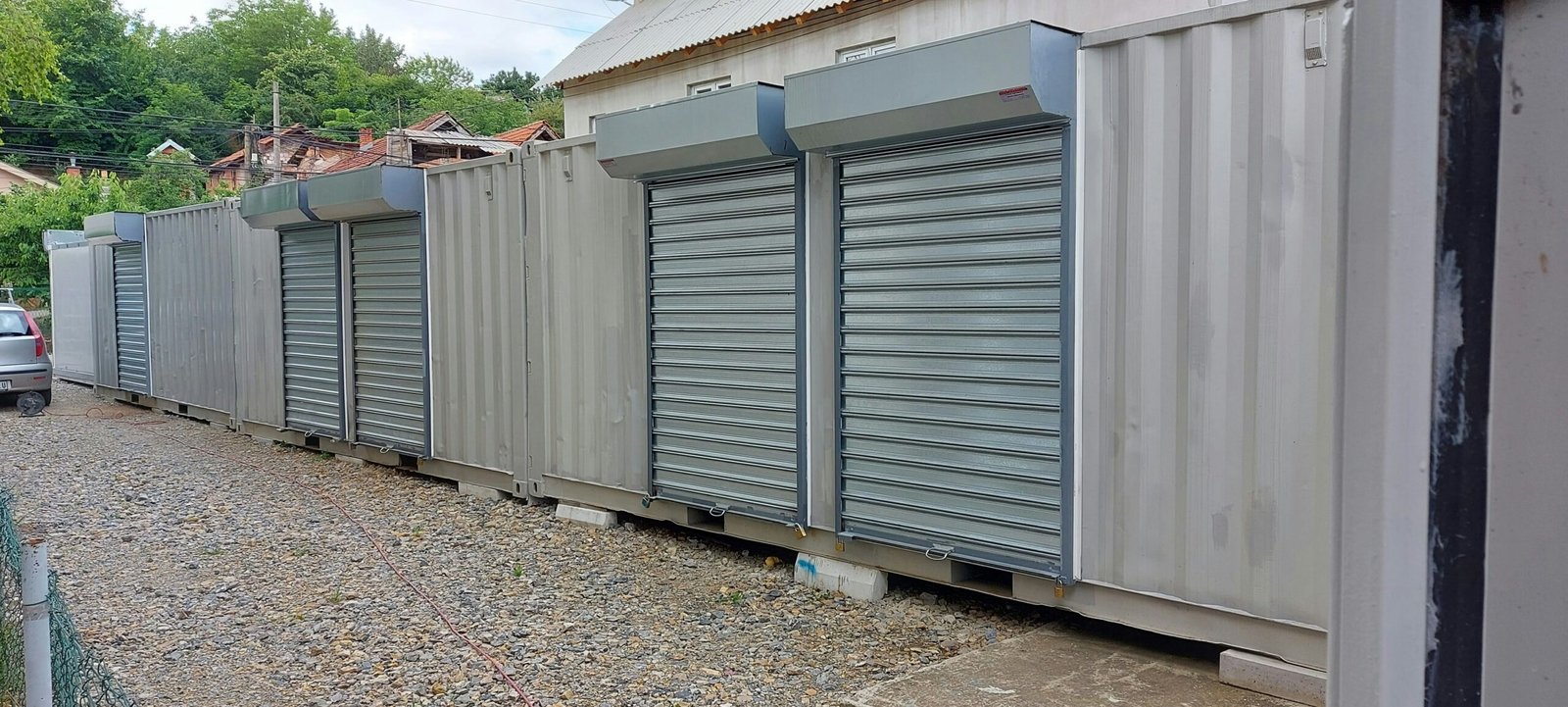
a long row of storage containers sitting on the side of a road

Surprising fact: more than 70% of new storage projects need outside capital to move from concept to construction, and rising interest rates are forcing tougher lending rules across the market.

This guide explains the loan types and underwriting rules that matter for buyers and operators in the storage industry.

We cover acquisition, refinance (including cash-out), expansion, and ground-up construction, so you can match the right loan to your objective.

Lenders evaluate storage as a commercial real estate class by focusing on in-place cash flow, occupancy trends, and demand durability. Expect underwriting metrics like LTV and DSCR to drive approval and pricing.

Whether you are a first-time buyer, an owner seeking a refinance or expansion, or an investor vetting facilities, the article lays out a practical decision framework: business plan → property profile → timeline → risk tolerance → best-fit financing structure.

For tactics on speeding approvals and preparing lender-ready documentation, see a focused walkthrough on how to fast-track commercial deals here.

Key Takeaways

  • Storage projects often require significant capital; loan choice depends on purpose (buy, refinance, build).
  • Underwriting centers on cash flow, occupancy, and market demand.
  • Common lending routes include banks, SBA programs, bridge loans, and private lenders.
  • Prepare clean financials and a clear business plan to shorten approval times.
  • Match timeline and risk tolerance to the best financing option available.

Self-storage lending in today’s market: rates, demand, and what’s changed

The current lending environment forces buyers to test cash flow under higher rates and slower growth.

Today, quoted loan rates start from 6.23% for a 5-year fixed, 6.45% for 7 years, and 6.69% for a 10-year fixed (as of Feb 9, 2026). Buyers should stress-test debt service across those term lengths and model interest moves.

A modern office setting featuring a sleek conference table with financial documents and graphs related to self-storage loan rates prominently displayed. In the foreground, a professional business person in smart attire, with a laptop open showing data analysis on self-storage financing. The middle ground includes a large window revealing an urban skyline at sunset, with warm golden hues streaming in, creating a dynamic contrast against the cool tones of the office. In the background, subtle images of self-storage units are visible through the window, suggesting the subject matter. The atmosphere is serious yet optimistic, reflecting a thriving financial market. The image should include the brand name "Thorne CRE" subtly incorporated within the document on the table.

Rate context and leverage

Higher interest rates have pushed lenders toward conservative underwriting. Expect more scrutiny of rent-growth assumptions and tighter covenants.

Typical leverage: many conventional programs cap at about 75% LTV, though market, asset quality, and facility performance can lower that ceiling.

Outlook and demand drivers

For 2025 and beyond, slowed construction and longer permits mean constrained supply in many markets. That can support occupancy and moderate rent growth for well-located assets.

Underwriting favors facilities tied to downsizing, urban living, life-event moves, and e-commerce needs. Lenders like month-to-month leases, strong margins, and tools that protect cash flow.

Item Current Implication for investors
5‑yr fixed rate 6.23% Lower rate, shorter term; stress-test refinance risk
7‑yr fixed rate 6.45% Balance of rate stability and term length
10‑yr fixed rate 6.69% Longer protection, higher starting interest
Leverage common cap Up to 75% LTV Higher leverage requires stronger performance

Operational edge matters: lenders now expect digital rentals, automated access, and revenue management as part of the underwriting story.

For tactics on negotiating terms and how to secure the best possible rate, see the linked guide.

Self-Storage Financing options for buyers, owners, and investors

Buyers and owners have a range of capital routes to match purchase, rehab, or growth plans.

A professional setting inside a modern office space focusing on self-storage financing options. In the foreground, a diverse group of three individuals, a Black woman in a smart blazer, a Hispanic man in a neat shirt, and a Caucasian woman in a professional dress, are engaged in discussion, reviewing a colorful brochure titled "Self-Storage Loan Options." The middle ground features a sleek conference table with laptops, graphs, and charts depicting market analysis. The background displays large windows with sunlight streaming in, illuminating the room and enhancing the atmosphere of collaboration and innovation. The overall mood conveys professionalism and optimism about investment opportunities. The image should feature the branding “Thorne CRE” subtly integrated into the design of the brochures on the table, ensuring it maintains a clean and professional appearance.

Conventional bank and credit union loans

Best for stabilized facilities: traditional bank mortgage programs fit properties with steady occupancy and clean operating history.

These loans offer competitive terms, possible cash-out on refinance, and long amortizations when supported by a strong appraisal and third-party reports.

SBA 504 and SBA 7(a) programs

SBA 504 supports purchases, building, or rehab up to $5M, typically as 50% first mortgage + up to 40% SBA second + 10% down with 10- or 20-year terms.

SBA 7(a) is more flexible for working capital, acquisitions, or refinancing, with terms to 25 years and rates tied to Prime (often in the 9.25%–11.75% range depending on size and speed).

Bridge, construction, and short-term credit

Bridge loans provide 6 months to 4 years of speed + transition capital; underwrite the exit to permanent financing before closing the bridge.

Construction loans require higher equity (often ~25%), interest-only draws during build, and a refinance or balloon plan at stabilization.

Business lines of credit cover short operating gaps; merchant cash advances offer flexible repayments tied to sales but can cost more than traditional debt.

“Match the capital to your timeline — first-timers often favor SBA, while experienced investors mix bridge-to-perm strategies.”

How underwriting works for self storage loans

What lenders care about most is whether a property will cover its debt through predictable income. Underwriting starts with core metrics and then tests the durability of that income.

A professional business setting showcasing the underwriting process for self-storage loans. In the foreground, a financial analyst, dressed in business attire, intensely studies a document with financial data while using a laptop. The middle ground features a modern conference table adorned with charts displaying loan options and underwriting criteria, along with a few calculators. In the background, glass walls reveal a well-organized workspace filled with self-storage facility images and blueprints. Soft, natural lighting filters through large windows, creating a warm atmosphere. The camera angle is slightly above eye level, providing a clear view of the analytical process. Incorporate the brand name "Thorne CRE" subtly within the scene, perhaps on a promotional flyer on the table.

Key metrics lenders review

Lenders focus on loan-to-value (LTV) and debt service coverage ratio (DSCR). Underwriters also check trailing cash flow and rent-roll quality to assess cash flow durability.

Borrower qualification

Underwriting evaluates credit history, liquidity and reserves, net worth vs. loan size, and relevant operating experience. Strong sponsorship can unlock better mortgage terms and lower perceived risk.

Property and market risk

Location, nearby competition, unit mix (climate, drive-up, RV), and recent occupancy trends shape risk. Transitional projects need conservative as‑is DSCR assumptions plus a clear lease-up plan.

Loan structure and program variability

Term length, amortization, and balloon exposure change payment risk. Some programs (including sba 504) allow higher leverage but add owner-operator rules. Guidelines for LTV, DSCR, and minimum loan size vary by market and can change without notice—confirm terms early with a lender.

Choosing the right financing structure and improving approval odds

Borrower strategy begins with a clear business plan. Identify whether the goal is acquisition, refinance, expansion, or construction. Lenders will judge the loan by that objective and the projected cash flow over the next 12–36 months.

A professional office setting showcasing a diverse group of individuals engaged in a discussion about self-storage financing. In the foreground, a well-dressed businesswoman, holding a clipboard, presents loan options with a confident expression. Beside her, a business man in a suit takes notes on a tablet, analyzing data charts depicting financing structures. The middle ground features a large digital display screen showing graphs and statistics related to self-storage financing. In the background, large windows allow natural light to pour in, creating a warm and inviting atmosphere. Soft, ambient lighting enhances focus on the teamwork happening. The scene emphasizes collaboration and professionalism. Subtle branding of "Thorne CRE" is visible on a brochure on the conference table.

Match the loan to your plan

Use this decision matrix to map options available to common goals.

Business Plan Typical Loan Why it fits
Acquire stabilized property Conventional mortgage / SBA 504 Lower interest, longer terms, supports predictable cash flow
Refinance or cash-out Commercial mortgage programs Maximizes proceeds when occupancy and NOI are strong
Expansion / value-add Bridge loans / hybrid structures Speed and flexibility during renovation or lease-up
New construction Construction loan with defined takeout Draws during build; refinance to permanent mortgage at stabilization

Position the deal for lenders

Prepare a lender-ready package: current rent roll, trailing 12-month and year-to-date operating statements, tax and insurance records, and a concise capex plan tied to revenue gains.

Storage-specific proof points matter: occupancy by unit type, local rate comps, delinquency trends, auction and lien policies, and your pricing and online leasing strategy.

Risk, sequencing, and practical tips

Balance interest risk and execution risk: longer fixed terms cut interest volatility but may limit flexibility. Shorter terms improve agility but raise balloon/refinance risk.

  • Use bridge loans for 6 months to 4 years when you have a clear takeout plan.
  • Choose sba 504 for asset purchases, building, or rehab when you need long-term structure.
  • Pick 7(a) for working capital or refinance needs when flexibility matters.

Defend assumptions with conservative rent growth, realistic lease-up timelines, and documented capex bids. Improve approval odds by cleaning credit, proving liquidity, and delivering full third-party reports on time.

Conclusion

Match capital to the plan: the right financing structure reflects the asset’s current performance, your execution timeline, and acceptable risk—not just the lowest advertised rate.

Work through the progression in this guide: assess today’s lending environment and rates, compare options, learn underwriting expectations, and then build a lender-ready package to improve approval odds.

Treat underwriting as a partnership: clear documentation and a defensible business plan reduce surprises and speed decisions.

Storage remains attractive within the commercial real industry for steady demand and scalable operations, but market selection still drives outcomes. Terms and program availability vary by location and economic conditions; confirm current requirements early.

Next step: request a quote or start a pre-approval conversation and assemble the rent roll and financials to validate leverage and DSCR before submitting offers.


FAQ

What loan types are commonly used for buying or refinancing a storage facility?

Lenders use several loan types depending on the asset and sponsor. Conventional bank and credit union mortgages work well for stabilized facilities. SBA 504 and SBA 7(a) loans suit owner-operators seeking lower down payments or longer terms. Bridge loans and mezzanine debt bridge gaps for faster deals or value-add projects. Construction loans cover ground-up builds, while business lines of credit handle short-term working capital needs.

How do current market rates and leverage targets affect deal structure?

Interest rates and leverage move together. When rates climb, lenders tighten maximum loan-to-value (LTV) and require higher debt service coverage ratios (DSCR). Typical targets for stabilized facilities often range from 60%–75% LTV with DSCR minimums near 1.25–1.40x, but specific numbers shift with market conditions and borrower strength.

What underwriting metrics matter most to lenders?

Lenders focus on LTV, DSCR, and the quality and durability of cash flow. They also review occupancy, unit mix, tenant turnover, and rent comps. Borrower credit, liquidity, net worth, and relevant operating experience strongly influence pricing and terms.

Can small operators qualify for SBA 504 or 7(a) loans?

Yes. SBA 504 loans provide long-term, fixed-rate financing for purchasing real estate or heavy equipment, often with lower down payments. SBA 7(a) loans are more flexible — usable for acquisitions, working capital, or refinancing. Both require solid financials, reasonable credit, and an acceptable business plan.

When should I consider a bridge loan instead of permanent debt?

Use bridge lending for speed, repositioning, or when pursuing a value-add strategy that will raise occupancy and net operating income. Bridges close quickly and offer higher leverage short term, then you refinance into permanent, lower-cost debt once performance stabilizes.

How do construction loans for new facilities differ from permanent mortgages?

Construction loans are typically short-term, interest-only, and disbursed in draws as work completes. Lenders underwrite the developer’s experience, budget, and pre-leasing plans. After completion, you convert to permanent financing that has amortization and longer terms tied to stabilized operations.

What information should I prepare to improve approval odds?

Provide a complete rent roll, recent operating statements, pro forma forecasts, rent comparables, and a clear capital expenditure plan. Demonstrate borrower liquidity, net worth, and industry experience. Clean documentation reduces underwriting friction and can improve pricing.

How do lenders evaluate market and property risk?

Underwriters analyze location fundamentals, competing facilities, barriers to entry, demographic trends, and unit mix. They assess historical and projected occupancy, rate growth potential, and sensitivity to economic downturns to determine allowable LTV and DSCR.

What are typical loan terms and amortization options?

Terms vary by program. Conventional and SBA permanent loans commonly offer 10–25 year terms with amortization spanning 20–25 years or more. Bridge loans have shorter terms (6–36 months) and may include interest-only periods. Balloons, recourse provisions, and prepayment terms differ by lender.

Are merchant cash advances or MCA products suitable for storage operators?

Merchant cash advances offer flexible repayment tied to sales but carry higher effective costs. They can help with immediate payroll or small capex needs, but are generally not ideal for long-term capital projects due to pricing and cadence of repayments.

How do loan programs change with market cycles?

In tighter markets, lenders reduce LTV, raise DSCR requirements, and increase minimum loan sizes. During expansionary periods, competition loosens terms and pricing. Program availability also depends on capital markets, federal policy, and lender risk appetite.

Can I get cash-out when refinancing a stabilized facility?

Cash-out is possible when property value and cash flow support it. Maximum cash-out depends on the lender, program, and market stress tests. Expect stricter limits under higher interest rate environments or for properties with shorter operating histories.

What role does borrower experience play in underwriting?

Experience matters. Lenders favor operators with a track record of managing storage or related commercial real estate. Proven experience can offset weaker property metrics and improve access to competitive terms and capital partners.

How should I select the right lender for my project?

Match the lender to your objective: local banks for relationship lending on stabilized assets, regional debt funds for flexible structures, SBA lenders for owner-occupier benefits, and private bridge lenders for speed. Compare pricing, covenants, prepayment terms, and execution timeline.

What steps reduce loan approval time?

Present organized financials, a clear rent roll, permits and surveys when applicable, and a concise business plan. Pre-underwrite the borrower’s credit and resolve outstanding title or environmental issues early. Responsive communication with the lender accelerates underwriting.

How do lenders assess cash flow durability in a recession?

Lenders stress-test projections using conservative vacancy and rate assumptions, review historical performance during downturns, and examine tenant mix resilience. Facilities with diversified revenue streams and conservative expense structures score better on durability.

Leave a Comment

Your email address will not be published. Required fields are marked *

Scroll to Top