
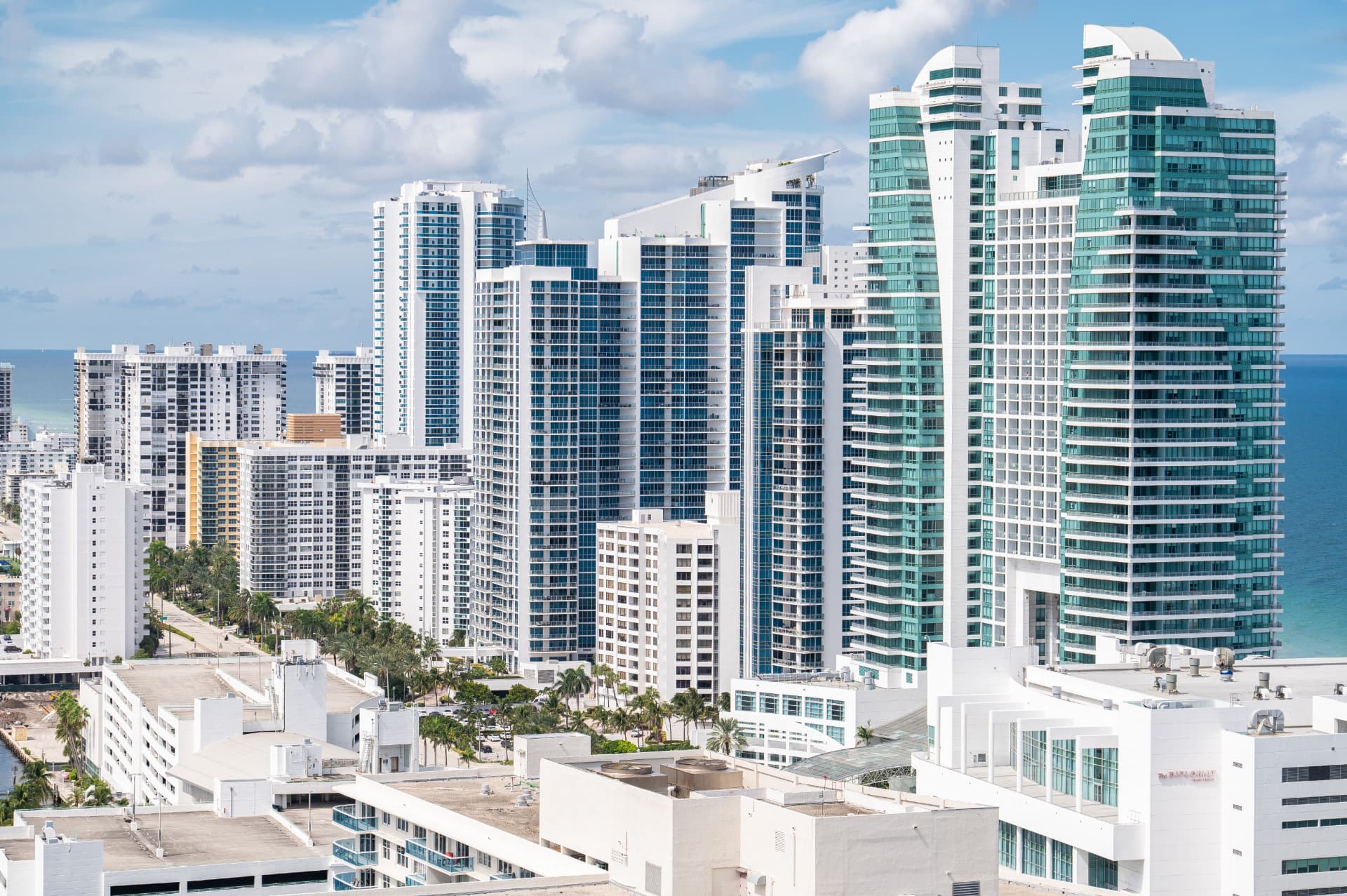
Commercial real estate financing encompasses structured debt and credit solutions—including permanent mortgages, bridge loans, and revolving credit lines—used by real estate investors and business owners to acquire, develop, or refinance income-producing properties.
Overview of Commercial Real Estate Loan Options
Securing the right commercial capital structure is vital for maximizing cash flow and long-term equity growth. Depending on whether you are acquiring an industrial facility, refinancing an office building, or securing working capital against real estate assets, lenders evaluate risk based on asset performance and borrower credibility.
Understanding commercial loan options explained for business owners allows borrowers to select financing structures tailored to their holding strategy, risk tolerance, and operational timelines.
Core Financing Structures for Commercial Assets
Debt Service Coverage Ratio (DSCR) Financing
For revenue-generating commercial real estate, debt service coverage ratio financing focuses primarily on property net operating income (NOI) rather than personal income verification. Reviewing DSCR loan essentials for income-producing assets helps investors evaluate how lease terms and vacancy assumptions directly impact borrowing capacity.
Short-Term Bridge Financing
When quick acquisition funding or asset repositioning is required, debt capital structures like short-term bridge debt offer interim capital until permanent refinancing or asset stabilization occurs. Utilizing bridge financing solutions for urgent capital needs provides flexibility when traditional long-term lenders require higher occupancy thresholds before closing.
Revolving Credit Lines and Working Capital
Commercial credit lines give business owners liquidity to execute value-add upgrades, manage cash flow seasonality, or fund initial pre-development costs without placing long-term debt on equity assets.
Key Factors Lenders Evaluate in CRE Financing
Commercial lenders evaluate several core metrics during underwriting:
- Debt Service Coverage Ratio (DSCR): Most commercial lenders require a minimum DSCR of 1.20x to 1.25x to ensure adequate cash flow buffers.
- Loan-to-Value (LTV): Traditional debt typically ranges from 65% to 75% LTV, while bridge capital may evaluate Loan-to-Cost (LTC).
- Interest Rate Environment: Macroeconomic benchmarks set by the Federal Reserve monetary policy guidance directly influence index rates such as SOFR and Prime.
- Government-Backed Loan Programs: Owner-occupied assets frequently leverage federal programs guided by U.S. Small Business Administration lending standards for high LTV financing.
Frequently Asked Questions
What is the typical term length for a commercial real estate loan?
Commercial real estate loan terms typically range from 3 to 10 years for conventional debt, while bridge loans run 12 to 36 months and SBA owner-occupied loans can extend up to 25 years.
How does cash flow affect commercial loan approval?
Lenders prioritize property cash flow to confirm that rental revenues reliably cover principal, interest, taxes, and insurance obligations with a sufficient safety margin.