
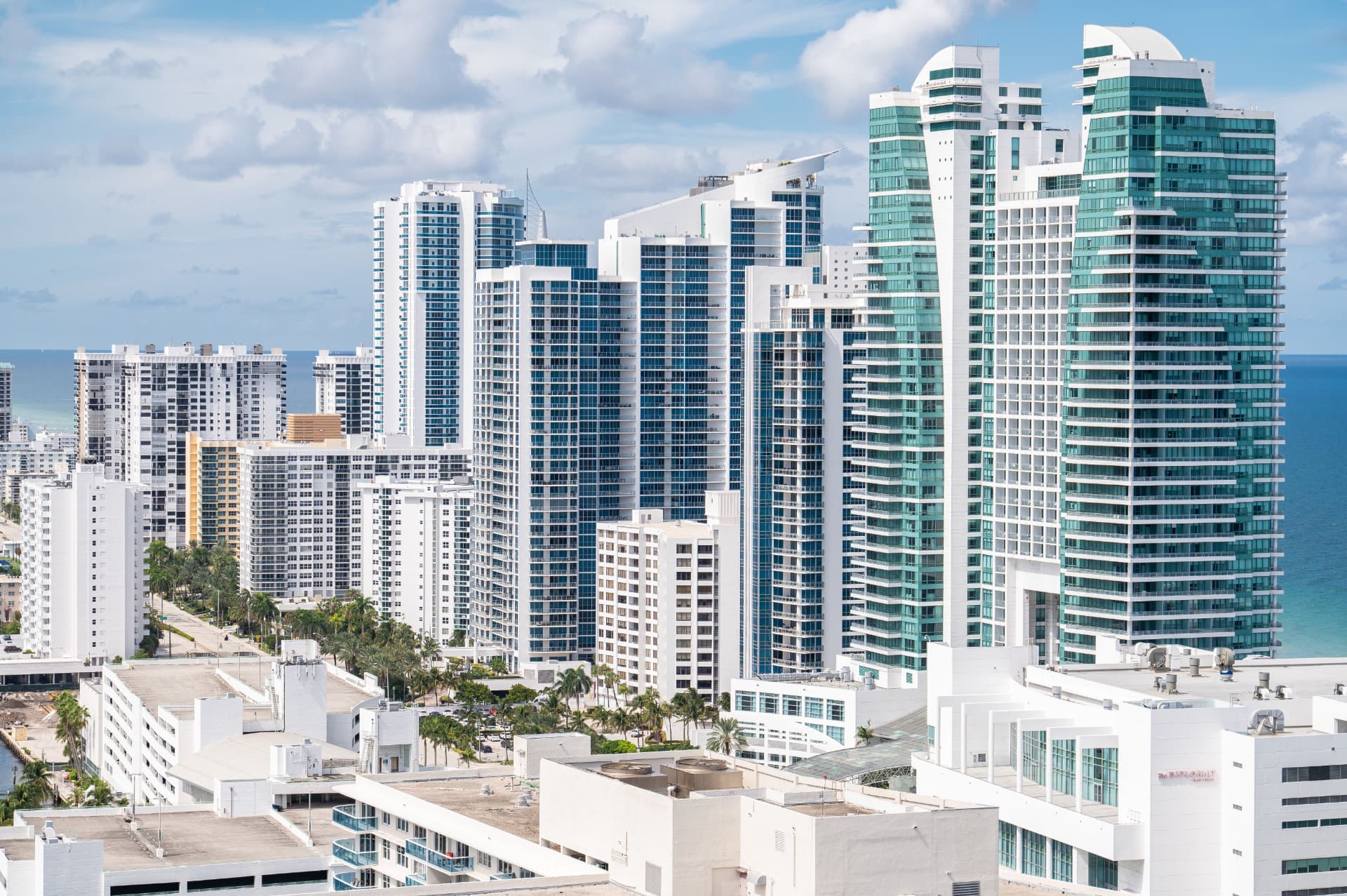
Understanding Commercial Property Financing
Acquiring commercial property represents a significant investment and a pivotal step for businesses looking to expand, relocate, or for investors seeking to grow their portfolio. Unlike residential mortgages, commercial property financing is often more complex, diverse, and tailored to the specific nature of the property, the borrower’s financial health, and the intended use. A practical understanding of the available financing avenues is crucial for any prospective commercial property buyer to navigate the market effectively and secure favorable terms. The goal is not merely to obtain a loan, but to secure financing that aligns strategically with long-term business objectives and financial capabilities. This involves a deep dive into various loan types, understanding lender requirements, and preparing a robust financial profile that demonstrates viability and repayment capacity.
The commercial real estate market is dynamic, influenced by economic cycles, interest rates, and regulatory changes. Therefore, staying informed about current market conditions and lender appetites is paramount. Lenders assess commercial property transactions based on a different set of criteria than residential ones, focusing heavily on the property’s income-generating potential, the borrower’s business plan, and the overall risk profile of the investment. This guide aims to demystify the process, providing commercial property buyers with the knowledge to approach financing with confidence and precision. By exploring the nuances of each financing option, buyers can make informed decisions that support their investment goals and operational needs.
Key Considerations Before Seeking Financing
Before engaging with lenders, commercial property buyers must undertake a thorough preparatory phase. This groundwork is essential for presenting a strong case and securing the most advantageous financing terms. Several critical factors influence a lender’s decision and the type of financing available.
Property Type and Use
The nature of the commercial property itself is a primary determinant. Whether it’s an office building, retail space, industrial warehouse, multi-family apartment complex, or specialized property like a hotel, each category carries different risk profiles and income generation patterns. Lenders often have specific expertise or preferences for certain property types. For instance, a bank specializing in industrial loans might offer better terms for a warehouse than a general commercial lender. The intended use of the property—owner-occupied versus investment property—also plays a significant role. Owner-occupied properties may qualify for different government-backed programs, such as SBA loans, which are typically not available for pure investment properties.
Borrower’s Financial Health and Business Plan
Lenders scrutinize the borrower’s financial stability, including personal and business credit scores, existing debt, cash flow, and liquidity. A strong financial history demonstrates reliability and reduces perceived risk. For businesses, a comprehensive business plan outlining revenue projections, operational strategies, and how the property acquisition supports these goals is indispensable. This plan should clearly articulate the property’s income-generating potential, whether through lease agreements, sales, or operational efficiencies. Lenders want to see a clear path to profitability and a robust strategy for managing the property and its associated costs.
Down Payment and Equity Contribution
The amount of capital a buyer can contribute upfront significantly impacts financing options and interest rates. Commercial loans typically require higher down payments than residential mortgages, often ranging from 20% to 40% or more. A larger down payment reduces the loan-to-value (LTV) ratio, signaling lower risk to the lender and potentially leading to more favorable terms. Lenders view a substantial equity contribution as a sign of the borrower’s commitment and financial strength. Buyers should also account for closing costs, which can be substantial and are separate from the down payment.
Market Conditions and Appraisal
Current real estate market conditions, including interest rates, property values, and vacancy rates, influence lending decisions. Lenders will conduct an independent appraisal of the property to determine its fair market value and ensure it provides adequate collateral for the loan. A favorable appraisal is crucial for loan approval. Buyers should also be aware of local economic trends and growth projections, as these factors can impact the property’s future value and income potential.
Tailored Financing Options for Commercial Property
The commercial financing landscape offers a variety of products, each designed to meet different needs and circumstances. Understanding these options is key to selecting the most appropriate funding solution.
Conventional Commercial Bank Loans
These are the most common type of commercial property financing, offered by traditional banks and credit unions. Conventional loans typically feature competitive interest rates, various repayment terms (often 5 to 20 years, with amortization schedules up to 25-30 years), and require a solid financial history from the borrower. They are suitable for well-established businesses with strong credit and substantial down payments. Lenders assess these loans based on the property’s income-generating ability (often using a Debt Service Coverage Ratio – DSCR), the borrower’s creditworthiness, and the property’s appraised value. While flexible, they can have stringent underwriting requirements and may involve more extensive documentation.
SBA 504 Loans
The Small Business Administration (SBA) 504 program is designed to promote economic development by providing long-term, fixed-rate financing for major fixed assets, such as commercial real estate. This program is particularly attractive for owner-occupied businesses. An SBA 504 loan involves three parties: the borrower, a conventional lender (bank), and a Certified Development Company (CDC). The bank typically finances 50% of the project cost, the CDC (backed by the SBA) finances up to 40%, and the borrower contributes a minimum of 10% as a down payment. Key benefits include lower down payments, longer repayment terms (up to 25 years for the CDC portion), and fixed interest rates, making it an excellent option for small and medium-sized businesses looking to purchase or expand their premises.
SBA 7(a) Loans
While the SBA 7(a) program is more versatile and can be used for a wider range of business purposes, including working capital and equipment, it can also be utilized for commercial real estate acquisition. These loans are offered by conventional lenders and guaranteed by the SBA, reducing risk for the lender. The guarantee allows lenders to provide financing to businesses that might not qualify for conventional loans. SBA 7(a) loans offer flexible terms, competitive rates, and can finance up to 90% of the project cost, though the real estate portion typically requires a higher down payment than the 504 program. Maximum loan amounts are capped, and eligibility criteria focus on the business’s size and ability to repay.
Bridge Loans
Bridge loans are short-term financing solutions designed to ‘bridge’ the gap between immediate funding needs and securing long-term financing or selling an existing asset. They are typically used in situations where a buyer needs to close on a property quickly but is waiting for a conventional loan to be approved, or needs capital for renovations before refinancing. Bridge loans usually have higher interest rates and fees due to their short duration (typically 6 months to 3 years) and higher risk profile. They are asset-based, meaning the loan is primarily secured by the property itself, and lenders focus on the property’s value and the borrower’s exit strategy for repayment.
Hard Money Loans
Hard money loans are a type of asset-based financing provided by private investors or companies rather than traditional financial institutions. They are characterized by quick approval processes, minimal documentation, and a focus on the collateral’s value rather than the borrower’s creditworthiness. Consequently, they come with significantly higher interest rates and fees compared to conventional or even bridge loans. Hard money loans are typically used for distressed properties, fix-and-flip projects, or when a borrower cannot qualify for traditional financing due to credit issues or urgent timelines. They are short-term solutions, often 6 months to 2 years, and require a clear exit strategy.
CMBS Loans (Commercial Mortgage-Backed Securities)
CMBS loans are large commercial real estate loans originated by financial institutions, then pooled together and sold as bonds to investors. These loans are non-recourse, meaning the borrower is generally not personally liable beyond the collateral. They offer competitive fixed interest rates and longer terms (typically 5, 7, or 10 years) with amortization schedules up to 30 years. CMBS loans are suitable for larger, stable, income-producing properties and sophisticated investors. The underwriting process is detailed, focusing heavily on the property’s cash flow and market stability. While they offer attractive terms, CMBS loans can be less flexible for borrowers seeking to make changes or prepay the loan, often involving significant defeasance or yield maintenance penalties.
Private Equity and Joint Ventures
For larger or more complex commercial property acquisitions, particularly development projects or properties requiring significant capital improvements, private equity firms or joint venture partnerships can be viable options. Private equity provides capital in exchange for an ownership stake in the property or project, offering expertise and resources beyond just financing. Joint ventures involve two or more parties pooling resources to undertake a specific project, sharing risks and rewards. These options are often preferred when traditional debt financing is insufficient or when the project’s risk profile is higher, requiring a more collaborative approach to capital and management.
Navigating the Application and Approval Process
Once a buyer has identified suitable financing options, the application and approval process requires meticulous preparation and attention to detail.
Documentation and Due Diligence
Lenders will request extensive documentation, including personal and business financial statements, tax returns, property appraisals, environmental reports, title searches, and a detailed business plan. Thorough due diligence on the property itself is crucial, encompassing inspections, zoning verification, and lease reviews if applicable. Any discrepancies or red flags during this phase can significantly delay or derail the approval process.
Underwriting and Loan Structuring
The underwriting phase involves the lender evaluating all submitted information to assess risk and determine loan terms. This includes analyzing the property’s income potential (DSCR), the borrower’s creditworthiness, and the overall market. Loan structuring involves negotiating interest rates, repayment schedules, covenants, and any specific conditions. Buyers should be prepared to negotiate and understand all terms before committing.
Closing and Post-Closing
The closing process involves signing all legal documents, transferring funds, and recording the property deed. Post-closing, borrowers must adhere to the loan covenants, which may include reporting requirements, maintaining specific financial ratios, or restrictions on property use. Regular communication with the lender and proactive management of the property are essential for a successful long-term relationship.
Conclusion: Strategic Financing for Commercial Success
Securing commercial property financing is a strategic endeavor that requires careful planning, a deep understanding of available options, and meticulous execution. By thoroughly evaluating property types, assessing financial health, and exploring tailored financing solutions—from conventional bank loans and SBA programs to bridge financing and private equity—commercial property buyers can position themselves for success. The right financing not only facilitates the acquisition but also supports the long-term viability and profitability of the investment. Engaging with experienced commercial real estate professionals and lenders who understand the nuances of the market is invaluable. With a well-informed approach, buyers can confidently navigate the complexities of commercial property financing and achieve their investment objectives.
FAQ: Commercial Property Financing
What is the typical down payment for a commercial property loan?
The typical down payment for commercial property loans ranges from 20% to 40% of the purchase price. This can vary based on the property type, the borrower’s financial strength, and the specific loan program. For instance, SBA 504 loans can require as little as 10% down for owner-occupied properties, while conventional loans often require 25-30% or more.
How long does it take to get approved for commercial property financing?
The approval timeline for commercial property financing can vary significantly. Conventional bank loans typically take 30 to 90 days, sometimes longer for complex transactions, due to extensive underwriting and due diligence. SBA loans might take 60 to 120 days. Bridge loans and hard money loans can be much faster, often closing in a few weeks or even days, given their streamlined processes and higher costs.
Can I use a residential mortgage for commercial property?
No, a residential mortgage cannot be used to purchase commercial property. Residential mortgages are specifically designed for owner-occupied homes and are regulated differently. Commercial properties require commercial loans, which are structured based on the property’s income-generating potential, business use, and the borrower’s business financial health, rather than personal income and credit alone.