
Commercial Loan Underwriting: DSCR and Debt Yield Guide

A technical guide to commercial real estate underwriting metrics. Learn how institutional capital analyzes DSCR, Debt Yield, and LTV to size debt proceeds.
SBA 7(a) Variable Rate vs Fixed Rate Owner-Occupied Property Loan Comparison

SBA 7(a) fixed-rate loans lock payments for up to 25 years, shielding owner-occupants from rate volatility. Variable-rate loans adjust with the Prime rate plus a spread, providing lower initial pricing and downward flexibility but carrying interest rate risk.
Medical Practice Construction Loans: Comparing SBA 504, 7(a), and Conventional Financing
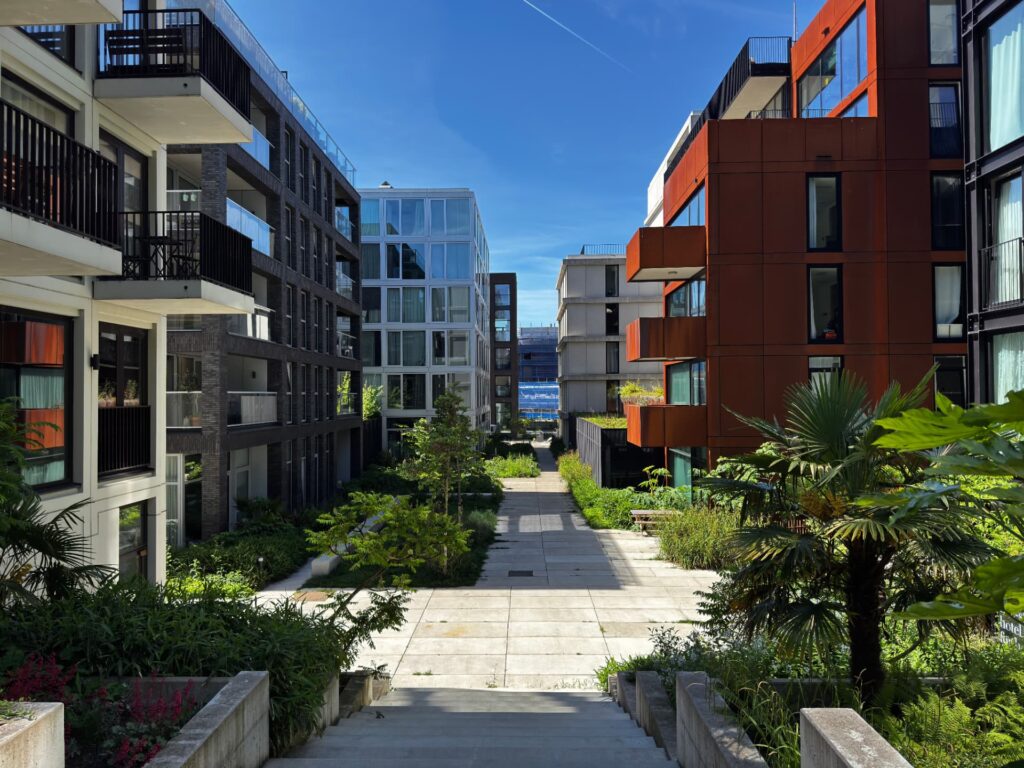
Medical practice construction loans fund ground-up builds and clinical tenant improvements. We structure these facilities via SBA 504, 7(a), or conventional programs, providing up to 90% financing to help physicians preserve operational capital while constructing specialized medical spaces.
Owner-Occupied CRE Loan vs. Sale-Leaseback: Cash Flow Comparison

An owner-occupied CRE loan preserves property equity and future appreciation with fixed amortization, whereas a sale-leaseback unlocks 100% of equity upfront for reinvestment at the expense of perpetual, escalating rent payments that reduce long-term operational cash flow.
Expert Q&A: Navigating Debt & Equity Placement in Today’s CRE Market

An executive Q&A with Thorne CRE on structuring capital stacks, optimizing commercial mortgage debt, and securing private equity across multifamily and industrial assets.
DSCR Loans for Commercial Real Estate: Conventional Bank Underwriting vs. Flexible Capital

A commercial real estate DSCR loan qualifies financing using property net operating income rather than personal tax returns. Unlike traditional bank mortgages requiring strict 1.25x coverage, flexible DSCR lenders accommodate lower coverage ratios, transitional assets, and non-recourse structures.
A Critical Review of Bank SBA Preferred Lender Processes and Requirements

An SBA Preferred Lender holds delegated authority to underwrite, approve, and close loans without prior SBA agency review. This process dramatically accelerates approval timelines, requiring borrowers to meet rigorous credit, cash flow, equity injection, and collateral eligibility standards.
SBA 504 51 Percent Occupancy Rule: Requirements and Calculations
Under SBA 504 rules, your operating company must occupy at least 51% of an existing commercial building, permitting you to lease up to 49%. In comparison, ground-up construction mandates 60% immediate owner-occupancy, scaling to 80% within ten years.
Commercial Banks Specialized in Southeast Corporate Growth: Conventional vs. SBA Financing

When evaluating corporate growth in the Southeast, we see regional commercial banks offer localized balance-sheet flexibility, whereas specialized lenders and SBA programs deliver higher leverage and capital preservation for owner-occupied corporate expansions.
Commercial Loan Refinancing Rates: Benchmarks, Spreads, and Program Comparison

Commercial loan refinancing rates typically range between 5.75% and 8.50%, varying by capital source. Fixed-rate agency and SBA 504 facilities offer the tightest spreads over Treasuries, whereas bank balance-sheet loans trade higher pricing for underwriting flexibility.