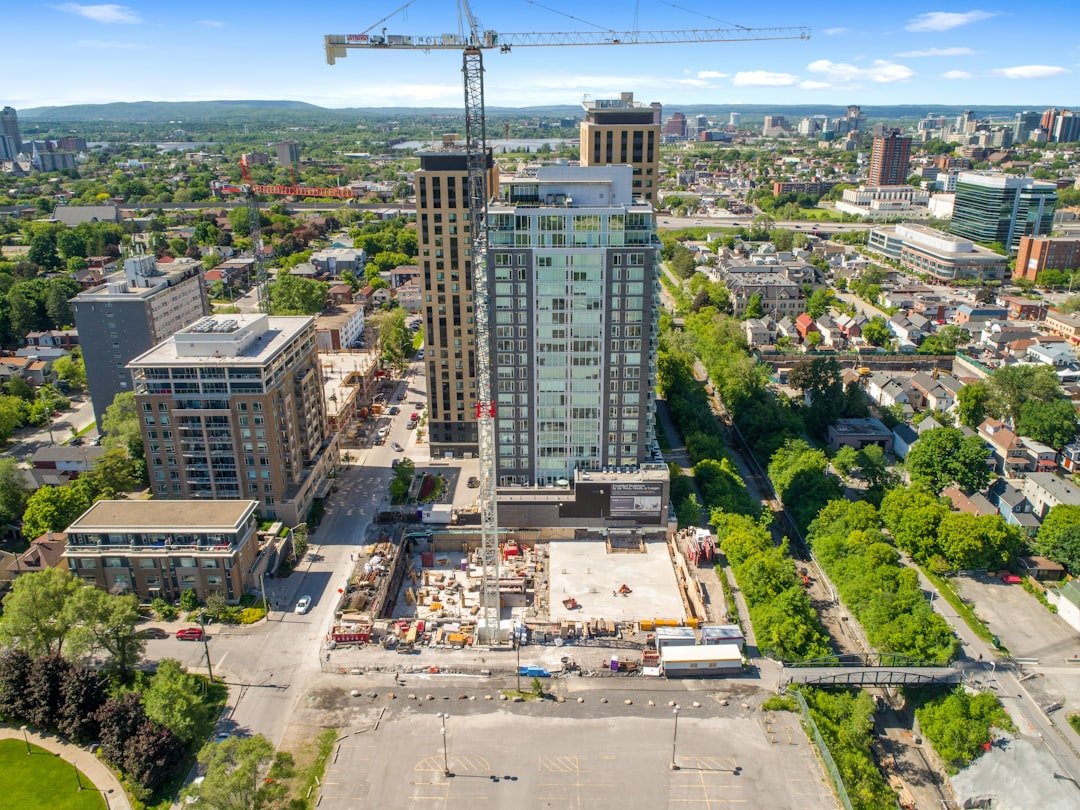

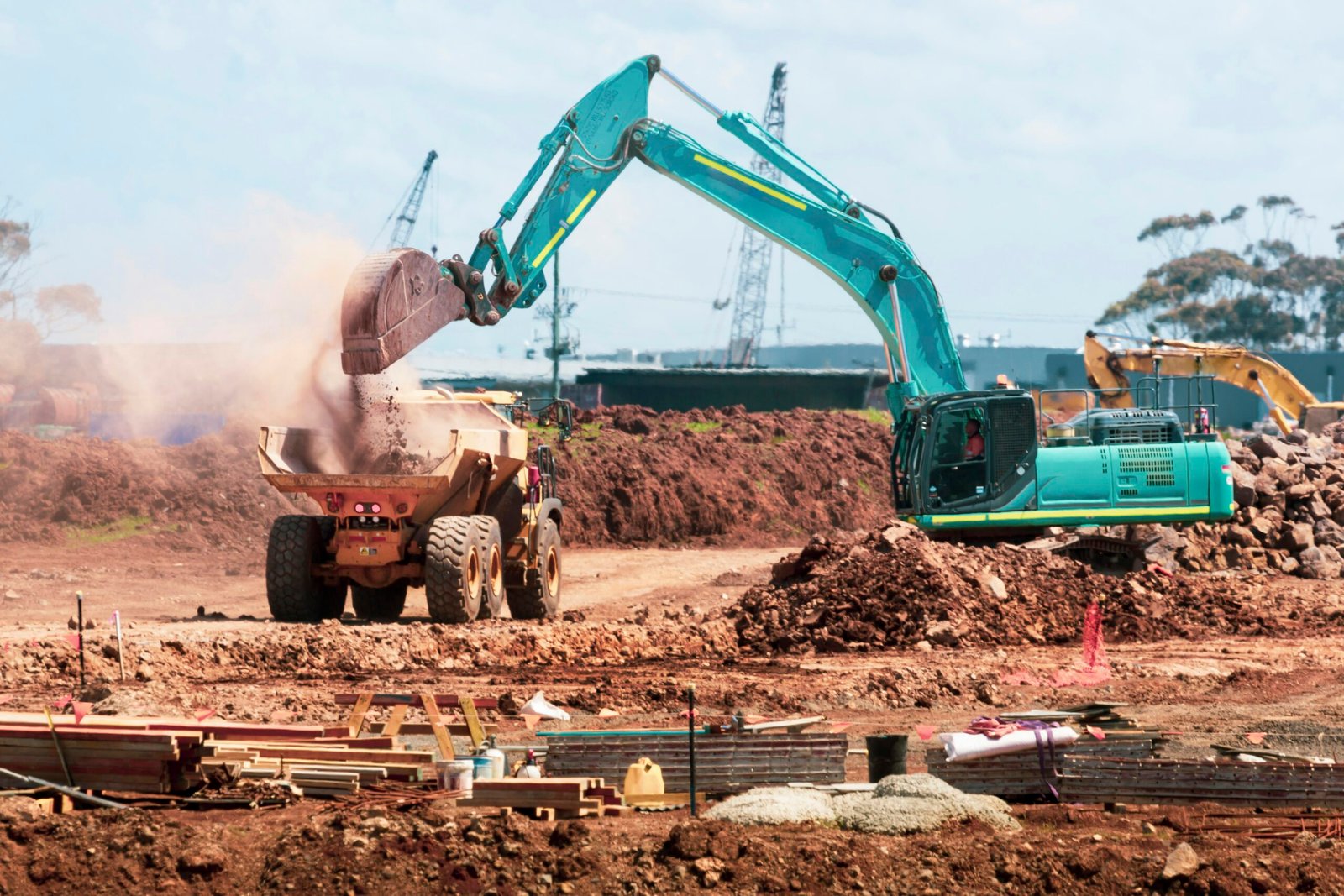
The U.S. construction industry is huge, with over 7 million workers in nearly 700,000 companies. But, dealing with construction financing can lead to cost overruns. This is a big problem for project developers.
Lenders look closely at construction plans to lower the risk of cost overruns. A solid plan is key to getting financing and making sure the project works.
Key Takeaways
- Knowing what lenders want is vital for getting construction financing.
- A detailed construction plan helps avoid cost overruns.
- Good planning is crucial for a project’s success and getting funding.
- Lenders prefer projects with clear financial plans.
- Staying away from cost overruns keeps a project profitable.
The Stakes of Proper Construction Planning
Construction planning is a high-stakes game. A small mistake can cost a lot of money. Projects are complex, with many factors like material costs and labor availability. A good construction plan helps tackle these challenges.
The Financial Impact of Project Overruns
Cost overruns can change a project’s direction, leading to big financial losses and delays. When projects go over budget, it affects everyone involved. It can cut into developers’ profits and increase lenders’ risks.
A study by Business Roundtable shows big construction projects often see cost increases of 20% to 50%. These increases can be tough for developers to handle. It makes it hard to finish projects on time and within budget.
| Project Type | Average Cost Overrun | Potential Financial Impact |
|---|---|---|
| Residential | 15% | $150,000 on a $1 million project |
| Commercial | 25% | $2.5 million on a $10 million project |
| Infrastructure | 30% | $300 million on a $1 billion project |
Why Lenders Are Increasingly Cautious
Lenders are getting more careful with construction projects. They worry about cost overruns and delays. So, they ask for detailed financial plans and risk assessments before lending.
This caution helps lenders avoid big losses. By closely checking construction plans, they can make smarter lending choices. This way, they can protect themselves and their investments.
Construction Financing Fundamentals
Effective construction financing is crucial for timely and budget-friendly project completion. Construction loans make up 3.82% of all loans and leases. This shows their specialized role and importance in finance.
Construction financing isn’t a one-size-fits-all solution. It includes various loan types and processes. Borrowers must navigate these to fund their projects.
Types of Construction Loans in Today’s Market
Today’s market offers several construction loan types, each for different project needs. The most common include:
- Construction-only loans: These fund the construction phase only. They are paid off when the project is done.
- Construction-to-permanent loans: These cover both construction and long-term financing. They turn into a traditional mortgage after construction is complete.
- Owner’s construction loans: These are for property owners who manage the construction themselves.
It’s important for borrowers to understand these loan types. This helps them pick the best financing for their projects.
| Loan Type | Description | Typical Use |
|---|---|---|
| Construction-only | Funds construction phase only | Projects with clear exit strategy |
| Construction-to-permanent | Covers construction and long-term financing | Residential and commercial projects |
| Owner’s construction | For owners acting as general contractors | Experienced property owners |
The Construction Draw Process Explained
The construction draw process is key in construction financing. It involves the lender giving funds in stages as construction advances.
Here’s how it works:
- Initial inspection and approval
- Submission of draw requests by the borrower
- Lender inspection to verify progress
- Disbursement of funds
“The construction draw process allows lenders to manage risk while providing borrowers with the necessary funds to complete their projects.”
Understanding the construction draw process is vital. It helps borrowers manage their cash flow and keep their projects on track.
Common Causes of Construction Cost Overruns
It’s key for developers, contractors, and lenders to know why construction costs often go over budget. Overruns can hurt a project’s financial health. So, it’s important to spot and fix these issues early.
Inadequate Initial Budgeting
Not setting a good budget at the start is a big reason for cost overruns. This can happen if the cost estimates are wrong or if some expenses are missed.
Missing Soft Costs
Soft costs, like fees for architects and engineers, and permits, can add up fast. Not planning for these can leave a project short on funds.
Underestimating Labor Expenses
Labor costs are a big part of construction costs. If these costs are underestimated, due to things like labor shortages, it can lead to overruns.
Design Changes and Scope Creep
Changes in design or scope can greatly affect costs. Scope creep, where the project’s goals or what it delivers changes, can also increase costs.
Material Price Fluctuations and Supply Chain Issues
Changes in material prices and supply chain problems can also cause overruns. Knowing the market and having backup plans can help manage these risks.
| Cause of Cost Overrun | Impact | Mitigation Strategy |
|---|---|---|
| Inadequate Initial Budgeting | Budget shortfalls | Accurate cost estimation, contingency planning |
| Design Changes and Scope Creep | Additional expenses, project delays | Clear project scope definition, change order management |
| Material Price Fluctuations | Cost increases | Market trend analysis, flexible pricing agreements |
Knowing the common reasons for cost overruns helps everyone involved take steps to avoid them. This way, projects are more likely to succeed.
What Lenders Expect in Your Construction Budget
Lenders look closely at construction budgets to see if a project can work and what risks it might have. It’s key to have a detailed and realistic financial plan. This not only helps get funding but also manages the project well.
Knowing how to budget for construction is important for both lenders and borrowers. Lenders want to know their money is safe and the project will finish on time and within budget.
Required Line-Item Detail
A detailed construction budget should list all costs clearly. This detail helps lenders see how money will be used.
Cost Breakdown Structures
Having a clear cost breakdown is crucial. It includes things like land costs, construction, and soft costs like design fees. For example, a home project might spend 60% on construction, 20% on land, and 20% on soft costs and extra money for surprises.

Just having a budget isn’t enough; lenders want proof of your numbers. This can be quotes from contractors, data from similar projects, or industry standards. For example, if you plan to spend $500,000 on roofing, you should have a contractor’s quote to back it up.
“A well-documented budget is a sign of a well-prepared borrower.” This shows how important detailed budgeting is for getting construction financing.
Budget Red Flags That Concern Lenders
Lenders watch for budget red flags that show project risks. These include unrealistic costs, not enough extra money for surprises, and unclear budget details.
To avoid these problems, make sure your budget is complete and based on real numbers. For example, having a 10% to 15% extra fund for surprises can help with unexpected costs.
- Include a good extra fund for surprises.
- Give detailed quotes and estimates to back your budget.
- Make sure your budget fits the project’s scope and timeline.
By fixing these issues and having a clear budget, you can better get construction financing.
Building Proper Contingencies Into Your Plan
Contingency planning is key in construction projects. It helps manage risks and keeps finances stable. A good contingency plan prepares for cost overruns, keeping the project viable and meeting lender needs.
Contingencies act as a financial safety net against unexpected expenses. Knowing the types of contingencies helps developers manage their finances well. This keeps projects on schedule.
Hard Cost vs. Soft Cost Contingencies
Construction financing has two main types of contingencies: hard and soft. Hard cost contingencies cover physical construction costs like materials and labor. These can include price changes, site issues, or construction delays.
Soft cost contingencies handle non-construction costs. This includes architectural fees, permits, and financing. Soft costs can change as much as hard costs, and a contingency helps manage them.
Appropriate Contingency Percentages by Project Type
The needed contingency amount varies by project type, complexity, and location. Knowing the right contingency percentage is key for good financial planning.
Residential Construction Guidelines
Residential projects usually need a 5% to 10% contingency. This covers common issues like material price changes and labor costs.
Commercial Project Considerations
Commercial projects need more contingency due to their size and complexity. A 10% to 15% range is often suggested to handle more risks and expenses.
Adding the right contingencies to plans makes projects more financially stable. It also helps secure construction financing.
Creating a Lender-Approved Construction Timeline
Creating a detailed construction timeline is key to getting lender approval. A well-thought-out timeline lets lenders see if the project is viable and what risks it might have. It also helps borrowers manage their projects better, cutting down on delays and cost overruns.
Critical Path Scheduling Techniques
Critical path scheduling helps find the most important tasks in a project. These tasks decide the project’s shortest time to finish. By focusing on these tasks, managers can use resources better and avoid delays. This method is great for complex projects where tasks depend on each other.
Accounting for Seasonal and Market Variables
Seasonal and market changes can greatly affect construction projects. Weather, material availability, and labor market changes can all impact timelines. To handle these, project managers need to plan for unexpected things.
Weather Contingencies
Weather can stop construction work. By planning for weather, developers can lessen its impact. This might mean doing important tasks when the weather is better or having indoor plans ready.
Material Delivery Timeframes
When and how materials arrive is also important. If materials don’t arrive on time, the project can slow down. To avoid this, managers should work well with suppliers to get materials on schedule.
Using critical path scheduling and planning for seasonal and market changes helps create a timeline lenders will approve. This makes the project look more reliable to lenders, helping it get the financing it needs.
Managing Change Orders Without Derailing Your Budget
Change orders can really affect construction budgets. It’s key to have a strong plan to manage them. This ensures projects stay on track and don’t go over budget.
Establishing a Change Order Protocol
Creating a clear change order plan is the first step. It should outline how to handle changes. A good plan helps keep costs down by making sure all changes are approved first.
- Identify the change and its cause
- Document the change and its impact on the project
- Obtain necessary approvals from stakeholders
- Implement the change and monitor its effects
Communicating Changes to Your Lender
Telling your lender about changes is very important. They need to know about any changes that might affect the budget or timeline. Being open helps keep the lender’s trust and ensures funding.
Documentation Requirements
When sharing changes with lenders, you need to document everything. This includes detailed change orders and cost estimates. Good documentation helps lenders understand the changes and their costs.
Approval Processes
The approval process for change orders involves many people. This includes the project owner, contractor, and lender.
“Effective communication and collaboration among stakeholders are key to successfully managing change orders and maintaining project budgets.”
It’s important that everyone agrees on the changes. This helps avoid going over budget.
| Change Order Element | Description | Impact on Budget |
|---|---|---|
| Change Description | Detailed explanation of the change | High |
| Cost Estimate | Financial impact of the change | Medium |
| Timeline Adjustment | Effect on project schedule | Low |
By having a solid change order plan and keeping in touch with lenders, projects can handle changes well. This is key to successful construction project management.
Essential Documentation for Construction Financing
To get through the complex world of construction financing, developers must know the key documents lenders need. This knowledge is key to getting project approval and keeping lenders confident during construction.
Pre-Construction Documents Lenders Require
Before starting construction, lenders need certain documents to check if the project is viable. These documents are the base for lender oversight and project approval.
Plans and Specifications
Detailed plans and specifications are vital for lenders to grasp the project’s scope, timeline, and budget. These documents should include:
- Architectural drawings
- Engineering plans
- Material specifications
- Construction methodologies
Contracts and Agreements
Lenders also need copies of contracts and agreements between the developer, contractors, and subcontractors. These documents help lenders understand the project’s financial structure and potential risks.
| Contract Type | Description | Lender Interest |
|---|---|---|
| Construction Contract | Agreement between developer and general contractor | Project timeline, budget, and payment terms |
| Subcontractor Agreements | Contracts between general contractor and subcontractors | Scope of work, payment terms, and potential liabilities |
Ongoing Documentation During Construction
Once construction starts, lenders need ongoing documents to ensure the project stays on track and within budget. This includes:
Progress Reports and Draw Requests are key for lenders to track project progress and release funds. These documents should be detailed and backed by evidence of work done.
“Regular and accurate reporting is key to maintaining lender confidence and ensuring the smooth flow of construction financing.”
Lenders might also do site visits and inspections to check the information in these reports.
By understanding and providing the necessary documentation, developers can make the construction financing process smoother. This helps build a stronger relationship with lenders.
Lender Oversight During the Construction Process
Lenders keep a close eye on construction to reduce risks and follow loan rules. This is key for project success, as it spots and fixes problems early.
Understanding Draw Inspections
Draw inspections are a big part of lender oversight. They check if the work is done right and if funds are used correctly.
What Inspectors Look For
Inspectors look for finished work, quality, and if it meets the project plan. They check for proper material usage and code compliance.
Preparing for Inspections
Contractors should keep detailed records of work done, like photos and invoices. Being ready can make inspections smoother and avoid delays.
Responding to Lender Concerns
If lenders have concerns, it’s important to answer quickly and well. This might mean providing more info, fixing issues, and preventing future problems.
Good communication with lenders can solve problems fast and keep the project moving. Understanding and addressing lender concerns helps keep the relationship strong and the project on track.
Risk Management Strategies That Impress Lenders
To get construction financing, borrowers must show they can handle risks. Lenders want to be sure borrowers can manage project risks. Good risk management makes the project look better and builds a strong relationship with lenders.
Insurance Requirements and Bonding
Lenders want borrowers to have good insurance. This includes builder’s risk insurance, general liability insurance, and worker’s compensation insurance. Builder’s risk insurance protects against damage during construction. General liability insurance covers injuries or property damage. Lenders also want performance and payment bonds to ensure the project is finished and payments are made.
- Builder’s risk insurance
- General liability insurance
- Worker’s compensation insurance
- Performance bonds
- Payment bonds
Contractor Vetting and Management
Choosing the right contractor is key to managing risks. Lenders expect borrowers to carefully check contractors’ qualifications and past work.
Qualification Criteria
When picking a contractor, look at their financial stability, technical skills, and experience. Checking their past projects and references can give you a good idea of their abilities.
Performance Monitoring
After choosing a contractor, it’s important to keep an eye on their work. This means regular visits, updates, and fixing any problems quickly. Good monitoring helps avoid risks and keeps the project on track.
Technology Tools for Budget Tracking and Reporting
Technology has made managing construction finances easier. It helps avoid cost overruns and keeps projects on budget.
Technology improves accuracy and communication in construction. It lets companies share project updates and financial status with lenders.
Construction Management Software Options
Construction management software has changed project management. It includes features like budget tracking, scheduling, and document management. Some popular ones are:
| Software | Key Features | Benefits |
|---|---|---|
| Procore | Budget tracking, RFIs, Submittals | Enhanced collaboration, Real-time updates |
| Buildertrend | Scheduling, Financial tracking | Streamlined operations, Improved accuracy |
| PlanGrid | Document management, Collaboration tools | Reduced errors, Increased productivity |
Real-Time Reporting Systems for Lenders
Real-time reporting systems give lenders current project and financial updates. This is key for construction financing. It lets lenders see how the project is doing and make smart choices.
Using these tools, construction companies can avoid cost overruns. They also build better relationships with lenders by being more open and collaborative.
Case Studies: Successful Construction Financing Projects
Looking at successful construction projects helps us learn about financing. These examples show how to plan well and manage risks. They also teach us how to avoid going over budget. By studying both homes and commercial buildings, we understand what lenders want to see.

Residential Development Success Story
A suburban residential project is a great example. It built 50 luxury homes for $25 million. Effective budgeting and contingency planning were crucial. The team used software to keep track of costs, staying on budget.
- Detailed budgeting that accounted for potential cost overruns
- Regular financial reporting to lenders
- Proactive management of change orders
Commercial Project Budget Management Example
A downtown office building project is another success story. It had a $40 million budget and a strong risk management plan. They planned for risks like price changes in materials and had ways to deal with them.
- Conducting thorough risk assessments
- Establishing a contingency fund
- Maintaining open communication with lenders
Both examples show the value of good planning, risk management, and talking openly with lenders. These are key to successful construction financing.
Conclusion: Building a Foundation for Financial Success
Building a strong financial base in construction needs careful planning and good risk management. It also requires clear talks with lenders. Knowing what lenders want and using smart financing plans can help avoid risks and make sure projects work out.
It’s key to have good oversight from lenders in construction financing. They must feel sure their money is being used right and the project is on schedule. Keeping lenders updated and being open about progress helps build trust and makes the construction process smoother.
By using the tips from this article, construction experts can handle the challenges of financing and lender oversight better. This includes making detailed budgets, handling changes well, and using tech for tracking and reporting. With these steps, developers can set their projects up for success and build a solid base for the future.