

See what you may qualify for before your loan matures, with clear options from multiple national lenders.
Prefer to start online? Scroll down to complete a short application instead.
Commercial real estate loans typically come with maturity dates that require property owners to make important decisions. When your mortgage approaches maturity, you face a critical window where planning makes all the difference.
Many commercial property owners wait too long to explore their options. This creates unnecessary stress and limits available choices. Market conditions change constantly, affecting interest rates and lending terms.
Understanding your options early helps you make informed decisions. The commercial real estate market offers various paths forward when loans mature. Some investors refinance with their current lender, while others seek better terms elsewhere.
This guide explains what property owners need to know about commercial loan options for maturing mortgages. You will learn how to evaluate your situation, understand available choices, and take practical steps toward securing favorable financing terms.
Understanding Commercial Mortgage Maturity

A commercial mortgage maturity date marks when your loan term ends. Unlike residential mortgages that often span thirty years, commercial real estate loans usually mature in five to ten years. This shorter timeline affects how property owners plan their financing strategy.
When a loan matures, the remaining balance becomes due. Most commercial loans use amortization schedules that extend beyond the maturity date. This means you still owe a substantial balloon payment when the term ends.
Property owners have several options at maturity. You can refinance the existing debt, pay off the balance, or negotiate an extension with your current lender. Each choice carries different implications for your investment strategy and cash flow.
Why Loan Maturity Timing Matters
Market dynamics play a significant role in your refinancing options. Interest rates fluctuate based on economic conditions and Federal Reserve policies. Starting your search three to twelve months before maturity gives you flexibility to navigate these changes.
Lenders need time to evaluate your property and financial position. The underwriting process for commercial real estate loans involves detailed analysis of income, property value, and market conditions. Early preparation strengthens your negotiating position.
Many property owners discover that lenders offer better terms to borrowers who plan ahead. Last-minute refinancing often means accepting whatever terms are available. This approach can cost you thousands of dollars in higher rates or unfavorable loan structures.
Common Challenges at Maturity
Market Volatility
Economic shifts affect lending standards and available rates for commercial properties.
- Interest rate increases since your original loan
- Changes in property values impacting loan-to-value ratios
- Shifts in lender appetite for specific property types
- Economic uncertainty affecting debt service coverage requirements
Property Performance
Your building’s financial track record influences refinancing terms and lender interest.
- Occupancy rate changes since loan origination
- Income fluctuations affecting debt coverage ratios
- Deferred maintenance reducing property value
- Tenant quality and lease term considerations
Borrower Circumstances
Personal financial changes impact your ability to secure favorable loan terms.
- Credit score variations since original financing
- Changes in personal liquidity and reserves
- Portfolio expansion affecting debt ratios
- Partnership or ownership structure modifications
Lender Relationships
Banking partnerships and market positioning affect available refinancing options.
- Current lender’s portfolio strategy changes
- Competition among lenders for quality properties
- Relationship history and payment track record
- Access to alternative lending sources and programs
How We Support Your Next Loan

Thorne CRE works with commercial property owners whose loans are approaching maturity. We help you compare options from several national lenders through one point of contact. This saves you the time and effort of reaching out to multiple financial institutions individually.
Our focus centers on clear, lender-ready information and a smooth process from first conversation through closing. We understand that managing commercial properties demands your attention. Coordinating with numerous lenders adds unnecessary complexity to your schedule.
The commercial real estate financing landscape includes many lenders with different appetites for various property types. We maintain relationships with six national lenders who actively fund commercial loans. This network gives you access to competitive terms without spending weeks on individual applications.
Our Streamlined Process
Initial Review
We examine your current loan structure and maturity timeline. This conversation typically takes fifteen minutes and helps us understand your property and financing goals.
Market Analysis
Our team evaluates current market conditions and lender programs. We identify realistic loan structures and rate ranges based on your property type and financial position.
Lender Coordination
We present your opportunity to multiple lenders simultaneously. This creates competitive tension that often results in better terms than approaching one institution at a time.
Many property owners find value in having one experienced point of contact who understands both their situation and lender requirements. We translate between your business needs and lender underwriting criteria.
Ready to Explore Your Options?
Connect with our team to review your property and maturity timeline. We’ll outline realistic loan structures and coordinate with multiple national lenders on your behalf.
What You Receive from Prequalification

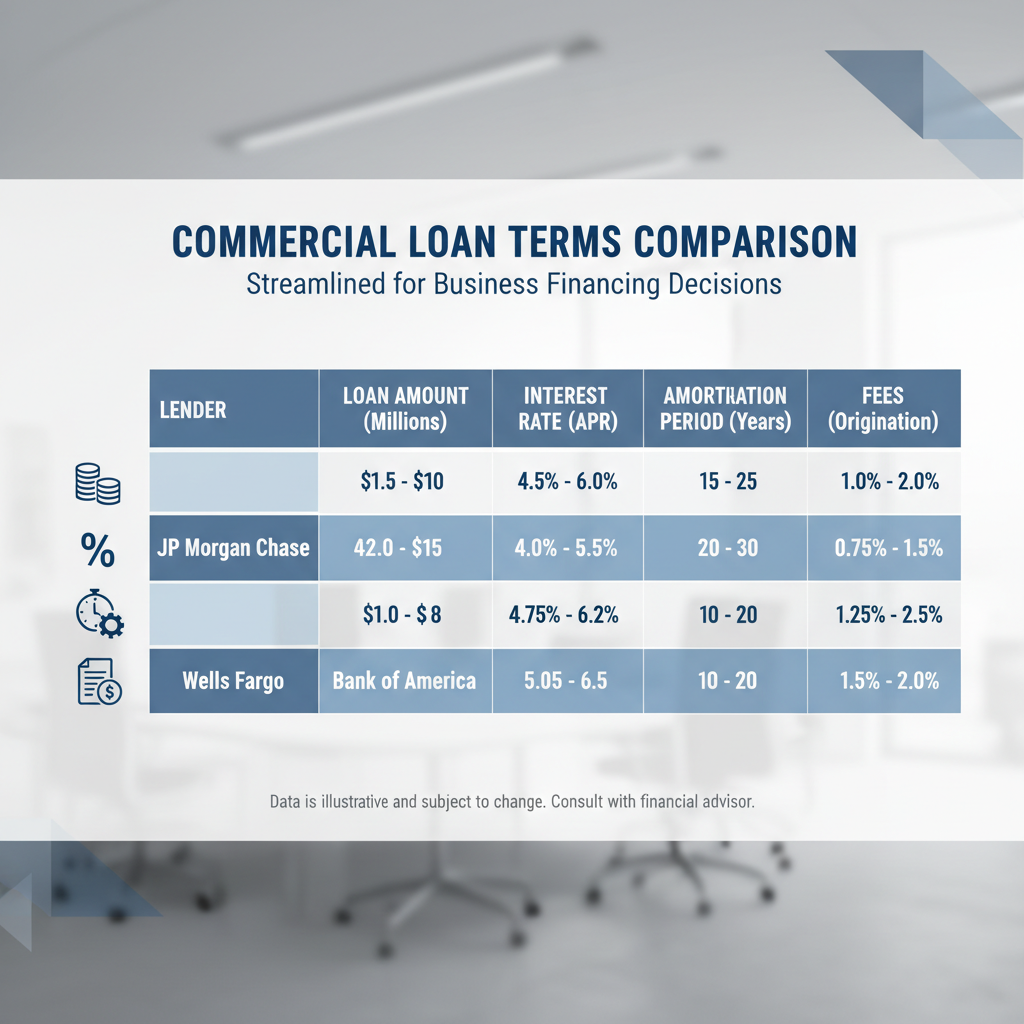
After a brief meeting or completed application, we prepare a same-day prequalification. This document outlines an estimated loan amount, projected rate range, and indicative terms from six national lenders. The prequalification gives you a practical view of what the market may offer.
This information comes without requiring a full underwrite or commitment. You receive concrete data about potential financing before investing significant time in the formal application process. Many property owners use this information to make strategic decisions about their properties.
The prequalification addresses key questions that commercial property owners face. What loan amount can the property support? How do current market rates compare to your existing loan? Which lenders show interest in your property type?
What the Prequalification Includes
Loan Structure Overview
Your prequalification details the fundamental terms each lender may offer. This includes maximum loan amounts based on property value and income. We also outline expected amortization periods and loan term lengths.
Different lenders structure commercial real estate loans in various ways. Some prefer shorter terms with lower rates. Others offer longer stability with slightly higher pricing. The prequalification compares these approaches side by side.
We include debt service coverage requirements and loan-to-value limits. These factors determine how much financing your property can support. Understanding these ratios helps you evaluate whether additional equity or property improvements make sense.
Using Your Prequalification Effectively
The prequalification serves as a decision-making tool. You can compare the outlined terms against your current loan to evaluate refinancing benefits. Some property owners discover that market conditions favor waiting, while others find significant savings opportunities.
You also gain clarity about timing. If your property needs occupancy improvements or minor renovations, the prequalification shows how these changes might affect loan terms. This information helps you sequence your actions effectively.
Many investors use the prequalification to discuss strategy with their partners or advisors. Having concrete numbers from real lenders makes these conversations more productive than speculation about market conditions.
Commercial Loan Options for Maturing Mortgages
Commercial property owners have several paths forward when their existing loan matures. Each option carries distinct advantages depending on your property performance, market conditions, and business strategy. Understanding these choices helps you select the approach that best aligns with your goals.

Traditional Refinancing
Traditional refinancing replaces your existing loan with new financing. This approach works well when your property has strong occupancy and consistent income. Lenders offer competitive rates for properties with solid fundamentals and reliable cash flow.
The refinancing process involves full underwriting similar to your original loan. Lenders examine property value, income statements, and your financial position. Most commercial lenders require current appraisals and detailed rent rolls.
Interest rates for refinancing depend on current market conditions and your property’s performance. Properties with improving income streams often qualify for better terms than when originally financed. Conversely, declining occupancy may result in higher rates or lower loan amounts.
Loan Modification and Extension
Some lenders offer modifications or extensions on existing loans approaching maturity. This option can be simpler than full refinancing, especially if your relationship with the current lender is strong. Extensions typically involve less paperwork and lower closing costs.
However, extensions may not always offer the best terms. Lenders know you face time pressure as maturity approaches. Shopping alternative lenders often reveals more competitive pricing than automatic extensions.
Loan modifications become relevant when your property’s circumstances have changed. If occupancy declined or market conditions shifted, modifications might adjust payment structures or extend amortization schedules.
Bridge Financing Solutions
Bridge loans provide short-term financing while you implement a longer-term strategy. These loans work well when your property has near-term value-creation opportunities. Examples include lease-up periods or planned renovations that will improve property performance.
Bridge financing typically carries higher interest rates than permanent loans. The trade-off is speed and flexibility. Many bridge lenders focus more on property potential than current income, making them suitable for properties in transition.
Property owners use bridge loans to avoid selling quality assets during temporary weakness. Once improvements are complete and income stabilizes, you can refinance into permanent financing at better terms.
Sale and Alternative Strategies
In some cases, selling the property makes more sense than refinancing. This applies when market values exceed your basis significantly or when the property no longer fits your investment strategy. Market conditions and property timing influence this decision.
Other investors consider partnership structures or equity raises to pay down debt. Reducing loan amounts can improve terms when property values support less leverage than your current loan balance.
Important consideration: Each financing option has different impacts on cash flow, equity position, and long-term returns. Evaluating multiple scenarios helps identify the approach that best serves your investment goals.
Market Conditions Affecting Commercial Refinancing
The commercial real estate market operates within broader economic cycles that directly impact financing availability and terms. Understanding these market dynamics helps property owners time their refinancing decisions effectively and set realistic expectations.

Interest Rate Environment
Interest rates represent the single largest variable cost in commercial financing. Central bank policies influence short-term rates, which cascade through the lending markets. When rates rise, debt service costs increase even if loan amounts remain constant.
Lenders price commercial loans based on benchmark rates plus a spread. The spread reflects their assessment of risk for your specific property and market. Strong properties in prime locations typically receive tighter spreads than secondary assets.
Rate locks become important tools when refinancing. Markets can shift between application and closing. Most lenders offer rate locks for thirty to ninety days, protecting you from increases during the approval process.
Property Type Considerations
Different property sectors experience varying levels of lender interest. Office properties face different market dynamics than industrial or multifamily assets. Lenders adjust their appetite based on sector performance and outlook.
Industrial and multifamily properties currently attract strong lender interest in many markets. These sectors showed resilience during recent economic uncertainty. Office properties face more scrutiny, particularly in markets with changing work patterns.
Retail properties require careful evaluation of tenant mix and location. Grocery-anchored centers often receive better terms than fashion retail. Lenders examine tenant credit quality and lease durations closely in this sector.
Regional Market Variations
Strong Market Indicators
- Growing employment and population
- Low vacancy rates in your property type
- Increasing rental rates over time
- New businesses and investment entering area
- Infrastructure improvements and development
Challenging Market Signals
- Declining population or business exodus
- Rising vacancy rates in comparable properties
- Stagnant or declining rental rates
- Limited transaction activity and sales
- Deteriorating infrastructure or services
Geographic location significantly affects financing terms. Lenders view primary markets like major metropolitan areas more favorably than tertiary markets. This translates to better rates and higher leverage in established markets.
However, secondary markets sometimes offer opportunities that lenders recognize. Growing regions with strong fundamentals can attract competitive financing even outside traditional gateway cities.
Is This Approach Right for Your Situation?

Working with Thorne CRE makes sense for specific situations and property owner profiles. Understanding whether this approach fits your circumstances helps you make the best use of your time and resources.
This service is designed for owners who have a commercial loan with a maturity date in the next three to twelve months. If your loan matures in less than ninety days, options become more limited. Starting earlier provides flexibility to evaluate multiple paths forward.
Property owners who value efficiency benefit most from our approach. Rather than spending weeks contacting individual lenders and repeating your story multiple times, you share information once. We handle coordination across multiple institutions simultaneously.
Ideal Candidate Profile
Established Properties
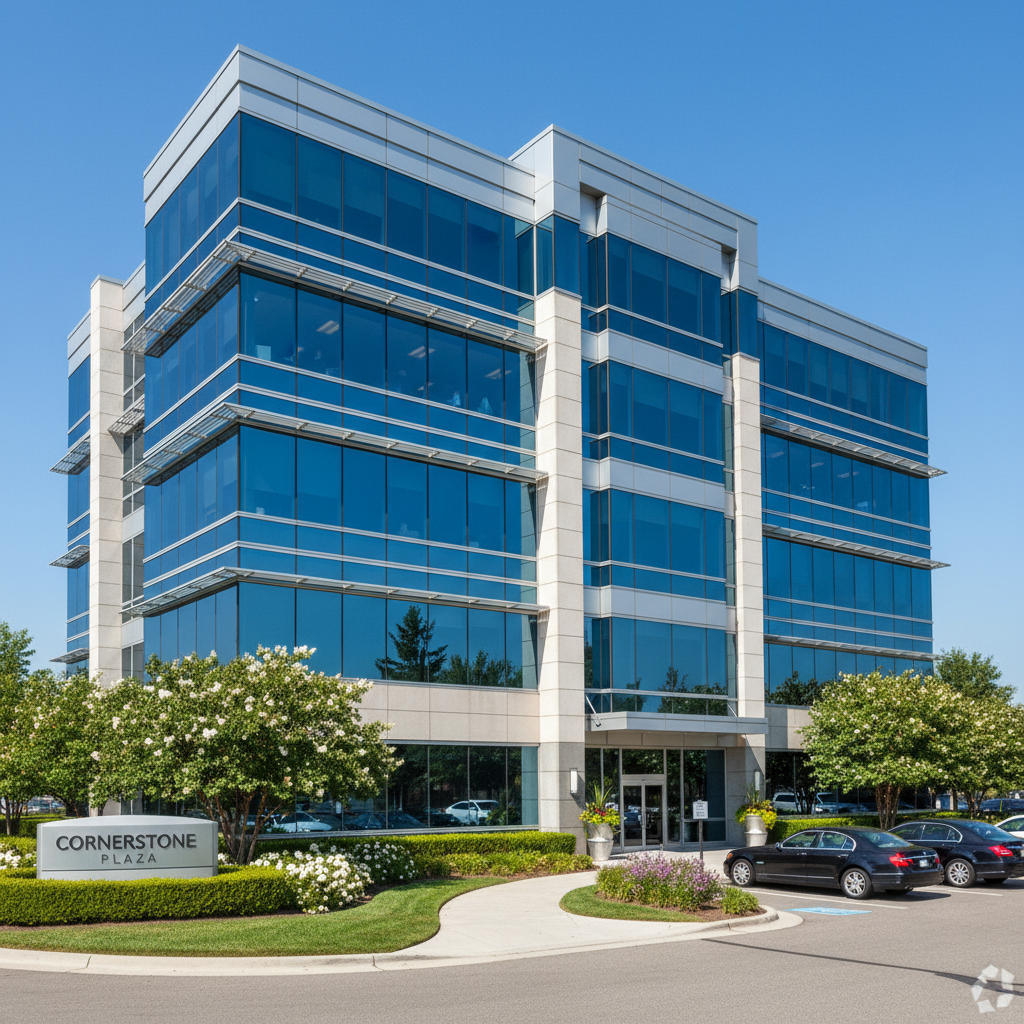
Properties with operating history and tenant relationships. These assets have track records that lenders can underwrite with confidence.

Busy Owners
Investors focused on property operations rather than lender negotiations. Your time is better spent managing assets than shopping loans.

Comparison Shoppers
Owners who understand that comparing multiple lenders produces better results. You want competitive terms but prefer streamlined coordination.
When This Approach May Not Fit
Some situations require different resources or timing. Properties with significant challenges like very low occupancy or deferred maintenance may need specialized lenders. We focus on conventional financing for stabilized commercial properties.
Owners seeking extremely large loan amounts above standard commercial thresholds might need direct relationships with institutional lenders. Our network serves the core commercial market effectively.
If you already have a committed lender relationship and strong existing terms, extension with your current lender might make sense. However, even satisfied borrowers often benefit from knowing market alternatives before accepting an extension.
Qualification checklist: Loans maturing in 3-12 months, commercial property types (office, retail, industrial, multifamily), desire for multiple lender comparison through single contact point, preference for efficient process over managing multiple relationships.
Why Owners Choose Thorne CRE
Owners come to us for a straightforward, transparent view of their commercial loan options for maturing mortgages. We bring experience in commercial lending and relationships with a broad group of national lenders. This combination lets you see multiple paths forward through a single conversation.

Our approach differs from traditional lending channels. Banks focus on their own products and underwriting criteria. We present your opportunity across multiple institutions, creating competitive dynamics that often produce better terms.
Commercial mortgage brokers sometimes prioritize volume over client outcomes. We focus on quality matches between property owners and appropriate lenders. Your success in securing favorable terms determines our reputation and referral business.
What Sets Our Process Apart
- Same-day prequalification from six lenders
- One point of contact throughout process
- Transparent comparison of all options
- No obligation to proceed after prequalification
- Experience with various property types
- Clear communication and realistic timelines
Our Approach
- Contact lenders individually over weeks
- Repeat your story multiple times
- Limited view of market alternatives
- Time invested before seeing options
- Varying levels of lender expertise
- Inconsistent communication patterns
Traditional Approach
Our Commitment to Property Owners
We recognize that commercial real estate represents significant capital and often generational wealth. Financing decisions impact your returns for years. This responsibility shapes how we work with property owners.
Transparency guides our recommendations. We explain why certain lenders fit your situation better than others. You receive honest assessments of how market conditions affect your specific property type and location.
Our relationships with national lenders come from years of successful transactions. These institutions trust our preliminary analysis and property presentations. This trust translates to faster responses and serious consideration of your financing needs.
Choose How You’d Like to Start
You have two straightforward ways to begin exploring your options. Both paths lead to the same outcome: a clear view of what multiple national lenders may offer for your property as your loan approaches maturity.
Schedule a Brief Call
A fifteen-minute conversation to review your property, maturity date, and potential loan ranges. We’ll discuss your situation and explain what comes next.
Most convenient for quick questions and immediate guidance
Complete Short Application
Share basic details about your property and current loan so we can prepare your prequalification. Takes just a few minutes to complete.
Best for those who prefer to provide information on their schedule
Either option begins the same process. You’ll receive a same-day prequalification outlining estimated loan amounts, projected rate ranges, and indicative terms from six national lenders.
Application: Tell Us About Your Property
Use this form to share key details about your property and existing loan. We’ll review your information and prepare your prequalification showing what multiple lenders may offer.
Frequently Asked Questions
How long does the prequalification process take?
We prepare prequalifications the same day you provide information, either through a call or completed application. You typically receive your preliminary terms within a few hours. This quick turnaround helps you make timely decisions as your maturity date approaches.
Does requesting prequalification affect my credit score?
No. The initial prequalification does not require a credit pull. We evaluate your property and loan structure first. Credit checks happen later in the process, only after you decide to move forward with a specific lender. This protects your credit while you explore options.
What if my loan matures in less than three months?
We can still help, though options become more limited with tight timelines. Some lenders move quickly when properties have strong fundamentals. Contact us immediately to assess whether accelerated refinancing is feasible for your situation. Earlier is always better, but we work with urgent cases.
Are there any costs for the prequalification?
The prequalification itself is provided at no cost. You only pay fees if you choose to proceed with a specific lender and complete a full application. Those costs vary by lender and loan amount, and we outline all fees before you commit to any path forward.
Can I still talk to lenders directly if I want?
Absolutely. The prequalification shows you which lenders offer the best terms. You can then engage directly if you prefer. Many owners appreciate that we handle initial coordination, then step back for direct lender relationships during closing. We adapt to your preferences.
What types of commercial properties do you work with?
We work with office, retail, industrial, multifamily, and mixed-use properties. Our lender network covers most commercial real estate types. Specialized properties like hotels or self-storage may require different resources. Contact us to discuss whether your property type fits our lender programs.
Taking Action on Your Maturing Commercial Loan

Commercial real estate loans approaching maturity require proactive planning. Waiting until the last moment limits your options and often results in less favorable terms. Property owners who start early gain flexibility to navigate changing market conditions.
Understanding your financing alternatives helps you make informed decisions about your investment. Whether you choose traditional refinancing, bridge financing, or another path, having clear information about market rates and lender appetite makes the difference.
Thorne CRE provides a streamlined way to evaluate commercial loan options for maturing mortgages. Through one conversation or application, you access multiple national lenders and receive same-day prequalification. This approach saves time while ensuring you see competitive market terms.
Your next step depends on your timeline and preference. Schedule a brief call if you want to discuss your situation directly. Complete the short application if you prefer to provide information on your schedule. Either path gives you the clarity you need to move forward confidently.
Or complete the application form to receive your prequalification today.