
Commercial Real Estate Financing: Strategic Approaches for Today’s Market in Florida

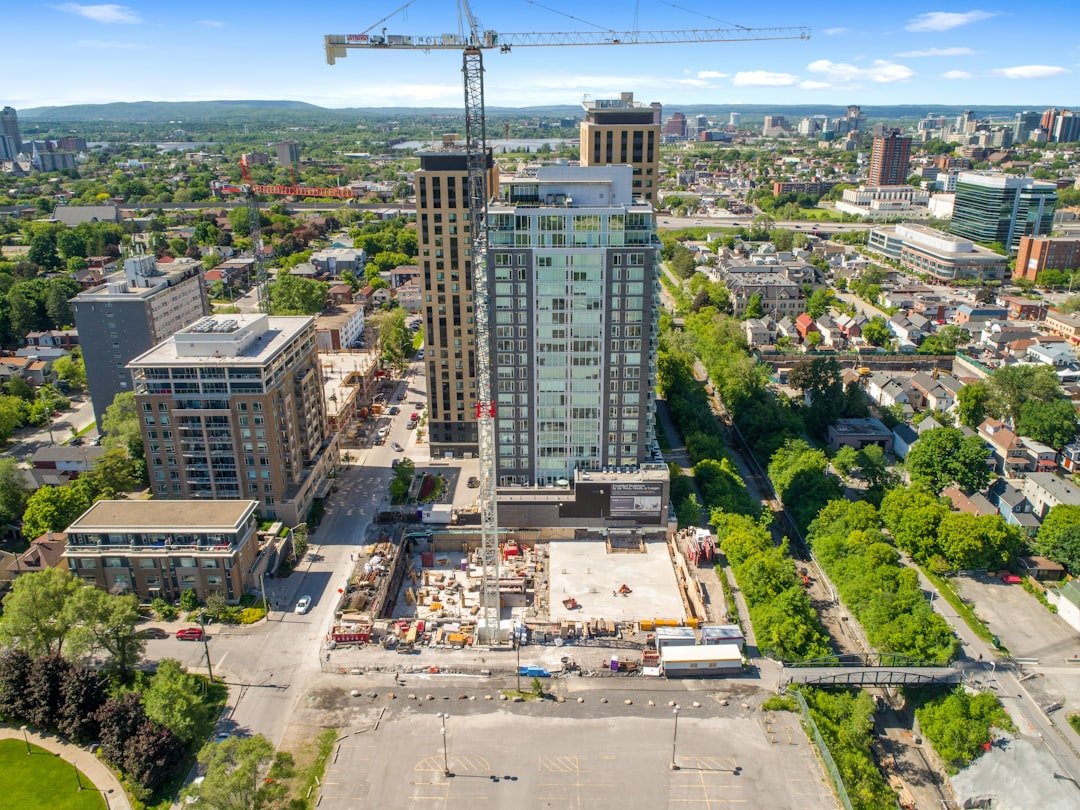
aerial photo of village

Did you know that nearly one in four investors say closing speed changes whether a deal moves forward or falls apart?

Buy, build, or refinance with a commercial mortgage that matches your timeline and risk appetite. Our approach centers on fast approvals, flexible terms, and competitive rates tailored to each investment plan.

We focus on investor outcomes: secure funding, protect cash flow, and meet closing deadlines. Use cases include purchase, construction, bridge, mini-permanent, and refinance loans.

Expect a streamlined, expert process that aligns debt structure with hold period and asset performance. Our team offers tailored solutions and helpful tools like a monthly payment calculator to support planning.

Why this matters now: rate sensitivity and tightening underwriting mean strategy drives deal success in today’s market. The next section explains how smart structuring can preserve returns and speed execution.

Key Takeaways

  • Fast approvals and timely closings are critical to winning deals.
  • Flexible structures and competitive rates support both short- and long-term goals.
  • Main use cases: purchase, construction, bridge, mini-perm, and refinance.
  • Solutions are tailored to project timelines, asset performance, and investor aims.
  • Helpful tools, like a monthly payment calculator, improve planning and decisions.

Why Florida Commercial Real Estate Financing Demands a Strategic Approach Today

Fast deal cadence in today’s market turns loan strategy into a competitive edge for buyers and investors. Time and structure affect whether an offer closes and how an asset performs for owners.

Aligning financing with acquisition, expansion, and portfolio investment goals

Acquisition and expansion plans shape leverage, amortization, and exit timing. Choosing longer amortization can lower payments but change refinance windows.

Portfolio management should factor in diversification, maturity ladders, and planned refinancing to avoid clustered maturities.

Planning around cash flow, project timelines, and market-driven rate sensitivity

Rent-up schedules, tenant improvements, and construction draws affect day-to-day cash flow and the order of funding draws.

Rising rates and higher interest expense change DSCR, reduce buying power, and influence refinance timing.

Choosing the right lending partner

Select a lender with local market familiarity, fast approval speed, transparent fees, and disciplined documentation. A responsive team and proven expertise make closings predictable.

A dynamic scene of a bustling commercial real estate office in Florida. In the foreground, a diverse group of professionals in business attire are engaged in a discussion around a conference table, analyzing charts and financial reports, emphasizing collaboration. The middle ground features a modern office environment with panoramic windows showcasing a sunny Florida skyline, palm trees, and tall buildings. In the background, a subtle hint of a digital map displaying investment opportunities overlays an abstract cityscape. The lighting is bright and warm, casting inviting shadows, suggesting productivity and optimism. The atmosphere conveys a sense of urgency and strategic focus in navigating today’s evolving market landscape.

Note: loan products are subject to credit approval; terms and rates may change. The next section breaks down solutions for buy, build, and refinance scenarios.

Financing Solutions for Buying, Building, or Refinancing Commercial Property in Florida

Choose the right debt tool for each transaction goal — acquisition, build-out, repositioning, or refinance. Each path affects cash flow, timeline, and exit options.

A professional real estate meeting in a modern office setting, illustrating commercial financing solutions. In the foreground, a diverse group of business professionals in smart business attire are engaged in a discussion around a large table filled with financial documents, laptops, and architectural plans. The middle layer features a detailed view of charts and graphs depicting real estate market trends on a digital screen in the background. The office has large windows that let in natural light, highlighting a vibrant view of urban Florida architecture outside. The atmosphere is focused and collaborative, evoking a sense of strategy and innovation in commercial real estate financing. Capture this scene with a warm color palette and soft lighting to create an inviting yet professional ambiance.

Match solution to the transaction

  • Purchase loans — Owner-occupied loans focus on business cash flow and occupancy. Non-owner deals emphasize tenant mix and income projections.
  • Refinance — Common aims: improve term, lower interest expense, or free up capital for another project. Expect timing and potential fees to affect net benefit.
  • Construction and development — Funds disburse via draws tied to milestones. Lenders check build schedules and lease-up assumptions before advancing capital.
  • Bridge financing — Best for repositioning, re-tenanting, or upgrades. Speed matters; bridges cover gaps until an asset stabilizes.
  • Mini-perm — Use after stabilization to reduce uncertainty and establish predictable debt service over a defined term.

Decision guide: choose a bridge when the property needs work and will stabilize soon. Pick mini-perm after lease-up. Refinance when rates, terms, or capital needs justify the fees.

For tips on pricing and structure, see how to secure the best possible rate. The next section maps these solutions to specific loan programs and property types across the state.

Loan Programs and Property Types We Support Across Florida’s Commercial Market

Explore targeted loan programs that match property performance and your hold strategy.

A professional and modern office environment showcasing various loan programs for commercial real estate. In the foreground, a diverse group of professionals in business attire, engaged in a discussion around a table filled with financial documents and a laptop displaying graphs related to different loan types. In the middle, large windows flood the room with natural light, revealing a view of Florida’s skyline and palm trees, emblematic of a vibrant market. The background features multiple posters or displays highlighting key property types like retail spaces, office buildings, and industrial parks. The atmosphere is collaborative, strategic, and optimistic, with a warm color palette to evoke a sense of opportunity in Florida's commercial real estate market.

Term financing for stabilized, income-producing properties

Term loans often suit stabilized properties that need short-to-mid term support. Typical structures run 1–5 years and help plan exits or future refinances.

Benchmark: common loan sizes range from $5 million to $50 million for non-owner occupied assets.

Loan sizes and bridge vs development use cases

Bridge loans usually span 1–3 years and fund repositioning, re-tenanting, or upgrades until a property stabilizes.

Development and mini-perm products support new construction and post-stabilization financing for multi-unit projects and affordable housing.

Multi-family, retail, office, and mixed-use considerations

Multi-family financing varies by acquisition, construction, and lease-up phases. Underwriting focuses on rent growth and occupancy assumptions.

For retail, office, and mixed-use space, lenders weigh tenant quality, lease terms, rollover risk, and submarket demand when setting terms and pricing.

Affordable housing and mini-permanent pathways

Affordable housing often uses staged development loans followed by mini-perm products that include compliance timelines and reporting requirements.

  • Note: all loan products are subject to credit approval and program requirements; market conditions affect final terms and pricing.

Investor-Focused Lending Built for ROI, Flexibility, and Speed

Smart lending aligns loan timing with a project’s value-add calendar to boost investor returns. Our investor-focused offerings provide capital for acquisitions, expansions, upgrades, and refinance needs while keeping execution fast and predictable.

A sleek, modern office environment showcases a professional business meeting among diverse investors, women and men in business attire, discussing commercial real estate opportunities. In the foreground, a confident investor gestures towards a digital tablet displaying financial graphs and property images, symbolizing investor-focused lending. The middle ground features a large window with views of Florida's sunny skyline and lush greenery, enhancing the scene's financial optimism. The background includes a stylish conference table with paperwork and coffee cups. The atmosphere exudes collaboration and strategic thinking, with bright, natural lighting streaming in. Capture this moment with a focus on clarity and professionalism, using a slightly elevated angle to highlight the interaction and the dynamic setting.

Structuring terms and amortization to match strategy

Choose amortization and maturity to match your hold period. Short holds favor interest-only or bridge amortization. Longer holds benefit from extended amortization to smooth debt service and protect cash flow.

Competitive rates and flexible terms that support growth

Lower rates and adjustable terms improve debt service efficiency. That preserves liquidity for the next acquisition and helps business owners scale a portfolio.

Capital planning and execution milestones

Sequence funding across acquisition, expansion, and upgrades with measurable milestones. Tie draws to construction progress, stabilization targets, and lease roll milestones to reduce execution risk.

  • Manage rate sensitivity by planning refinance windows and avoiding clustered maturities.
  • Align structure to NOI stability, tenant concentration, and lease rollover.
  • Rely on our team’s expertise to pick the right loan, anticipate conditions, and prevent last-minute delays.

Next step: gather performance metrics and documentation so you can move quickly from inquiry to closing under our streamlined process.

Our Streamlined, Expert Process for Commercial Real Estate Loans

Our loan process combines clear milestones and fast reviews so deals close on schedule. We guide each project from initial consult to funding with an efficient application workflow designed for quick approvals and timely closings.

A professional business meeting taking place in a modern office, focused on the topic of commercial real estate loans. In the foreground, a diverse group of three individuals in professional business attire are engaged in a discussion around a sleek conference table filled with financial documents, charts, and a laptop showcasing property listings. The middle ground features a large window revealing a vibrant Florida skyline with palm trees and commercial buildings. In the background, soft, natural sunlight pours into the room, casting warm light across the scene, enhancing the atmosphere of collaboration and strategic planning. The image captures a sense of professionalism, focus, and modern financing solutions in the commercial real estate sector.

Efficient application workflow

Start with an intake call, submit a complete package, and move through underwriting, conditions, and closing. A full file typically includes property details, rent roll if applicable, borrower financials, and a project plan with schedule.

Credit and program impacts

Credit approval and program rules shape rates, terms, and fees. Early transparency on credit and documentation reduces surprises and speeds decisions.

Banking coordination and tools

We coordinate appraisals, third-party reports, and documentation checkpoints to keep timelines intact. Use our estimate monthly payment calculator to model payments and total payback, including interest, when comparing options.

Small business and SBA 504 support

We offer specialized loans for expansion, remodeling, or conversion and back SBA 504 pathways for long-term growth. With nearly 40 years of 504 expertise at Florida First Capital/First Capital Finance, borrowers gain experience and structure tailored to business needs.

Note: This is not a commitment to lend. Products and conditions may change. Consult your tax, legal, or accounting advisors for guidance.

Conclusion

The right loan at the right time protects returns and keeps your timeline intact.

Match structure to the asset stage and your project plan to get the best outcome. Our range of solutions covers purchase, construction, bridge, mini-perm, and term options so you can stay with one lending relationship as needs evolve.

Be ready: a clear property plan, realistic underwriting assumptions, and organized documents speed approvals and closings.

Business owners and investors gain speed, flexibility, and a dedicated team that aligns services to market goals and risk tolerance. Use our calculator and planning tools to model scenarios before you apply.

Connect with a lender specialist to discuss your investment and compare loans tailored to your business needs. We help move deals forward, protect timelines, and support growth.

FAQ

What loan options are available for purchasing commercial property in Florida?

Lenders offer purchase loans for owner-occupied and non-owner occupied properties, including fixed-rate term loans, adjustable-rate products, and portfolio loans. Choose a product that matches your occupancy, projected cash flow, and planned hold period. For smaller businesses, SBA 504 loans provide long-term, low-down-payment options for owner-occupied commercial space.

How do I decide between construction financing and a permanent loan for a new project?

Use construction financing to cover building costs and draw schedules during development. Once the project stabilizes with tenants and steady cash flow, convert to a permanent or mini-permanent loan to lock a long-term amortization and interest rate. Timing depends on lease-up, cash flow projections, and market rate outlook.

When is bridge financing a good fit?

Bridge loans suit repositioning, re-tenanting, short-term capex, or when you need fast capital ahead of a refinance or sale. They close quickly and accept higher leverage for a limited term, giving owners flexibility to execute value-add plans before securing lower-cost long-term financing.

What refinancing strategies help reduce interest expense or free up capital?

Refinance to extend term, lower the rate, reduce monthly debt service, or pull cash out for portfolio growth. Options include rate-and-term refinances, cash-out refinances, or switching from floating to fixed rates. The best approach depends on current rates, loan covenants, and your capital needs.

How do lenders evaluate credit and underwriting for commercial loans?

Underwriting focuses on property cash flow, debt service coverage ratio (DSCR), borrower credit profile, experience, and the market fundamentals for the asset type. Lenders review leases, operating statements, rent rolls, and project budgets. Strong documentation and realistic pro forma projections speed approval and improve terms.

What property types and loan sizes are commonly financed?

Lenders support multi-family, retail, office, industrial, mixed-use, and affordable housing projects. Loan sizes range from small business loans and light commercial financing to large-term loans for institutional assets. Product selection depends on property class, income stability, and loan-to-value requirements.

How can investors structure loans to support ROI and portfolio growth?

Structure amortization and term to align with exit or hold strategy, consider interest-only periods to maximize early cash flow, and use flexible prepayment terms when possible. Pair competitive pricing with covenant flexibility to support renovations, acquisitions, and recapitalizations that boost net operating income.

What timelines should I expect for approvals and closings?

Timelines vary by product and complexity. Simple refinances or SBA loans can take 30–60 days, construction and CMBS or agency loans often require 60–120 days. Efficient documentation, cleared title issues, and prompt responses to lender requests shorten the process.

Are there specialized programs for small business expansions and renovations?

Yes. Banks and SBA programs provide tailored products for small business growth, tenant improvements, and remodeling. These options balance lower down payments with manageable amortization schedules and often include technical assistance for eligible borrowers.

How do rate sensitivity and market shifts affect my financing plan?

Rates impact project cash flow and refinance timing. Build contingency into pro formas and consider hedging or locking rates when appropriate. Lenders may price loans differently based on market volatility, so agile planning and selecting the right product can protect returns during rate cycles.

What documentation will lenders require during application?

Common requirements include tax returns, financial statements, rent rolls, lease agreements, purchase contracts, plans and budgets for construction, environmental reports, and property operating statements. Specifics vary by lender and loan program; preparing a complete package accelerates underwriting.

Can affordable housing projects access mini-permanent financing or specialized programs?

Yes. Affordable housing often qualifies for mini-permanent loans, tax-credit partnerships, and agency-backed programs that support lower rents with long-term financing. Lenders experienced in affordable housing can structure layered capital stacks to meet regulatory and investor requirements.

What fees and costs should I budget for when seeking a loan?

Expect application fees, appraisal, environmental assessments, title and closing costs, origination or underwriting fees, and possible third-party reports. Construction loans add draw inspection and monitoring fees. Request a detailed estimate early to avoid surprises at closing.

How do I choose the right lending partner in Florida’s market?

Look for a lender with experience in your property type, transparent pricing, flexible terms, and a clear process for approvals and closings. Local banks, regional lenders, national banks, and SBA-approved providers each offer different strengths—evaluate speed, capital capacity, and servicing capabilities.

Leave a Comment

Your email address will not be published. Required fields are marked *

Scroll to Top