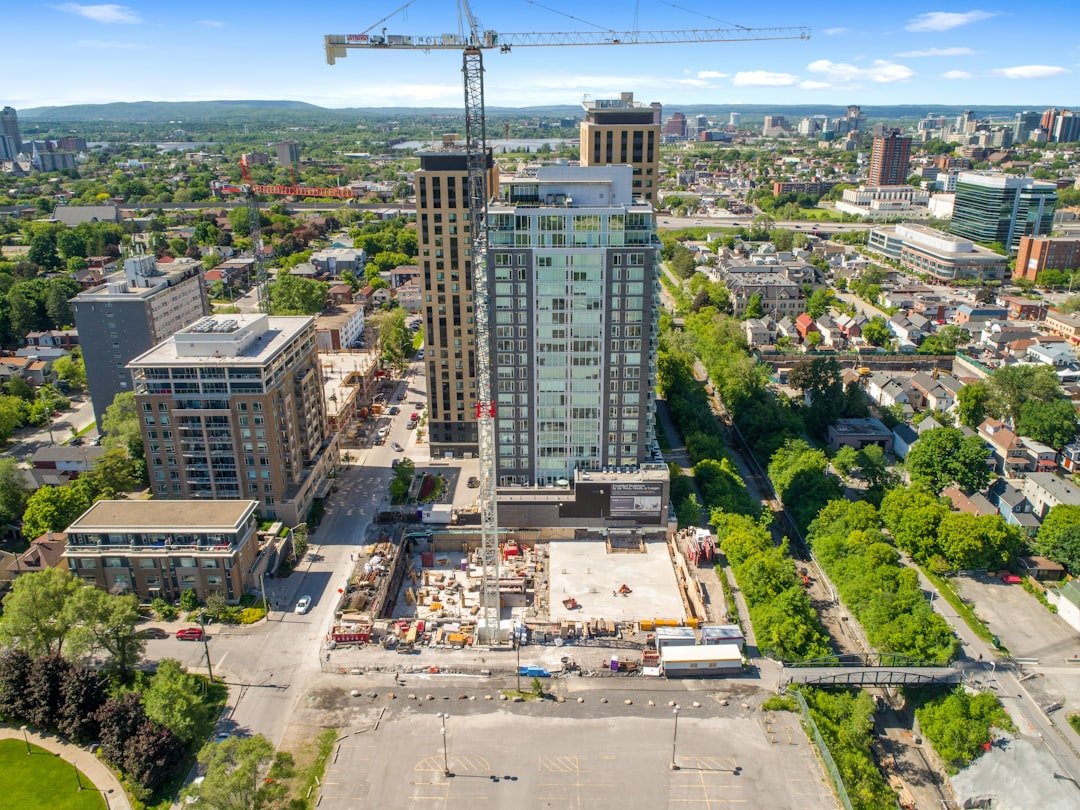


Surprising fact: nearly one in four commercial projects in the state relied on a local loan structure last year, trimming approval times by weeks and cutting costs for owners.
Good capital timing changes outcomes. Fast processing, local decision-making, and competitive rates help businesses act on purchases, construction, or refinancing.
In plain terms, commercial real estate financing supports buying, building, renovating, or refinancing income-producing or owner-occupied property. Choosing the right loan type—CRE loans, SBA programs, term loans, or operating lines—shapes cash flow and risk.
Local bank relationships speed communication and allow state-based underwriting that fits project timelines. That often means clearer structures, quicker draws on construction, and decisions made nearby rather than routed to distant committees.
This page frames practical steps and tailored solutions so owners and investors can match loan type to property, time construction draws properly, and align repayment with business cycles.
Key Takeaways
- Local lenders can reduce approval time and improve deal clarity.
- Select loan type to match property use and cash-flow needs.
- Competitive rates and fast processing matter for timelines.
- Plan construction draws and repayment around operations.
- Customized solutions outperform one-size-fits-all terms.
Louisiana Commercial Real Estate Financing Options for Owners and Investors
Deciding quickly matters when an investment or owner-occupier opportunity appears. A clear loan strategy aligns purchase capital, construction draws, and long-term debt with business cash flow.

Loan types and when to use them
Purchase, refinance, and construction loans are the primary tools to buy property, refinance to improve cash flow, or fund builds with milestone draws. Structures differ for owner-occupied versus investor-owned properties.
SBA options for small businesses
SBA 504 fits large fixed-asset needs such as land and building acquisition and certain refinances. SBA 7(a)/Express supports acquisitions, improvements, and working capital with lower down payments for qualifying businesses.
Term loans and lines of credit
Business term loans cover equipment, acquisitions, and expansion beyond property. Operating lines of credit, including receivables-based credit, stabilize liquidity during growth or seasonality.
| Product | Primary Use | Typical Term | Key Advantage |
|---|---|---|---|
| Purchase/Refi Loan | Buy or refinance property | 5–25 years | Custom amortization and rate choice |
| SBA 504 | Land/building, fixed assets | 10–25 years | Low down payment, long term |
| SBA 7(a)/Express | Acquisition, improvements, working capital | Up to 25 years (real estate) | Flexible use of funds |
| Operating Line | Working capital and AR | Revolving | Liquidity during cycles |
Rate choice and repayment design
Fixed rates give predictability for budgeting. Adjustable rates can lower near-term costs but carry reset risk. Match repayment timing to revenue, lease-up, and seasonal patterns to avoid cash strain.
Preparation speeds approvals: clean financials, realistic projections, and a clear use-of-funds narrative improve terms and closing timelines.
What You Can Finance With a Commercial Real Estate Loan in Louisiana
Lenders will back a wide range of property types when the business plan and credit profile support the risk.
Common asset categories
Office, retail, industrial/warehouse, multifamily, and mixed-use properties are typical targets for loans. These assets usually follow standard underwriting paths and predictable cash-flow models.
Specialized collateral
Hospitality, medical clinics, self-storage, restaurants, and agricultural properties often need deeper market and operator review. Lenders focus on management experience and demand to set rates and terms.

Land and development
Land loans support future development, long-term investments, or owner expansion. Lenders expect a clear timeline, entitlement status, and a business rationale tied to the proposed project.
Project scenarios and borrower checklist
Typical uses include ground-up construction, renovations/tenant improvements, and refinancing to reposition or extract equity.
| Use | Typical Collateral | What Lenders Want | Outcome |
|---|---|---|---|
| Acquisition | Office, retail, industrial, multifamily | Purchase agreement, financials, rent roll | Ownership, rental income |
| Construction | Land or shell building | Budget, contractor plans, timeline | New supply, expanded capacity |
| Renovation / TI | Existing property | Cost estimates, lease projections | Higher rents, improved occupancy |
| Refinance / Cash-out | Stabilized asset | Appraisal, operating statements | Lower costs, equity for growth |
Readiness checklist: property details, rent rolls (if any), construction budgets, and recent credit/financial statements. The right loan option helps an owner expand footprint, improve operations, and build long-term equity.
Local Louisiana Lending Advantages: Competitive Rates, Quick Decisions, and Relationship-Based Service
Local lenders bring market know-how and speed that turn tight deal windows into closed transactions.
Why local processing matters: fewer handoffs mean clearer communication and faster answers. Local underwriters know submarkets, rent trends, and zoning quirks. That knowledge reduces surprises during appraisal and due diligence.
Relationship-based service gives measurable benefits: continuity from application through closing, faster problem-solving, and better loan structuring that aligns with an owner’s cash flow and growth plan.

Streamlined approvals work in practical steps. Lenders align documentation early, clarify use of proceeds, and anticipate appraisal, environmental, and title needs. This keeps deals moving when time is tight.
- Competitive rates and flexible terms stabilize debt service and protect working capital.
- Proactive credit preparation—clean financials, global cash flow, and liquidity planning—speeds approval and improves terms.
- Solution design can pair construction-to-permanent options to reduce closings and disruption.
For businesses and owners facing expiring offers or seller deadlines, a nearby bank with market experience is a strategic advantage. The goal is simple: secure the right loan and keep the project on track.
Conclusion
Match the loan to the plan: choose financing based on property type, project scope (purchase, refinance, or construction), and your business cash-flow rhythm. This keeps costs predictable and reduces execution risk.
Compare structures—conventional loans, SBA-backed options, term loans, and operating lines—so you use the right tool for each goal. Weigh fixed versus adjustable rates against operational certainty.
Local lenders shorten timelines and smooth paperwork. For guidance on rate strategies and securing the best terms, review options for the best CRE rates.
Next step: speak with a loan specialist to review goals, timeline, and documentation. All loans are subject to credit approval and program terms may change.