
Commercial Real Estate Financing: Strategic Approaches for Today’s Market in New Jersey

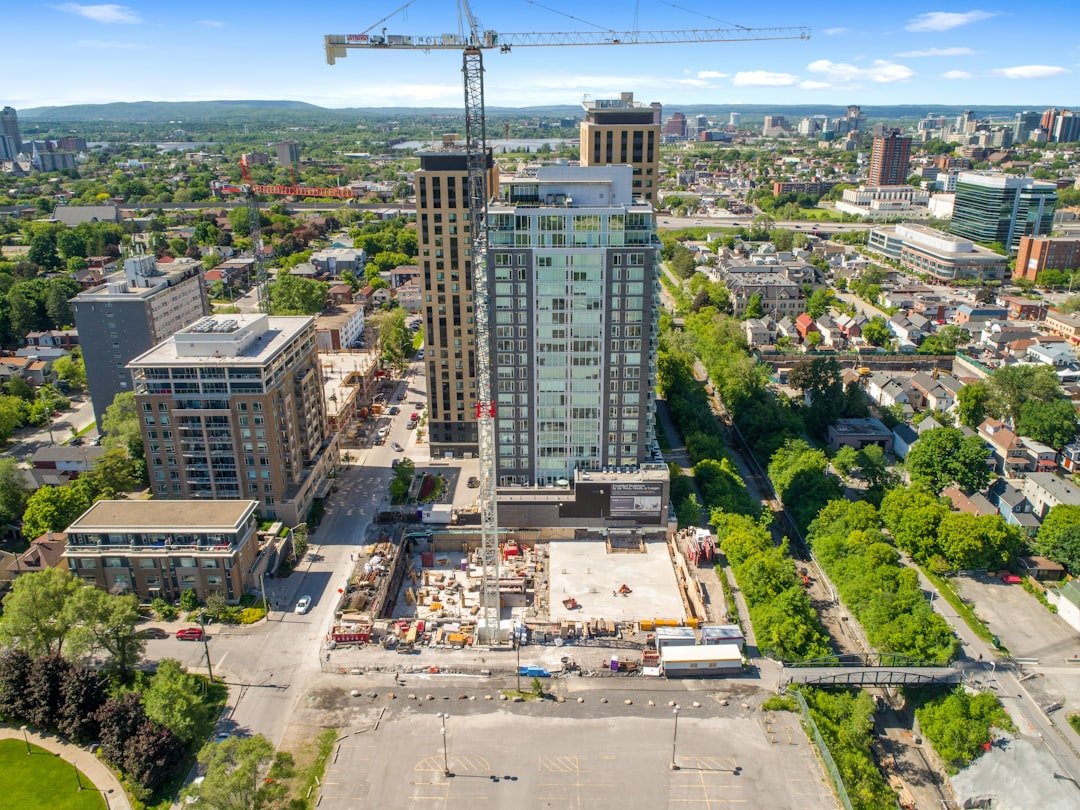
a view of a city skyline with a highway going through it

Over 40% of commercial deals pause or fail because timing and documentation don’t match lender expectations. That gap often costs developers and owners time and money. This guide helps buyers, owners, and developers evaluate financing strategies that fit today’s market and deal timelines.

Focus on fit, not just rate. Align project risk, cash flow, and collateral quality with the right loan structure. Lenders now weigh income, tenancy, property condition, borrower experience, and liquidity more closely than before.

Columbia Bank stresses flexible solutions and local decision making. Spencer highlights balance sheet lending and responsiveness for area borrowers. Both approaches speed decisions when bids or approvals are tight.

Our process is service-led: strategy first, then execution. Prepare clear information early to reduce friction and move from inquiry to term sheet with fewer surprises.

We preview solutions like permanent mortgages, acquisition debt, construction and construction-to-perm, revolving lines, term loans, and standby letters of credit. For a fit assessment—property, goals, timeline—please contact the lender team. All loans are subject to credit approval.

Key Takeaways

  • Prepare income, tenancy, property, and liquidity details early.
  • Match loan structure to project risk and cash flow, not only rate.
  • Local decision-making shortens time-to-close when timing is tight.
  • Service-led strategy reduces surprises from inquiry to term sheet.
  • Available products include permanent, acquisition, construction, lines, and letters of credit.
  • Contact the lender team for a fit assessment; credit approval applies.

Financing Solutions Built for New Jersey Commercial Properties and Business Goals

Lenders now offer tailored products that match project life cycles and business goals.

Commercial mortgages are best when occupancy is stable and cash flow is predictable for a 5–10 year plan. Permanent mortgage proceeds can support payoffs or strategic recapitalization depending on collateral and credit.

Acquisition loans split investor and owner-occupied needs. Investors are measured on DSCR and tenancy durability. Owner-occupiers focus on business financials, facility fit, and control over operations.

A professional financial consultant in a sleek office setting, engaging in a discussion with a diverse group of business professionals in smart business attire, showcasing collaboration on commercial real estate financing strategies. The foreground features a polished conference table with financial documents, laptops, and a large screen displaying a dynamic graph illustrating market trends. In the middle, the consultants are animatedly discussing financing options tailored for New Jersey's commercial properties, highlighting strategic plans and local market insights. The background includes large windows offering a panoramic view of a New Jersey skyline under bright daylight, creating an optimistic and professional atmosphere. The lighting is warm and inviting, with soft shadows that add depth to the scene, shot with a slight angle to accentuate engagement and teamwork.

Construction and construction-to-perm

Construction lending covers ground-up rental multifamily, for-sale townhome complexes, and land development. Typical milestones include budget review, permits, draws, and inspections.

Construction-to-permanent offers one loan and one closing, lowering re-qualification risk and easing the move from interest-only construction to an amortizing loan.

  • Revolving lines and term loans support deposits, tenant improvements, and seasonal cash flow.
  • Standby letters of credit back lease or bid obligations without tying up cash.
Product Best Use Example
Commercial mortgage Stabilized assets, 5–10 year holds Retail building refinance in Newark
Construction loan Multifamily or townhomes; staged draws Apartment/retail project in Chatham
Bridge / term Short-term cash flow or repositioning Self-storage bridge in Bound Brook

Property appetite varies by location, tenancy, and management. Typical types financed include medical office, industrial, retail, select multifamily, mixed-use, and self-storage.

New Jersey Commercial Real Estate Financing Programs and Terms to Consider

Understand the program choices and practical terms lenders use so you can size deals and timelines with confidence.

A professional meeting room showcasing a modern, well-lit office space with large windows overlooking a city skyline, specifically New Jersey's urban landscape. In the foreground, a diverse group of business professionals dressed in business attire is engaged in discussion, surrounded by documents and digital devices displaying impressive graphs and charts related to commercial real estate financing. The middle ground features a sleek conference table with financial reports and a laptop, while a large screen displays a presentation about various financing programs. The background captures the bustling city outside, with clear skies and a hint of evening light. The mood is focused and collaborative, emphasizing a sense of opportunity and strategy in the commercial real estate market.

Loan size and term expectations

Spencer notes construction and permanent mortgages typically range from $1 million to $20 million with terms of 5–10 years. Use that band when planning budgets and exit timing.

Term drives refinance or sale timing. Amortization determines monthly payment and long‑term cash flow, so both matter for hold strategy.

Pricing and structure options for permanent financing

Pools anchor pricing to Treasury or SWAP curves, while lenders also price for leverage, tenancy, and borrower strength. Choose fixed or floating rates, consider interest‑only windows, and review recourse and covenant scopes.

Structure lever When used Impact
Fixed vs floating Stability vs cost Payment certainty or flexibility
Interest‑only period Pre‑stabilization Lower near‑term payment
Recourse / covenants Higher risk assets Credit and pricing effects

Flexible lender paths and SBA options

Columbia Bank offers SBA preferred lender routes (7(a), Express, 504) for qualifying owner‑occupied business borrowers. These programs can lower down payment needs and extend repayment terms for acquisitions or facility projects.

  • Stronger liquidity, clear tenant docs, and complete tax and financial packages speed underwriting.
  • Expect a bank process: initial fit check, indicative sizing, underwriting package, appraisal/environmental when required, and credit approval.

All loans are subject to credit approval. Contact the lender team for specific information and tailored options for your project.

How We Help You Secure the Right Commercial Loan in Less Time

We compress approval timelines by pairing local decision-makers with experienced underwriting teams. This reduces handoffs and speeds feedback so deals move forward with fewer surprises.

Local decision-making and lower friction

Local authority means quicker yes/no decisions and clear accountability. Fewer internal committees cut administrative lag and shorten overall time to close.

Experienced teams that cut cycle time

Our team reviews financials, rent rolls, budgets, and third‑party reports early. That proactive approach prevents late-stage re-trades and avoids unnecessary holds on a file.

A professional team of diverse individuals, including a Black woman and a Hispanic man, dressed in business attire, collaborates on a construction site. In the foreground, they are examining blueprints and plans spread out on a table, highlighting their focus on securing the right commercial loan. The middle ground features scaffolding and partially constructed buildings, symbolizing growth and potential in commercial real estate. The background shows a clear blue sky, allowing natural light to illuminate the scene, creating a bright and optimistic atmosphere. The angle captures both the team and the construction site, emphasizing teamwork and strategic planning.

Streamlined construction loan servicing

Organized draws, coordinated inspections, and consistent communication keep sites on schedule. Meridian’s Access Built system improves visibility and execution for borrowers and their management teams.

  • Clear documentation requirements and timely inspections.
  • Dedicated contact for draw requests and status updates.
  • Integration with banking services to support ongoing business operations.

What we need from you: entity/ownership info, operating statements, rent roll, leases, purchase contract, project budget/timeline, and borrower liquidity. Complete packages reduce review cycles and speed credit decisions.

Common holds stem from missing documents, unclear sources/uses, unresolved site issues, or gaps in contractor experience. Early review and open communication prevent these delays and keep development on track.

Conclusion

Choosing the right loan starts with aligning your project stage, risk tolerance, and timeline to a lender that moves with purpose.

Match the plan—acquire, refinance, build, or stabilize—to terms, pricing, and execution support that reflect today’s underwriting reality. Local decision-makers and experienced teams speed answers and reduce late surprises.

Take the next step: prepare a brief deal summary, current financials or a pro forma, and a clear financing goal to accelerate review.

All loans are subject to credit approval. To discuss fit and timing, contact the lending team and start the conversation.
FAQ

What loan types are available for purchasing or refinancing commercial properties?

Lenders commonly offer permanent mortgages for purchases and refinances, acquisition loans for investor and owner-occupied buildings, construction loans for ground-up projects, and construction-to-permanent loans that convert to long-term financing after build-out. You can also access revolving lines of credit and term loans to support cash flow and operations.

Can I finance a mixed-use or multi-family property with a single lender?

Yes. Many banks and specialty lenders provide products for mixed-use, multi-family, retail, office, and industrial assets. Loan terms and underwriting differ by property type, income stability, and the borrower’s track record, so discuss the asset class and pro forma with your lender early.

What are typical loan sizes and term lengths in the current market?

Loan sizes range from small balance loans under $1 million to large commercial mortgages well into eight figures. Terms commonly span 5 to 30 years for permanent financing, while construction loans are usually 12 to 36 months. Exact sizing and terms depend on the borrower, property cash flow, and lender appetite.

How do interest rates and pricing differ between permanent and construction loans?

Construction loans generally carry higher rates and short terms because they fund building risk and draws. Permanent loans have longer terms and often lower rates, influenced by loan-to-value, debt-service coverage, property type, and market spreads. Lenders may also offer floating or fixed-rate structures and interest-only periods.

What is a construction-to-permanent loan and when does it make sense?

A construction-to-permanent loan combines construction financing and long-term mortgage into one loan and one closing. It reduces closing costs and underwriting duplication. This option suits developers who want predictable long-term financing once a project stabilizes and meets completion milestones.

Are SBA loan options available for commercial property purchases or business-occupied buildings?

Yes. SBA 7(a) and SBA 504 programs can finance owner-occupied buildings and certain acquisitions with favorable down payment and term structures. SBA preferred lenders provide streamlined approvals for qualified small businesses, so evaluate SBA paths if you occupy a portion of the property or meet size standards.

What documentation will lenders typically request during underwriting?

Expect to provide financial statements, tax returns, rent rolls, leases, development budgets for construction projects, appraisals, and environmental reports when required. Lenders also review borrower credit, experience, and management capability for the specific asset type.

How long does it take to close a construction loan versus a permanent mortgage?

Construction loans often close faster when permits and plans are complete, typically 30–60 days, though complex projects can take longer. Permanent loan closings depend on appraisal, title, and eligibility reviews and usually take 45–90 days. Local decision-making and an experienced servicing team can shorten timelines.

Can I get a line of credit secured by commercial property for liquidity needs?

Yes. Revolving lines of credit secured by income-producing property help manage tenant improvement costs, leasing gaps, and working capital. Terms, covenants, and availability are set during underwriting and tied to property performance and borrower credit.

What are standby letters of credit and when are they used in deals?

Standby letters of credit are bank guarantees that back obligations such as construction draws, lease guarantees, or purchase agreements. They provide assurance to counterparties when cash liquidity or performance risk exists and can help close deals where surety or escrow is required.

How do lenders evaluate projects with adaptive reuse or site redevelopment?

Lenders assess zoning, entitlements, environmental conditions, market demand, and the developer’s experience with similar conversions. Pro forma cash flow and conservative cost contingencies are critical. Local lenders or specialty lenders often have more tolerance for redevelopment scenarios.

What alternatives exist if I need flexible underwriting or non-recourse options?

Bridge lenders, life companies, and debt funds can offer flexible structures, including interest-only periods and varying recourse levels. Non-recourse loans may be available from certain institutional lenders for stabilized assets with strong income histories.

How should I prepare to approach a bank or lender for an acquisition loan?

Prepare a concise loan package with executive summary, rent roll and lease abstracts, historical and projected financials, property condition report, and your development or management team bios. Clear documentation and local lender relationships help speed approval and improve terms.

Can I refinance an existing loan to access capital for renovations or expansions?

Yes. Many borrowers refinance to pull out equity for renovations, expansion, or to reduce monthly debt service. Lenders will examine current and projected cash flow, existing loan terms, and the planned use of proceeds when approving a refinance.

Where can I find lenders experienced with regional market cycles and construction loan servicing?

Regional banks, community lenders, and established national institutions with local offices typically combine market knowledge with construction servicing capabilities. Ask for loan officers who handle commercial mortgages and construction-to-permanent products and request references from similar projects.

Leave a Comment

Your email address will not be published. Required fields are marked *

Scroll to Top