
The hospitality industry is facing big challenges, with many hotels struggling. A new trend is hotel conversions becoming a good solution. RentCafe says over a third of new multifamily units in 2023 came from hotels.
This move towards adaptive reuse is a smart response to market changes. It also opens up new Hospitality Financing options. By turning hotels into multifamily or other uses, investors can give old properties a new life.
Conversions need careful planning and creative financing strategies. But the rewards are worth it, making it a great choice for those wanting to revive struggling hotels.
Key Takeaways
- Hotel-to-multifamily conversions are on the rise, driven by industry challenges.
- Adaptive reuse offers a viable solution for underutilized hotel properties.
- Innovative financing solutions are key to successful conversions.
- Careful planning is essential for the success of hotel conversion projects.
- Converting hotels can provide substantial benefits for investors.
The Current State of the Hotel Industry
The pandemic has had a big impact on hotels. Hotel owners and operators are facing tough times. A report by Multi Housing News shows hotel occupancy rates fell from 65.9% in 2019 to 44% in 2020.
Impact of Economic Challenges on Hotel Profitability
The hotel industry is facing big economic challenges. This has hurt their profits a lot.
“The COVID-19 pandemic has caused unprecedented disruption to the global hospitality industry,”
say industry experts. Many hotels are finding it hard to keep going, with some in deep financial trouble.
Identifying Properties Ripe for Conversion
Finding hotels ready for a change is key in tough times. Things like location, property condition, and local demand are important. They help decide if a hotel can be successfully changed.
Market Indicators Signaling Conversion Potential
There are signs that can show if a hotel is good for conversion. Look for falling occupancy rates, nearby development, and changes in local people. For example, a hotel near a new job area might be great for turning into homes or offices.
As hotels change, knowing these signs is vital. It helps investors and developers find new chances.
Benefits of Hotel-to-Multifamily Conversions
Turning hotels into multifamily homes is a smart move for property owners. It brings financial and environmental benefits. By using old hotel buildings, developers can make more money and help cities become greener.
Financial Advantages for Property Owners
Changing hotels into apartments can save a lot of money. A study by the National Association of Realtors shows costs can be from $25,000 to $167 per square foot. This savings, plus the chance for high rents, makes it a great investment.
Key Financial Benefits:
- Reduced construction costs
- Potential for high rental income
- Tax advantages through depreciation
Addressing Housing Supply Shortages
Many cities don’t have enough homes. Turning old hotels into apartments helps solve this problem. It adds needed housing without needing new land.
Environmental Benefits of Adaptive Reuse
Using old hotels instead of building new ones is good for the planet. It cuts down on the need for new materials, waste, and energy in buildings.
“Adaptive reuse is a powerful tool for reducing the environmental footprint of development. By reusing existing buildings, we can significantly cut down on the carbon emissions associated with new construction.” –
Revitalization of Commercial Districts
Changing hotels into apartments can also make commercial areas better. Adding homes to commercial spots makes neighborhoods more lively and diverse.
| Benefits | Description |
|---|---|
| Financial Advantages | Cost savings, high rental income potential |
| Housing Supply | Alleviates housing shortages |
| Environmental Benefits | Reduces waste, preserves embodied energy |
| Commercial Districts | Revitalizes neighborhoods |
Alternative Conversion Options Beyond Multifamily
Hotel conversions can go beyond just multifamily housing. They offer many other uses that meet different needs and attract various groups.
One great option is turning hotels into senior living and assisted living facilities. As more people age, there’s a big need for senior housing. Hotels can be changed to provide comfort, care, and a sense of community. They can include dining areas, fitness centers, and places for socializing.
Senior Living and Assisted Living Facilities
Senior living facilities can use the hotel’s existing services like housekeeping and meals. This is a good choice in places where senior housing is in high demand.
Student Housing Developments
Another option is to turn hotels into student housing developments. The student housing market is expected to grow fast, with a 4.9% CAGR through 2027, says Business Research Insights. This is a promising choice near universities and colleges.
Hotels can also become mixed-use commercial-residential projects. This means combining living spaces with retail or office areas. It can make old properties come back to life and create lively communities.
Mixed-Use Commercial-Residential Projects
Mixed-use developments bring many benefits. They increase foot traffic for local businesses and make living areas more exciting.
Healthcare and Medical Office Conversions
Some hotels can be turned into healthcare and medical office spaces. This is good in areas needing more medical facilities. Hotel rooms can become medical offices, treatment areas, or even small clinics.
These options give hotel owners many ways to use their properties. They can meet various market needs and potentially earn good returns on investment.
Evaluating Property Conversion Feasibility
Hotel conversion projects need a detailed feasibility analysis to see if they can succeed. This involves checking many factors that can affect the project’s success.
Location Analysis and Market Demand Assessment
Understanding the location is key, as it affects demand. Developers must look at local market trends and what other properties offer.
Building Structure and Layout Compatibility
The building’s structure and layout are important. They can change how much it costs to convert and if it’s possible to change the layout.
Financial Viability and ROI Projections
Looking at the financial side is crucial. Developers need to figure out the costs and what they might make back.
Conversion Cost Estimation
Costs can vary a lot. They depend on the property’s size, condition, and where it is. Knowing these costs helps figure out if the project will work financially.
Post-Conversion Revenue Modeling
After converting, it’s important to think about how much money it will make. This includes looking at what it might rent for, how often it will be rented, and other income sources.
| Feasibility Factor | Description | Impact on Conversion |
|---|---|---|
| Location | Proximity to amenities and services | High demand if well-located |
| Building Structure | Existing design and condition | Influences conversion costs and potential |
| Financial Viability | Conversion costs and ROI projections | Critical for determining project feasibility |
Hospitality Financing Options for Conversion Projects
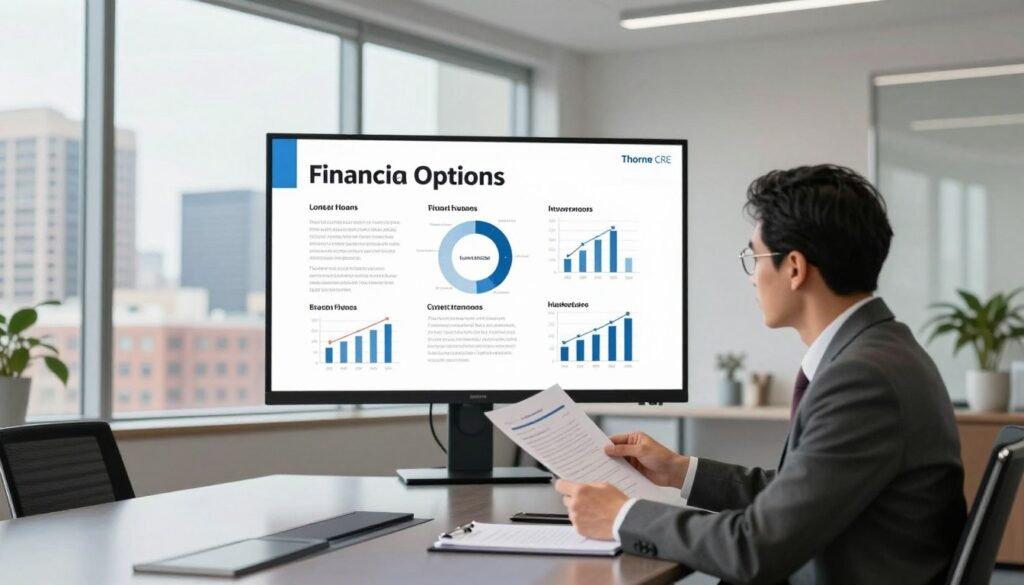
Hotel conversion projects need the right financing to succeed. As the hospitality industry changes, developers look at different financing options. They aim to turn hotels into multifamily properties or other uses.
Commercial Mortgage-Backed Securities (CMBS)
CMBS are a key financing tool for hotel conversions. They let lenders package mortgage loans into securities. This makes it easier to fund big projects. CMBS offer good interest rates and long loan terms, appealing to developers.
HUD/FHA Financing Programs
The U.S. Department of Housing and Urban Development (HUD) and the Federal Housing Administration (FHA) have special financing for hotel conversions. These programs offer better loan terms, like lower down payments and easier credit checks. The Hotels to Housing Conversion Act, backed by Adam Schiff, shows the government’s support for hotel conversions.
Private Equity and Joint Venture Partnerships
Private equity firms and joint ventures are getting involved in hotel conversions. They team up investors with developers, creating a strong partnership. Private equity provides the needed capital, while joint ventures share risks and open up new markets.
Opportunity Zone and Tax-Advantaged Financing
Opportunity Zones offer tax breaks for investments in poor areas. This makes hotel conversions more appealing. By using Opportunity Funds, developers can avoid taxes on gains and new investments. This boosts the project’s financial health.
| Financing Option | Key Benefits | Typical Use Cases |
|---|---|---|
| CMBS | Competitive interest rates, longer loan terms | Large-scale hotel conversions |
| HUD/FHA Financing | Favorable loan terms, lower down payments | Multifamily conversions, affordable housing |
| Private Equity & Joint Ventures | Access to capital, risk sharing | Complex conversions, high-end developments |
| Opportunity Zone Financing | Tax incentives, deferred capital gains | Projects in economically distressed areas |
It’s important to know the pros and cons of each financing option. This helps developers find the best deal for their projects. By using these financing strategies, they can turn old hotels into valuable properties. This helps communities grow and creates new housing options.
Creating an Optimal Financing Structure
Hotel conversion projects need a smart financing plan for success. A good financing structure balances capital needs with risk. It’s key to choose the right financing options.
Debt-to-Equity Ratio Considerations
The debt-to-equity ratio is crucial in hotel conversions. A hotel room is 100-250 square feet, and costs range from $25,000 to $167 per square foot. A balanced ratio reduces financial risks and makes the project work.
Mezzanine Financing Strategies
Mezzanine financing adds extra capital to hotel projects. It’s great when you don’t have much equity.
Construction-to-Permanent Loan Options
Construction-to-permanent loans cover construction and long-term financing. They make the loan process easier and can save money.
Bridge Loan Utilization
Bridge loans offer temporary financing for hotel projects. They help with immediate financial needs.
By picking the right financing options, developers can make their hotel projects successful. A well-planned financing structure is key.
Navigating Zoning and Regulatory Requirements
Understanding and following zoning and regulatory rules is key for hotel conversion success. Developers face a complex mix of local laws, building codes, and environmental rules. These must be followed to complete their projects.
Rezoning Application Processes
The rezoning process can be a big challenge in hotel conversions. Developers need to submit detailed applications. These often need community input and approval from local zoning boards.
For example, California’s Homekey Program has shown rezoning can work. It has funded over 200 projects, creating 12,500 homes for people leaving homelessness.
Density and Parking Requirement Challenges
Zoning rules often set density and parking limits, affecting hotel conversion plans. Developers must find a balance between these rules and creating good homes. Creative solutions, like shared parking or new building designs, can solve these problems.
Building Code Compliance for Residential Use
Hotel conversions to residential use need to meet building codes. This ensures the structure is safe for living, with proper fire safety, emergency exits, and living spaces.
Environmental Assessment Requirements
Environmental checks are often needed for hotel conversions, mainly in sensitive areas or with environmental risks. Doing thorough assessments and using mitigation strategies can help meet these needs.
| Regulatory Requirement | Description | Impact on Hotel Conversions |
|---|---|---|
| Rezoning | Changing the zoning classification to allow for residential use | Can be time-consuming and requires community approval |
| Building Code Compliance | Ensuring the structure meets safety standards for residential occupancy | May require significant renovations to meet code requirements |
| Environmental Assessments | Identifying and mitigating potential environmental hazards | Can add complexity and cost to the conversion process |
Architectural and Construction Considerations
When turning a hotel into multifamily units, the design and build are key. Changing the layout is a big step to meet new needs.
Floor Plan Reconfiguration Strategies
Changing the hotel’s layout is crucial for making it into homes. You need to look at the current design and figure out the best way to split it up. Doing this well can really boost the property’s value and charm.
Plumbing and Kitchen Infrastructure Additions
It’s important to add plumbing and kitchens to make rooms into homes. This means putting in the right fixtures and appliances. It makes sure each place has what it needs for everyday life.
HVAC and Electrical System Modifications
Changing the HVAC and electrical systems is key for home standards and saving energy. These upgrades also make living there more comfortable and safe.
Amenity Space Development
Creating spaces like community rooms, gyms, and outdoor areas makes the place better. These areas give people places to have fun and meet others.
| Conversion Aspect | Cost Range (Per Square Foot) | Description |
|---|---|---|
| Reconfiguration | $10 – $30 | Costs for changing the hotel’s layout |
| Plumbing and Kitchen | $15 – $40 | Expenses for adding home fixtures and appliances |
| HVAC and Electrical | $8 – $25 | Costs for improving heating, cooling, and electrical systems |
| Amenity Spaces | $5 – $20 | Costs for creating community and fun areas |
Turning hotels into homes can be cheaper than building new ones. Costs range from $25,000 to $167 per square foot. Planning and building well are essential for a good conversion.
Market Analysis for Converted Properties
Market analysis is key to knowing if a hotel conversion will work. It shows if there’s demand for the new use, like apartments or senior living. This helps developers see if their idea will make money.
Target Demographic Identification
Finding the right people to live in the converted property is vital. Developers look at age, income, and lifestyle to pick the best tenants. For example, the student housing market is growing fast, making it a good choice for some conversions.
Key considerations for target demographic identification include:
- Age and income demographics
- Lifestyle preferences and needs
- Local employment and education trends
Rental Rate Determination
Finding the right rent is crucial for success. Developers study the local market to set a fair price. They look at supply and demand, what others charge, and what the target group can afford.
Competitive Positioning Strategy
Standing out from the competition is important. Developers highlight what makes their property special, like amenities or location. This attracts tenants.
Effective competitive positioning involves:
- Analyzing competitor properties
- Identifying unique selling points
- Developing a strong brand identity
Absorption Rate Projections
Knowing how fast the property will fill up is important. Developers look at the local market’s ability to absorb new supply. They consider demand and what others are doing.
With a good market analysis, developers can make smart choices about hotel conversions. This ensures the project will be successful and profitable.
The Hotel Conversion Timeline and Process
The hotel conversion process has many important stages. Developers must carefully plan and manage each step to succeed. This ensures a smooth transformation.
Pre-Development Planning and Due Diligence
Pre-development planning is key. It starts with a deep dive into the market, finances, and property potential. This stage is all about setting the project’s foundation.
Developers check the property’s state, spot challenges, and plan how to overcome them. It’s vital for knowing if the project can work and what risks might come up.
Permitting and Approval Phases
Getting the right permits and approvals is crucial. Developers must follow local rules and codes. This ensures the project meets all requirements.
A Fort Worth project shows how fast things can go. It went from start to finish in just five months. This shows the importance of quick permitting and approvals.
Construction Scheduling and Management
Good construction planning and management are essential. Developers need a detailed schedule, to manage contractors, and track progress. This keeps the project on track.
“The key to successful hotel conversion is careful planning and execution,” said a leading developer. “By understanding the conversion process and potential challenges, developers can create successful and profitable projects.”
Marketing and Lease-Up Strategies
When the conversion is almost done, marketing and lease-up strategies kick in. Developers need a strong marketing plan, to highlight the property’s features, and offer good deals. This attracts tenants.
| Conversion Stage | Key Activities | Timeline |
|---|---|---|
| Pre-Development | Due diligence, market analysis, financial planning | 2-3 months |
| Permitting and Approvals | Zoning compliance, building permits | 3-6 months |
| Construction | Renovation, infrastructure upgrades | 6-12 months |
| Marketing and Lease-Up | Marketing campaigns, tenant acquisition | 3-6 months |
Understanding the hotel conversion timeline and process helps developers. Good planning, execution, and management are key to success. This ensures a smooth transformation.
Assembling an Expert Conversion Project Team
Success in a hotel conversion project depends on a skilled team. It needs experts from different fields to tackle the complex tasks. This team approach is key to making the conversion work.
Specialized Architects and Engineers
Architects and engineers are crucial in hotel conversions. They check the property’s potential, change floor plans, and follow building codes. Their skills make the living spaces both functional and attractive.
Experienced Conversion Contractors
Experienced contractors are essential for a smooth conversion. They handle the construction, keeping to schedules and budgets. Their knowledge helps solve the unique challenges of such projects.
Legal and Regulatory Consultants
Legal and regulatory consultants guide developers through the complex rules. They deal with rezoning, permits, and local laws. This helps avoid risks and delays.
Property Management Specialists
Property management specialists are key after the conversion. They manage the switch to residential use. They also handle getting tenants and improving property performance.
| Team Member | Role in Hotel Conversion |
|---|---|
| Specialized Architects and Engineers | Assess property potential, reconfigure floor plans, ensure code compliance |
| Experienced Conversion Contractors | Manage construction, meet timelines, adhere to budgets |
| Legal and Regulatory Consultants | Handle rezoning, permitting, regulatory compliance |
| Property Management Specialists | Oversee transition to residential operations, tenant acquisition, property optimization |
Case Studies: Successful Hotel Adaptive Reuse Projects
Hotel conversion projects are changing cityscapes by turning old hotels into new homes and businesses. Looking at successful projects shows how hotels can become many things. This includes homes, offices, and more.
Urban Luxury Hotel to Upscale Apartment Conversion
A luxury hotel in a big city was turned into fancy apartments. The team changed the layout to make big living spaces and added modern features. Now, it attracts high-end renters.
Extended Stay Property to Workforce Housing
Another success story is turning an extended stay hotel into affordable housing. The team made changes to the building. This created homes for local workers at a lower cost.
Resort Conversion to Active Adult Community
Turning a resort into a community for active adults is impressive. The project added amenities and homes for seniors. It meets their needs perfectly.
Budget Hotel to Affordable Housing Transformation
The Hilton JFK Airport hotel was turned into affordable housing, with 318 units, as reported by the New York Times. This shows how budget hotels can become much-needed homes.
These examples show hotels can be very versatile. They help by adding homes and making areas more lively.
| Project Type | Original Use | New Use | Units Created |
|---|---|---|---|
| Urban Luxury Conversion | Luxury Hotel | Upscale Apartments | 200 |
| Workforce Housing | Extended Stay | Workforce Housing | 250 |
| Active Adult Community | Resort | Active Adult Community | 300 |
| Affordable Housing | Budget Hotel | Affordable Housing | 318 |
“The adaptive reuse of hotels is a growing trend, driven by the need for innovative housing solutions and the revitalization of urban areas.”
Overcoming Common Conversion Challenges
Hotel conversions can be very profitable but also come with big challenges. These challenges include legal, financial, operational, and logistical hurdles. Developers must find ways to overcome these obstacles.
Dealing with Existing Hotel Franchise Agreements
One big challenge is dealing with existing franchise agreements. These agreements can be very complex. They may include clauses that affect the conversion process, like termination fees or brand standards.
Managing Construction Disruptions and Timelines
Managing construction and timelines is crucial. Delays can increase costs and harm the project’s success. Good project management is key to avoiding these problems.
Addressing Community and Neighborhood Concerns
It’s important to address concerns from the community and neighborhood. Talking to local stakeholders and understanding their needs helps. This way, the project can benefit everyone involved.
Navigating Supply Chain and Material Challenges
Supply chain and material challenges are also significant. Getting materials on time and managing the supply chain well is important. It helps keep the project on track.
| Challenge | Description | Mitigation Strategy |
|---|---|---|
| Franchise Agreements | Complex contracts with potential termination fees | Negotiate with franchisors, explore exit strategies |
| Construction Disruptions | Delays and cost overruns | Effective project management, contingency planning |
| Community Concerns | Potential resistance from local stakeholders | Community engagement, tailored project design |
| Supply Chain Challenges | Material delivery delays | Supply chain management, material sourcing |
By understanding and tackling these challenges, developers can successfully navigate hotel conversions. This leads to better outcomes.
Post-Conversion Asset Management Strategies
The success of turning a hotel into residential space depends on good asset management. It’s important to manage the property well to ensure long-term success. This means looking at many different parts of running a residential operation.
Transitioning from Hospitality to Residential Operations
Changing from a hotel to a residential building is a big challenge. It means moving from serving guests to making a home for people who live there. Changing amenities, staff needs, and focusing on residents are key steps.
Tenant Acquisition and Retention Programs
It’s crucial to have good plans for getting and keeping tenants. This can be done by offering good prices, nice amenities, and great service. Using online marketing and social media can also help draw in tenants.
| Strategy | Description | Benefits |
|---|---|---|
| Competitive Pricing | Market-rate pricing adjusted for local demand | Attracts tenants, maximizes revenue |
| Amenity Enhancement | Upgrading amenities to meet residential standards | Improves resident satisfaction, retention |
| Digital Marketing | Utilizing online platforms for marketing | Increases visibility, attracts potential tenants |
Expense Control and NOI Optimization
It’s important to keep an eye on expenses to make sure the property makes money. This means running things efficiently, saving on energy, and planning maintenance well.
Long-term Capital Improvement Planning
Planning for future upgrades is key to keeping the property competitive and valuable. This includes setting aside money for updates, renovations, and replacements as needed.
Future Trends in Hotel Conversion and Adaptive Reuse
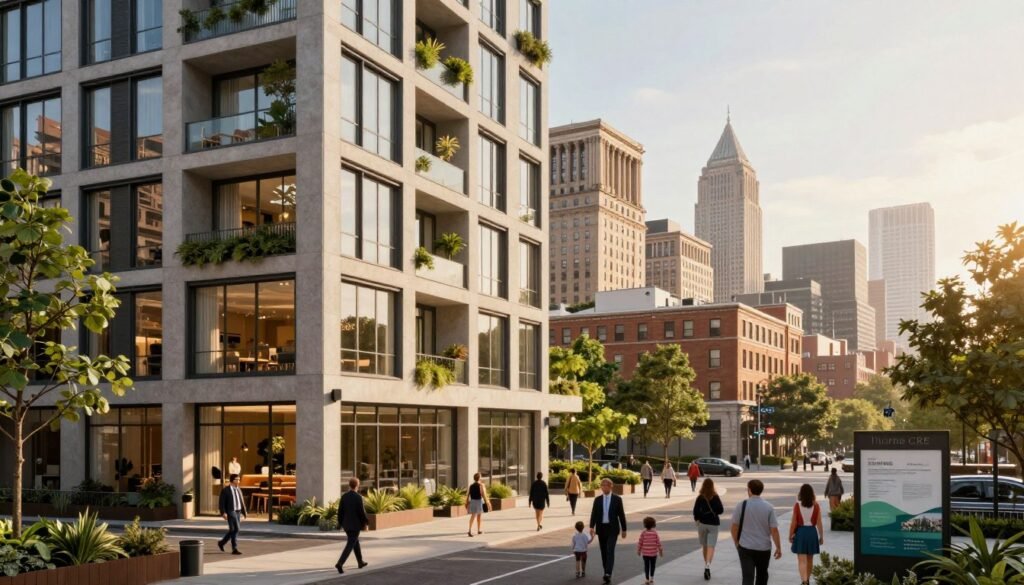
The hotel conversion industry is changing fast. New trends and technologies are leading the way. Developers are now using innovative designs, green practices, and the latest tech to make unique hotels.
Innovative Conversion Models
New ways to convert hotels are popping up. These include:
- Turning hotels into places with homes, shops, and fun spots
- Renovating old hotels into fancy, small homes
- Changing unused hotels into places for people to live together or community projects
Technology Integration
Technology is key in today’s hotel makeovers. Some big trends are:
- Smart home tech for a better living experience
- Green energy and efficient systems
- Digital tools for managing the property and talking to residents
ESG Considerations
Environmental, Social, and Governance (ESG) matters are getting more attention. Developers are now focusing on:
- Building green and using eco-friendly materials
- Designs and operations that save energy
- Working with the community and being socially responsible
Institutional Investment Trends
Institutional investors are getting more into hotel makeovers. They see the chance for good returns and to help change cities.
By following these trends, developers can make hotel makeovers that are both successful and good for the planet.
Conclusion: Transforming Hospitality Challenges into Real Estate Opportunities
Hotel conversions can breathe new life into old properties. They turn struggling hotels into valuable real estate. This process boosts the economy, solves housing needs, and makes commercial areas lively again.
Financing for hospitality is key in making these changes happen. It helps developers seize new chances in the market.
Hotel conversions offer more than just financial gains. They also help the environment and revitalize communities. As the hospitality world changes, so will the chances to turn challenges into opportunities.
Developers and investors can find hidden value in unused hotels. By using the right financing, they can make these properties shine. This leads to vibrant communities, filled with new and exciting real estate.