
The need for flex space and last-mile logistics is growing fast. This is thanks to the rise of e-commerce and the need for quick delivery. Over 75% of Americans live in cities or suburbs. This makes last-mile logistics facilities very important.
Lenders are now more willing to finance these types of properties. They see the potential for good returns on investment. This change is opening up new chances for developers and investors in Industrial & Warehouse Financing.
Key Takeaways
- The rise of e-commerce is driving demand for flex space and last-mile logistics facilities.
- Lenders are increasingly interested in financing properties that meet this demand.
- Strategic location is crucial for last-mile logistics facilities.
- New opportunities are emerging in Industrial & Warehouse Financing.
- Developers and investors can benefit from the growing demand for flex space.
The Evolution of Industrial Real Estate Market
The industrial real estate market has changed a lot. It moved from old warehouses to new, flexible spaces. This change came from new shopping habits, tech progress, and more online shopping.
From Traditional Warehouses to Modern Flex Spaces
Old warehouses are now modern, flexible spaces. These new areas can be used for many things. They work for making, storing, and even selling products.
The Rise of E-commerce and Its Impact on Industrial Properties
E-commerce has made industrial properties more popular. Last-mile logistics places are key for fast delivery. They are important for the supply chain.
Current Demand Drivers in the U.S. Market
Many things are driving demand in the U.S. industrial real estate market. E-commerce growth, the need for better logistics, and flex space are big factors.
| Demand Driver | Description | Impact on Industrial Real Estate |
|---|---|---|
| E-commerce Growth | Increased online shopping | Higher demand for last-mile logistics facilities |
| Flex Space | Multi-functional industrial spaces | Increased flexibility for tenants |
| Logistics and Distribution | Efficient supply chain management | Greater demand for modern industrial facilities |
Understanding Flex Industrial Properties
Flex space is a mix of industrial and office areas. It meets today’s business needs. It’s becoming more popular with businesses and investors.
Definition and Characteristics of Flex Space
Flex industrial properties combine office, research, and light industrial space. Key characteristics include:
- Flexible layout options
- High ceilings for potential mezzanine levels
- Ample parking and loading docks
- Modern amenities and technology infrastructure
Advantages of Flex Industrial Properties for Investors
Flex properties have many benefits for investors, including:
- Diversified tenant base
- Potential for higher rental income
- Adaptability to changing market conditions
Common Uses and Tenant Profiles
Flex industrial properties attract many tenants because of their versatility.
Manufacturing and Light Assembly
These properties are great for businesses needing space for production and assembly.
Research and Development Facilities
Flex spaces are perfect for R&D activities, offering a good environment for innovation.
Showroom and Distribution Combinations
Tenants can use these properties for showing products and managing distribution.
Understanding flex industrial properties helps investors make smart choices in the industrial real estate market.
Last-Mile Logistics: The New Frontier in Industrial Real Estate
The rise of e-commerce has changed the industrial real estate scene. Last-mile logistics is now key. These facilities are needed for fast delivery to customers.
What Makes Last-Mile Properties Unique
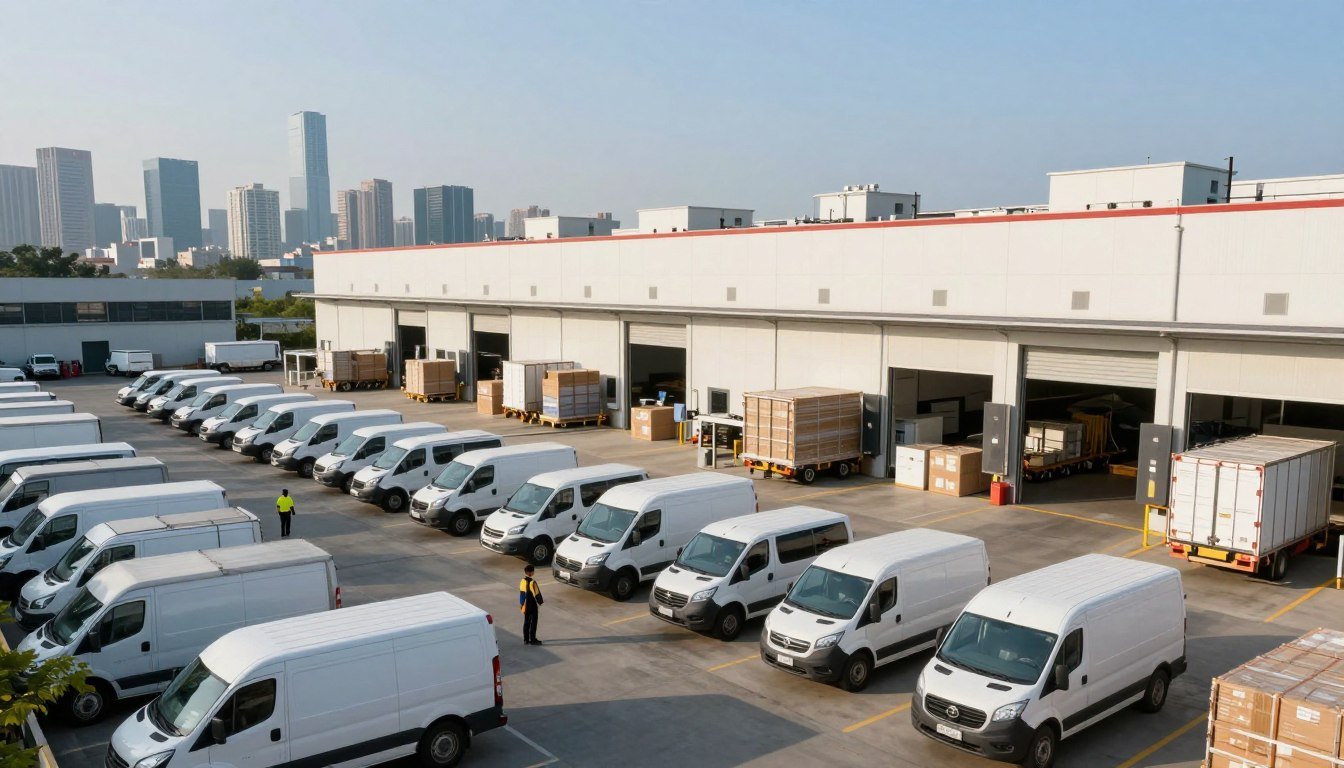
Last-mile properties are special because they are close to cities. They help in quick and efficient delivery. These places are smaller and more focused than big warehouses.
Key characteristics of last-mile properties include:
- Strategic locations near urban centers
- Smaller footprint compared to traditional warehouses
- Advanced technology for efficient order fulfillment
- Flexibility to adapt to changing consumer demands
Strategic Importance in the Supply Chain
Last-mile logistics is crucial for the supply chain. It helps businesses offer fast and flexible delivery. By being closer to customers, companies save on shipping time and money.
The importance of last-mile logistics is highlighted by its impact on:
- Reducing delivery times and costs
- Improving customer satisfaction through faster shipping
- Enhancing supply chain resilience and flexibility
Location Considerations for Last-Mile Facilities
The success of last-mile facilities depends on their location. Being close to cities, having good transport links, and access to labor are key.
Urban Infill Opportunities
Urban areas offer great chances for last-mile logistics. They are close to lots of people. But, there are challenges like high land costs and rules to follow.
Suburban Retail Conversion Potential
Suburban areas, with unused retail spaces, are also good for last-mile logistics. Turning these into logistics centers can boost local economies. It also provides modern, flexible spaces.
The following table summarizes key considerations for last-mile logistics facilities:
| Location Type | Advantages | Challenges |
|---|---|---|
| Urban Infill | Proximity to consumers, dense population | High land costs, regulatory issues |
| Suburban Retail | Available space, potential for revitalization | May require significant renovation, zoning issues |
Current Market Trends in Industrial & Warehouse Financing
The COVID-19 pandemic has changed the game in industrial and warehouse financing. Demand is now different in various places and for different types of properties.
Post-Pandemic Shifts in Industrial Property Demand
The pandemic has made e-commerce grow faster. This has led to more need for industrial spaces, like last-mile logistics. Now, there’s a big push for flex space that can be used for many things, from storing goods to distributing them.
Regional Market Variations Across the United States
Different parts of the U.S. are seeing different levels of interest in industrial properties. Big cities like Los Angeles and New York are still very popular. But, secondary markets are also getting more attention because they’re cheaper and have growing logistics needs.
Investment Volume and Cap Rate Trends
Investments in industrial properties are still strong. But, cap rates vary a lot depending on the market.
Primary vs. Secondary Market Differences
Primary markets usually have lower cap rates because they’re more in demand and have higher property values. Secondary markets, on the other hand, offer higher returns to make up for the perceived risks.
Coastal vs. Inland Market Dynamics
Coastal areas, close to big ports, are getting a lot of investment in industrial properties. This is because of international trade. Inland areas, though, are good for domestic distribution and are also getting more attention.
As the industrial property market keeps changing, it’s key for investors and developers to understand these trends. This helps them make smart choices about industrial underwriting and financing.
Types of Industrial & Warehouse Financing Options
The demand for industrial spaces is growing fast. This means more financing options are available. Investors and developers can pick from a range of solutions that fit their needs and property types.
Conventional Commercial Mortgages
Conventional commercial mortgages are a top choice for financing industrial and warehouse properties. Banks and financial institutions offer these loans. They are known for their competitive interest rates and long-term financing options.
SBA Loans for Industrial Properties
The Small Business Administration (SBA) has loan programs for industrial property financing. SBA loans are great because they have favorable terms. They offer lower down payments and longer repayment periods. These loans help small businesses buy or renovate industrial spaces.
CMBS Loans and Conduit Financing
CMBS loans and conduit financing are other options for financing industrial properties. These loans are backed by the property’s cash flow. They offer non-recourse financing, which is good for investors who want to limit their liability.
Private Equity and Joint Venture Capital
Private equity and joint venture capital are big in industrial real estate financing. These strategies offer flexible capital structures. They help fund large-scale industrial projects or redevelopment plans.
Mezzanine Financing Structures
Mezzanine financing is a mix of debt and equity financing. It’s used to bridge the gap between senior debt and equity. Mezzanine financing provides the extra capital needed for property acquisitions or renovations.
Knowing about these financing options helps investors and developers make smart choices. They can pick the best financing strategy for their industrial and warehouse property investments.
Specialized Financing Programs for Flex Space Development
Developing flex space needs new financing solutions. Now, there are programs made just for this market. They offer flexibility and options tailored to each project.
Construction Loans for Flex Industrial Projects
Construction loans help pay for new facilities. They let developers get funds as they need them. This makes the building process easier.
Renovation Financing for Converting Traditional Warehouses
Renovation loans are key for turning old warehouses into flex spaces. They help upgrade properties. This makes them more appealing to tenants and boosts their value.
Green Financing Incentives for Sustainable Industrial Properties
Green financing is growing for eco-friendly industrial projects. It encourages using green features. This can cut down on environmental harm and costs.
Tax Increment Financing and Economic Development Incentives
Tax Increment Financing (TIF) and economic incentives help flex space projects. TIF funds infrastructure in certain areas. Economic incentives offer tax breaks or other benefits to spur development.
Using these financing programs, developers can make their flex space projects a reality. They meet the need for modern, flexible industrial spaces.
Navigating Last-Mile Property Acquisition Financing
The rise of e-commerce has made last-mile facilities more important. Their strategic locations make them very valuable. They are key for timely delivery.
Urban Property Financing Challenges
Financing last-mile properties in cities is tough. Prices are high, and zoning rules are complex. Urban property financing needs a deep understanding of local markets and rules.
Properties in crowded areas face extra hurdles. They must consider environmental impact and community feelings. Lenders see these projects as riskier because of their complexity.
Adaptive Reuse Financing Strategies
Turning old buildings into last-mile logistics is a smart move. It saves money and cuts down on time. Financing for adaptive reuse often includes renovation loans or special programs for old buildings.
Sale-Leaseback Options for Last-Mile Facilities
Sale-leaseback is a financing option for last-mile properties. It lets companies use the money tied up in real estate. They can still use the facilities.
| Financing Option | Key Benefits | Typical Use Cases |
|---|---|---|
| Conventional Mortgage | Stable, long-term financing | Established companies with strong credit |
| Sale-Leaseback | Unlocks capital, retains property use | Companies needing liquidity |
| Adaptive Reuse Financing | Cost-effective, reduced timeline | Projects repurposing existing buildings |
Multi-Tenant vs. Single-Tenant Financing Considerations
Choosing between multi-tenant and single-tenant facilities affects financing. Single-tenant properties are easier to finance because of one tenant.
Multi-tenant properties offer diversification and stable cash flows. But, they need more complex underwriting because of different tenants.
Industrial Underwriting: Key Considerations and Processes
The industrial underwriting process is complex. It requires a detailed look at several key elements. This ensures that investment decisions are well-informed.
Tenant Quality and Lease Structure Analysis
When underwriting, the quality of the tenant and the lease structure are crucial. A strong tenant with a reliable credit history can greatly reduce investment risk.
Looking at the lease structure means checking the terms and conditions. This includes the lease length, rent increases, and any special deals or discounts.
Property Valuation Methodologies for Industrial Assets
Getting the property value right is key in industrial underwriting. Several methods are used, like the income approach, sales comparison, and cost approach.
Each method has its own strengths and weaknesses. The right approach depends on the property’s features and the investment goals.
Location and Accessibility Factors in Underwriting
The location and how easy it is to get to an industrial property are very important. Being near transportation hubs and having access to a skilled labor market are critical.
Proximity to Transportation Hubs
Being near ports, airports, and highways can make an industrial property more attractive and valuable.
Labor Market Accessibility
Having access to a skilled labor market is key. It affects how well the property operates and its costs.
Building Specifications and Functionality Assessment
The building’s specs and how it functions are also evaluated. This includes checking its condition, design, and features.
| Underwriting Factor | Description | Importance Level |
|---|---|---|
| Tenant Quality | Creditworthiness and reliability of the tenant | High |
| Lease Structure | Terms and conditions of the lease agreement | High |
| Property Valuation | Accurate assessment of the property’s value | High |
| Location and Accessibility | Proximity to transportation hubs and labor markets | High |
| Building Specifications | Condition, design, and features of the property | Medium |
Loan-to-Value Ratios and Financing Terms
The world of financing for industrial properties is complex. Loan-to-value ratios and financing terms are key for investors. Knowing these well is crucial for getting the best financing for industrial property investments.
Typical LTV Ratios for Different Industrial Property Types
Loan-to-value (LTV) ratios change a lot depending on the property type. For example, last-mile logistics facilities often have lower LTV ratios. This is because they are specialized and might be riskier. On the other hand, high-quality flex spaces might get better LTV ratios.
Interest Rate Considerations and Structures
Interest rates for industrial property financing can be fixed or floating. The choice depends on the investor’s risk level and market expectations. Important factors include:
- The current interest rate environment
- The investor’s cash flow projections
- The loan term and amortization schedule
Amortization Schedules and Balloon Payments
Amortization schedules for industrial property loans can last from 20 to 30 years. Some loans have balloon payments at the end. This can affect the investor’s cash flow and should be thoughtfully considered.
Recourse vs. Non-Recourse Financing Options
Investors must choose between recourse and non-recourse financing. Non-recourse loans protect the investor’s other assets in case of default. Recourse loans, on the other hand, allow the lender to go after the borrower’s other assets. This choice impacts the investor’s risk and should be discussed with financial advisors.
The Financing Application Process
Getting financing for industrial properties needs careful attention. This includes preparing financial statements and doing property checks. It’s key for getting the funds needed for properties like flex spaces and last-mile logistics.
Required Documentation for Industrial Property Loans
The first step is to collect all needed documents. This includes financial statements, tax returns, and business plans. Lenders check if the borrower can afford the loan and if the project will work.
- Financial statements (balance sheets, income statements)
- Tax returns (personal and business)
- Business plans and projections
- Property appraisals and valuations
Financial Statement Preparation and Analysis
Preparing financial statements is a big part of the process. Borrowers must make sure their statements are correct and current. Lenders look at these to see if the borrower can pay back the loan.
Property Due Diligence Requirements
Checking the property is also key. This means looking at the property’s value, condition, and how well it can make money.
Environmental Assessments
Environmental checks are very important. They find any environmental dangers or risks with the property.
Building Inspections and Infrastructure Evaluation
Checking the building and infrastructure is also crucial. It helps lenders know the property’s state and any costs for upkeep or repairs.
Title and Zoning Compliance Review
A title and zoning check makes sure the property’s title is clear. It also checks if the property follows all zoning rules.
| Due Diligence Component | Description |
|---|---|
| Environmental Assessments | Identify potential environmental hazards |
| Building Inspections | Evaluate the property’s condition |
| Title and Zoning Compliance | Ensure clear title and zoning compliance |

Risk Mitigation Strategies for Industrial Property Financing
Effective risk mitigation is key for successful industrial property financing. This is true in the fast-changing world of last-mile logistics and flex space. Investors and lenders face many challenges to make sure their investments are stable and profitable.
Interest Rate Hedging Options
One important strategy is interest rate hedging. It helps protect against changes in interest rates that can affect loan payments. Interest rate swaps and caps are tools used to manage this risk. They help keep financing costs stable.
Portfolio Diversification Approaches
Diversifying a portfolio is another crucial strategy. By investing in different types of industrial properties, investors can lower their risk. This might include last-mile logistics facilities, flex spaces, and traditional warehouses.
Insurance Requirements and Considerations
Having enough insurance is vital to protect against property damage, liability, and business interruption. Investors should look closely at insurance needs. They should also think about extra coverage for risks like flood or earthquake damage, based on the property’s location.
Tenant Diversification Strategies
Diversifying tenants across different industries is another way to reduce risk. By having tenants from various sectors, investors can avoid relying too much on one industry. This is very important for multi-tenant industrial properties.
By using these risk mitigation strategies, investors and lenders can make their industrial property investments more stable and profitable. They can handle the market’s complexities with more confidence.
Refinancing Existing Industrial Properties
The industrial real estate market is changing fast. Property owners are now looking to refinance to make the most of their assets’ value. Refinancing needs careful thought about the right time and how to use the cash.
Timing Considerations for Refinancing
Choosing the right time to refinance is key. It’s about looking at the market, like interest rates and demand for industrial spaces. Owners must think about the pros and cons, like prepayment penalties.
Cash-Out Refinancing Strategies
Cash-out refinancing lets owners use their property’s equity. This can fund renovations, expansions, or new business ideas. But, it’s important to think about how it affects your loan and debt.
Navigating Prepayment Penalties
Refinancing can come with prepayment penalties from the original loan. Knowing your loan’s terms and talking to lenders can help reduce these costs.
Leveraging Improved Property Performance
Refinancing can also help you use your property’s better performance. This could mean more rental income or a higher property value. It might lead to better loan terms, like lower interest rates or more money.
By carefully thinking about these points, property owners can make smart refinancing choices. This could open up new financial chances and improve their investment returns.
Working with Specialized Industrial Property Lenders
Financing industrial properties, like last-mile logistics and flex space, is easier with specialized lenders. They know the industrial real estate market well. They offer financing solutions that fit the unique needs of these projects.
Commercial Banks with Industrial Property Expertise
Commercial banks with special industrial property financing teams offer great loan terms. They also make the application process easy. Their industrial underwriting skills help them understand a property’s value and potential.
Life Insurance Companies as Funding Sources
Life insurance companies are a big source of funding for industrial properties. They give long-term, fixed-rate loans. This is great for investors who want stable financing costs.
Agency Lenders and Government-Backed Programs
Agency lenders offer loans backed by government agencies. They have good terms for qualifying industrial property projects. These programs are great for last-mile logistics facilities.
Debt Funds and Alternative Financing Sources
For projects that don’t fit traditional lending, debt funds and other alternative sources can help. They have flexible criteria. They can finance projects involving flex space or other non-standard industrial properties.
Working with these specialized lenders helps investors and developers get the financing they need. This way, they can make their industrial property projects a reality.
Technology Integration and ESG Considerations
Technology and ESG factors are key in industrial property financing now. The industrial real estate sector is changing fast. Tech and environmental factors are big in investment choices.
Smart Warehouse Systems and Financing Implications
Smart warehouse systems are becoming more common. They use IoT sensors, AI, and automation to improve operations. A CBRE report says they can save a lot of money and make tenants happier.
“The use of technology in warehouses is no longer a nice-to-have; it’s a necessity for remaining competitive in the modern logistics landscape.”
Automation and Robotics Infrastructure
Automation and robotics are changing industrial properties. They make order fulfillment faster and more accurate. Financing for this infrastructure needs to consider the investment return and property value.
Renewable Energy Installations and Financing Incentives
Renewable energy in industrial properties cuts carbon emissions and offers financing perks. Green financing is getting more common for sustainable properties.
| Renewable Energy Type | Financing Incentives | Potential Savings |
|---|---|---|
| Solar Panels | Tax Credits, Grants | Up to 30% on energy costs |
| Wind Turbines | Low-interest Loans, Rebates | Up to 50% on energy costs |
ESG Metrics in Industrial Property Lending
Lenders are now using ESG metrics in their decisions. They look at energy use, waste, and social impact. Properties that do well on these scores might get better loan terms.
Understanding tech and ESG is key for smart investment and lending in industrial properties.
Future Trends in Industrial & Warehouse Financing
The future of financing for industrial and warehouse spaces is changing fast. New technologies and market needs are leading the way. It’s key to keep up with these trends to stay ahead in this field.

Emerging Micro-Fulfillment Center Financing
Micro-fulfillment centers are on the rise with the growth of online shopping. They need special financing that fits their unique needs and potential for profit.
Impact of Supply Chain Reshoring on Industrial Property Demand
Supply chain reshoring is boosting demand for industrial properties. This is true for areas close to major markets. Financing for these properties must keep up with global trade and manufacturing changes.
Cold Storage and Specialized Facility Financing
E-commerce and changing consumer habits are making specialized facilities like cold storage warehouses more necessary. Financing for these needs a deep grasp of their specific challenges and market demand.
Technological Disruption in Industrial Property Lending
New tech like blockchain and AI is changing how we lend for industrial properties. These tools make financing more efficient and secure. But, they also bring challenges for lenders in understanding new risks.
As the world of industrial and warehouse financing keeps evolving, it’s vital for investors and lenders to stay updated. By grasping the drivers of change and adjusting to new financing models, they can make the most of this dynamic market.
Conclusion: Securing Optimal Financing for Your Industrial Property Investment
Getting the right financing for industrial property investments is key in today’s fast-changing market. The growth of e-commerce and the need for last-mile logistics have changed the industrial real estate scene. Flex space, with its flexibility and prime locations, is now in high demand.
It’s important to know the different financing options out there. This includes traditional commercial mortgages and special programs for flex space. Industrial underwriting is also crucial, looking at tenant quality, property value, and location.
As the market keeps evolving, staying up-to-date with industrial and warehouse financing trends is vital. Using the right financing strategies can help investors succeed in flex space and last-mile logistics. This way, they can make the most of their industrial property investments.
With the right financing, investors can handle the industrial real estate market’s challenges confidently. This ensures their investments stay competitive and profitable.