
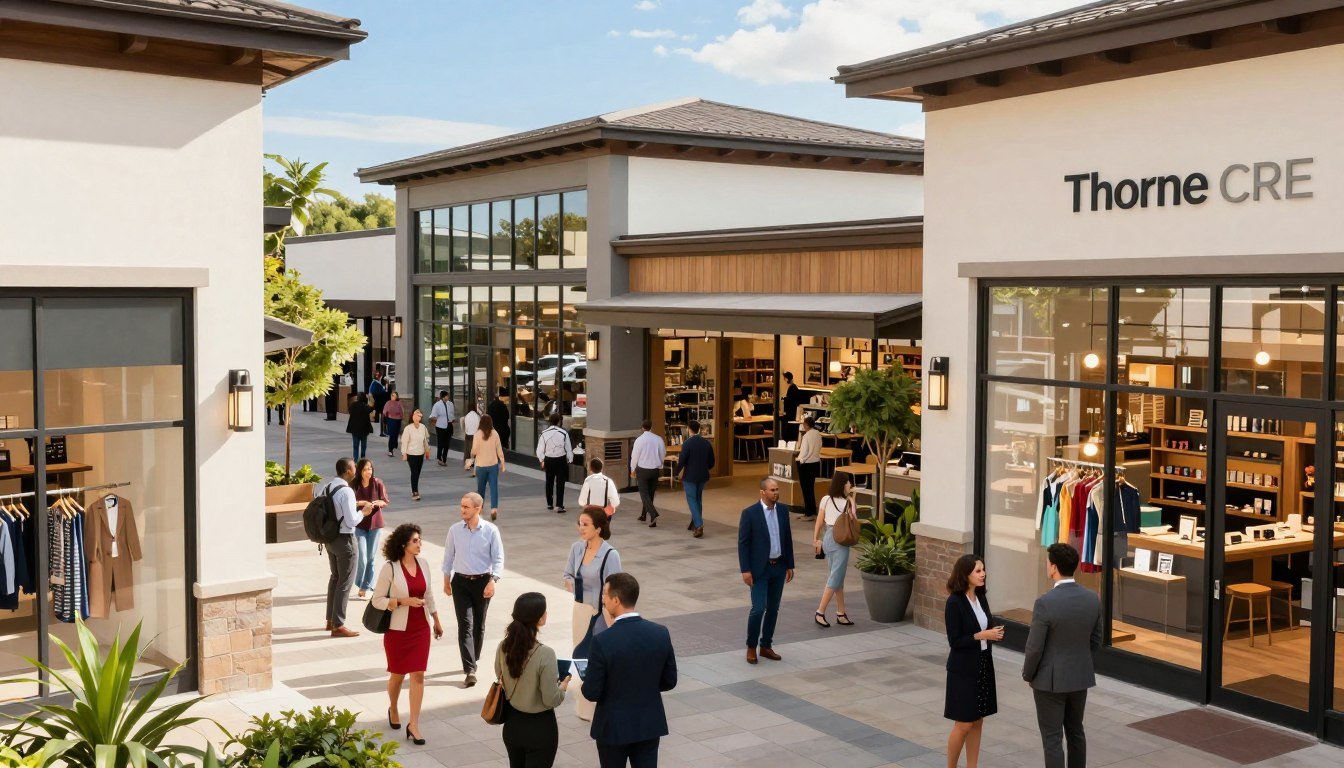
The commercial real estate world is changing fast. Now, multi-tenant retail centers are getting more popular. They offer many benefits, like making money in different ways. In the U.S., these centers have an average return of 6.5%, beating other commercial properties.
As more people want these centers, knowing about retail center loans is key. These centers bring in money in various ways and have less risk of being empty. But, they also come with their own set of problems, like managing many tenants and dealing with different types of businesses.
Key Takeaways
- Multi-tenant retail centers offer a higher average cap rate compared to other commercial real estate types.
- The versatility of these centers allows for diversified income streams.
- Understanding retail center loans is essential for investors and developers.
- Complex management is a significant challenge associated with multi-tenant retail centers.
- Diversified tenant mixes can mitigate vacancy risks.
The Current Landscape of Retail Property Financing
The world of retail property financing is changing a lot after the pandemic. It’s important for investors and lenders to know the latest trends and how they vary by region.
Post-Pandemic Recovery Trends
The retail property sector has shown it can bounce back from tough times. Food-anchored retail strips are still in demand, as seen in Canada’s commercial real estate market. In 2025, the market saw a small drop, with about $51 billion in transactions, an 8% drop from the year before.
After the pandemic, how people shop has changed, with more online purchases. Yet, physical stores are still key in the retail world.
Regional Market Variations Across the U.S.
Across the U.S., different areas are recovering at different speeds. This affects how easy it is to get financing for retail properties.
Local market conditions like population growth and spending habits matter a lot. Lenders and investors need to look at these factors closely when deciding on financing.
Understanding Multi-Tenant Retail Centers
Multi-tenant retail centers are complex assets that need a deep understanding. They are designed for multiple tenants, creating a network of income sources. This diversification can lead to higher returns and reduced risk for investors.
The success of a multi-tenant retail center depends on several factors. Its location, tenant mix, and shopping experience are key. Anchor tenants, like well-known retail chains, are crucial in attracting customers and driving foot traffic.
Types of Retail Centers
Retail centers vary in configuration, each with its unique characteristics and advantages. Understanding these differences is essential for investors and developers.
Strip Centers vs. Power Centers
Strip centers are linear configurations of stores, often with a single level. They are anchored by a grocery store or a pharmacy. Power centers, on the other hand, are dominated by large anchor tenants, often big-box retailers, and may include smaller inline tenants.
Lifestyle Centers and Mall Configurations
Lifestyle centers are upscale, outdoor shopping centers that combine retail with dining and entertainment. Malls are enclosed shopping centers that can range from regional malls with a large trade area to smaller, neighborhood malls.
Neighborhood Shopping Centers
Neighborhood shopping centers are smaller, convenience-oriented centers that serve the local community. They are typically anchored by a grocery store or a pharmacy and offer a limited range of services and retail options.
| Type of Retail Center | Characteristics | Anchor Tenants |
|---|---|---|
| Strip Centers | Linear configuration, single level | Grocery store, pharmacy |
| Power Centers | Large anchor tenants, big-box retailers | Big-box retailers |
| Lifestyle Centers | Upscale, outdoor, mixed-use | High-end retailers, dining, entertainment |
| Neighborhood Shopping Centers | Small, convenience-oriented | Grocery store, pharmacy |
Key Players in the Retail Property Financing Ecosystem
The world of retail property financing is filled with different players. Each one has its own strengths. Knowing who they are is key to understanding retail property investment.
Traditional Banks and Credit Unions
Traditional banks and credit unions are big in retail property financing. They offer various loans with good interest rates. But, they need a strong credit score and a big down payment.
- Advantages: Competitive interest rates, established relationships
- Disadvantages: Stringent credit requirements, potential for lengthy approval processes
CMBS Lenders and Life Insurance Companies
CMBS lenders and life insurance companies offer different financing options. CMBS lenders give non-recourse loans. Life insurance companies invest in stable, long-term assets.
Key benefits:Non-recourse loans, long-term financing options
Private Equity and Alternative Funding Sources
Private equity firms and alternative funding sources are growing in retail property financing. They offer flexible terms and quick action. But, these options usually have higher interest rates.
Retail Center Loans: Types and Structures
It’s key for investors to know about retail center loans. These loans come in various types, each suited for different needs and properties.
Permanent Financing Options
Permanent financing is for long-term investments in retail centers. It offers a fixed-rate loan for steady income. Benefits include predictable payments and less risk from rate changes. It’s perfect for those planning to hold onto their properties for a long time.
Construction and Bridge Loans
Construction loans are for short-term needs in retail development or renovation. They provide funds for construction costs and are repaid after completion. Bridge loans are temporary, helping until permanent financing is secured. They’re useful for quick action on opportunities or when permanent financing is delayed.
SBA Loans for Retail Properties
The Small Business Administration (SBA) has loan programs for retail property purchases or renovations. SBA loans are appealing with lower down payments and longer repayment terms. They’re great for small business owners in retail. But, the application is strict, and there are specific requirements.
Knowing about retail center loans helps investors make smart choices. It’s all about understanding the options in retail property financing.
The Importance of Anchor Tenants in Financing Decisions
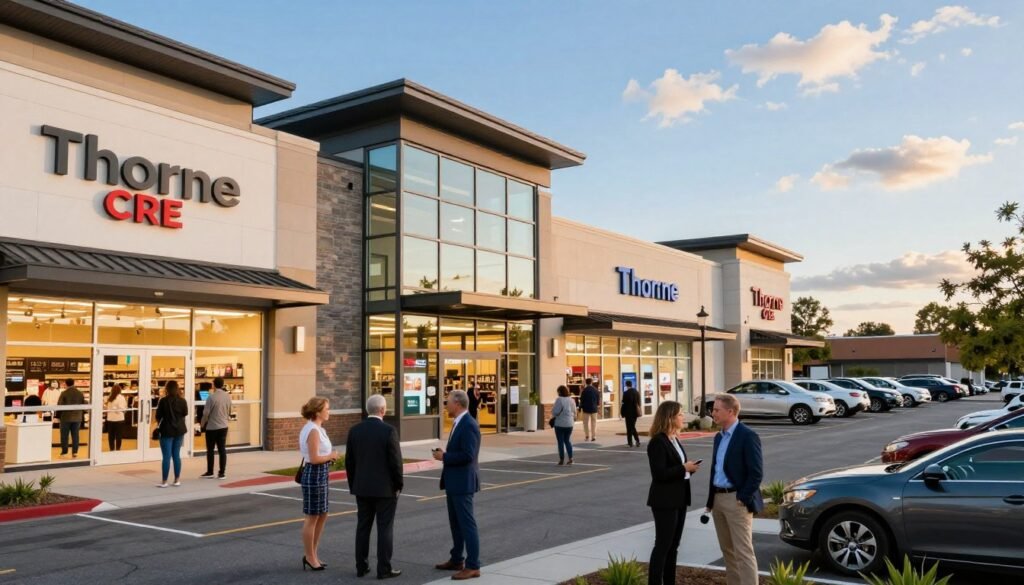
Anchor tenants play a big role in the financing of retail centers. They affect loan terms and interest rates. These tenants are big brands that bring lots of people to the center, making it more attractive.
How Anchors Affect Loan Terms and Rates
Having anchor tenants can make loan terms better. This is because these tenants are seen as stable and trustworthy. This stability can lead to lower interest rates and more flexible repayment plans.
Risk Assessment of Anchor Tenant Stability
Lenders look at several things when checking if an anchor tenant is stable. They check the credit rating and how long the lease is. A good credit score means less chance of default. A long lease means steady income.
Credit Rating Considerations
A high credit rating is key for an anchor tenant. It shows they can handle their finances. Lenders use credit reports and ratings to gauge this risk.
Lease Term Analysis
The length and details of an anchor tenant’s lease matter a lot. Longer leases mean more stable cash flow. This stability is good for lenders.
| Factor | Impact on Loan Terms | Risk Assessment |
|---|---|---|
| Credit Rating | Favorable loan terms with high credit ratings | Lower risk with high credit ratings |
| Lease Term | Longer lease terms lead to better loan conditions | Reduced risk with longer lease terms |
Evaluating Inline Tenants for Lender Confidence
For lenders, checking inline tenants is key. They look at the mix and lease deals to see the risk. These tenants are vital for a retail property’s health and profits.
Tenant Mix and Diversity Considerations
Lenders check the tenant mix for diversity. They want to avoid relying too much on one tenant or type. A mix helps manage risks from market changes and empty spaces.
| Tenant Category | Risk Level | Average Lease Term |
|---|---|---|
| National Retail Chains | Low | 5-7 years |
| Local Businesses | Moderate | 3-5 years |
| Service Providers | Moderate | 3-5 years |
Lease Structure Analysis
Lease structures are key for steady rental income. Lenders look at lease terms, escalations, and renewals. This helps them see if there’s a steady cash flow.
Rental Escalations and Renewals
Escalations tied to inflation or market rates keep income steady. Renewals with set rent increases add stability and predictability.
Tenant Improvement Allowances
Tenant improvement allowances make leases more attractive. Lenders consider these when looking at lease structures and long-term tenant stays.
By closely checking inline tenants and their leases, lenders can grasp the risks and potential gains. This is vital for smart financing choices.
Co-Tenancy Clauses and Their Financial Implications
It’s key for lenders to grasp co-tenancy clauses when looking at retail center loans. These clauses in retail leases let tenants pay less rent or end their lease if certain conditions aren’t met. This often includes the need for an anchor tenant.
Understanding Co-Tenancy Provisions
Landlords and tenants work out co-tenancy clauses to keep a retail center busy. These clauses kick in if an anchor tenant closes or if the center’s occupancy drops. For example, a tenant might get a 20% rent cut if an anchor tenant goes out of business.
Co-tenancy clauses have big effects. They can mess with a retail property’s cash flow, which can hurt its value and the lender’s security. So, lenders need to get the details of these clauses right when they’re looking at a loan.
| Clause Type | Trigger Event | Impact on Rent |
|---|---|---|
| Anchor Tenant Clause | Closure of anchor tenant | 20% rent reduction |
| Occupancy Clause | Occupancy falls below 80% | 15% rent reduction |
| Tenant Mix Clause | Change in tenant mix | Negotiated rent adjustment |
Mitigating Co-Tenancy Risks for Lenders
Lenders can lessen co-tenancy risks by carefully checking lease agreements. They need to look at the tenant mix and how much they rely on anchor tenants to judge the loan’s risk.
Ways to reduce these risks include:
- Doing deep research on lease agreements
- Checking if anchor tenants are stable and have good credit
- Looking at how diverse the tenant mix is
By knowing about co-tenancy clauses and how to lessen their risks, lenders can make better choices when financing retail center loans.
Retail Property Financing: Underwriting Criteria and Requirements
Retail property financing needs a deep understanding of what lenders look for. They use various criteria to check if a property is a good investment. This ensures the property can pay off the loan and make enough money.
Debt Service Coverage Ratio Requirements
The Debt Service Coverage Ratio (DSCR) is key in retail property financing. It shows how much income the property makes compared to its debt. Lenders want a DSCR of 1.2 or more. This means the property can easily pay off its debt.
Loan-to-Value Considerations
The Loan-to-Value (LTV) ratio is also important. It shows how much of the property’s value the lender is willing to lend. For retail properties, lenders usually prefer an LTV of 70% or less. This shows they are being careful and reducing the risk of default.
Property Performance Metrics That Matter
Several key metrics are important in underwriting retail property financing. These include Net Operating Income (NOI) analysis and occupancy rate thresholds.
Net Operating Income Analysis
NOI is a key metric that shows a property’s income after expenses. Lenders look at NOI to see if the property can cover its debt payments.
Occupancy Rate Thresholds
Occupancy rates show how well a retail property is doing. Lenders often require a minimum occupancy rate of 80% for loan approval.
| Underwriting Criterion | Typical Requirement | Importance |
|---|---|---|
| Debt Service Coverage Ratio | 1.2 or higher | High |
| Loan-to-Value Ratio | 70% or less | High |
| Net Operating Income | Sufficient to cover debt | High |
| Occupancy Rate | Above 80% | High |
Understanding and meeting these criteria helps investors and lenders secure financing for retail properties. This ensures the properties are viable and profitable.
Navigating Due Diligence for Retail Property Financing
Understanding the due diligence process is key for successful retail property financing. It involves a detailed review of the property’s condition, legal status, and financial health. This helps to reduce risks and ensure the loan’s success.
Environmental and Property Condition Assessments
Environmental and property condition assessments are vital in due diligence. They uncover environmental risks like soil contamination or asbestos. They also check the property’s overall condition. This info is crucial for lenders to value the property and understand its risks.
| Assessment Type | Purpose | Key Factors |
|---|---|---|
| Environmental Assessment | Identify potential environmental hazards | Soil contamination, asbestos, wetlands |
| Property Condition Assessment | Evaluate the overall property condition | Structural integrity, building code compliance, needed repairs |
Tenant Estoppels and Lease Reviews
Tenant estoppels and lease reviews are also key. They confirm lease terms and tenant status. Lease reviews check for unusual terms or risks. This helps lenders grasp the property’s income and potential risks from tenants.
By doing thorough due diligence, lenders can make smart choices and lower risks in retail property financing. This ensures lenders fully understand the property’s value, risks, and income potential.
Interest Rate Trends and Their Impact on Retail Financing
Changes in interest rates greatly affect retail property financing. It’s key to understand these changes. They influence borrowing costs, loan choices, and the success of retail projects.
Understanding Interest Rate Trends is vital for investors and lenders. These trends show the economy’s health and impact spending. This, in turn, affects how well retail properties do.
Fixed vs. Variable Rate Structures
Choosing between fixed and variable rates is a big decision in retail financing. Fixed-rate loans provide stability and clear costs. On the other hand, variable-rate loans might start lower but could increase if rates go up.
- Fixed-rate loans are best for long-term plans where predictability matters.
- Variable-rate loans might work for short-term needs or when rates are expected to fall.

Hedging Strategies for Rate Fluctuations
To handle rate changes, lenders and borrowers use hedging strategies. These tools help secure rates or guard against rate drops.
- Interest rate swaps can change variable rates to fixed or vice versa.
- Options and futures contracts offer protection against rate hikes.
- Collars set a rate range, limiting risk from big rate swings.
By knowing and using these strategies, those in retail financing can tackle rate changes better.
Overcoming Common Challenges in Retail Property Financing
Financing retail properties has become harder as the retail world changes. Investors and lenders face many hurdles to get financing deals right.
E-commerce Competition Concerns
E-commerce has changed the retail scene a lot. It’s tough for old-fashioned stores. To beat this, investors are making experiential retail environments. These mix shopping with fun and community, drawing people to stores.
Addressing Vacancy and Tenant Turnover
Vacancy and tenant changes are big worries. To tackle this, lenders and investors focus on tenant diversity and mix. They aim for a mix of tenants to lessen reliance on one big store. Also, flexible leases help keep tenants and draw in new ones.
Navigating Changing Consumer Behaviors
Consumer habits are changing fast, thanks to tech and lifestyle shifts. To keep up, investors use data analytics in their plans. This helps them grasp what people want and make smarter choices about their properties and tenants.
By tackling these issues, investors and lenders can succeed in the ever-changing retail financing world.
Innovative Financing Strategies for Today’s Retail Centers
New financing strategies are changing the retail property world. They open up new chances for growth and improvement. As retail keeps changing, these strategies are key for multi-tenant centers.
Mixed-Use Development Financing
Mixed-use developments are becoming more popular. They mix retail, homes, and offices, making lively areas. Financing for these developments needs a careful look, because of the different income sources and complex plans.
- Diverse revenue streams from retail, residential, and office components
- Enhanced property value through mixed-use synergies
- Potential for higher returns on investment
Adaptive Reuse Funding Solutions
Adaptive reuse projects turn old buildings into new ones, like offices or homes. Adaptive reuse funding solutions are key for these projects. They often need big renovations and updates.
Converting Retail to Alternative Uses
Turning old retail spaces into something new can refresh them. This not only makes the property better but also meets market needs.
“The adaptive reuse of retail properties is a growing trend, driven by the need to repurpose underutilized assets and meet evolving consumer demands.”
Financing for Sustainability Upgrades
Financing for green upgrades is becoming more common in retail. Sustainability upgrades include things like energy-saving systems and green roofs. These not only cut costs but also increase property value.
In conclusion, new financing strategies like mixed-use and adaptive reuse are changing retail. By using these, developers and investors can find new chances and grow the sector.
Case Studies: Successful Retail Property Financing
Case studies show us how successful retail property financing works. They give us real examples of strategies and solutions that succeed. These examples are very helpful.
Neighborhood Shopping Center Refinance
A neighborhood shopping center in a suburban area got a refinance. It was to take advantage of lower interest rates and get more money for renovations. The center was fully leased, which made it a good choice for refinancing.
Deal Structure and Terms
The refinance deal was a non-recourse loan. This meant the borrower had limited liability. The loan had a fixed interest rate of 4.5% for 10 years, with a 25-year payback period.
Challenges Overcome
One big challenge was the lender’s worry about the anchor tenant’s stability. To solve this, the borrower showed a detailed analysis of the tenant’s finances and a long lease.
Power Center Acquisition Financing
Buying a power center was a chance for investors to get into a busy retail spot. The financing was complex, needing money from many sources.
Lender Requirements and Solutions
Lenders wanted a deep look at the property’s cash flow. The borrower gave a detailed financial model. It showed the property could make good money.
Key Success Factors
The financing for the power center was a success because of the strong creditworthiness of the investors. The strategic location of the center also helped. A good financing plan was key to getting the money.
Future Trends in Retail Property Financing
Retail property financing is changing fast. This is because of environmental, social, and governance (ESG) considerations and new technology. Lenders and investors are facing new challenges and finding new opportunities.
ESG Considerations in Lending
ESG factors are now key in retail property financing. Lenders use ESG metrics in their risk assessments and loan decisions. They see ESG as important for a property’s long-term success and profit.
Properties with good energy use or strong community ties are more attractive. This is because investors and tenants want properties that match their values and goals. Lenders are creating special loans for these borrowers, like green loans.
Technology Integration and Its Financing Implications
Technology is also changing retail property financing. Technologies like artificial intelligence, Internet of Things (IoT) devices, and data analytics make properties more efficient and better for tenants. They help understand how people use the property and make better decisions.
Technology also helps lenders value properties better and manage loans more effectively. They look for properties with technology to reduce risk and increase profit over time.
Conclusion
Financing multi-tenant retail centers is complex. It involves understanding anchor tenants and co-tenancy clauses. The retail financing landscape changes due to regional markets, tenant mix, and lease types.
For successful financing, careful planning is key. Lenders need to check anchor tenants’ stability. They also must look at inline tenants’ credit and co-tenancy clauses’ effects.
By grasping these points, investors and lenders can tackle market challenges. They can also find chances in multi-tenant retail centers. Keeping up with interest rates, ESG, and tech is crucial for good financing strategies.