
Medical Office Financing can hinge on more than bricks and mortar: a lender often evaluates cash flow, reimbursement timing, and build-out complexity alongside property value.
For owner-users, buying or expanding an office ties the practice’s cash flow to the real estate decision. That link creates underwriting questions lenders do not ask of typical small businesses.
In this guide you will see the core risks buyers face today: timeline uncertainty, documentation gaps, personal guaranty exposure, underestimating total project cost, and shifting lender appetite.
Healthcare is treated as a distinct industry because of reimbursement dynamics, patient ramp-up patterns, and specialized build-outs. These factors shape deal structure and lender terms.
This introduction sets expectations: you’ll gain practical information on how loans work, which options fit each project, what can go wrong, and a checklist to protect the practice and the transaction.
Key Takeaways
- Buying or expanding ties practice cash flow to property decisions — treat them together.
- Expect lender scrutiny on reimbursement and ramp-up, not just collateral.
- Plan for timeline, cost overruns, and guaranty exposure up front.
- Seek lenders with proven healthcare experience and build-out familiarity.
- This guide helps physicians, dentists, optometrists, and other owners compare options and avoid delays.
How healthcare real estate financing works in the United States today
A loan for a practice evaluates three things: the property, the underlying business, and the provider’s ability to generate cash under real-world reimbursement and ramp-up scenarios.
The range of what medical practice loans can cover is broad. They fund working capital, payroll and benefits, equipment, inventory, patient acquisition, debt refinancing, and real estate acquisition or expansion.

Common triggers for borrowing include buying a standalone building, acquiring a condo unit, expanding into adjacent space, funding tenant improvements, and ground-up construction with phased draws.
- Typical process: inquiry → preliminary sizing → underwriting → conditional approval → closing.
- Delays usually stem from documentation gaps, appraisal timing, and final credit sign-off.
- Healthcare-focused lenders ease friction by knowing equipment line items and specialty revenue models.
Borrowers find resources from local banks and credit unions, SBA channels, and national specialty lenders. Doctors should plan funding into the business plan, since build schedules and contractor milestones depend on timely capital.
Next: choosing the right option depends on how you’ll use the property, how flexible you need capital, and what requirements you can meet.
Medical Office Financing options and how to match them to your project
A clear funding plan splits real estate needs from short-term cash gaps and expensive equipment buys.
Traditional banks and credit unions work well for owner-users who show steady cash flow and solid documentation. Lenders expect down payments and clear financials. They value stability and often offer the longest amortization for property purchases.
SBA 7(a) is chosen for flexibility and higher loan limits. It can cover acquisition, construction, and working capital. Expect more paperwork and specific eligibility requirements, so packaging and patience from a lender matter.
Term loans vs. lines of credit: use a term loan for acquisition plus build-out where predictable payments help planning. Keep a separate business line of credit for payroll, supplies, and timing gaps during ramp-up.
Equipment financing covers imaging, dental chairs, and other big-ticket items. Lenders may file equipment liens and coordinate UCC filings when real estate also secures the debt. Bundling can simplify administration but may increase complexity at closing.

| Purpose | Best option | Speed | Notes |
|---|---|---|---|
| Real estate purchase | Bank loan / SBA 7(a) | Medium | Longer amortization, lower payment |
| Tenant improvements / build-out | Term loan or construction draw | Medium | Phase draws to match contractor schedule |
| Short-term payroll / supplies | Line of credit | Fast | Risk-management tool during ramp-up |
| Imaging / specialty equipment | Equipment financing | Fast–Medium | May require UCC filing; can be bundled |
Decision framework: weigh speed versus documentation burden, long-term amortization versus flexibility, and whether bundling equipment and property with one lender simplifies management. Many specialty lenders offer tailored services and industry benchmarks that reduce back-and-forth and help match the right product to each purpose.
Financing risks unique to healthcare real estate that buyers should evaluate
Healthcare property deals carry timing risks that often surprise buyers and stall projects. Start the loan process early. Banks and specialty lenders can take longer than expected, and a “let’s move forward” note does not mean final approval.
Timeline and approval risk
Credentialing, complex build-outs, and lender backlogs can push closing dates. Treat each milestone as conditional until final credit sign-off and closing conditions are met.
Documentation and underwriting risk
Lenders routinely request a business plan, balance sheet, bank statements, two years of tax returns, licenses, projections, and current lease agreements. Missing or inconsistent documents slow approval and affect pricing.
Personal credit and guaranty exposure
Many owners must provide personal guarantees. Lenders review personal credit to judge the ability to manage spending and generate revenue. Weak profiles can raise rates or block a deal.
Borrowing-size and lending-trend risk
Underestimate tenant improvements, equipment lead times, staffing, and working capital at your peril. Shifts in lender appetite in this industry can tighten limits and raise costs—have backup sources or phased plans.

| Risk | Impact | Mitigation |
|---|---|---|
| Timeline & approval | Closing delays, higher costs | Start early; track credentialing and lender checkpoints |
| Underwriting & documents | Denial or pricing change | Prepare tax returns, projections, and lease agreements in advance |
| Personal guaranty | Personal exposure, rate increases | Review credit, limit guaranty scope where possible |
| Borrowing size & capital gaps | Construction pauses, cash shortfalls | Include equipment and ramp-up in the loan amount or reserve |
| Lending trends | Terms change mid-process | Line up alternate lenders; consider phased scope |
Red flags: relying on verbal offers, signing contracts without committed funds, or assuming first-year revenue will meet optimistic projections. Most risks are manageable when owners align the process, the documents, and the total capital plan early.
For tips on speeding approvals and closing deals faster, see fast-track commercial financing.
Buyer’s checklist to improve approval odds and protect your medical practice
A well-prepared buyer reduces underwriting churn and shortens the path to closing.
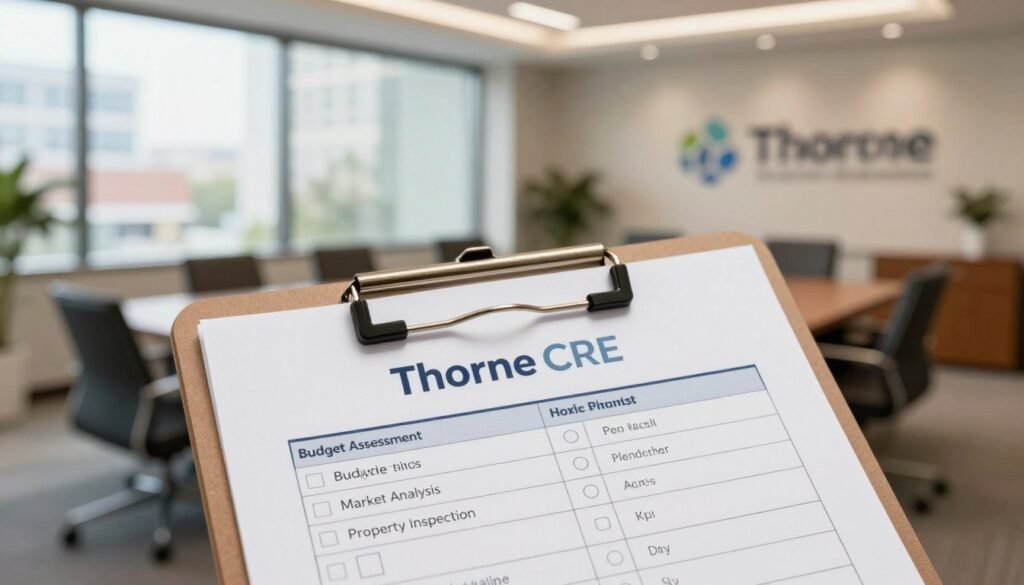
Core documents lenders typically request
- Personal: two years personal tax returns, credit report, ID.
- Business: business plan, balance sheet, two years business returns, income statements.
- Property / lease: current lease, survey, purchase agreement or title info.
- Projections & use of funds: conservative revenue ramp, staffing plan, and a clear split of real estate costs vs working capital.
Planning realistic timelines and the full process
Expect the process to take months: application, document gathering, underwriting, appraisal, legal review, and closing. Start early and map milestones against contractor schedules.
When outside partners may be required
Some lenders—especially on SBA-backed loans—may ask for an experienced partner or outside management when owners lack track record or have high student debt. This protects capital and raises approval odds.
Protect the practice during funding
- Keep liquidity and avoid major credit changes.
- Provide complete documents the first time.
- Use specialty lender teams, CPA advisors, and practice consultants as resources.
Approval-odds mindset: completeness, credibility, and adequate capital are often the difference between a smooth close and costly delays.
Conclusion
Treat the site choice and the practice’s budget as one decision rather than two separate moves.
Align cash needs, realistic revenue ramps, and lender requirements from day one. Manage the highest-impact risks: timeline slips, conditional vs. final approvals, complete documentation, personal guaranty exposure, and borrowing enough to cover build-out plus ramp-up.
Compare lenders for healthcare experience, request a document checklist up front, and build a conservative timeline before signing commitments. Do due diligence online: review a lender’s website, privacy notices, cookie settings, and your communication preferences. Save and verify critical information offline as a single source of truth.
Include advertising and patient-acquisition budgets in projections, then speak with qualified lenders and advisors so owners protect the business during transition. For deeper capital-structure context, see our capital stack guide.