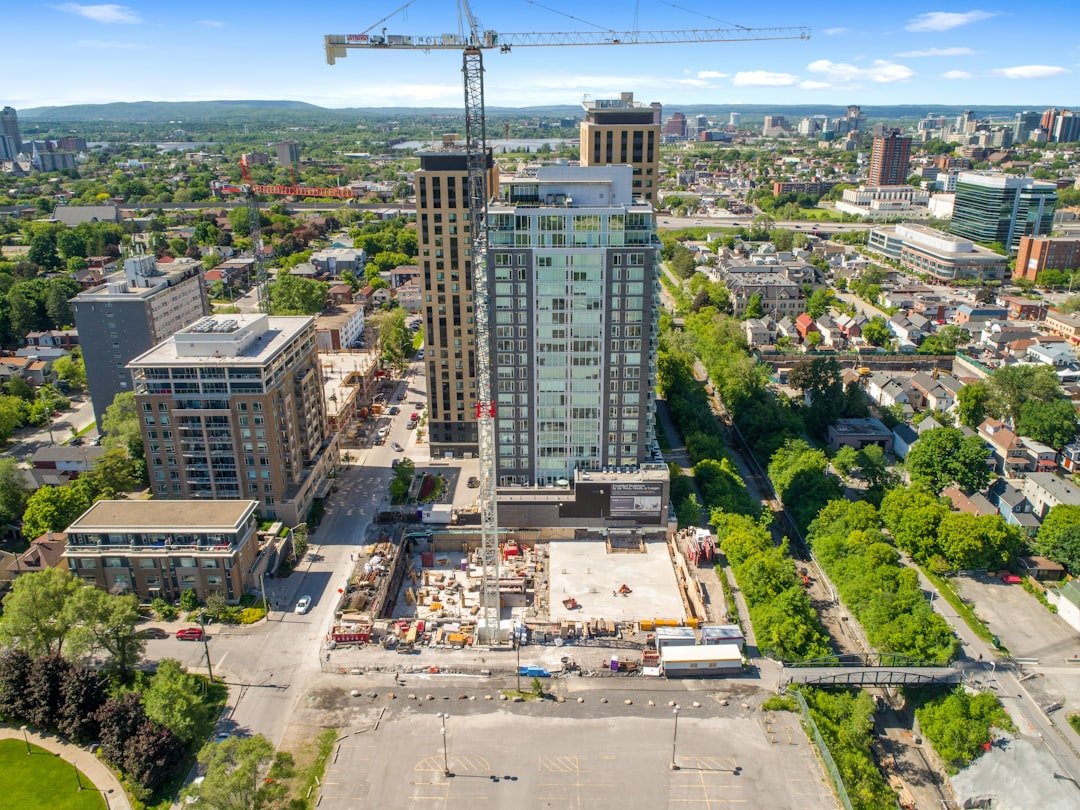


Did you know that small balance multifamily properties are a big part of the rental market in the U.S.? With more people needing places to rent, it’s key to understand multifamily financing. This knowledge helps borrowers take advantage of this growing trend.
Borrowers should know about the different ways to finance small balance multifamily properties. Each option has its pros and cons. Knowing this helps them make smart choices and deal with the complex world of multifamily financing.
Key Takeaways
- Understanding small balance multifamily financing is vital for borrowers.
- Various financing options are available for small balance multifamily properties.
- Borrowers must consider the benefits and drawbacks of each financing option.
- Informed decisions are crucial in navigating the multifamily financing landscape.
- Small balance multifamily properties play a significant role in the rental market.
Understanding Small Balance Multifamily Properties
Small balance multifamily properties are a special part of the real estate world. They have fewer units than big apartment buildings.
Definition and Property Size Considerations
These properties usually have 5 to 50 units. The exact number can change based on the lender and the local market. It’s not just about how many units there are. The property’s total value also matters.
Market Position of Small Balance Properties
Small balance multifamily properties have a unique market position. They are between single-family homes and big apartment buildings. They offer a good mix of manageability and potential for returns.
Their market position is shaped by location, local rental demand, and the economy. Knowing about small balance multifamily properties is key for investors.
The Landscape of Multifamily Financing Today
The world of multifamily financing is getting more complex. Market trends and economic factors keep changing. Borrowers need to keep up with these changes to make smart choices.
Current Market Trends
The multifamily financing market is seeing more alternative lending options. These include agency loans, HUD loans, and bank loans. They offer things like low interest rates and flexible terms.
Market trends show a big increase in demand for multifamily properties. This is because of changes in demographics and more people moving to cities. Lenders are now offering products that better fit what borrowers need.
Impact of Economic Factors on Lending
Economic factors like interest rate changes and regulatory updates really affect multifamily lending. Lenders have to adjust to these changes to offer good financing options.
The economy is full of uncertainty right now. It’s crucial for borrowers to know how this affects lending. By staying updated, borrowers can improve their chances of getting financing.
Benefits of Investing in Small Balance Multifamily
Small balance multifamily properties offer steady cash flow and low investment costs. These features attract many investors.
Lower Entry Barriers Compared to Larger Properties
Small balance multifamily properties have lower entry costs than big complexes. This means more investors can get into the market. It’s a big investment benefit because it lets investors start earning without a huge upfront cost.
Cash Flow Potential and Risk Diversification
These properties also have great cash flow potential. By owning several units, investors can spread out their income. This reduces risk since one empty unit won’t hurt the whole portfolio.
Also, investors can adjust rents based on the local market. This helps protect against economic changes.
In summary, small balance multifamily properties are great for investors. They offer low entry costs and good cash flow. This makes them a solid choice for diversifying portfolios and earning steady returns.
Common Challenges in Small Balance Multifamily Financing
Getting financing for small balance multifamily properties can be tough. Investors and property owners often face many hurdles. These challenges can make the financing process harder.
Limited Financing Options
One big challenge is the few financing options for small properties. Many lenders prefer bigger properties because they are cheaper to finance. This leaves small properties with fewer choices.
Higher Interest Rates and Fees
Small properties usually have higher interest rates and fees. Lenders see them as riskier. So, they charge more to cover this risk.
Property Condition and Age Concerns
The property’s condition and age can also be big challenges. Older properties might need more repairs or updates. This can hurt the property’s cash flow and make it less appealing to lenders.
| Challenge | Description | Impact on Financing |
|---|---|---|
| Limited Financing Options | Fewer lenders for small properties | Reduced competition among lenders |
| Higher Interest Rates and Fees | Increased cost due to perceived risk | Higher borrowing costs |
| Property Condition and Age | Potential for higher maintenance costs | Increased risk for lenders |
It’s key for investors to know these challenges. This helps them deal with the complex world of small balance multifamily financing.
Types of Multifamily Financing Available
Knowing the different multifamily financing options is key for investors. The market offers various choices, each fitting different needs and goals.
Conventional Loans
Conventional loans are a top pick for many investors. They come with competitive rates and terms. These loans are not backed by the government and are given by banks and credit unions. They need a big down payment and strict credit scores, best for seasoned investors with solid finances.
Government-Backed Loans (FHA, Fannie Mae, Freddie Mac)
Government-backed loans are a good alternative. They have easier terms and lower down payments. The FHA, Fannie Mae, and Freddie Mac have loan programs for multifamily investments. These loans are great for those wanting lower costs and more flexible rules.
Bridge Loans and Hard Money Options
For fast capital or renovation needs, bridge loans and hard money are good choices. These loans are short-term and have high interest rates. They’re perfect for quick action or renovation financing.
By knowing the multifamily financing options, investors can pick the right one. Whether it’s a conventional loan, a government-backed loan, or an alternative, there’s a fit for every strategy.
The Role of Local Banks in Multifamily Financing
Local banks are key players in financing multifamily properties. They know their markets well, which helps them make better lending choices.
Advantages of Working with Local Lenders
Choosing local lenders comes with big benefits. They offer personalized service and a deep understanding of local real estate. This means they consider the local economy when reviewing loans.
Local banks also have more flexible rules. This lets them approve loans that bigger banks might not.
Building Relationships for Better Terms
Building a good relationship with a local bank can get you better loan terms. By showing success and keeping in touch, you can get better deals on loans.
This is great for investors wanting to grow or refinance their properties.
Credit Unions as Alternative Financing Sources
Credit unions bring a community-focused approach to multifamily financing. They offer benefits that traditional banks can’t match. This makes them a great choice for financing small multifamily properties.
Membership Benefits and Requirements
To get financing from credit unions, you need to join. Each credit union has its own rules for membership. Being a member gives you more than just loans; you get a range of financial services tailored to your community’s needs.
Investors in multifamily properties can find great deals by joining a credit union. They offer competitive loan rates and personalized service.
Credit unions are owned by their members, not shareholders. This means they can offer better loan and deposit terms. For example, they might have lower interest rates on loans or higher on deposits than banks.
Competitive Rates and Community Focus
Credit unions are known for their competitive rates on multifamily loans. Being member-owned and not-for-profit, they can offer better terms. This includes lower interest rates and fewer fees, making them a good choice for financing.
“Credit unions are changing the banking and financing game. They offer a more personal and community-driven approach to financial services.” –
Credit unions also focus on supporting local projects, like multifamily housing. This is great for areas where other financing options are scarce.
Investors in small multifamily properties can benefit from credit unions. They offer competitive rates and personalized service. This makes credit unions a strong alternative to traditional financing.
Understanding the Underwriting Process
The underwriting process checks if the borrower can afford the loan and if the property is worth the money. It’s a key step in getting financing for small balance multifamily properties. Lenders look at important metrics and review lots of documents.
Key Metrics Lenders Evaluate
Lenders check a few key things during underwriting. They look at the debt service coverage ratio (DSCR), loan-to-value (LTV) ratio, and the borrower’s credit score. These help figure out the loan’s risk.
Key Metrics:
| Metric | Description | Importance |
|---|---|---|
| DSCR | Ratio of net operating income to debt service | High |
| LTV Ratio | Ratio of loan amount to property value | High |
| Credit Score | Measure of borrower’s creditworthiness | High |
Documentation Requirements
Borrowers need to give lots of documents for underwriting. This includes financial statements and property details.
Financial Statements
Borrowers must share financial statements. This includes balance sheets, income statements, and cash flow statements. These help lenders see if the borrower can handle the loan.
Property Information
Property details are also important. This includes appraisals, inspection reports, and rent rolls. This info helps lenders understand the property’s value and income potential.
Qualifying for Small Balance Multifamily Loans
To get a small balance multifamily loan, you need to show you’re creditworthy. You also have to prove the property can make money.
Credit Score Requirements
Lenders look for a minimum credit score. A credit score of 620 or higher is usually needed. But, some lenders might ask for a higher score based on your financial situation.
Debt Service Coverage Ratio (DSCR)
The DSCR shows if the property can pay off the loan. A DSCR of 1.2 or higher is best. It means the property’s income can cover the loan payments.
Loan-to-Value Considerations
Loan-to-value (LTV) ratios are also important. Lenders like an LTV ratio of 80% or lower. This means the loan shouldn’t be more than 80% of the property’s value. It helps the lender feel safer.
To qualify for small balance multifamily loans, focus on:
- Keeping a good credit score
- Ensuring the property makes enough money to pay off the loan
- Keeping the loan amount low compared to the property’s value
By doing these things, you can increase your chances of getting a loan for small balance multifamily properties.
The Step-by-Step Multifamily Financing Process
Understanding the multifamily financing process is key to success. It involves several important stages. Borrowers must go through these steps to get funding for their properties.
Initial Application and Pre-Approval
The first step is the initial application. Borrowers share details about their property and finances. Then, they get pre-approval. This is when the lender checks if they can borrow money.

Underwriting Timeline Expectations
After pre-approval, the loan goes to the underwriting stage. The lender checks the property and finances closely. Expect this to take 30 to 60 days, depending on the loan’s complexity.
Closing Process and Requirements
When the loan is approved, the closing process starts. This is when the loan documents are finalized and the money is transferred. Borrowers need to review and sign the documents, pay closing costs, and meet other lender requirements.
Knowing the multifamily financing process helps borrowers prepare. It ensures they can get the funding they need.
Preparing Your Loan Application Package
A well-prepared loan application package is key for getting financing for multifamily properties. It includes essential documents and a solid business plan. Borrowers who put together a complete package are more likely to get good loan terms.
Essential Documentation
The base of a strong loan application is the documents you provide. Lenders need various financial and property documents, such as:
- Personal and business financial statements
- Tax returns for the last two to three years
- Property appraisal reports
- Rent rolls and operating expense statements
Creating a Compelling Business Plan
A good business plan is vital to show your multifamily property investment is sound. It should cover your investment strategy, market analysis, and financial forecasts. Key parts include:
- Market analysis: Know the local market trends and competition
- Financial projections: Detailed income and expense forecasts
- Management strategy: Plans for managing and improving the property
Property Performance History
Showing a detailed property performance history can boost your loan application. Include historical financial data, occupancy rates, and any property upgrades. A table summarizing this info can be very helpful:
| Year | Occupancy Rate | Net Operating Income (NOI) |
|---|---|---|
| 2022 | 95% | $250,000 |
| 2021 | 92% | $230,000 |
| 2020 | 90% | $220,000 |
By preparing your loan application package well, you can increase your chances of getting the financing you need for your multifamily property. Include essential documents, a solid business plan, and a detailed property performance history.
Regional Differences in Multifamily Financing Across the US
Regional differences are key in multifamily financing. The US is big and varied, with each area having its own challenges and chances. This affects investors and lenders a lot.
High-Demand vs. Secondary Markets
High-demand markets grow fast, have lots of people, and not enough homes. They often get better financing deals. High-demand areas like big cities can offer better terms because they promise higher returns.
Secondary markets, though, face tougher financing. Investors there need to think outside the box. Knowing these differences is key for those looking to invest in multifamily properties.
State-Specific Lending Programs
Some states have special programs for multifamily projects. For example, they might offer tax breaks or low-interest loans for affordable housing. These programs can make a big difference in whether a project works.
Urban vs. Rural Financing Options
Urban and rural areas have different financing options. Cities usually have more choices, like government-backed loans and regular financing. Rural areas might need special programs or government help to build multifamily homes.
| Region | Financing Characteristics | Typical Loan Terms |
|---|---|---|
| High-Demand Markets | Competitive financing, high returns | Lower interest rates, higher loan amounts |
| Secondary Markets | Less competitive, higher risk | Higher interest rates, stricter terms |
| Urban Areas | Diverse financing options | Varied loan terms, government-backed loans |
| Rural Areas | Limited financing options, specialized programs | Government initiatives, potentially higher interest rates |
Refinancing Options for Small Balance Multifamily Properties
Small balance multifamily property owners often look into refinancing to boost their investment’s cash flow and value. Refinancing can be a smart move, helping to improve financial returns and adjust debt.
When to Consider Refinancing
Refinancing is a good idea when interest rates have fallen a lot since the loan was first taken out. It’s also a good option when the property’s value has gone up, leading to better loan terms. Investors might also consider it to use the property’s equity for renovations or other investments.
Cash-Out Refinancing Strategies
Cash-out refinancing lets property owners use the equity in their property. This can be a strong strategy for funding renovations, paying off high-interest debt, or investing in other chances. It’s crucial to think about the new loan terms and make sure the benefits are worth the costs.
Rate and Term Refinancing Benefits
Rate and term refinancing can help investors get a lower interest rate, switch from an adjustable to a fixed rate, or change the loan term. This can lead to big savings on monthly payments and better cash flow. It’s a valuable tool for managing investment properties.
Strategies for Securing Better Financing Terms
Getting good financing terms is crucial for small balance multifamily investing. Borrowers need to use several strategies to improve their loan conditions.
Improving Property Performance Before Application
Boosting your property’s performance before applying for a loan can help. This means renovating units, better property management, and high occupancy rates. Showing a strong cash flow potential makes your property more attractive to lenders.
Strengthening Your Borrower Profile
Lenders look at both the property and the borrower’s credit. Improving your credit score, lowering debt, and having a solid financial history can help. This makes you a lower-risk borrower, leading to better loan terms.
Timing Your Application Strategically
When you apply for a loan matters too. Applying when interest rates are low or lenders are busy can get you better terms. Knowing market trends and being ready to act fast can help you get better financing.
Common Mistakes to Avoid in Multifamily Financing
Getting multifamily financing can be tricky. There are many mistakes to watch out for. Knowing these can help you avoid costly errors and make the process smoother.
Underestimating Closing Costs and Fees
Many borrowers underestimate closing costs and fees. These can include origination fees, appraisal costs, and legal fees. It’s important to understand all the costs involved.
“Closing costs can range from 2% to 5% of the loan amount, making it essential for borrowers to factor these into their financial planning.”
Neglecting Property Condition Issues
Ignoring property condition issues is another big mistake. Properties with maintenance or repair needs are seen as riskier. This can lead to less favorable loan terms. It’s wise to inspect the property thoroughly and fix any problems before applying for a loan.
Insufficient Cash Reserves
Not having enough cash reserves is a common error. Lenders want borrowers to have enough money for several months of mortgage payments and other expenses. Having enough cash can strengthen your loan application and financial stability.
| Common Mistake | Impact on Financing | Mitigation Strategy |
|---|---|---|
| Underestimating Closing Costs | Unexpected expenses at closing | Comprehensive financial planning |
| Neglecting Property Condition | Less favorable loan terms | Thorough property inspections and repairs |
| Insufficient Cash Reserves | Reduced loan approval chances | Building adequate cash reserves |

Conclusion: Navigating Your Path to Successful Financing
Understanding multifamily financing is complex. It needs a deep grasp of the options and factors at play. Making smart choices is key to success in this field.
Knowing the pros and cons of small balance multifamily properties helps in making better investment decisions. There are many financing choices, like conventional loans and government-backed loans. Each has its own benefits and challenges.
To succeed in multifamily financing, planning and preparation are crucial. A well-prepared loan application package is essential. It should include all necessary documents and a solid business plan.
Getting multifamily properties financed well requires knowledge, preparation, and strategy. By following the advice in this article, you can navigate the financing world successfully. This will help you reach your investment goals.