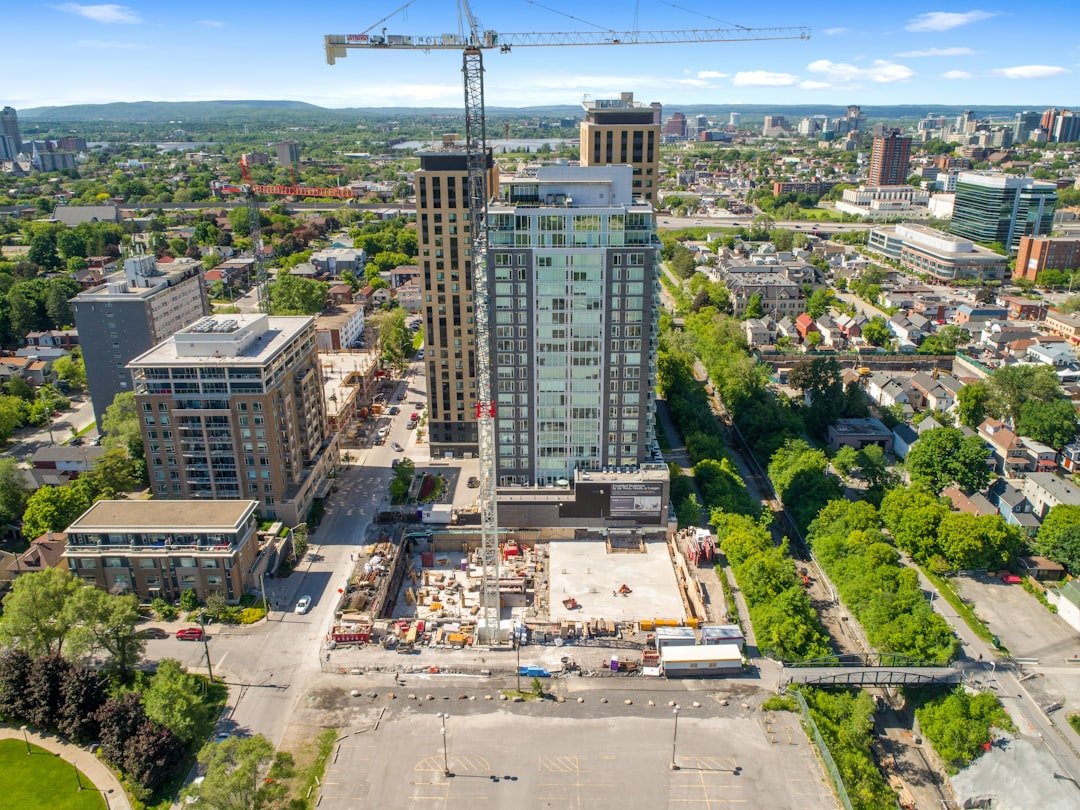


Did you know nearly 40% of new commercial developments face delays in lease-up? This is because of a lack of financing for tenant improvements. Getting the right construction financing is key to completing projects on time and successfully.
Developers often find it hard to handle the costs of tenant improvements. This can stop them from getting tenants and making a profit. Good TI financing strategies can help. They let developers attract tenants and achieve a successful lease-up.
Key Takeaways
- Understanding the importance of financing for tenant improvements in new developments.
- The role of construction financing in overcoming lease-up challenges.
- Strategies for securing effective TI financing.
- Benefits of timely lease-up for developers.
- Best practices for managing tenant improvement costs.
Understanding Tenant Improvements in Commercial Real Estate
In commercial real estate, tenant improvements are key. They make leased spaces fit a business’s needs. These changes improve a property’s look and function, boosting its value.
Definition and Scope of Tenant Improvements
Tenant improvements (TIs) are changes made to a leased space. They are tailored to the tenant’s needs. “Tenant improvements (TIs) involve alterations or modifications to a leased commercial space tailored to the tenant’s needs.”
Hard vs. Soft TI Costs
Understanding TI financing is important. Hard costs are for physical changes like construction. Soft costs cover design, permits, and professional fees.
Building Standard vs. Custom Improvements
Improvements can be standard or custom. Standard ones are cheaper but less tailored. Custom ones fit a specific tenant’s needs. The choice impacts the initial cost and the property’s long-term value and lease-up reserves.
Managing tenant improvements well is key. It helps maximize returns in commercial real estate. Knowing about TI scope and financing helps owners make smart choices. This benefits both tenants and owners.
The Critical Lease-Up Phase for New Developments
The lease-up phase is key for new developments. It decides their financial success and future. This time focuses on filling the property with tenants, essential for income and stability.
What Is the Lease-Up Period?
The lease-up period is from when a new development is finished to when it’s 90-95% full. This phase is vital for the property’s cash flow and financial health. Success here needs good planning, marketing, and knowing the target market well.
Challenges During Lease-Up
The lease-up phase has its hurdles. Developers face high vacancy rates, big marketing costs, and need to offer good deals to tenants.
Vacancy Carrying Costs
Managing vacancy carrying costs is a big challenge. These include property taxes, insurance, and maintenance. These costs can quickly add up and strain the developer’s finances. To tackle this, developers must find ways to quickly fill vacancies and get tenants.
Marketing and Leasing Expenses
Getting tenants in the lease-up phase needs a lot of marketing and leasing spending. Developers must have enough money for these costs to make the property attractive to tenants. Experts say, “Good marketing is key to stand out and draw in quality tenants.”
“The lease-up phase is a make-or-break period for new developments, requiring careful planning and strategic decision-making to overcome the challenges and achieve long-term success.”
Understanding lease-up challenges and using effective strategies can help developers succeed in this critical period. This sets their properties up for long-term success.
The Financial Gap: Why Specialized TI and Lease-Up Financing Is Necessary
Leasing up a new development can be tough financially. It shows the need for special financing. New buildings need a lot of money for tenant improvements (TI) and face cash flow issues during lease-up.
Cash Flow Challenges for New Developments
Developers have big cash flow problems. They must pay for construction, TI, and other costs before they start making money from leases.
The Timing Mismatch Between Expenses and Income
There’s a big timing gap between spending on construction and TI, and when they start making money from leases. This gap can really hurt a developer’s finances.
Risk Factors That Traditional Lenders Consider
Traditional lenders look at several risks before they lend to new developments. They check tenant credit and lease terms.
Tenant Credit Quality
How good a tenant’s credit is matters a lot. It affects if they’ll pay their rent on time.
Lease Terms and Structure
Lease terms, like how long they last and if rent can go up, are also key. They help decide if a project will work.
| Risk Factor | Description | Impact on Financing |
|---|---|---|
| Tenant Credit Quality | Creditworthiness of tenants | High credit quality tenants reduce financing risk |
| Lease Terms | Duration and structure of leases | Favorable lease terms can improve financing prospects |
Recent data shows conventional lenders often find it hard to finance retail plazas. This highlights the need for special financing for TI and lease-up. Such financing helps developers cover initial costs and get through the lease-up phase.
Construction Financing Options for Tenant Improvements
Getting the right construction financing is key for a commercial real estate project. Developers face a tough choice among many financing options to make their projects work.

Traditional Bank Loans and Lines of Credit
Traditional bank loans and lines of credit are popular for tenant improvements. They offer a clear way to get funds. Banks check if the borrower can pay back and if the project is solid.
Benefits include lower interest rates and the chance to borrow more money.
Specialized TI Lenders
Specialized TI lenders focus on tenant improvement financing. They look at the project’s real potential, not just standard criteria. This makes them flexible and tailored to your needs.
Specialized lenders know the commercial real estate market well. They might offer better loan terms for developers.
Mezzanine Financing and Preferred Equity
Mezzanine financing and preferred equity are for projects needing extra money. These options are riskier for lenders, so they might ask for more in return.
- Mezzanine financing mixes debt and equity.
- Preferred equity gives investors first dibs on returns.
SBA Loans for Owner-Occupied Properties
The Small Business Administration (SBA) has loan programs for tenant improvements in owner-occupied properties.
SBA 504 Program Benefits
The SBA 504 loan helps small businesses with long-term, fixed-rate financing for big assets like real estate and equipment.
Key benefits include small down payments and good interest rates.
SBA 7(a) Loan Applications
The SBA 7(a) loan program offers financing for many business needs, including tenant improvements.
“SBA 7(a) loans are versatile and can be used for various business needs, making them an attractive option for businesses looking to improve their commercial space.”
Understanding Lease-Up Reserves: Planning for Stabilization
Knowing about lease-up reserves is key for developers to handle the ups and downs of commercial property. These reserves are funds for leasing a new development. They cover tenant improvements and concessions. A good plan for lease-up reserves can lower financial risks during this time.
Calculating Appropriate Lease-Up Reserves
To figure out the right amount for lease-up reserves, you need to look at a few things. This includes the property’s absorption rate and the current market conditions.
Absorption Rate Analysis
Understanding the absorption rate is very important for lease-up reserves. It’s about how fast the property will get leased. This helps developers get ready for the financial needs during the lease-up phase.
Market-Based Reserve Calculations
Calculations for lease-up reserves also look at the market. This includes average rents, costs for tenant improvements, and leasing commissions. Knowing these helps developers decide how much reserve they need.
- Look at past data on lease-up rates for similar properties.
- Keep an eye on current market trends and forecasts.
- Check the competitive landscape and demand in the market.
Timing Considerations for Reserve Funds
When to use lease-up reserves is very important. Developers need to save money but also have enough when needed.
Good timing helps make the most of lease-up reserves. It keeps the development financially stable.
Lender Requirements for Reserves
Lenders have specific rules about lease-up reserves in financing deals. It’s crucial for developers to know these rules to get the funding they need.
- Check loan agreements to see what’s required for reserves.
- Make sure you meet the lender’s rules for reserve funds.
- Talk to the lender if you need to adjust terms to fit your plans.
By planning and managing lease-up reserves well, developers can make their projects more financially stable. This leads to successful stabilization and long-term success.
Structuring Tenant Improvement Allowances in Commercial Leases
Setting up tenant improvement allowances is key for both landlords and tenants in commercial real estate. These funds help tenants make their leased space their own. This makes the space both functional and attractive for their business.
Turnkey vs. Tenant Allowance Approaches
There are two main ways to handle TI allowances: the turnkey method and the tenant allowance method. The turnkey approach means the landlord does all the work, giving the tenant a ready-to-use space. On the other hand, the tenant allowance method lets the tenant use a budget to make their own changes.
Negotiating TI Allowances with Tenants
Talking about TI allowances is a big part of lease talks. Landlords need to draw in tenants while keeping their costs in check.
Market-Standard Allowances by Property Type
Allowances for TI vary a lot based on the property type. For example, offices might need different standards than retail or industrial spaces.
| Property Type | Average TI Allowance | Range |
|---|---|---|
| Office | $30-$50 | Per square foot |
| Retail | $20-$40 | Per square foot |
| Industrial | $10-$30 | Per square foot |
Tenant Credit Considerations
The credit score of a tenant can affect how much they can get in TI allowances. Tenants with good credit might get better deals.
Amortizing TI Costs in Lease Structures
Landlords often spread out the costs of TI over the lease period. They add these costs to the rent. This way, they can get their money back while giving tenants the space they need.
Financing Tenant Concessions During Lease-Up
Financing tenant concessions is key during the lease-up phase for new commercial properties. Landlords often give incentives to draw in tenants and get leases.
Types of Lease Concessions in Commercial Real Estate
Landlords can offer different concessions to make their property more appealing. These concessions can greatly affect a project’s finances.
Free Rent Periods
One common concession is offering free rent periods. This is a great way to attract tenants, even in a competitive market.
Moving Allowances and Other Incentives
Besides free rent, landlords might give moving allowances or other incentives. For example, a tenant improvement allowance lets tenants customize the space to their liking.
Strategies for Funding Rent Abatements
Funding rent abatements needs careful planning. Landlords can plan for concession costs in their overall financial strategy for the property.
Here are some strategies for funding rent abatements:
- Allocating a portion of the lease-up reserves
- Negotiating with lenders to include concession costs in the loan
- Adjusting the property’s budget to accommodate concession expenses
Balancing Concessions with Long-Term Lease Value
While concessions help secure tenants, balancing them with long-term lease value is crucial. Landlords must make sure concessions don’t hurt the property’s income too much.
| Concession Type | Short-Term Benefit | Long-Term Impact |
|---|---|---|
| Free Rent Periods | Attracts tenants quickly | Reduces initial revenue |
| Moving Allowances | Offsets tenant moving costs | May increase lease renewal rates |
| Tenant Improvement Allowances | Customizes space for tenants | Can increase lease value and tenant satisfaction |
Navigating Lender Requirements for TI Financing
Understanding TI financing needs a deep dive into lender rules. Developers must meet strict criteria to get financing for tenant improvements.
Documentation and Underwriting Criteria
Lenders need detailed financial info to check if a project works. This includes:
- Comprehensive financial statements
- Detailed projections of income and expenses
- Lease documentation requirements
Financial Statements and Projections
Financial statements show a project’s current state. Projections look at its future. Lenders use this to judge risk and potential gains.
Lease Documentation Requirements
Lease documents are key to knowing if tenants are reliable. Lenders look for:
- Executed lease agreements
- Lease abstracts
- Tenant estoppel certificates

Pre-Leasing Requirements
Lenders want to see some pre-leasing to ensure income. This can be 50% to 75% pre-leasing, depending on the lender and project.
Guarantees and Recourse Considerations
Lenders might ask for personal guarantees or other protections. This can include:
- Personal guarantees from developers or principals
- Completion guarantees
- Operating deficit guarantees
Knowing these rules is key for developers looking for TI financing. By meeting these criteria and providing all needed documents, developers can boost their chances of getting financing and finishing their projects.
Risk Management Strategies for TI and Lease-Up Financing
TI and lease-up financing come with big risks. But, the right strategies can help manage these risks. Good risk management is key for the success of commercial real estate projects.
Phased Development Approaches
Phased development is a smart way to manage risk. It lets developers build in stages. This way, they can check if the market wants what they’re offering and change plans if needed.
This method also makes it easier to handle big costs. It avoids the need for a huge investment all at once.
Pre-Leasing Strategies to Mitigate Risk
Getting tenants before or during construction is another key strategy. It helps lower the risks of lease-up.
Anchor Tenant Strategies
Getting a big tenant, known as an anchor tenant, can really help. They bring in steady income and help attract other tenants. This reduces the risk of empty spaces.
Letters of Intent and Lease Commitments
Getting letters of intent or lease commitments shows real interest. It helps developers get the financing they need. These documents prove there’s demand in the market.
Insurance and Contingency Planning
Insurance and having a backup plan are crucial. Developers need to cover risks like delays, damage, and lawsuits. This keeps their project safe and on track.
| Risk Management Strategy | Description | Benefits |
|---|---|---|
| Phased Development | Developing a project in stages | Reduced upfront investment, flexibility |
| Pre-Leasing | Securing tenants before construction completion | Reduced vacancy risk, stable income |
| Insurance and Contingency Planning | Comprehensive insurance coverage and contingency plans | Protection against unforeseen events, financial stability |
Using these strategies, developers can handle the risks of TI and lease-up financing. This ensures their projects succeed.
Case Studies: Successful TI and Lease-Up Financing Structures
This section looks at real examples of successful TI financing and lease-up strategies. It shows how creative solutions helped overcome challenges in commercial real estate development.
Office Development Case Study
A multi-tenant office building in a big city is a great example of TI financing success. It faced big challenges in getting tenants due to a crowded market.
Creative Financing for a Multi-Tenant Office Building
The developers used TI allowances and lease concessions to draw in top tenants. They also set up a lease-up reserve to handle early costs. This helped the building reach stability smoothly.
Retail Center Financing Example
A new shopping center in a competitive market needed creative TI financing and lease-up plans. The developers aimed to create a great tenant mix and used concessions to get anchor tenants.
Overcoming Lease-Up Challenges in a Competitive Market
By offering flexible TI allowances and rent breaks, the developers quickly filled the center. They reached stability faster than expected.
Industrial Property Lease-Up Strategy
An industrial development for manufacturing tenants had unique TI needs. The developers worked closely with tenants to meet their specific needs.
Specialized TI Requirements for Manufacturing Tenants
This teamwork allowed for customized TI packages. These packages met manufacturing needs, leading to happy tenants and fast lease-up.
| Property Type | TI Financing Strategy | Lease-Up Outcome |
|---|---|---|
| Office | Combination of TI allowances and lease concessions | Successful stabilization within projected timeframe |
| Retail | Targeted concessions and flexible TI allowances | Achieved stabilization ahead of projections |
| Industrial | Tailored TI packages for manufacturing tenants | Rapid lease-up and high tenant satisfaction |
Technology and Innovation in TI Financing and Management
Technology has changed the way we handle Tenant Improvement (TI) financing in commercial real estate. New tech innovations make TI financing more efficient and accessible.
PropTech Solutions for TI Management
PropTech solutions are making TI management better. They help with project management, budgeting, and working with tenants. This tech makes TI projects more efficient for developers and managers.
Digital Platforms for Connecting with Alternative Lenders
Digital platforms are now key for finding alternative lenders for TI financing. They offer a place to find different financing options. This makes it easier for developers to get the funding they need. It also brings transparency and competitive prices for everyone involved.
Analytics for Optimizing Lease-Up Strategies
Advanced analytics are key for better lease-up strategies. They help developers understand market trends and how fast properties are being rented.
Predictive Models for Absorption Rates
Predictive models forecast how quickly properties will be rented. This helps developers plan their lease-up strategies better. It also helps avoid problems with empty spaces.
Market Comparison Tools
Market comparison tools let developers see how their properties stack up against others. This is very useful for creating strong lease-up strategies and offers.
By using technology and innovation, the commercial real estate sector can improve TI financing and management. This leads to more efficient lease-up processes and helps development projects succeed.
The Path to Stabilization: From Construction to Fully Leased Property
The journey to stabilization is key for new developments. It involves strategic steps from construction to full occupancy.
To grasp the path to stabilization, understanding what it means in commercial real estate is vital.
Defining Stabilization Metrics
Stabilization metrics are essential for knowing when a property is stable. These include:
- Occupancy Thresholds: The percentage of space occupied that shows stability.
- Cash Flow Benchmarks: The rental income needed to cover expenses and debt.
Occupancy Thresholds
An 80% to 90% occupancy rate is often seen as stable. But, this can change based on property type and market.
Cash Flow Benchmarks
A positive cash flow that covers costs and returns on investment shows stability.
Refinancing Options Post-Stabilization
After stabilization, owners can look into refinancing. This could mean a lower interest rate or tapping into equity.
Maximizing Property Value Through Effective TI and Lease-Up Management
Managing TI financing and lease-up reserves well is key to property value. It’s about planning and executing to meet market demands.
By focusing on these areas, owners and developers can successfully reach stabilization. This ensures their investments are profitable and sustainable.
Conclusion: Building a Comprehensive TI and Lease-Up Financing Strategy
Creating a detailed TI and lease-up financing plan is key for new commercial projects to thrive. Knowing how TI financing, lease-up reserves, and concessions work helps developers tackle the hurdles of getting a property stable.
A good TI financing plan helps draw in top tenants while keeping costs in check. This, along with smart lease-up tactics and the right reserves, makes the transition to stability smoother.
The goal of stabilization is to boost the property’s value and appeal to investors. Using the best financing choices and handling lease-up well helps developers reach this goal faster.
In summary, a thorough TI and lease-up financing strategy is vital for reducing risks and increasing returns in commercial real estate. By using the strategies mentioned, developers can establish a strong financial base. This supports the successful start and long-term success of their ventures.