
A report by the OECD highlights a big need to draw in private money for infrastructure. This includes private utilities and park infrastructure.
In the case of mobile home park financing, infrastructure is key. It affects how good an investment a park can be.
The connection between private utilities, park infrastructure, and how to finance them is vital. It’s crucial for the success of mobile home parks. Knowing how these elements work together is important for all involved.
Key Takeaways
- Private utilities are vital for infrastructure investments.
- Park infrastructure greatly affects mobile home park financing.
- Understanding the connection between private utilities and park infrastructure is key to successful financing.
- Getting private money is crucial for infrastructure growth.
- Government support helps with long-term investments in infrastructure.
Understanding Mobile Home Parks and Their Infrastructure
Mobile home parks have many parts that are key to their value and how they get financed. Knowing these parts well is important for investors, lenders, and park owners.
Common Types of Infrastructure in Mobile Home Parks
Mobile home parks have different kinds of infrastructure. This includes water, sewage, and electricity, plus roads and drainage systems. The state of these parts greatly affects the park’s value and financing choices.
The Distinction Between Private and Public Utilities
It’s important to know the difference between private and public utilities in mobile home parks. Private utilities are run by the park owner or a private company. On the other hand, public utilities are managed by local governments.
Ownership and Maintenance Responsibilities
Who owns and maintains infrastructure depends on if utilities are private or public. If utilities are private, the park owner is usually in charge of upkeep. This can affect infrastructure risk and the cost of financing.
A report by Ben Taylor and Rav Sangha, CFA, shows why understanding infrastructure debt is crucial. This is very relevant for mobile home parks with private utilities.
The Fundamentals of Mobile Home Park Financing
Getting financing for mobile home parks needs a good grasp of the risks and chances. This financing area looks at the property’s income, its condition, and market demand. It’s a specialized field.
Traditional Lending Options for Mobile Home Parks
There are several ways to get loans for mobile home parks. Conventional bank loans are popular because of their good rates and terms. But, they have strict rules, like checking the property’s value and the borrower’s credit.
How Infrastructure Quality Affects Loan Terms
The state of a mobile home park’s infrastructure is key for lenders. Parks with good infrastructure get better loan deals. But, parks with old or bad infrastructure might get worse terms or even be turned down.
Debt Service Coverage Ratio Implications
The Debt Service Coverage Ratio (DSCR) is very important for loan terms. It’s the park’s net income divided by its debt service. A high DSCR means the park can handle its debt well, making lenders more comfortable.
| DSCR Range | Lender Perception | Typical Loan Terms |
|---|---|---|
| 1.0 – 1.2 | High Risk | Higher Interest Rates, Shorter Terms |
| 1.2 – 1.5 | Moderate Risk | Competitive Interest Rates, Standard Terms |
| 1.5+ | Low Risk | Favorable Interest Rates, Longer Terms |
Knowing these basics is key for lenders and borrowers in mobile home park financing. By focusing on infrastructure and keeping a good DSCR, owners can get better financing.
Private Water Systems: Financial Implications
Private water systems, like wells and septic systems, are key for mobile home parks. They affect both financing and daily costs. Owners and lenders must consider these impacts carefully.
Well Systems and Their Maintenance Costs
Many mobile home parks use wells for water. The upkeep of wells can be costly. This includes regular checks, repairs, and sometimes, replacing the well. The IISD report highlights the financial burden of private water systems on mobile home park financing.
Maintenance costs for well systems include:
- Regular testing and inspection
- Pump replacements
- Well casing repairs
Water Quality Testing Requirements
Testing water quality is vital for private systems. It helps find contaminants and meets standards. This keeps residents safe and protects owners from legal issues.
“Regular water quality testing is essential to ensure the health and safety of residents and to avoid potential liabilities for park owners.”
Lender Concerns Regarding Private Water Sources
Lenders worry about private water sources. They fear these systems might not be reliable or clean. These worries can change loan terms and the financing process.
Capacity and Reliability Assessments
Assessing a water system’s capacity and reliability is crucial. Lenders need these checks to be sure the system can handle the park’s needs.
| Assessment Criteria | Description | Impact on Financing |
|---|---|---|
| Capacity | Ability to meet water demand | Affects loan terms and interest rates |
| Reliability | Consistency of water supply | Influences lender confidence and risk assessment |
| Water Quality | Compliance with regulatory standards | Impacts potential liabilities and insurance costs |
Understanding private water systems’ financial impact helps owners and lenders. It ensures the success and sustainability of mobile home parks.
Private Septic Systems and Financing Challenges
Financing mobile home parks with private septic systems is complex. These systems are common in rural areas where sewer connections are not available. They pose unique challenges and risks.
Types of Septic Systems in Mobile Home Parks
Mobile home parks use different septic systems. These include conventional tanks, mound or sand filter systems, and advanced treatment units. Each type needs specific maintenance and faces unique risks.
- Conventional septic tank systems
- Alternative systems (mound or sand filter)
- Advanced treatment units
Regulatory Compliance and Inspection Requirements
Managing private septic systems in mobile home parks requires strict compliance. Regular inspections are key to ensure these systems work well and don’t harm public health or the environment.
Inspection requirements typically include:
- Regular pumping of septic tanks
- Inspection of drain fields
- Checking for signs of system failure
Cost Considerations for Septic System Upgrades
Upgrading or replacing septic systems can be expensive. These costs must be weighed when financing a mobile home park.
| Upgrade Type | Average Cost | Factors Influencing Cost |
|---|---|---|
| Septic Tank Replacement | $1,000 – $3,000 | Tank size, material |
| Drain Field Replacement | $3,000 – $10,000 | Soil conditions, field size |
| Advanced Treatment Unit Installation | $5,000 – $15,000 | Technology type, installation complexity |
Environmental Impact Studies
Environmental impact studies are vital, as shown in the IISD report. They help evaluate environmental risks from septic systems. This information guides strategies to reduce these risks.
Understanding septic systems, regulations, costs, and environmental impacts is crucial. This knowledge helps lenders and park owners make informed decisions. It aids in overcoming the challenges of private septic systems.
Electrical Infrastructure: Private vs. Public Systems
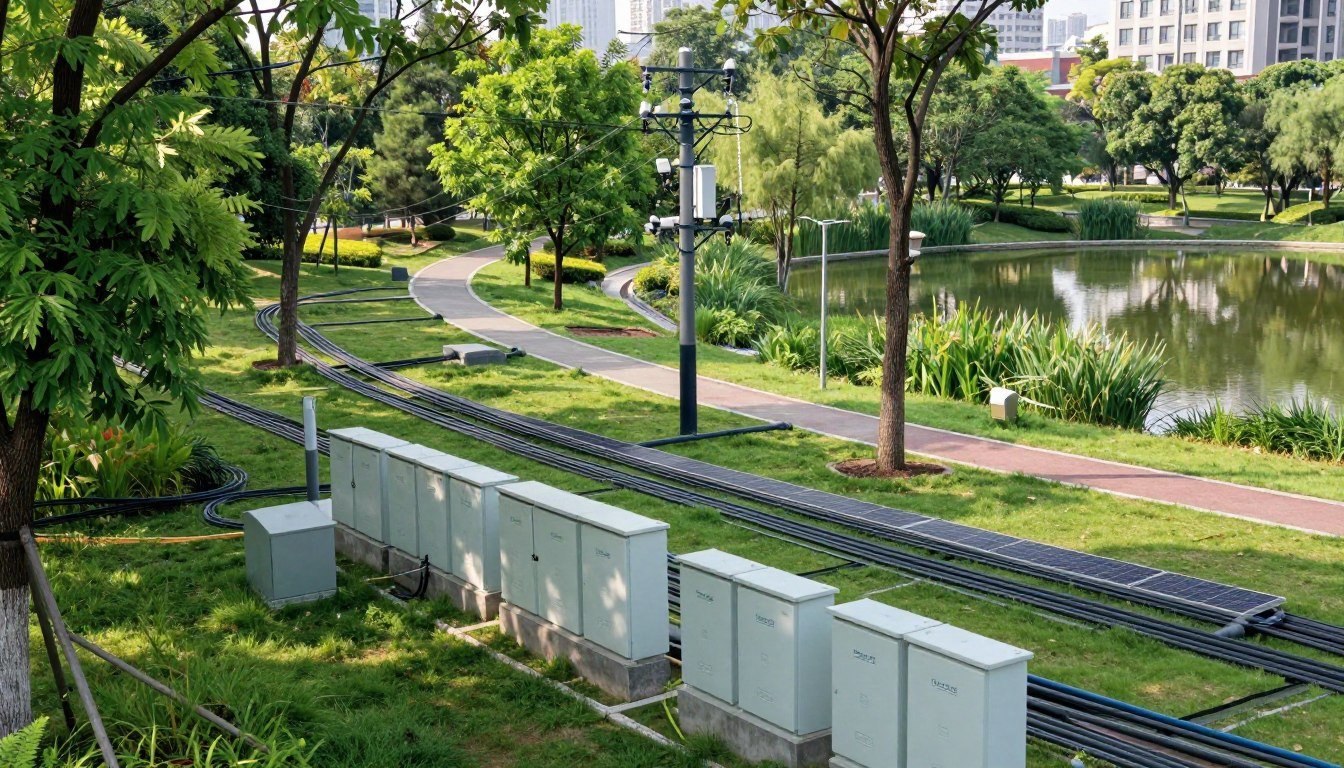
The type of electrical system in mobile home parks affects financing. Private utilities can make it harder for park owners to get loans.
Master-Metered vs. Individually Metered Parks
There are two main types of electrical setups: master-metered and individually metered. Master-metered parks have one meter for the whole park. Individually metered parks have a separate meter for each unit.
Experts Ben Taylor and Rav Sangha, CFA, say the choice affects costs and billing. They note that master-metered parks can be tricky for cost sharing and keeping residents happy.
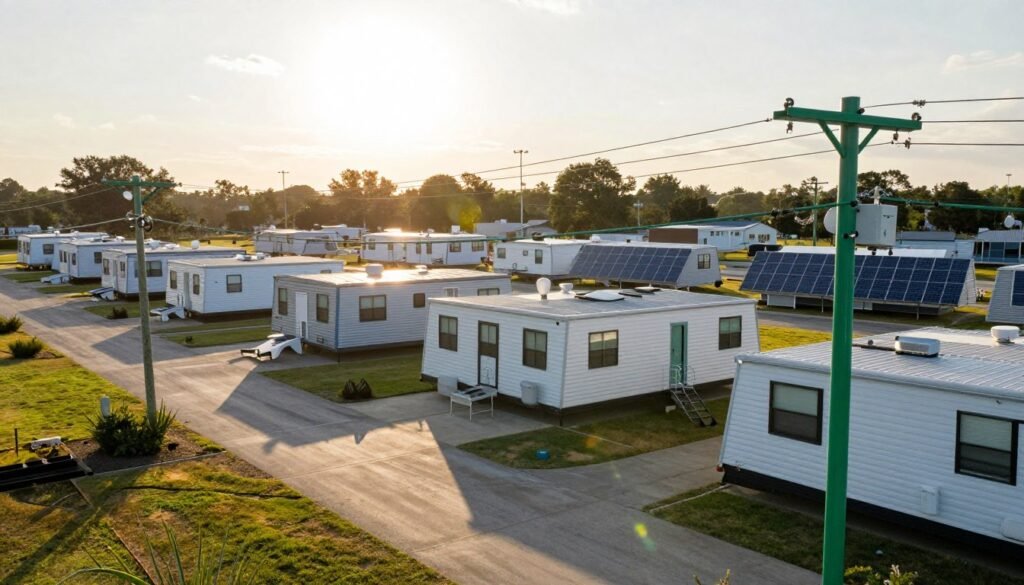
Lenders see individually metered parks as safer. They can better control costs and billing. But, master-metered parks might face issues with cost sharing and resident satisfaction.
Aging Electrical Systems as a Financing Obstacle
Old electrical systems can block financing for mobile home parks. Lenders are cautious about parks with outdated systems. They worry about the cost of upgrades and safety risks.
Upgrade Costs and ROI Calculations
When thinking about upgrading electrical systems, owners must consider costs and potential gains. It’s important to look at the expenses, savings, and how it might increase the park’s value.
| Upgrade Type | Cost | Potential ROI |
|---|---|---|
| Panel upgrades | $50,000 | 10-15% |
| Meter replacement | $20,000 | 5-10% |
| System modernization | $100,000 | 15-20% |
Experts say infrastructure debt can help fund upgrades. But, careful planning is key to managing the financial side of electrical system upgrades.
“The quality of the infrastructure has a direct impact on the value of the property and the ability to secure financing.”
Road and Drainage Infrastructure Considerations
Good road and drainage systems are key for mobile home parks to last long and stay valuable. The state of these systems greatly affects the park’s financial health.
Private Road Maintenance and Replacement Costs
Mobile home parks have private roads that need regular upkeep to stay safe and easy to use. This upkeep includes fixing, resurfacing, and sometimes replacing the roads as they get old. The costs for these tasks can be high and must be planned for.
Maintenance costs change based on the road material (like asphalt or gravel) and the weather. Roads in wet or very hot areas might need more fixes.
Stormwater Management Systems and Compliance
Managing stormwater is vital for road and drainage systems. Good systems stop flooding and erosion, which can harm roads, homes, and other park structures. Following local stormwater rules is key to avoid fines and penalties.
The International Institute for Sustainable Development (IISD) report stresses the need to think about stormwater systems when planning for road and drainage. These systems are key in reducing infrastructure risk.
Flood Zone Implications for Financing
Mobile home parks in flood zones face big financing challenges. Lenders might see these parks as riskier, leading to worse loan deals or extra flood insurance needs. It’s important for owners to understand these challenges when looking for financing.
Also, parks in flood zones might need extra features like levees or floodwalls to lower flood risks. These features can increase costs.
How Lenders Evaluate Infrastructure Risk
Lenders carefully check infrastructure risk to decide on mobile home park loans. This detailed check is key to knowing if the loan is good and if it will make money.
Due Diligence Process for Utility Systems
The due diligence for utility systems is a deep dive. It looks at water, sewage, and electrical systems. Experts are brought in to check these systems’ condition and if they’re enough for the park.
Lenders check infrastructure risk when looking at loan applications for projects. They look at the systems’ age, upkeep, and if they can handle the park’s needs.
Common Red Flags in Infrastructure Assessment
Lenders watch for red flags in infrastructure checks. These include:
- Aging systems that might need to be replaced soon
- Lack of maintenance records or neglect
- Not meeting regulatory standards
- Systems that can’t handle the park’s needs
Finding these red flags lets lenders adjust loan terms or ask for more from the borrower.
Impact on Loan Terms and Conditions
The check on infrastructure risk affects loan terms. Parks with strong, well-kept systems get better loan deals.
Lender-Required Reserves for Infrastructure
Lenders might ask borrowers to save for future repairs or replacements. This helps manage the risk of old or bad systems.
Experts say, “Lenders now see how important good infrastructure is for loans.” This makes sure both sides understand the risks and how to deal with them.
Mobile Home Park Financing: Navigating Infrastructure Challenges
Getting financing for mobile home parks is complex. Owners and investors must tackle infrastructure challenges head-on. This is crucial for getting good financing terms.
Preparing for the Lending Process
Getting ready for the lending process is essential. Lenders check the property’s infrastructure closely. Park owners should collect all important documents about utilities, roads, and more.
Key documents to gather include:
- Maintenance records for water and septic systems
- Inspection reports for electrical systems
- Records of road maintenance and repairs
Documentation Requirements for Private Utilities
Private utilities like wells and septic systems need special documents. Lenders want to make sure these systems work well and meet rules.
Documentation for private utilities may include:
- Water quality test results
- Septic system inspection reports
- Records of maintenance and repairs
Building a Compelling Case for Financing Approval
To get financing, owners must show lenders why they’re a good bet. They need to prove the park’s financial health, infrastructure quality, and growth potential.
Addressing Infrastructure Concerns Proactively
Fixing infrastructure issues early can help get financing. This might mean doing engineering or environmental checks to find problems before they’re big.
| Infrastructure Component | Documentation Required | Lender Concerns |
|---|---|---|
| Private Water Systems | Water quality test results, maintenance records | Water quality, system reliability |
| Septic Systems | Inspection reports, maintenance records | System functionality, environmental impact |
| Electrical Systems | Inspection reports, maintenance records | System safety, reliability |
Understanding and preparing for mobile home park financing challenges can help owners get the funding they need.
Professional Assessments and Their Impact on Financing
Professional assessments are key when financing mobile home parks. They help evaluate infrastructure risk. Ben Taylor and Rav Sangha, CFA, say these assessments are vital. They give lenders a full picture of the park’s state and risks.
Engineering Reports and Their Importance
Engineering reports are crucial in the assessment process. They detail the park’s infrastructure, like water and sewage systems, and roads. These reports help lenders see the risks and make smart financing choices.
Environmental Site Assessments
Environmental site assessments are also key. They find environmental hazards, like contaminated soil or water. This helps lenders understand the loan’s viability better.
Using Professional Reports to Negotiate Better Terms
Professional reports are strong in negotiations with lenders. They show the park’s infrastructure and risks. This can lead to better loan terms. For example, if reports show needed repairs, borrowers can negotiate for funds for these improvements.
In summary, professional assessments are essential in financing mobile home parks. They give lenders a clear view of the park’s infrastructure and risks. This helps lenders make informed decisions and can lead to better loan terms.
Infrastructure Improvement Planning and Budgeting
For mobile home parks, planning for infrastructure upgrades is key. This is true, even more so for those with private utilities like septic systems. Good planning ensures the park’s infrastructure lasts longer and is of better quality. It also helps when looking for financing.
Lenders see well-kept infrastructure as less risky. This can lead to better loan terms for the park.
Capital Expenditure Forecasting for Utilities
Forecasting future costs for utilities is vital. This includes water and septic systems. The IISD report says accurate forecasting helps owners prepare for costs and shows lenders they’re financially responsible.
To forecast well, owners should look at the age and condition of their infrastructure. They should also think about future changes and past maintenance costs. This way, they can budget for future upgrades effectively.
Phased Approach to Infrastructure Upgrades
Using a phased approach to upgrades is smart. It lets owners focus on the most important improvements first. They can then schedule and implement these upgrades in stages.
This method helps avoid disrupting residents. It also spreads out the cost of upgrades over time. Owners can check how each upgrade works before moving on to the next one.
Demonstrating ROI to Lenders
When looking for financing, showing a clear ROI for upgrades is crucial. Lenders want to know their investment will pay off. Owners can do this by doing detailed cost-benefit analyses and showing how upgrades will increase the park’s value and income.
For example, upgrading a septic system can cut down on maintenance costs. It can also make the park more appealing to residents and investors.

| Infrastructure Component | Upgrade Cost | Projected ROI |
|---|---|---|
| Septic System Upgrade | $100,000 | 15% increase in property value |
| Water System Improvements | $50,000 | 10% reduction in maintenance costs |
| Road Resurfacing | $200,000 | 20% increase in resident satisfaction |
By planning and budgeting for upgrades, mobile home park owners can improve their properties. They can also increase their chances of getting good financing terms.
Converting from Private to Public Utilities: Cost-Benefit Analysis
Switching from private to public utilities in mobile home parks needs a detailed cost-benefit analysis. This choice affects many financial and operational aspects. It can greatly change the park’s setup and how it’s financed.
Municipal Annexation Considerations
Municipal annexation is key when moving from private to public utilities. Annexation means adding the mobile home park to the local government. This can change how utilities are managed and the costs. Important things to think about include:
- Lower utility costs because of bigger scale
- New rules and oversight
- Higher property taxes
Financing Options for Utility Conversions
There are different ways to finance the switch to public utilities. Lenders have special loans for this purpose, considering the risks and benefits. Some options are:
- Traditional banks with loans for upgrades
- Government programs for utility improvements
- Private investors in infrastructure
Impact on Property Valuation
Switching to public utilities can greatly affect property value. Public utilities are often more appealing to buyers, which can raise the park’s worth. But, the costs of the switch must be weighed against the benefits.
The OECD report shows that switching to public utilities has big cost-benefit effects. By understanding these factors, mobile home park owners can make smart choices. They can balance financial gains with investments in infrastructure.
Government Programs and Financing Options for Infrastructure Improvements
Mobile home park owners can use government programs to boost their infrastructure. These programs help with the development and upkeep of key infrastructure.
USDA Rural Development Loans
The USDA has financing for rural areas, including mobile home parks. These loans help with upgrades like better water and wastewater systems.
State-Specific Infrastructure Financing Programs
Many states have their own support for infrastructure. For instance, some offer low-interest loans or grants for upgrades. This includes septic system improvements.
EPA and Environmental Compliance Funding
The Environmental Protection Agency (EPA) funds projects that improve environmental compliance. This includes infrastructure upgrades that lessen environmental harm.
| Program | Purpose | Eligibility |
|---|---|---|
| USDA Rural Development Loans | Water and wastewater system upgrades | Rural areas, including mobile home parks |
| State-Specific Programs | Various infrastructure improvements | Varies by state |
| EPA Funding | Environmental compliance projects | Projects reducing environmental impact |
Exploring these government programs and financing options can help mobile home park owners. It can reduce infrastructure risk and improve property quality.
Negotiating with Lenders When Infrastructure Issues Exist
When dealing with infrastructure problems in mobile home park financing, talking to lenders is crucial. Ben Taylor and Rav Sangha, CFA, say it’s important to know what lenders worry about.
Strategies for Addressing Lender Concerns
Lenders see infrastructure issues as big risks. To tackle these, mobile home park owners should make detailed reports on the park’s infrastructure. This includes any current problems and plans to fix them. Being open and planning ahead can make lenders feel more confident.
Talking to lenders early and keeping them updated on improvements can also help. Showing a commitment to fixing infrastructure can lead to better loan terms.
Escrow Arrangements for Required Improvements
Setting up escrow for needed infrastructure work is a good strategy. It makes sure money is ready for repairs or upgrades, lowering lender risk.
Loan Structuring to Accommodate Infrastructure Investments
How loans are structured is key when there are infrastructure problems. Including the costs of improvements in the loan helps manage finances. Flexible loan structures that include infrastructure costs can help owners deal with financing hurdles.
To negotiate with lenders, understanding the park’s infrastructure and having a clear plan is essential. Using escrow and flexible loans can help mobile home park owners succeed in financing.
Case Studies: Successful Infrastructure Financing Strategies
Recent case studies show new ways to finance infrastructure in mobile home parks. These examples show how good planning and financing can solve big challenges. This makes these communities more valuable and viable.
Turnaround Stories from Challenging Infrastructure Situations
Many mobile home parks have fixed tough infrastructure problems with smart financing. For example, a park with old utilities got funding for new upgrades. They had a detailed plan, including costs and a schedule.
Key elements of successful turnaround stories include:
- Thorough assessment of infrastructure needs
- Development of a tailored financing plan
- Effective communication with lenders and stakeholders
Innovative Approaches to Utility Management
Some mobile home parks have used new ways to manage utilities. They’ve gone for energy-saving solutions and ways to cut costs on water and sewage.
Examples of innovative utility management include:
- Installation of solar panels to reduce energy costs
- Implementation of rainwater harvesting systems
- Upgrade to modern, efficient water treatment systems
Financial Outcomes of Infrastructure Investments
Investing in infrastructure can really pay off for mobile home parks. Better infrastructure makes life better for residents. It also makes the park more valuable and attractive to investors.
| Infrastructure Investment | Financial Outcome |
|---|---|
| Upgrade to modern water treatment system | 25% reduction in water costs |
| Installation of energy-efficient lighting | 15% decrease in energy expenses |
| Improvement of road infrastructure | 10% increase in property value |
By looking at these case studies, mobile home park owners and investors can learn. They can use these strategies to overcome financing challenges. This leads to successful outcomes.
Conclusion: Balancing Infrastructure Investments with Financial Returns
It’s key to balance infrastructure investments with financial returns for success, as the OECD report shows. Mobile home park owners face challenges like private utilities, infrastructure risk, and lender concerns. They must find ways to secure funding.
Knowing about private water, septic, and electrical systems is crucial. Lenders check these risks during due diligence. Issues here can affect loan terms and conditions.
Park owners can lessen these risks by getting ready for the lending process. They should document their utilities and make a strong case for approval. There are government loans and programs for upgrades, like USDA Rural Development Loans.
By carefully planning and budgeting, mobile home park owners can get the funding they need. This means understanding what lenders worry about with private utilities and infrastructure risks.