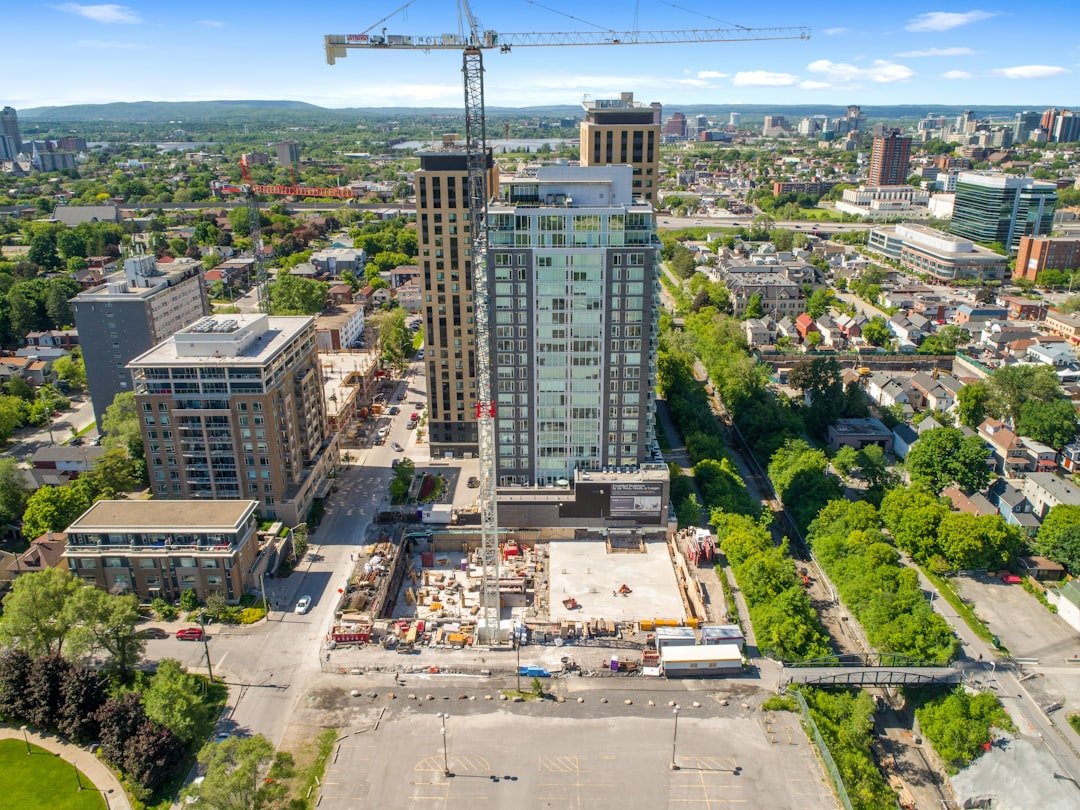

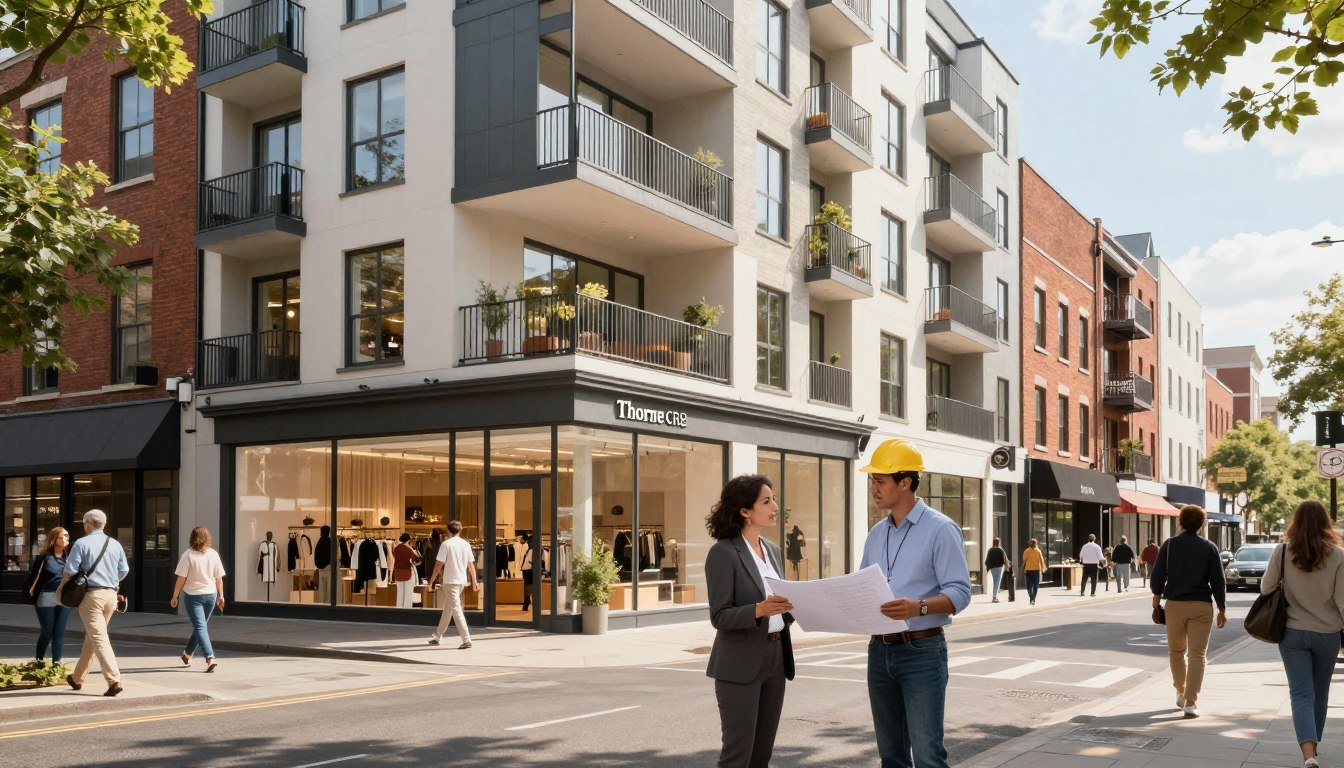
Property owners are finding a new way to make money as office spaces sit empty and housing prices are high. They’re turning to refinancing older mixed-use buildings. A report by RentCafe shows that office-to-residential conversions have quadrupled in the last four years.
This shift is all about adapting to a changing world. It’s not just about fixing up old buildings. It’s about changing how they’re used to fit today’s needs.
Key Takeaways
- Office-to-residential conversions are on the rise.
- Refinancing older buildings can breathe new life into underutilized spaces.
- Renovation is key to making older buildings appealing to modern tenants.
- The trend is driven by the need for affordable housing and changing commercial space needs.
- Successful refinancing requires a deep understanding of current market trends.
The Evolution of Mixed-Use Properties in Urban America
Mixed-use developments have been a key part of urban America since the early 1900s. They have changed a lot over time. These properties are lively hubs that mix living, working, and play spaces.
Historical Significance of Mixed-Use Buildings
Mixed-use buildings have been vital in shaping cities. They started in the early 1900s as places where people lived, worked, and socialized. Their historical significance is in creating community and cutting down on long commutes.
The Resurgence of Mixed-Use Developments
In recent years, mixed-use developments have seen a big comeback. This is thanks to changing lifestyles and cities growing. Today’s projects use sustainable design and tech, attracting a new crowd. People want lively, walkable neighborhoods.
Current Market Demand for Mixed-Use Spaces
There’s a big demand for mixed-use spaces now, mainly from younger people. Trends show a preference for places that mix living, working, and fun. The table below shows what’s driving this demand.
| Factor | Description | Impact |
|---|---|---|
| Lifestyle Convenience | Combining living, working, and leisure spaces | Increased demand for mixed-use properties |
| Sustainability | Incorporating green building practices | Enhanced appeal to environmentally conscious buyers |
| Community Engagement | Fostering social interaction through design | Stronger sense of community among residents |
As cities keep changing, the need for mixed-use properties will likely grow. People want convenient, green, and community-focused living spaces. This trend opens up chances for mixed-use refinance and value-add strategies, making these properties more attractive.
“The mixed-use model is not just about combining different land uses; it’s about creating vibrant, dynamic spaces that enhance the quality of life for residents and contribute to the urban fabric.” –
Challenges Facing Owners of Aging Mixed-Use Buildings
Owners of aging mixed-use buildings face many challenges. These can affect their property’s value and appeal to tenants. The main areas of challenge include outdated infrastructure, changing tenant needs, and competition from new buildings.
Outdated Infrastructure and Systems
Aging mixed-use buildings often have old infrastructure and systems. This can cause inefficiencies and higher maintenance costs. Renovation is often needed to modernize these buildings, including updates to electrical, plumbing, and HVAC systems.
Some key issues with outdated infrastructure include:
- Higher energy use due to old systems
- More maintenance costs from outdated equipment
- Potential safety risks from aging infrastructure
Changing Tenant Expectations
Tenants in mixed-use buildings have changing needs. These are influenced by the amenities and services in newer buildings. To stay competitive, owners must consider tenant upgrade options. This includes adding smart building technologies or improving communal areas.
Some key tenant expectations are:
- Fast internet and digital connectivity
- Flexible, adaptable workspaces
- Improved security and safety features
Competitive Pressure from New Developments
Aging mixed-use buildings compete with newer developments. These newer buildings offer modern amenities, sleek designs, and advanced technology. To stay competitive, owners must find ways to make their properties stand out through strategic renovations and upgrades.
Some strategies for competing include:
- Highlighting unique, historic character
- Adding sustainable, eco-friendly features
- Improving the tenant experience with amenities and services
The Business Case for Mixed-Use Refinance and Renovation
Refinancing and renovating mixed-use properties boosts both their looks and finances. This is key for owners wanting to get the most from their investment.
Potential ROI of Modernization
Modernizing a mixed-use property can greatly increase its ROI. Upgrading old infrastructure and amenities draws in better tenants and boosts income. For example, adding modern features like fast internet and smart tech makes a property more attractive.
Increased Property Valuation Through Value-Add Strategies
Refinancing and renovating can significantly raise a property’s value. This can be done by improving its market position, adding better amenities, or making its layout more appealing. Such efforts not only increase value but also give the property a competitive edge.
Long-Term Sustainability Benefits
Focus on sustainability in refinancing and renovation brings long-term gains. This includes lower costs and attracting tenants who care about the environment. Using green building and energy-saving tech are ways to achieve these benefits.
| Benefits | Description | Impact |
|---|---|---|
| Potential ROI | Increased revenue through modern amenities | Higher returns for investors |
| Property Valuation | Enhanced amenities and optimized layout | Increased property value |
| Sustainability | Green building practices and energy efficiency | Reduced operational costs and enhanced appeal |
Understanding Mixed-Use Financing Options in Today’s Market
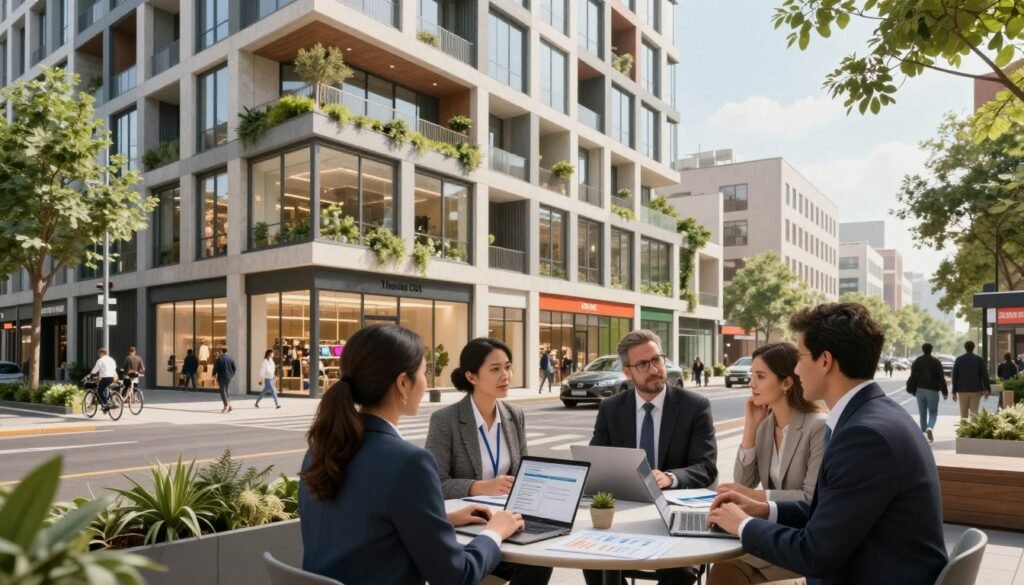
The world of mixed-use financing offers many paths for property owners. As the real estate market changes, knowing these options is key. It helps in making smart choices for refinancing and renovation.
Conventional Commercial Mortgages
Conventional commercial mortgages are a top pick for mixed-use property financing. Banks and financial institutions offer these loans. They provide a clear way to get funds for renovations or refinancing.
The terms of these mortgages can differ. Things like loan-to-value ratio, debt service coverage ratio, and interest rates matter. They help decide if the loan works for the property.
SBA 504 and 7(a) Loan Programs
The Small Business Administration (SBA) has two key loan programs for mixed-use properties. The SBA 504 loan is great for projects with fixed assets, like real estate and equipment. It offers lower down payments and longer repayment terms.
The 7(a) loan program is more flexible. It covers a wide range of business needs, including working capital and real estate purchases.
CMBS Loans for Mixed-Use Properties
Commercial Mortgage-Backed Securities (CMBS) loans are gaining popularity for mixed-use properties. These loans are backed by the property’s income. This allows lenders to offer good rates and terms.
CMBS loans are best for big, complex properties. They can provide a lot of capital for renovations and refinancing.
Private Equity and Alternative Financing Sources
For properties that don’t fit traditional financing or need flexible terms, private equity and alternative sources are options. These include private equity firms, real estate investment trusts (REITs), and crowdfunding platforms. They might come with higher costs or strict rules, but can fund big renovation projects or property repositioning.
Knowing the different financing options helps property owners make smart choices. This can improve the value and appeal of their mixed-use properties.
Assessing Your Property’s Refinancing Potential
To figure out if you can refinance your property, you need to look at its value and how it’s doing financially. This step is key to seeing if refinancing is possible and where you might need to make changes.
Current Valuation Considerations
The value of your mixed-use property is very important when thinking about refinancing. Appraisals should look at both the income and sales comparison approaches to get a full picture of its worth. What similar properties have sold for nearby can also play a big role.
Debt Service Coverage Ratio Analysis
The Debt Service Coverage Ratio (DSCR) is what lenders check to see if you can refinance. It’s found by dividing your property’s yearly income by its yearly debt. A DSCR of 1.25 or higher is usually good for refinancing.
| DSCR Range | Lender Perception | Refinancing Potential |
|---|---|---|
| 1.25 and above | Favorable | High |
| 1.0 to 1.24 | Acceptable | Moderate |
| Below 1.0 | Risky | Low |
Loan-to-Value Requirements for Mixed-Use Properties
Lenders have specific rules for how much they’ll lend on mixed-use properties. Refinancing LTV ratios can be from 60% to 80%, based on the lender and the property’s finances. A lower LTV means less risk for the lender, which can lead to better refinancing deals.
By looking at these points, property owners can get a clearer picture of their refinancing chances. This helps them make smart choices about their investment.
The Mixed-Use Refinance Process Step-by-Step
To refinance a mixed-use property, break the process into steps. It involves planning, financial analysis, and understanding the lending world.
Initial Property Assessment and Financial Analysis
Start by assessing your property’s finances and renovation potential. Look at lease agreements, property condition, and areas for improvement. A detailed financial analysis will show your property’s value and growth potential.
Lender Selection and Application Preparation
Next, choose a lender for mixed-use properties and prepare your application. Research lenders and their needs. Your application should include financial projections, renovation plans, and a business plan for increasing value.
Navigating Underwriting and Closing
After applying, the underwriting phase begins. It’s a detailed review of your finances, credit, and renovation plans. Work closely with your lender to provide needed information quickly. Once underwriting is done, you’ll close the loan and get funds for your mixed-use refinance and renovation.
Strategic Renovation Planning for Tenant Upgrade Opportunities
Effective renovation planning boosts return on investment and improves tenant satisfaction in mixed-use buildings. A well-thought-out renovation strategy can significantly enhance the overall value of the property.
Prioritizing Improvements for Highest ROI
When planning renovations, it’s crucial to prioritize improvements that will yield the highest return on investment. This involves assessing the current state of the property and identifying areas that need upgrading.
Essential vs. Luxury Upgrades
Property owners must decide between essential upgrades and luxury upgrades. Essential upgrades, like modernizing HVAC systems, often provide a higher ROI and should be prioritized.
Technology Infrastructure Investments
Investing in technology infrastructure, such as high-speed internet and smart building systems, can significantly enhance the appeal of a mixed-use property. This can lead to higher occupancy rates and increased rental income.
Phased Renovation Approaches to Minimize Disruption
A phased renovation approach allows property owners to renovate in stages, minimizing disruption to tenants and maintaining cash flow. This strategy is useful in occupied buildings where tenant displacement needs to be minimized.
Balancing Commercial and Residential Needs
In mixed-use properties, it’s essential to balance the needs of both commercial and residential tenants during renovations. This may involve coordinating renovation schedules to minimize impact on retail operations or residential living spaces. By doing so, property owners can maintain a harmonious and thriving community within the property.
By adopting a strategic renovation planning approach, property owners can maximize ROI, enhance tenant satisfaction, and increase the overall value of their mixed-use properties.
What Modern Commercial Tenants Are Looking For
The world of commercial real estate is changing fast. Property owners need to know what today’s tenants want. They look for advanced tech, green spaces, and flexible areas.
Technology Infrastructure Requirements
Modern tenants want high-speed internet and advanced telecommunications. They need reliable tech to run their businesses. Adding smart tech like IoT devices and energy management systems can attract tech-savvy tenants.
Sustainability and Energy Efficiency Features
Today’s tenants care about the environment. They seek energy-efficient systems, green building certifications (like LEED), and sustainable materials. Adding solar panels, rainwater systems, and energy-saving HVAC can help. These features cut down on costs and environmental harm.
Flexible Space Configurations for Changing Business Models
Modern tenants need spaces that can grow with their businesses. They prefer open floor plans, collaborative workspaces, and modular furniture. Offering shared spaces, co-working areas, and flexible leases can attract a variety of tenants.
By meeting these needs, property owners can make their spaces more appealing. This attracts top tenants and boosts value-add through tenant upgrades.
Residential Tenant Preferences in Mixed-Use Buildings
Mixed-use residential tenants now want a complete living experience. They look for comfort, convenience, and community. Property owners and managers must meet these new expectations to stay competitive.
Amenity Expectations in Today’s Market
Today, tenants in mixed-use buildings expect many amenities. They want high-end fitness centers, rooftop lounges, and secure parcel delivery systems. These amenities can greatly improve tenant happiness and keep them around longer.
Work-From-Home Accommodations Post-Pandemic
Remote work has made work-from-home accommodations more popular. Tenants need dedicated workspaces with fast internet and few distractions. Mixed-use buildings can offer co-working spaces or quiet lounges to meet this need.
Community and Lifestyle Integration
Residential tenants also value community and lifestyle integration. They want places that help them connect and offer various lifestyle options. This can be done through community events, on-site services like dry cleaning and grocery shopping, and being close to local spots.
By understanding and meeting these preferences, property owners can make their mixed-use buildings more appealing. They can attract better tenants and boost the success of their tenant upgrade and renovation projects.
Value-Add Strategies for Older Mixed-Use Properties
Property owners can make older mixed-use developments more appealing with value-add strategies. This approach boosts the property’s value and rental income.
Repositioning Commercial Spaces for Higher Rents
Repositioning commercial areas is key to making older mixed-use properties more profitable. There are several ways to do this.
Retail Space Optimization
Improving retail spaces makes them more inviting. This includes modernizing storefronts, better signage, and enhancing the shopping experience.
Office Space Modernization
Modern offices attract businesses that want the latest in amenities and tech. Upgrades might include high-speed internet, flexible workspaces, and energy-saving systems.
Optimizing Residential Unit Mix and Layouts
Changing the residential layout to meet market needs is another value-add strategy. This can attract higher-paying tenants and lower vacancy rates.
Creating Synergy Between Commercial and Residential Components
Mixing commercial and residential areas makes the property more appealing. Offering amenities for both groups, like shared spaces or events, is a good idea.
By using these value-add strategies, owners can increase their property’s value. They also create lively communities that attract and keep tenants.
Navigating Zoning and Regulatory Considerations
To refinance and renovate a mixed-use property, you need to know the zoning laws and legal rules. These rules are key to making your project work.
Common Zoning Challenges for Mixed-Use Renovations
Mixed-use renovations face many zoning hurdles. These include rules on land use, density, and height. For example, renovating a historic building might be limited by zoning laws on units or commercial spaces.
Key Zoning Challenges:
- Land use restrictions
- Density limitations
- Height restrictions
- Parking requirements
Building Code Compliance for Modern Standards
It’s crucial to meet modern building codes for safety and access. This means updating electrical, plumbing, and HVAC systems. It also means following ADA rules.
“Compliance with building codes is not just about avoiding fines; it’s about ensuring the well-being of tenants and users of the property.” –
| Building Code Aspect | Modern Standard Requirement |
|---|---|
| Electrical Systems | Upgrade to current NEC standards |
| Fire Suppression Systems | Installation of modern fire suppression systems |
| Accessibility | Compliance with ADA requirements |
Leveraging Incentive Programs and Tax Benefits
Cities often have programs and tax breaks for renovating mixed-use properties. These can help cover renovation costs.
For instance, the Historic Preservation Tax Incentives program offers tax credits for historic building fixes. Some cities also give density bonuses or lower parking needs for projects with affordable housing.
Building the Right Team for Your Mixed-Use Project
To make your mixed-use project a success, you need a great team. The right professionals can help you tackle the challenges of refinancing and renovation.
Key Professional Partners for Successful Refinancing
Finding the right partners is key for refinancing success. You’ll need financial advisors, attorneys for commercial real estate, and architects. These experts can guide you through refinancing and find ways to improve your property’s value. A financial advisor, for example, can look at your property’s cash flow and suggest the best refinancing plans.
Selecting Experienced Contractors for Mixed-Use Renovations
Finding the right contractor for renovations is crucial. Choose someone with experience in mixed-use projects. A good contractor can help you focus on renovations that will keep tenants happy. Make a list of potential contractors and interview them to see if they’re a good fit for your project.
Property Management Considerations for Mixed-Use Buildings
Good property management is essential for your mixed-use building’s success. A skilled manager can handle both commercial and residential tenants. They can also improve the tenant experience and increase rental income. A well-managed property will attract better tenants and give you a good return on investment.
| Team Member | Role | Key Responsibilities |
|---|---|---|
| Financial Advisor | Refinancing Strategy | Analyze cash flow, determine refinancing options |
| Contractor | Renovation Execution | Prioritize renovations, manage construction timeline |
| Property Manager | Tenant Relations and Operations | Enhance tenant experience, maximize rental income |

Case Studies: Successful Mixed-Use Refinancing and Repositioning
Several successful case studies show the vast potential of mixed-use refinancing and repositioning. These examples highlight the financial gains and strategic renovations that led to their success.
Urban Main Street Revitalization Example
A mixed-use property on Main Street was revamped in a notable urban revitalization project. Built in the 1980s, it was transformed into a modern spot for both work and living.
Financing Structure
The refinancing used a mix of commercial mortgages and private equity. This allowed for a value-add strategy that boosted the property’s value. The loan’s debt service coverage ratio was managed to ensure it was sustainable.
Renovation Highlights and Outcomes
The renovations included a new facade, updated infrastructure, and reworked commercial spaces. The results were impressive:
- Occupancy rates went up by 25%
- Average rents increased by 40%
- The property’s value rose by 60%
Suburban Mixed-Use Transformation
A suburban mixed-use property with low occupancy was revamped through a strategic mixed-use refinance. It became a bustling community center.
The refinancing allowed for a phased renovation. This kept disruption to a minimum while making the property more appealing.
Historic Building Adaptive Reuse
A historic building was turned into a mixed-use property, keeping its charm while adding modern touches. It got historic tax credits and a CMBS loan for funding.
The renovation kept the building’s history while adding energy-efficient systems and flexible workspaces. This added over 50% to its value.
These examples show how mixed-use refinancing and repositioning can change properties for the better.
Conclusion: Positioning Your Mixed-Use Property for Future Success
As the market keeps changing, it’s key to make mixed-use properties successful. Refinancing and renovations can really boost their value. Knowing what modern tenants want helps owners make smart tenant upgrade moves.
A smart mixed-use refinance can get the funds needed for renovation projects. These projects can draw in top tenants. Adding value, like making commercial areas better or improving home layouts, can also raise property worth.
To stay ahead, owners must tackle the issues of old mixed-use buildings. Using the tips from this article, owners can handle mixed-use refinance and renovation well. This way, they can make their properties thrive in a fast-changing market.