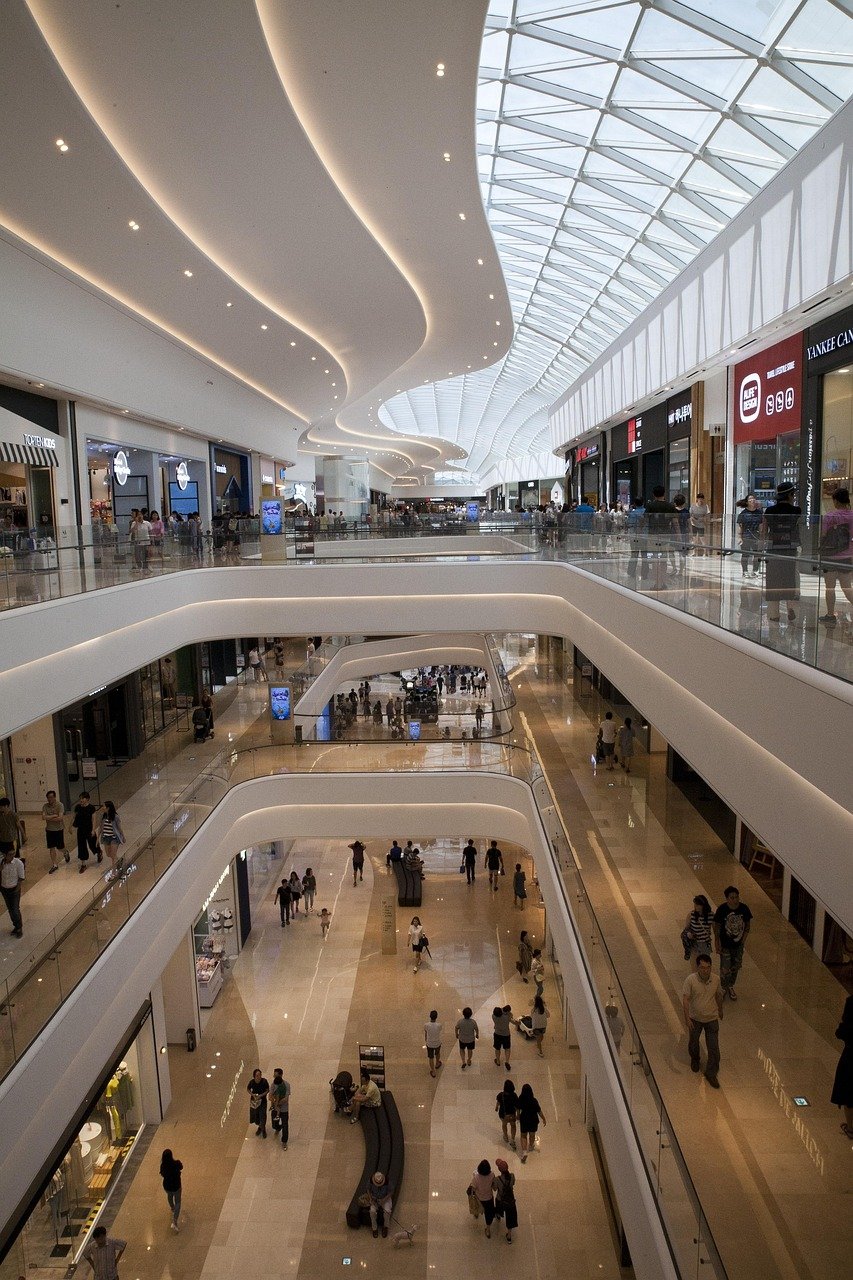


In the United States, over 25% of retail centers are more than 30 years old. This offers a big chance for redevelopment and repositioning. As the retail world changes, refinancing older retail centers is key for owners to update their properties and stay ahead.
With more people shopping online, older retail centers are struggling. They see less foot traffic and outdated buildings. But, with smart financing strategies, these places can become vibrant centers of commerce. They can meet today’s consumer needs.
Key Takeaways
- Refinancing older retail centers can be a key step in repositioning and revitalizing them.
- The current retail landscape is characterized by evolving consumer needs and increased e-commerce competition.
- Older retail centers face challenges such as decreased foot traffic and outdated infrastructure.
- Strategic financing can help transform older retail centers into competitive assets.
- Repositioning older retail centers can lead to increased value and profitability.
The Evolving Retail Landscape
Consumer tastes are changing fast, and older retail spots are facing big challenges. The retail world is changing a lot because of new tech and how people shop now.
Older retail centers have many problems. Outdated infrastructure and not keeping up with what shoppers want are big issues. They can’t keep up with newer places that have more to offer.
Current Challenges Facing Older Retail Centers
Older retail spots are seeing less foot traffic and more competition from online shopping. Over $1.5 trillion in commercial real estate loans will come due by 2026. This makes refinancing hard because of high interest rates and lower property values.
| Challenge | Impact |
|---|---|
| Declining Foot Traffic | Reduced Sales for Tenants |
| Increased E-commerce Competition | Shift in Consumer Shopping Habits |
The Rise of E-commerce and Its Impact
E-commerce is changing how we shop, affecting traditional stores. As online shopping grows, stores need to change. Embracing omnichannel retailing and making the in-store experience better are key to staying in business.
“The future of retail is not just about selling products, it’s about creating experiences.”
Understanding Retail Repositioning
In the fast-paced world of retail, repositioning is crucial for reviving old shopping centers. As tastes and market trends shift, malls must evolve to stay ahead.
Definition and Core Concepts
Retail repositioning means making smart changes to a mall to boost its appeal and earnings. This might include renovations, new tenants, or a fresh marketing plan. The aim is to draw more shoppers and tenants, raising foot traffic and rent.
Experts say successful repositioning needs a deep grasp of local markets and trends.
“1375 Broadway has undergone a comprehensive repositioning program, highlighted by the recent delivery of a 6,000-square-foot rooftop terrace offering unobstructed views of Hudson Yards, the Empire State Building and Times Square.”
Signs Your Retail Center Needs Repositioning
Several signs show a mall might need a repositioning. These include fewer shoppers, empty spaces, and old buildings. If your mall faces these problems, it’s time to think about repositioning.
| Signs of Needed Repositioning | Description |
|---|---|
| Declining Foot Traffic | A significant decrease in the number of visitors |
| High Vacancy Rates | Empty storefronts and a lack of tenant interest |
| Outdated Infrastructure | Aging buildings and facilities that no longer meet modern standards |
The Financial Benefits of Repositioning
Repositioning a mall can bring big financial gains. These include higher rents, better property value, and more market competitiveness. By investing in repositioning, owners can see a big return on their investment.
Key financial benefits include:
- Increased rental income due to improved tenant mix and property appeal
- Enhanced property value through renovations and upgrades
- Better competitiveness in a changing retail landscape
Assessing Your Current Retail Property
To reposition your retail center, you need to know its strengths and weaknesses. This means evaluating both its physical and financial aspects.
Conducting a Comprehensive Property Evaluation
Understanding what needs improvement and where you can add value is key. This involves a detailed look at the property’s condition and finances.
- Assessing the physical condition of the property
- Reviewing financial performance
Physical Property Assessment
Inspecting the property’s condition is important. This includes its structure, amenities, and looks. Focus on:
- The building’s facade and exterior
- Common areas and amenities
- Cleanliness and maintenance
Looking at the property’s finances is also crucial. This means checking income statements, expenses, and cash flow. Key metrics include:
- Net Operating Income (NOI)
- Capitalization rate (cap rate)
- Cash-on-cash return
Identifying Value-Add Opportunities
After evaluating, find ways to increase the property’s value. Look at the data to see where improvements can be made. Potential opportunities are:
- Renovating or redeveloping unused spaces
- Improving the tenant mix
- Adding energy-efficient upgrades
“Properties with stable tenants and updated amenities still hold value, but many others are falling behind.”
Market Analysis for Repositioning Opportunities
Understanding the local market is crucial for improving underperforming retail properties. A detailed market analysis is key. It helps find ways to improve and meet consumer needs.
Understanding Local Demographics and Trends
Local demographics and trends are important for retail success. Looking at population growth, age, and income helps know who to sell to. For example, areas with young professionals might do well with trendy stores.
It’s also important to keep up with local trends. This includes the rise of online shopping and the desire for eco-friendly options. Adding e-commerce features and green practices can make a store more appealing.
Competitive Landscape Assessment
Knowing how you compare to others is essential. This means looking at nearby stores’ tenant mix, prices, and marketing. By spotting what’s missing, you can stand out.
For instance, if other stores have lots of department stores, you could focus on unique tenant mix. This could include special shops or services. Being different can attract and keep customers.
Creating a Repositioning Strategy
A successful retail repositioning project needs a clear strategy. This strategy outlines the goals and when they should be achieved. It guides the change of older retail centers into places that meet today’s needs.
Setting Clear Objectives
Clear objectives are key to a good repositioning strategy. Objectives should be specific, measurable, achievable, relevant, and time-bound (SMART). For example, aiming to increase foot traffic by 20% in a year or boosting tenant rates by 15% in 18 months are clear goals.

Developing a Realistic Timeline
Creating a realistic timeline is vital for a repositioning strategy’s success. It means dividing the project into smaller parts, each with its own goals and deadlines. A well-planned timeline helps avoid risks and keeps the project on track.
Budgeting for Repositioning Projects
Budgeting is a key part of a repositioning strategy. It includes figuring out the costs for the changes, like renovations and marketing. A detailed budget helps get the needed funds and makes smart choices during the project.
By setting clear goals, planning a realistic timeline, and budgeting well, everyone can make a strong repositioning strategy. This strategy helps older retail centers change successfully.
The Role of Capital Expenditure (CapEx) in Repositioning
Repositioning older retail centers needs careful planning of capital expenditure. Capital expenditure (CapEx) is money spent on buying, improving, and keeping physical assets. This includes property, buildings, or equipment. In repositioning, CapEx is key to boosting the property’s value and appeal.
Essential vs. Non-Essential CapEx Investments
Not all CapEx investments are the same. Essential CapEx investments keep or improve the property’s state, like fixing the foundation or updating the electrical system. On the other hand, non-essential CapEx investments are optional and aim to increase the property’s value or charm, like cosmetic changes or new amenities. It’s important to know the difference to use resources wisely.
ROI Analysis for CapEx Projects
Doing a detailed ROI analysis is key for CapEx projects. It looks at the costs, the possible revenue or value increase, and compares them. This helps investors choose the best projects, aiming for high returns and less risk.
Retail Property Financing Options for Repositioning
Getting the right financing is key when repositioning retail properties. Success depends on finding the right capital through different financing paths.
There are many financing options for repositioning retail properties. Each has its own benefits and things to consider. Knowing these options helps make better choices.
Traditional Bank Loans
Traditional bank loans are a common choice for repositioning retail properties. They offer a clear process and good interest rates. Banks look for a strong credit history and a detailed business plan.
Key benefits: Good interest rates, easy process.
Commercial Mortgage-Backed Securities (CMBS)
CMBS is another financing option, great for big projects. They pool mortgage loans and sell them to investors. This option can have more flexible terms than bank loans.
Advantages: More flexible terms, wider investor base.
Private Equity and Joint Ventures
Private equity firms and joint ventures are also popular for repositioning. They bring needed capital and expertise. They look for projects with high returns.
Private equity and joint ventures are good for complex projects. They need a lot of capital and strategic advice.
Refinancing Strategies for Older Retail Centers
As the retail world changes, refinancing older retail centers is key for renewal. Owners are now using refinancing to get the funds needed for updates and to increase their property’s value.
When to Consider Refinancing
Think about refinancing if the property’s income changes a lot or if the loan terms are not good anymore. Changes in the market, updates to the tenant mix, and property renovations are good reasons to look into refinancing.
Leveraging Equity for Repositioning Capital
Refinancing lets you use the property’s equity to get funds for updates. This can be for renovations, getting new tenants, or other ways to add value. For example, a recent deal got a “Miami In-Fill Retail Portfolio” $38M in refinancing, showing how much money you can get.
Rate and Term vs. Cash-Out Refinancing
Property owners have to choose between two types of refinancing. Rate and term refinancing changes the loan terms for better rates or payment plans. Cash-out refinancing lets you use the property’s equity. The choice depends on what the owner wants and the property’s finances.
Things to think about include:
- The current interest rates
- The property’s income now and in the future
- The owner’s financial goals and how much risk they can take
By looking at these points, owners can pick the best refinancing plan for their older retail centers.
The Refinancing Process Step by Step
To refinance an older retail center, owners must go through several steps. These include getting financial documents ready, having the property appraised, and closing the deal. This process is key to reaching repositioning goals and getting the funds needed for upgrades.
Preparing Financial Documentation
Getting all financial documents in order is a big step. You need to collect past financial statements, current rent information, and operating costs. Lenders look at this data to figure out how much money the property can make and its worth. It’s important to make sure these documents are correct and current for a smooth process.
Property Appraisal Considerations
A professional appraisal is needed to find out the property’s current value. Appraisers look at the property’s condition, where it’s located, and its growth potential. A precise appraisal is crucial for getting good loan terms, affecting the loan-to-value ratio and interest rates.
Closing the Refinancing Deal
After getting financial documents ready and the appraisal done, it’s time to close the deal. This means talking terms with the lender and signing the agreement. It’s important to check the loan documents carefully. They should match the owner’s repositioning plan and financial goals.
Working with Lenders on Repositioning Projects
Lenders are key to the success of retail repositioning projects. It’s important to understand their needs. When looking for financing, a solid plan is crucial. It should address lender concerns and show the potential for a good return on investment.
What Lenders Look for in Repositioning Plans
Lenders want detailed plans for repositioning. These plans should include financial projections, market analysis, and a clear strategy. They need to see that the project is viable and that the borrower can carry out the plan.
Building a Compelling Financing Proposal
A strong financing proposal is essential for lenders. It should have a solid financial plan. This includes:
- Financial Projections: Detailed income, expenses, and cash flow over the loan term.
- Market Analysis Support: Proof of market demand and competitive analysis to back the strategy.
By showing these, borrowers can prove they understand the project’s potential and risks. This boosts lender confidence.

Developers and investors who build strong lender relationships and present solid proposals are more likely to get the financing they need. This is key for successful repositioning projects.
Government Programs and Incentives
Government initiatives are key in updating old retail properties. They offer resources and incentives to help owners reposition their properties.
Tax Increment Financing (TIF)
Tax Increment Financing (TIF) is a tool for economic growth. It lets cities borrow money for improvements using future taxes. This is great for updating old retail areas.
A TIF can pay for better streets and public areas. These upgrades make a retail center more appealing. TIF boosts the area’s economy too.
Opportunity Zones and Other Federal Programs
Opportunity Zones offer tax breaks for investments in poor areas. Investors can lower their taxes by putting money into Opportunity Funds. Many old retail spots are in these zones.
There are also other federal programs like Community Development Block Grants (CDBG) and New Markets Tax Credits (NMTC). They help fund updates and make projects more likely to succeed.
Optimizing Tenant Mix for Maximum Value
The success of retail repositioning depends on a good tenant mix. This mix attracts a wide range of customers. A balanced mix improves shopping experiences, boosts rental income, and increases property value.
Analyzing Current Tenant Performance
To improve the tenant mix, first look at how current tenants are doing. Check their sales, how often they’re open, and how happy they are. Knowing which tenants do well and which don’t helps you decide who to keep and who to replace.
| Tenant Category | Current Occupancy Rate | Average Sales per Sq. Ft. |
|---|---|---|
| Anchors | 95% | $500 |
| Specialty Stores | 85% | $350 |
| Food & Beverage | 90% | $400 |
Identifying Complementary Tenant Categories
Finding complementary tenant categories is key to a great retail space. For example, a grocery store works well with restaurants or coffee shops. Knowing the local area and what people like helps pick the right mix.
Negotiating Leases to Support Refinancing Goals
When negotiating leases, make sure they help your refinancing plans. Look for long leases from reliable tenants or rent increases. This strengthens the property’s income, making it more appealing to lenders and investors.
Managing Repositioning Risks
Repositioning older retail centers comes with risks that need careful management. Understanding these risks and finding ways to reduce them is key to success.
Common Pitfalls in Retail Repositioning
Retail repositioning projects often face challenges. These include tenant resistance to change, inaccurate market assessments, and delays in construction or permitting. These issues can cause cost overruns, lower occupancy rates, and lower returns on investment. It’s crucial to plan for these challenges and have backup plans ready.
Risk Mitigation Strategies
To reduce risks, developers can use several strategies. Conducting thorough market research helps understand consumer behavior and preferences. This reduces the risk of wrong market assessments. Engaging with tenants early can also reduce resistance to change and tailor the repositioning plan to their needs. Lastly, having a detailed project timeline with buffers for delays can keep the project on track.
By knowing common pitfalls and using effective strategies, developers and investors can overcome the challenges of retail repositioning. This way, they can reach their investment goals.
Case Studies: Successful Retail Center Repositioning
Turning underperforming properties into thriving hubs is possible through successful retail repositioning. This section shares two compelling case studies that show the power of retail center repositioning.
From Struggling Mall to Thriving Mixed-Use Development
A struggling mall was transformed into a thriving mixed-use development. 1375 Broadway, once a mall in decline, was revamped. It now has new retail, office, and residential spaces.
“The repositioning of 1375 Broadway has not only revitalized the property but also contributed to the revitalization of the surrounding area.”
This change brought new businesses and residents, boosting the property’s value.
| Aspect | Before Repositioning | After Repositioning |
|---|---|---|
| Occupancy Rate | 60% | 95% |
| Foot Traffic | Low | High |
| Property Value | $10 million | $25 million |
Revitalizing an Aging Strip Center
An aging strip center was also revitalized. The strategy included updating the façade and improving signage. It also involved optimizing the tenant mix.
Identifying and attracting complementary tenants was key. This improved the shopping experience and boosted foot traffic and sales.
With careful planning, even aging retail properties can be transformed into vibrant and profitable assets.
Conclusion: Positioning Your Retail Center for Future Success
To make your retail center successful, you need a smart plan. This includes refinancing and repositioning. By keeping up with the changing retail world, you can find new ways to grow and make more money.
Getting the right financing is key. Investors who make smart choices with the latest data will do well. Using refinancing and repositioning can increase your center’s value and lead to lasting success.
As you go ahead, keep your goals in mind. Understanding retail property financing well is important. With the right strategy, your retail center can thrive and meet your business targets.