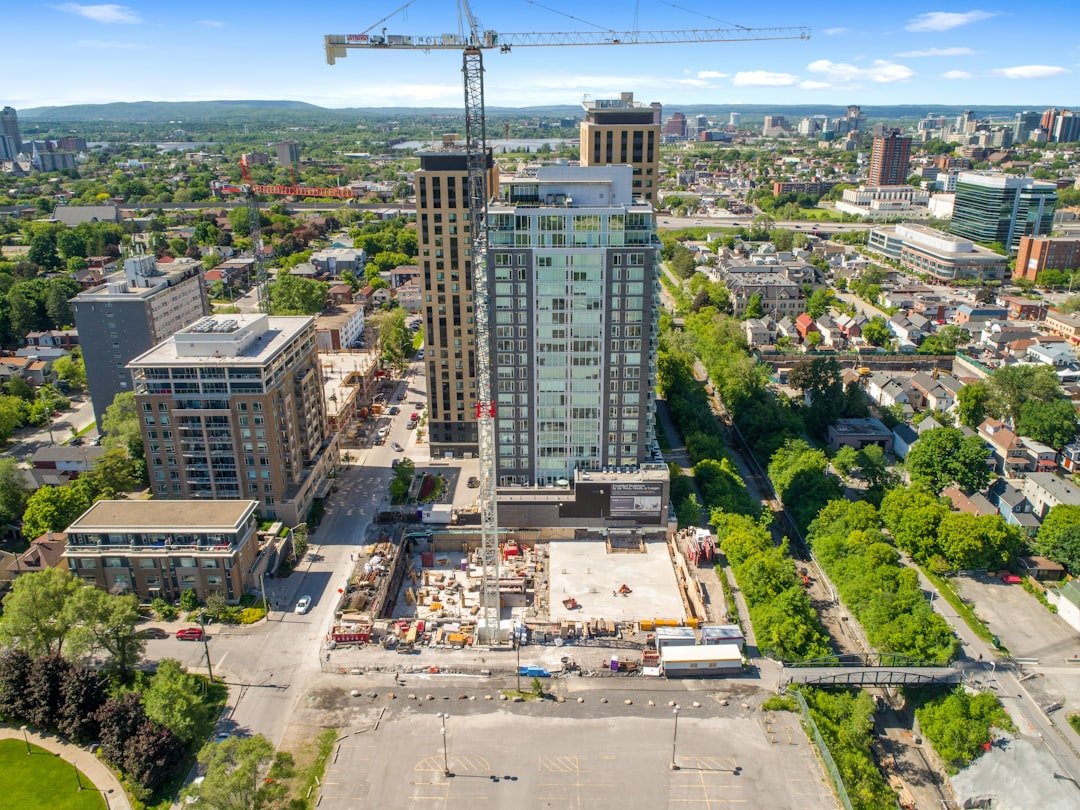


The commercial real estate world is changing fast. It’s moving towards mixed-use developments. This is because people want places that are both sustainable and lively.
The lease-up period for these projects is tough. It affects the project’s stabilization and financial health a lot.
Having good financing strategies is key during this time. It helps mixed-use projects succeed. They become stable and valuable investments for the long run.
Key Takeaways
- The importance of mixed-use financing in today’s real estate market.
- Challenges faced during the lease-up period.
- Strategies for achieving stabilization.
- The role of financing in successful project stabilization.
- Best practices for investors and developers.
Understanding Mixed-Use Development Projects
Mixed-use developments combine different real estate uses in one place. JLL Research says 54% of the most expensive streets in the U.S. are in urban neighborhoods. This shows how important mixed-use projects are in city planning.
Definition and Components of Mixed-Use Projects
Mixed-use properties mix residential, commercial, and recreational spaces. They can have office buildings, retail stores, hotels, and apartments. This creates lively and diverse urban areas.
These projects have many parts, including:
- Residential units
- Office spaces
- Retail and dining establishments
- Entertainment venues
- Parking facilities
Current Trends in Mixed-Use Development
Today’s mixed-use projects are shaped by changing tastes and urban growth. People want places that mix living, working, and fun in one spot.
| Trend | Description |
|---|---|
| Increased Density | Higher density developments with a mix of uses |
| Sustainability | Focus on green building and energy efficiency |
| Technology Integration | Incorporation of smart building technologies |
Unique Financial Challenges of Mixed-Use Projects
Mixed-use projects face special financial hurdles. They need a deep understanding of different property types and their markets.
Challenges include managing cash flow gaps, dealing with different stabilization rates, and handling market changes.
The Critical Lease-Up Phase Explained
The lease-up phase is a key time in mixed-use project development. It needs careful planning and execution. Developers aim to fill the space with tenants to ensure financial stability.
What Is the Lease-Up Period?
The lease-up period is when developers actively try to fill the space. They use marketing, tours, and negotiations to find tenants. The goal is to reach a stable occupancy rate for success.
Why Lease-Up Is a Vulnerable Time for Projects
The lease-up phase is risky for mixed-use projects. It costs a lot upfront without quick returns. Effective financial planning is key to manage these risks.
Typical Timeline for Mixed-Use Lease-Up
The lease-up period’s length varies by market and project size. It can last from months to years. Knowing this timeline helps developers plan better.
| Project Size | Typical Lease-Up Period | Average Occupancy Rate at Stabilization |
|---|---|---|
| Small (less than 100,000 sq. ft.) | 6-12 months | 90% |
| Medium (100,000-500,000 sq. ft.) | 1-2 years | 85% |
| Large (more than 500,000 sq. ft.) | 2-3 years | 80% |
Understanding the lease-up phase helps developers manage mixed-use project financing. This knowledge leads to successful outcomes.
Financial Stress Points During Lease-Up
During the lease-up phase, mixed-use developments face many financial challenges. This time is key as it’s between finishing the project and getting it fully occupied. It requires smart financial planning to avoid problems.
Cash Flow Gaps and Negative Carry
One big issue is the cash flow gap, when expenses are more than income. This leads to negative carry, where costs like loan interest and upkeep are more than what’s earned. To deal with this, developers need to manage their cash flow carefully.
Varying Stabilization Rates Across Property Types
Different parts of a mixed-use development take longer to stabilize. For example, homes might rent out quicker than shops or offices. Knowing this helps predict cash flow and manage stress.
Impact of Market Fluctuations
Market changes can really affect the lease-up process. Economic downturns or shifts in demand can slow down tenant interest, impacting cash flow. Developers need to be ready to adjust their plans when the market changes.
| Property Type | Average Lease-Up Period | Stabilization Rate |
|---|---|---|
| Residential | 6-12 months | 90% |
| Retail | 12-24 months | 85% |
| Office | 12-18 months | 80% |
Understanding these financial challenges helps developers get ready for the lease-up phase. This way, they can achieve a more stable financial state for their mixed-use projects.
Mixed-Use Financing Strategies for Stability
Mixed-use projects need special financing to stay stable during the lease-up phase. These projects mix residential, commercial, and sometimes industrial parts. They face challenges that regular financing can’t handle.
Traditional vs. Specialized Financing Approaches
Traditional financing looks at simple property values and income forecasts. But, mixed-use projects are more complex. They have unique cash flow needs and different property types.
Specialized financing approaches offer better solutions. They consider the unique aspects of mixed-use projects. This includes financing that works with different stabilization rates in the project.

Layered Capital Stack Solutions
A layered capital stack mixes different financing types. This includes senior debt, mezzanine financing, and equity. It helps developers manage their capital better and reduce risks.
| Financing Layer | Description | Risk Level |
|---|---|---|
| Senior Debt | Primary loan with first lien on the property | Low |
| Mezzanine Financing | Subordinated debt with equity participation | Medium |
| Equity | Ownership stake in the project | High |
Phased Financing Structures
Phased financing gives funds as the project hits milestones. It helps manage cash flow and lowers upfront costs.
By using these financing strategies, developers can improve the stability of their mixed-use projects. This is crucial during the lease-up period.
Bridge Loans as Stabilization Tools
The lease-up period for mixed-use projects is full of financial risks. Bridge loans are a good solution for this. They are short-term loans that help investors and developers during the lease-up phase. This is before they get long-term financing or stabilize the project.
How Bridge Loans Work for Mixed-Use Projects
Bridge loans give immediate money to cover costs during the lease-up phase. This ensures developers can pay their bills even when cash flow is slow. These loans are secured by the property and have flexible repayment terms. They match the project’s expected stabilization timeline.
“Bridge loans are a lifeline for developers,” says a financial expert. “They provide the funds needed to keep projects going during the lease-up phase.” This is very important for mixed-use projects. They have complex leasing arrangements across different property types.
Qualifying for Bridge Financing During Lease-Up
To get bridge financing, lenders check if the project is viable. They also look at the developer’s credit and if the lease-up will succeed. The project’s location, market demand, and the developer’s experience are also important.
- Strong project viability assessments
- Developer creditworthiness
- Potential for successful lease-up
Cost Considerations and ROI Analysis
Bridge loans are valuable but have higher interest rates than regular loans. Developers need to do a detailed ROI analysis. This helps them see if the loan’s benefits are worth the costs. They look at how the loan affects cash flows and overall profit.
Key considerations include: the loan’s interest rate, any fees, and the expected time to stabilize and get long-term financing.
By looking at these factors carefully, developers can use bridge loans to stabilize their mixed-use projects. This helps them achieve long-term success.
Leveraging Interest Reserves Effectively
Interest reserves are key in keeping mixed-use developments stable at the start. They help cover interest payments when there’s not much income yet. This way, developers can keep their projects going without financial trouble.
Calculating Appropriate Interest Reserve Amounts
To use interest reserves well, developers need to figure out how much they need. They should look at cash flow forecasts, how long it takes to build, and how fast they can lease out spaces. A good financial plan helps find the right amount to set aside. This ensures they have enough for interest without wasting too much money.
| Factors | Impact on Interest Reserve |
|---|---|
| Construction Timeline | Longer timelines may require larger reserves |
| Leasing Absorption Rate | Slower absorption may necessitate increased reserves |
| Interest Rates | Higher rates increase the need for reserves |
Strategies for Extending Interest Reserves
There are ways to stretch out interest reserves. Developers can talk about changing loan terms, cut down on project costs, or work faster to lease out spaces. By managing these areas well, they can make their reserves last longer and possibly need less money overall.
When to Use Interest Reserves vs. Other Options
Interest reserves are best used when a project is just starting and money is tight. But, developers should also think about other financing choices like bridge loans or mezzanine financing. Using a mix of options can help keep a project stable and successful in the long run.
Accelerating Tenant Acquisition to Improve Cash Flow
Getting tenants quickly can really help with cash flow, even when it’s tough. To do this, developers and managers need a solid plan. This plan should include special leasing deals, smart tenant mixes, and using key tenants.
Strategic Leasing Incentives During Stabilization
One top way to get tenants faster is with special leasing deals. These can be things like free rent, lower security deposits, or extra services. For example, offering a few months of free rent can really get people to sign up.
Recent data from mixed-use projects shows that these deals work well. For instance, a big city project saw its leasing go up by 25% after a promotion with free rent for new tenants.
Targeting Complementary Tenant Mixes
It’s key to have a diverse tenant mix in a mixed-use project. This mix should meet the needs of the area’s people. This makes the project more appealing and boosts leasing.
| Tenant Type | Benefits | Examples |
|---|---|---|
| Retail | Enhances foot traffic, diverse offerings | Local boutiques, coffee shops |
| Office | Provides steady foot traffic, professional services | Coworking spaces, professional services |
| Residential | Stable income, community building | Apartments, condos |
Using Anchor Tenants to Drive Smaller Leases
Anchor tenants are very important for attracting smaller tenants. Their presence makes the project look better and more appealing. This makes it easier to get smaller businesses and residents to lease space.
For example, a famous retail brand or a popular restaurant can be an anchor. They draw in customers and make the area lively. This attracts other tenants.
Financial Modeling for Lease-Up Periods
Financial modeling is key in the lease-up phase of mixed-use projects. It helps developers and investors spot financial hurdles early. This way, they can make smart choices.
Creating Realistic Absorption Projections
Creating accurate absorption projections is vital. It means looking at market trends and tenant needs. Accurate absorption projections help plan for cash flow and keep the project financially sound.
Modeling Different Property Type Stabilization Rates
Mixed-use projects have different types like retail, office, and residential. Each type has its own stabilization rate. By modeling different stabilization rates, developers can manage finances better.
Sensitivity Analysis for Financing Decisions
Sensitivity analysis is crucial. It shows how changes in key variables impact the project’s finances. This helps in making stronger financing choices. By doing sensitivity analysis, stakeholders can spot risks and plan to avoid them.
Good financial modeling is essential for mixed-use projects’ success. It helps secure funding and manage the lease-up phase. This leads to a stable and profitable investment.
Mezzanine Financing and Preferred Equity Solutions
Mezzanine financing and preferred equity are key for developers in mixed-use projects. They help fill the gap between initial costs and when the project starts making money.
Structuring Mezzanine Debt for Lease-Up Periods
Mezzanine debt is a loan that comes after senior debt and before equity. It’s crucial to plan it well for lease-up times. Mezzanine lenders want a higher return than senior lenders but offer more flexible terms.
Developers need to share detailed financial plans and updates with mezzanine lenders. This shows they’re moving towards a stable state.
Preferred Equity Partnerships
Preferred equity partnerships give investors a preferred return on their money. This is great for lease-up times because it lets developers get funds without giving up ownership.
Preferred equity investors get a higher return than common equity holders. But, they have a stronger claim on assets if the project defaults. Developers must think about the partnership terms to match their project goals.
Comparing Costs and Control Implications
When looking at mezzanine financing and preferred equity, developers must think about costs and control. Mezzanine debt might be cheaper than preferred equity. But, it can also mean more strict rules and demands.
Developers should think about the project’s cash flow, when it will stabilize, and how much control they want to give up. This helps decide between mezzanine financing and preferred equity.
Government Programs and Incentives for Stabilization
Mixed-use developments can get a lot of help from government programs and incentives. These programs offer financial support and other benefits. They help developers get through the tough lease-up phase.
Federal Programs Supporting Mixed-Use Development
The federal government has several programs for mixed-use development. For example, the New Markets Tax Credit (NMTC) program gives tax credits to investors in low-income areas. This helps offset federal income taxes.
The Community Development Block Grant (CDBG) program also helps. It funds community projects, including mixed-use developments for low- and moderate-income people.
State and Local Incentives
State and local governments also offer incentives for mixed-use projects. They include tax abatements, grants, and infrastructure funding. For instance, some states have historic tax credits for rehabbing historic buildings.
Local governments might give density bonuses or expedited permitting processes. These incentives can lower the financial load on developers. They make projects more feasible.
Tax Strategies During Lease-Up
During the lease-up phase, tax strategies are key. Developers can use accelerated depreciation on certain assets. This can lower taxable income. They should also think about the tax effects of their financing choices, like mezzanine financing or preferred equity.
By using these government programs and incentives, developers can make their mixed-use projects more financially stable. It’s important to look at all options and plan carefully. This way, the project can meet its specific needs and goals.
Case Studies: Successful Mixed-Use Stabilization
Case studies help us see what makes mixed-use projects succeed. By looking at real examples, we learn the best strategies and tactics. This knowledge is key for different situations.
Urban Core Redevelopment Example
A great example is the urban core redevelopment. It mixed residential, commercial, and retail spaces. This brought new life to a neglected area. Effective leasing strategies and a step-by-step approach helped it succeed on time.
“Understanding the local market was key,” said the developer. They tailored their leasing to fit the area. This attracted a wide range of tenants, making the project stable.
Suburban Mixed-Use Campus Solution
A suburban campus mixed office, retail, and community spaces. Its strategic location and unique campus feel drew in tenants and customers. This made it a success.
- Phased development allowed for flexibility in response to market conditions.
- A diverse tenant mix helped stabilize cash flow.
- Community engagement initiatives enhanced the project’s visibility and appeal.
Lessons Learned from Failed Projects
Looking at failed projects teaches us a lot. Common mistakes include inadequate market analysis, insufficient financing, and poor leasing. Knowing these helps developers avoid similar mistakes.
“One of the main reasons for project failure is the lack of a comprehensive understanding of the target market. It’s crucial to conduct thorough market research to inform development and leasing strategies.”
By studying both successes and failures, we learn a lot. This knowledge helps developers and investors plan better for future projects. It improves chances of success.
Future Trends in Mixed-Use Project Stabilization
The future of mixed-use projects is changing fast. New tech, lender needs, and financial tools are key. For developers and investors, knowing these trends is vital.
Technology’s Impact on Lease-Up Efficiency
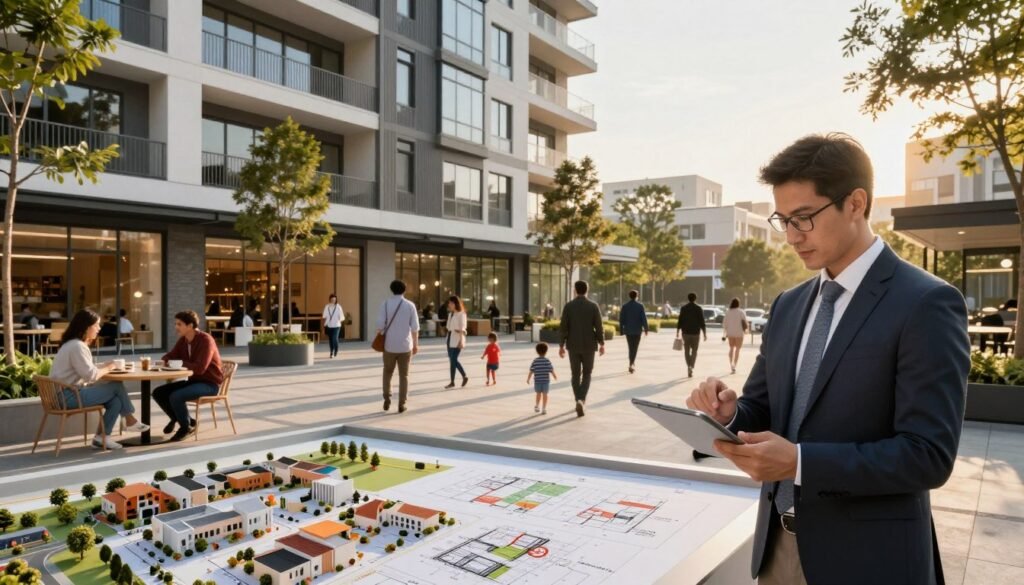
Technology is making lease-ups faster and better. Virtual tours and digital marketing help reach more people. A report shows virtual tours speed up leasing by 30%.
Data analytics also play a big role. They help find the right tenants and improve marketing.
Evolving Lender Expectations Post-Pandemic
Lenders are now more careful. They focus on risk and financial stability. They want detailed plans and stress tests.
A financial expert says, “Lenders want to see clear financial plans and a solid stabilization strategy.” This shows the need for good financial models and backup plans.
“The future of mixed-use development lies in the ability to adapt to changing market conditions and lender expectations.” – Industry Expert
New Financial Products for Mixed-Use Developments
New financial tools are coming for mixed-use projects. Mezzanine financing and preferred equity give developers more options. These tools help deal with the challenges of mixed-use projects.
As mixed-use projects grow, keeping up with trends is crucial. Using tech, understanding lenders, and new financial tools can make projects stable and successful.
Conclusion
Effective mixed-use financing strategies are key during the lease-up period. They impact a project’s success and stability. Understanding the financial challenges of mixed-use developments helps developers navigate the lease-up phase.
Bridge loans and interest reserves offer financial support. Bridge loans provide temporary funding for initial costs until the project stabilizes. Interest reserves manage cash flow by covering interest payments during lease-up.
A good financing plan is vital for success. It combines traditional and specialized financing approaches. Layered capital stack solutions and phased financing structures help manage risks and ensure success.
In summary, stabilizing mixed-use projects needs careful planning and the right financing strategies. Using bridge loans and interest reserves helps developers achieve long-term success. This leads to thriving mixed-use developments.