
Construction financing is a short-term, specialized funding mechanism designed to cover the land acquisition, labor, materials, and development costs associated with building or renovating commercial property. Securing a commercial construction loan can stall your project before it starts if you are not fully prepared. Missing key documents like the draw schedule or site permits can delay lender approvals and increase total project costs. This guide breaks down what developers and investors need to know to secure construction loans quickly and confidently.
Preparing for Construction Financing

Preparing thoroughly before approaching commercial lenders saves time, lowers capital costs, and reduces project stress. Explore our secure commercial real estate financing roadmap to understand how capital structuring impacts project delivery.
Understand Key Loan Terms
Knowing fundamental underwriting metrics is essential when negotiating loan terms:
- Loan-to-Cost (LTC): The ratio of the requested loan amount relative to total construction and development costs.
- Loan-to-Value (LTV): The ratio comparing the loan amount to the market value of the completed, fully stabilized property.
Understanding these terms ensures you know how much equity you need to contribute upfront, preventing surprise cash shortages during underwriting.
Compile Essential Documents
Gathering documentation early streamlines lender due diligence. Important files include:
- Detailed project pro forma detailing expected costs and projected net operating income (NOI).
- Draw schedule mapping out exact disbursement timelines.
- Title insurance, boundary survey, and zoning permits.
- Phase I Environmental Site Assessment (ESA).
- Builder’s risk insurance policy.
Having an organized documentation package can shorten approval timelines by several weeks.
Choose the Right Loan Type
Select a financing structure tailored to your risk tolerance and construction timeline. Underwriters typically offer recourse loans (where the borrower guarantees repayment personally) or non-recourse loans (where liability is tied strictly to the property collateral). You must also decide between traditional bank construction loans or short-term bridge financing for rapid capital deployment. Learn more about market options in our commercial real estate financing guide.
Streamlining the Construction Financing Approval Process

Once preliminary documents are assembled, focus on optimizing your financial package to secure rapid approval and favorable interest rates.
Build a Strong Financial Profile
Commercial lenders prioritize guarantor liquidity and net worth to gauge credit risk. Present a transparent balance sheet demonstrating clean liquidity, manageable debt-to-income metrics, and a proven track record of completing similar projects on schedule.
Optimize Project Pro Forma
Your pro forma is a detailed projection of construction expenses, lease-up periods, and operational income. For detailed guidelines on financial underwriting criteria, consult the Investopedia guide to construction loans. Ensure line items account for pre-development, ground-up construction, and post-completion stabilization.
Establish a Clear Draw Schedule
A draw schedule outlines the step-by-step disbursement of loan funds linked directly to verifiable construction milestones. Establishing precise inspection triggers and draw requests prevents funding gaps during major building phases.
Mitigating Risks and Delays
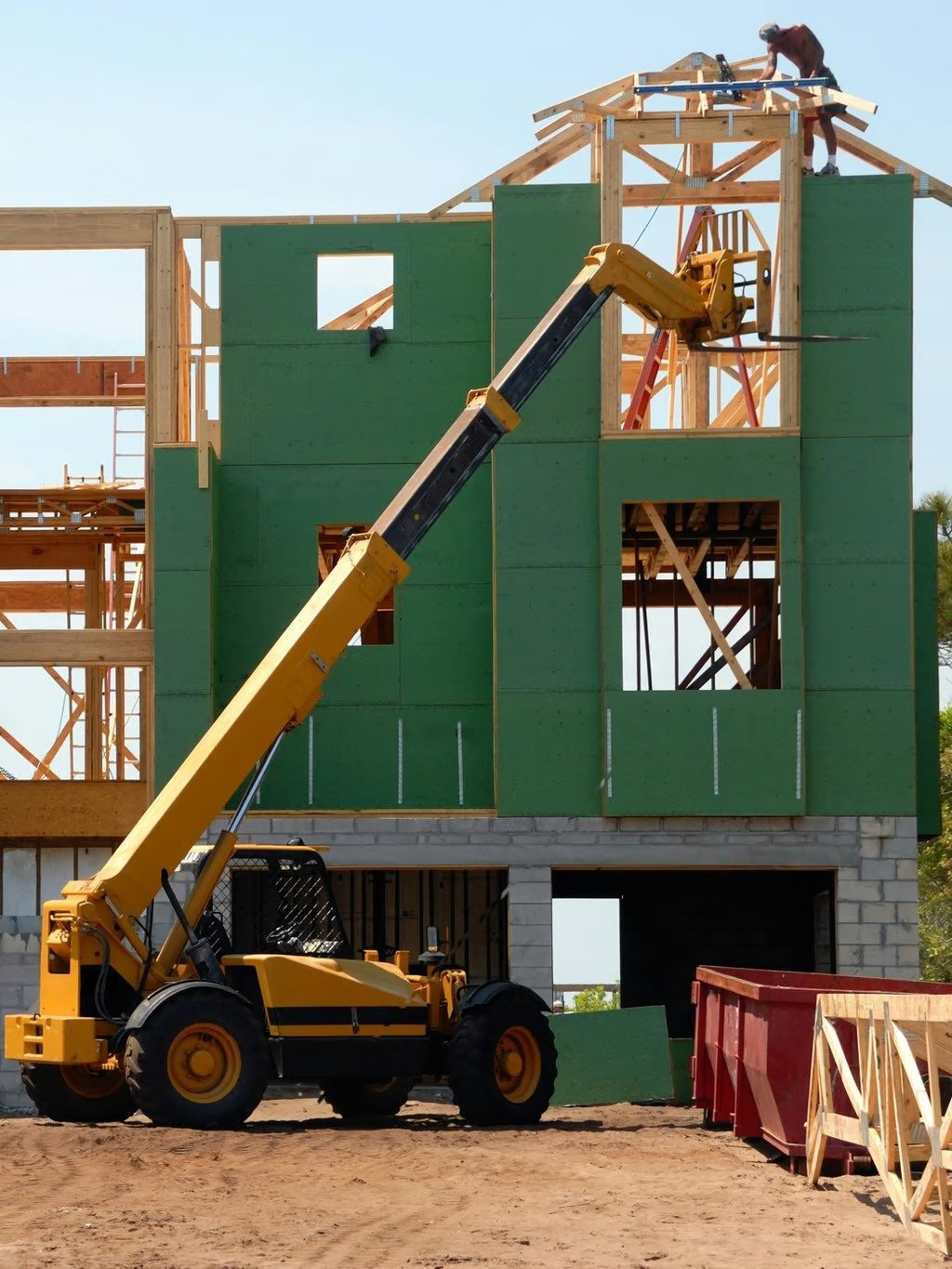
Proactively managing regulatory and operational risks prevents costly project halts and loan defaults.
Secure Necessary Permits and Entitlements
Unresolved zoning approvals or missing building permits frequently stall funding disbursements. Verify local municipal land-use codes early to secure all required permits prior to closing.
Finalize General Contractor Agreement
Formalize a robust contract with an experienced general contractor. The agreement should clearly define project scope, completion guarantees, labor costs, and procedures for handling change orders and budget variances.
Plan for Contingencies and Cost Overruns
Include a hard contingency reserve (typically 5% to 10% of total construction costs) within your capital stack to cover unexpected material price spikes, weather interruptions, or supply chain bottlenecks.
Frequently Asked Questions
What is the difference between loan-to-cost (LTC) and loan-to-value (LTV)?
LTC calculates the loan amount relative to total hard and soft development costs. LTV measures the loan amount against the estimated completed appraisal value of the property.
Why is a project pro forma important for construction loans?
A project pro forma demonstrates financial viability by projecting detailed construction costs, revenue expectations, and debt service coverage capabilities for commercial lenders.
How do draw schedules work in construction financing?
Draw schedules release funds in stages as specific construction milestones are completed and verified by third-party inspectors, ensuring capital is aligned with actual progress.