
In short
A fix-and-flip loan is short-term financing for buying an investment property, paying for approved renovations and repaying the balance through a sale or refinance. The right loan is not simply the one with the highest stated leverage. It must leave enough cash for closing, construction overruns, holding costs and a credible exit before the maturity date.
- A fix-and-flip loan may fund the purchase and renovation in separate parts: an initial advance and a rehabilitation holdback.
- LTC measures loan proceeds against total project cost, while ARV measures proceeds against the property's estimated value after renovation.
- The borrower contribution is more than a down payment because it can include closing costs, reserves, uninsured repairs and costs above the approved budget.
- Draw timing matters because contractors and suppliers may need payment before the lender releases the next rehabilitation draw.
- A resale plan and a refinance plan should be tested before closing because short-term financing usually has a defined maturity date.
Table of contents
- What is a fix n flip loan?
- How does a fix-and-flip loan pay for the purchase and renovation?
- How do LTC, LTV and ARV change the amount you can borrow?
- How much do you have to put down on a fix and flip loan?
- What does a fix-and-flip loan really cost?
- What do lenders review before approving a house-flip loan?
- How do draws, deadlines and the exit plan affect the deal?
- Are fix and flip loans worth it?
- Frequently asked questions about fix-and-flip-loans
- What should you do before submitting a fix-and-flip loan request?
A house flip ties together two budgets that are easy to underestimate: the money required to buy the property and the money required to make it sale-ready. Financing can support both, but the loan terms must be read alongside the scope of work, contractor schedule, resale assumptions and fallback plan if the property does not sell on time.
What is a fix n flip loan?
A fix n flip loan is a short-term real estate investment loan used to acquire a property, renovate it and repay the loan through resale or refinance. It is designed around a transitional project, not around decades of owner occupancy or long-term rental income.
The phrase can describe several structures, including private asset-based financing, bridge-style financing and certain renovation loans. A hard money loan for a house flip is commonly used to describe a private, property-secured loan, but labels do not tell you the actual terms. The note, term sheet and draw agreement do.
Unlike a standard long-term mortgage, a fix-and-flip loan is built around a defined value-creation period. The lender will generally want to understand the purchase basis, planned work, projected after-repair value, borrower liquidity and intended repayment event.
That means the property is not merely collateral. The property, budget and timeline are the underwriting story.
A fix-and-flip loan should be treated as project financing, where the purchase, renovation schedule and exit are inseparable.
How does a fix-and-flip loan pay for the purchase and renovation?
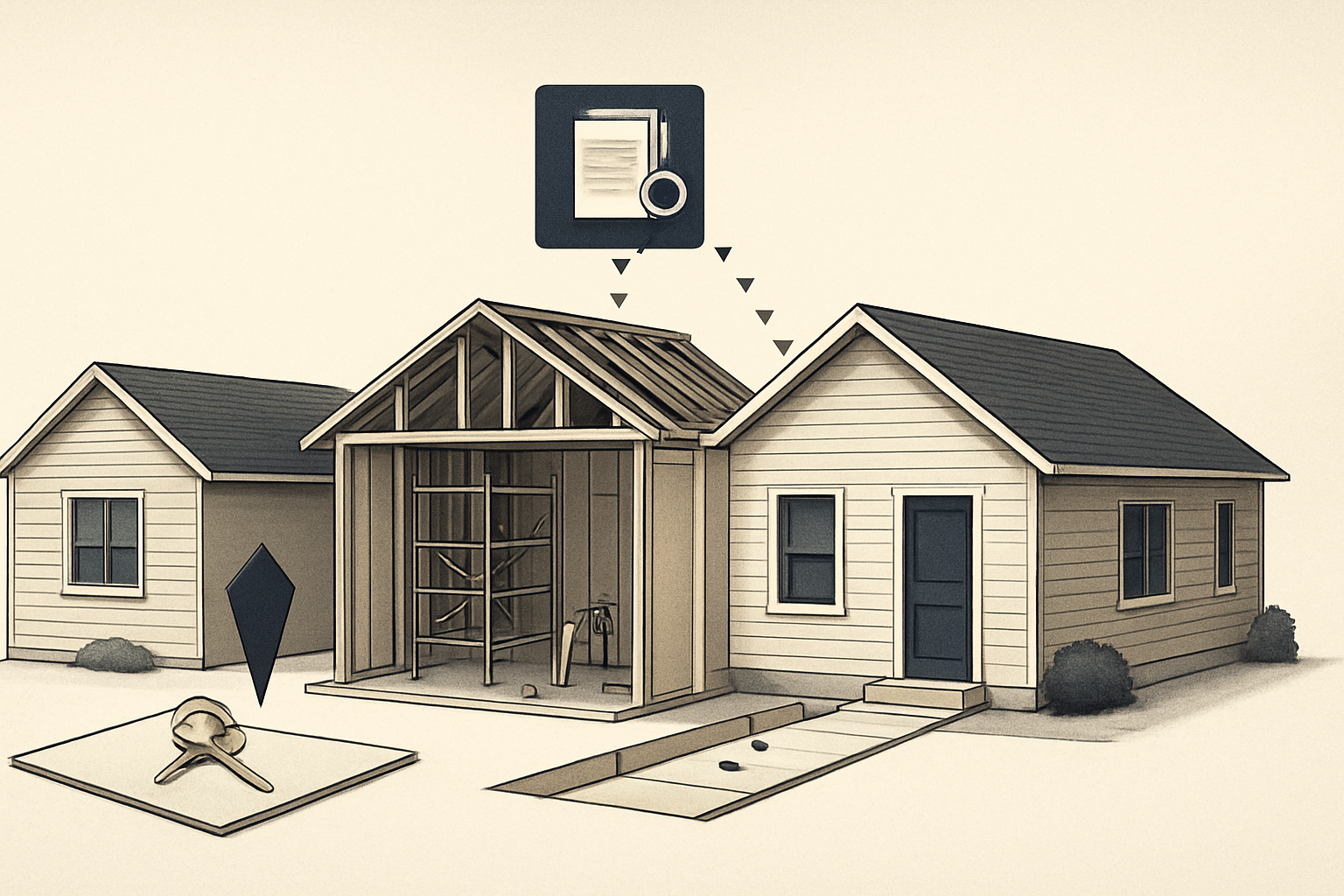
Many fix-and-flip loans divide proceeds into an initial advance for acquisition and a rehabilitation holdback for approved work. The purchase advance is available at closing, while the rehab holdback is normally released in draws as documented work is completed.
The separation protects both sides. The borrower does not have to finance every approved repair from cash on day one, and the lender does not release the full renovation allocation before the property work exists.
A typical sequence looks like this:
- Closing: The initial advance funds part of the purchase price, subject to the lender's approved structure. The borrower brings the remaining required cash and closing funds.
- Renovation work: The borrower completes a portion of the approved scope, usually using available project cash, trade credit or prior draw proceeds.
- Draw request: The borrower submits the lender's required evidence, which may include invoices, photos, lien waivers, inspection access or a draw request form.
- Inspection and release: The lender confirms work under its process and releases eligible funds from the rehab holdback.
- Exit: The property is sold or refinanced, and the loan balance, accrued interest and any other amounts due are repaid.
The draw agreement deserves as much attention as the interest rate. Ask how the first draw works, who orders inspections, what each inspection costs, what documents are required, whether there is a minimum draw amount, how long releases normally take and whether retainage applies.
For a major structural project or a long repositioning period, compare the scope with broader renovation financing options before assuming a short-term house-flip loan is the right tool.
Rehab proceeds are useful only when their release schedule matches the way the job must actually be paid.
How do LTC, LTV and ARV change the amount you can borrow?
LTC, LTV and ARV are separate measurements that can limit the loan amount in different ways. A lender may size a fix-and-flip loan using more than one test, so the lower permitted result can control the final proceeds.
LTC, or loan-to-cost, compares loan proceeds with total project cost. A simple version is:
Loan amount ÷ (purchase price + approved rehab budget) = LTC
LTC matters because it shows how much of the acquisition-and-rehabilitation plan the lender will finance. It does not eliminate the need for borrower cash, because costs outside the approved project budget may remain the borrower's responsibility.
LTV, or loan-to-value, compares the loan amount with the property's current value or purchase value. In a distressed purchase, the appraisal, valuation method or approved purchase basis can materially affect this test.
ARV, or after-repair value, is the estimated value after the planned work is complete. An ARV cap limits proceeds based on what the property is expected to be worth after renovation, not simply on what the investor hopes to sell it for.
ARV is an underwriting estimate, not a promise that a buyer will pay that amount. A realistic ARV should be supported by relevant comparable sales, property condition, market timing and the finished product a buyer will actually see.
A strong deal can still receive less financing than expected if the rehab budget is weak, the comparable sales do not support the ARV or the lender uses a more conservative valuation conclusion. Build the offer around verified numbers before committing to a purchase contract.
The usable loan amount is the amount that survives every lender sizing test, not the highest percentage mentioned in a marketing headline.
How much do you have to put down on a fix and flip loan?

The cash required for a fix-and-flip loan is deal-specific, and it is usually larger than a single down-payment percentage. The borrower may need funds for the acquisition gap, closing costs, prepaid items, early construction expenses, reserves and any repairs that exceed the approved budget.
Start with this question instead: What cash must be available before the first rehab draw arrives? That number is more useful than asking only about a down payment.
A careful cash plan includes:
- The portion of the purchase price not covered by the initial loan advance.
- Lender fees and third-party closing costs disclosed for the transaction.
- Insurance, taxes, utilities, association dues and property security during the hold period.
- Contractor mobilization costs, deposits and materials that must be paid before reimbursement.
- A contingency reserve for unforeseen repairs, permit delays or scope changes.
- Interest payments if the loan requires monthly debt service.
- Sale costs, including the cost to prepare, market and transfer the property.
Do not treat the full rehab holdback as your contingency reserve. The holdback is generally tied to an approved scope, and a change order can create a cash need that the original loan budget does not cover.
A borrower contribution is safest when it covers the closing gap and still leaves a reserve for the costs the lender will not fund or will not fund immediately.
What does a fix-and-flip loan really cost?
The cost of a fix-and-flip loan includes more than the stated interest rate. The true cost is the combined effect of interest, lender charges, third-party closing costs, draw-related charges, extension terms and the length of time the property remains unsold.
Review these categories before accepting a term sheet:
- Interest and payment structure: Confirm whether payments are interest-only, whether interest is collected monthly or otherwise structured, and when the principal balance is due.
- Origination points and lender fees: Request an itemized description of each charge and when it is paid.
- Third-party costs: Appraisal or valuation, title, escrow, legal, recording, insurance and inspection expenses can be material.
- Draw charges: A draw may involve an inspection fee, administrative fee or minimum release amount.
- Extension provisions: Ask whether an extension is available, what it costs, what conditions apply and whether it must be requested before maturity.
- Default provisions: Understand late fees, default interest, cure periods and the consequences of missed insurance, tax or payment obligations.
A balloon payment is the large final payment due at the end of a loan term. The Consumer Financial Protection Bureau explains that a balloon payment can be a significant final amount and requires a realistic plan for repayment, sale or refinance. Read the CFPB's August 2026 balloon-payment explanation. (consumerfinance.gov)
A low monthly payment does not make a project inexpensive if the loan balance, fees and carrying costs create a difficult payoff at maturity.
The financing cost that matters is the all-in cost of getting from purchase closing to a successful exit, including the cost of delay.
What do lenders review before approving a house-flip loan?
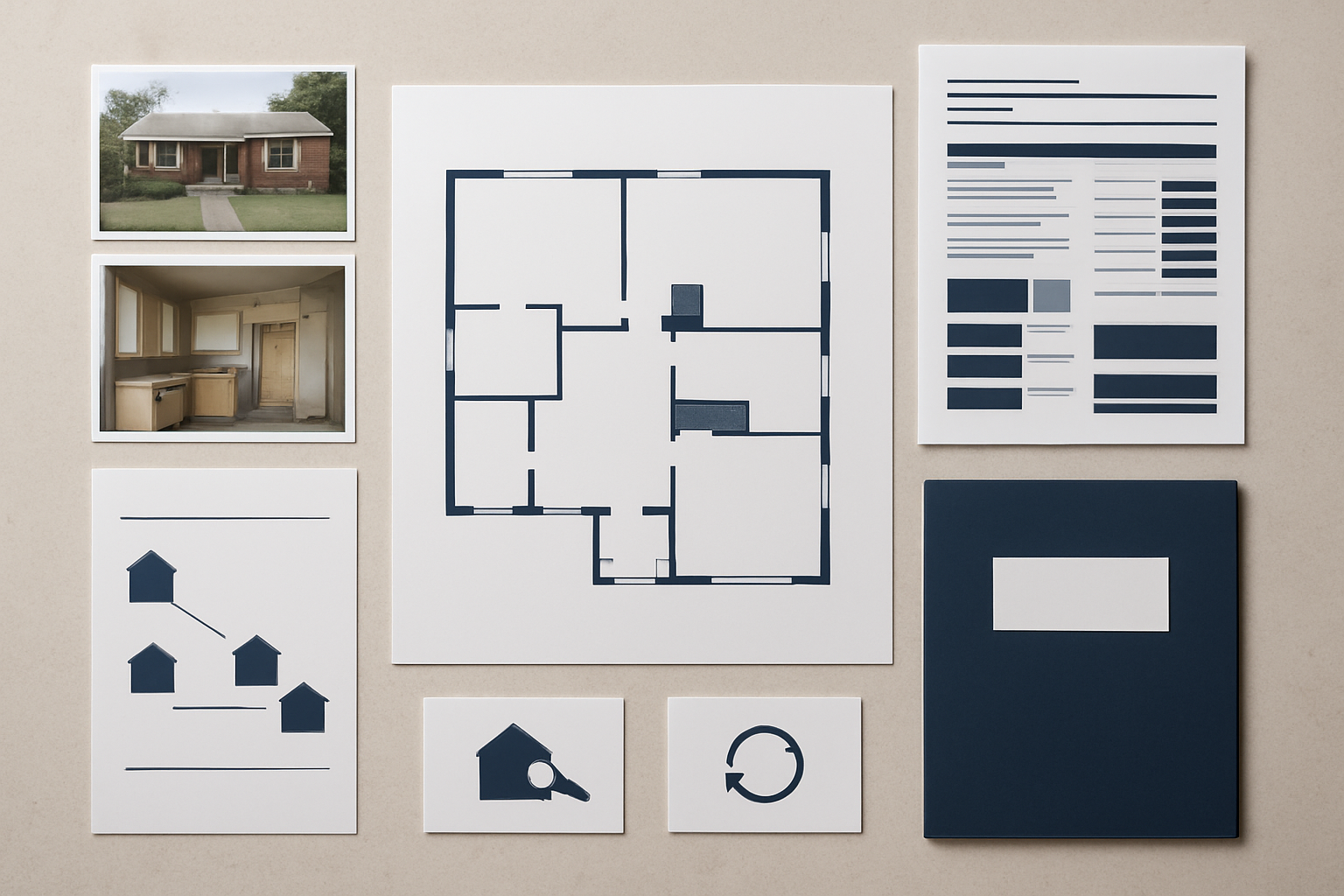
Lenders generally review the property, the project budget, the borrower and the proposed exit because each can affect repayment. Requirements differ by lender and transaction, so no legitimate guide can promise approval based on one credit score, experience level or leverage figure.
A lender may ask for some combination of the following:
- Purchase contract, property address and settlement timeline.
- Scope of work with line-item costs, contractor information and expected completion date.
- Comparable sales and an ARV rationale.
- Photos, inspection information, appraisal or valuation materials.
- Entity documents, identification and organizational records.
- Evidence of available funds for the required contribution, reserves and interest payments.
- Credit, liquidity, real estate experience or prior project information, depending on the program.
- A clear plan to sell or refinance the property.
The most useful package is internally consistent. If the scope calls for major layout changes but the budget allows only cosmetic work, underwriting will slow down. If the planned sale price requires a premium finish while the budget supports entry-level materials, the ARV story is weak.
Prepare the request as a concise investment memo: what you are buying, why the basis makes sense, what work will be done, how much it costs, when it will finish and how the loan will be repaid.
Lenders can evaluate imperfect properties, but they cannot underwrite an incomplete or internally contradictory plan.
How do draws, deadlines and the exit plan affect the deal?
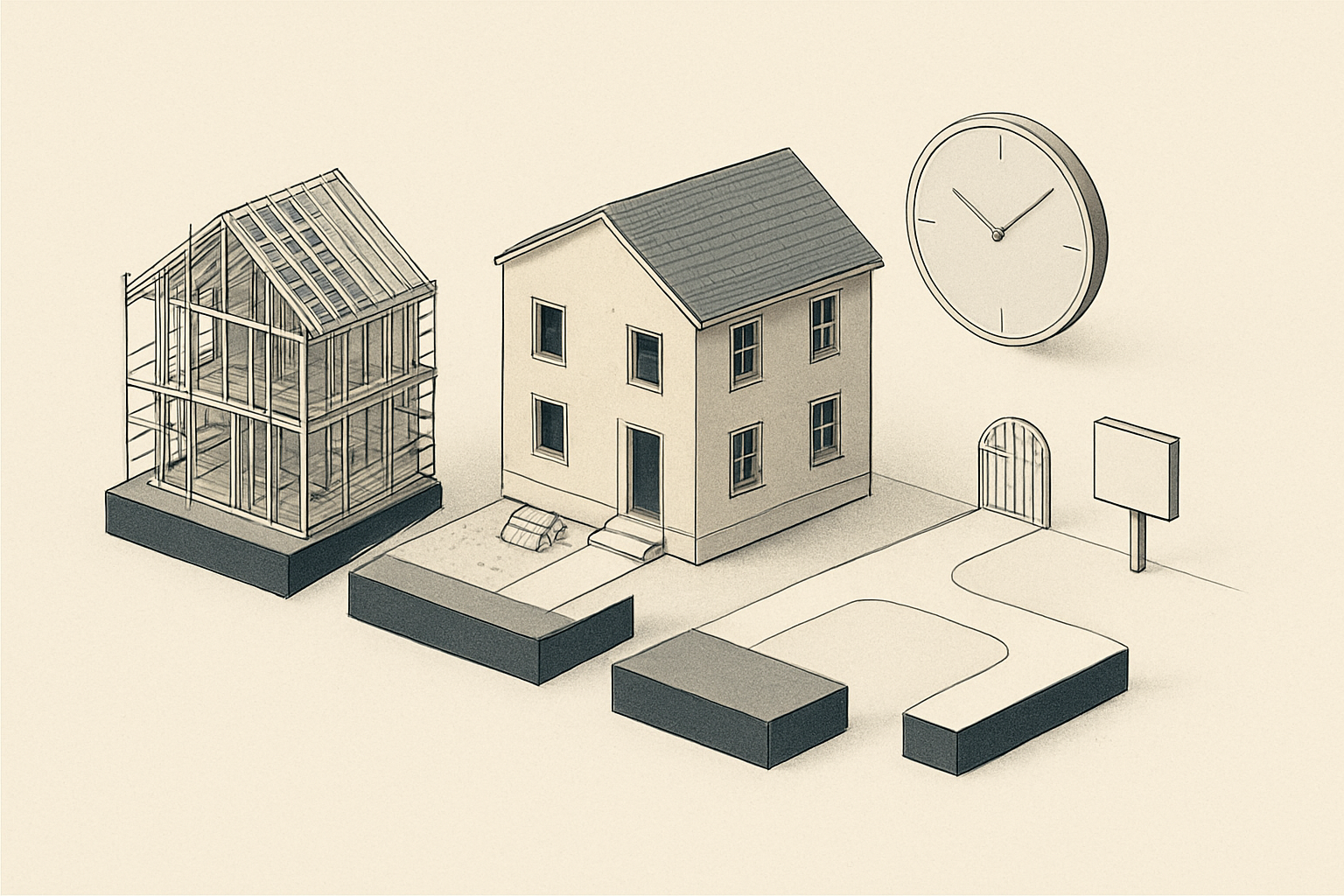
Draws and maturity dates can decide whether a profitable-looking flip has enough liquidity to reach completion. The exit plan matters from the first underwriting conversation because the loan is normally repaid in full when the property sells or is refinanced.
A reliable schedule starts with the work that unlocks the next stage of construction, not with a broad completion date. Permits, contractor availability, utility work, inspections, material lead times and weather can all affect the moment when a draw becomes available.
Before closing, test two exits.
Primary exit: sale. Estimate the likely listing window, market time, buyer financing risk, closing costs and how long the property can carry if the first contract fails. Do not base the payoff plan on the highest nearby listing. Use supportable sold comparables and a conservative timeline.
Backup exit: refinance into a rental loan. If the property could operate as a rental, determine early whether projected rent, property condition, title status and value could support a refinance. Investors who decide to hold rather than sell may need a longer-term DSCR financing path that evaluates the income-producing property differently from a short-term renovation loan.
A bridge structure can also overlap with a rehabilitation project when the key issue is a short, time-sensitive gap before a defined capital event. Review when bridge financing may fit a property transition instead of relying on product labels alone.
Tax treatment should also be reviewed with a qualified tax professional before the sale. The IRS states that real property held primarily for sale to customers in the ordinary course of a trade or business is not a capital asset, and the correct treatment depends on the facts of the investor's activity. See IRS Publication 544 for the applicable distinction. (irs.gov)
A flip is not fully financed until the borrower can explain how the balance will be repaid if the first sale timeline slips.
Are fix and flip loans worth it?
Fix and flip loans can be worth the cost when short-term financing lets an investor buy, improve and exit a property within a conservative budget and timeline. They are not worth it when the projected profit depends on perfect construction performance, an unsupported ARV or a sale that must happen before any delay is possible.
The decision is less about whether the loan rate is high or low in isolation. It is about whether financing helps produce a return after every project cost is included.
A practical test is to calculate the deal after allowing for:
- A lower sale price than the optimistic ARV.
- A longer construction and marketing period than planned.
- An increase in repair costs or a change in scope.
- Interest, fees and property carrying costs through the extended timeline.
- Resale expenses and taxes appropriate to the investor's circumstances.
If the project only works under the most optimistic version of every assumption, the financing may be amplifying risk rather than creating an opportunity. If it remains viable after realistic stress testing, short-term financing can preserve capital for other investments and make a time-sensitive acquisition possible.
A fix-and-flip loan is worth considering only when the property still has a believable margin after the budget, timeline and exit plan are made less optimistic.
Frequently asked questions about fix-and-flip loans
Are fix and flip loans worth it?
Fix-and-flip loans can be worthwhile when the expected resale or refinance proceeds cover the purchase, renovations, financing charges, holding costs and sale costs with room for delays or overruns. A house flip that works only at an aggressive ARV or an exact completion date has a thin margin and higher financing risk.
How much do you have to put down on a fix and flip loan?
The required cash on a fix-and-flip loan depends on the approved purchase advance, rehab holdback, closing costs, lender requirements and project reserves. Investors should calculate cash to close plus enough liquidity to start work, carry the property and cover costs that are not approved for reimbursement through rehabilitation draws.
What is a fix n flip loan?
A fix n flip loan is short-term property-secured financing used to buy, renovate and then sell or refinance an investment property. A fix n flip loan may provide an acquisition advance at closing and reserve approved renovation funds for draws after documented work is completed.
How long do fix and flip loans last?
Fix-and-flip loan terms vary by lender, borrower profile, property condition and project scope, but they are designed for a short, defined transition rather than permanent ownership. Before signing, confirm the maturity date, monthly payment requirements, extension options, extension fees and the exact amount due at payoff.
The right answer to a fix-and-flip loan question is always tied to the property budget, the draw rules and the repayment plan in the actual loan documents.
What should you do before submitting a fix-and-flip loan request?
Before requesting a fix-and-flip loan, prepare one consistent file that shows the purchase basis, scope of work, budget, ARV support, available cash and two repayment paths. A clean package helps a lender or broker identify financing structures that fit the project instead of forcing the project into an unsuitable loan.
Bring these items to the first financing discussion:
- The purchase contract and target closing date.
- A line-item rehabilitation budget with contractor bids where available.
- Recent comparable sales supporting the ARV.
- Current photos, inspection reports and known property issues.
- A cash schedule showing closing funds, early project expenses and reserves.
- A sale plan and, where relevant, a refinance plan.
- Questions about interest, draws, inspections, extension provisions and payoff requirements.
For a loan to flip a house, the most valuable early conversation is one that tests the structure against the real project timeline. Request a financing conversation with Thorne CRE when the purchase, scope, borrower contribution and exit plan are ready to review.
The best time to identify a financing gap is before the purchase contract makes the timeline non-negotiable.