
Business Property Financing & Real Estate Insights
Business property financing refers to commercial debt structures—such as SBA 504 loans, SBA 7(a) programs, and conventional mortgages—used by company owners to acquire, expand, or refinance owner-occupied real estate.
Navigating Owner-Occupied Commercial Real Estate
Securing the right capital structure for business property allows company leaders to build long-term equity rather than paying ongoing lease payments. When evaluating financing for commercial space, business owners typically analyze down payment requirements, loan-to-value (LTV) ratios, and interest rate stability. Knowing when your business is ready for a commercial mortgage helps determine whether government-backed funding or private commercial financing best fits your growth objectives.
Featured Business Property Articles
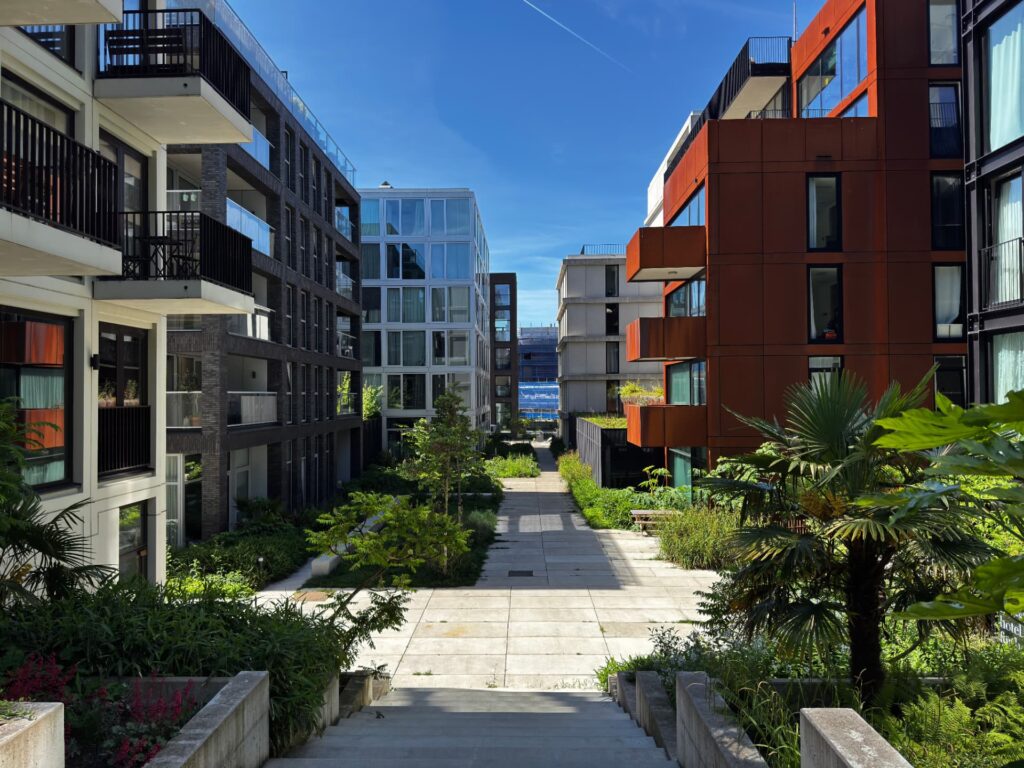
Are There Reliable Loans for Buying Business Property?
Yes, SBA 504 and 7(a) loans offer reliable business property financing up to 90% LTV with 25-year terms. Compare rates, eligibility requirements, and down payment options to choose the right path for your acquisition.
Key Financing Structures for Business Real Estate
Choosing between government-guaranteed programs like the U.S. Small Business Administration (SBA) loan programs and traditional bank debt depends on capital reserves, timeline requirements, and personal guarantee preferences. For specialized guidance on how tailored commercial mortgages drive strategic business growth, entrepreneurs evaluate structural terms such as non-recourse vs. recourse commercial loans to manage asset exposure effectively.
Frequently Asked Questions About Business Property Loans
What qualifies as an owner-occupied business property?
An owner-occupied business property typically requires the borrowing entity or operating company to occupy at least 51% of the total square footage for existing facilities, or 60% for new commercial construction.
What is the maximum repayment term for commercial property loans?
SBA 504 and 7(a) loans feature repayment terms up to 25 years for real estate, fully amortizing without balloon payments. Conventional commercial mortgages usually range from 10 to 25 years.