
Forget rigid loan options that stall your project before it starts. Developers and real estate investors need construction financing that adapts to their project timeline and cash flow needs. From ground-up construction loans to value-add renovation loans, flexible financing opens doors to faster decisions and clearer operational milestones.
What Is Flexible Construction Financing?
Flexible construction financing refers to customizable loan structures—such as ground-up construction loans, interest-only draw structures, credit lines, and bridge funding—that align disbursement schedules and repayment terms with a project’s actual build timeline rather than rigid calendar dates.
Understanding Flexible Financing Options
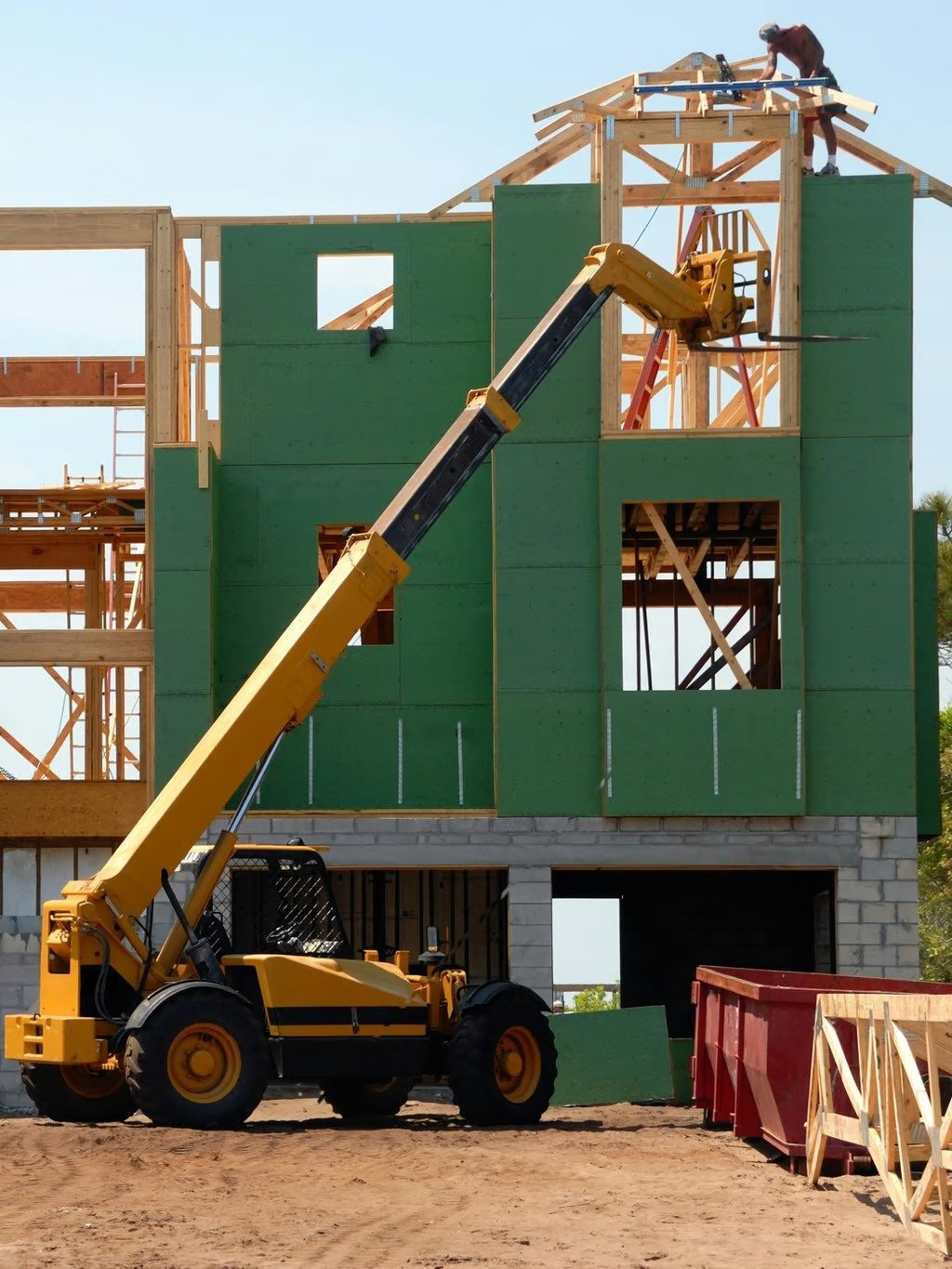
Diving into flexible financing is your first step towards smarter capital deployment. It is about finding the right mix of loan products tailored to your project’s unique requirements and long-term exit strategy. Learning commercial real estate financing fundamentals helps you select the best path early on.
Types of Construction Loans
When building from the ground up, having access to tailored funding is crucial. Ground-up construction loans are ideal for new developments, focusing heavily on the property’s projected completion value. If you are improving an existing structure, value-add renovation loans provide funds specifically to enhance property value, helping ensure a profitable outcome while maintaining cash liquidity.
Renovation Financing and Interest-Only Options
Taking on a commercial makeover? Renovation loans cover everything from minor capital improvements to major structural overhauls. These loans are structured around your budget and scope of work.
You can also utilize interest-only construction loans to keep initial debt service low during the build phase. You pay only interest on drawn funds while construction is underway. Once work is complete, the debt transitions into long-term permanent financing or a traditional mortgage.
Tailored Loan Solutions
Custom financing solutions give developers personalized terms that match specific construction draws and lease-up periods. By choosing tailored solutions, every dollar works toward project completion while avoiding unnecessary interest expenses on unused funds.
Comparing Commercial Financing Options

Evaluating available capital structures helps you choose the right balance between speed, cost, and risk management.
Bridge Loans for Real Estate
Short-term bridge loans provide immediate liquidity during acquisition or renovation phases. They bridge the financial gap between property purchase, stabilization, and permanent financing, allowing developers to execute quick acquisitions in competitive markets.
Debt Service Coverage Ratio (DSCR) Loans
For income-producing properties, DSCR loans evaluate the property’s rental revenue rather than personal borrower income. Lenders assess debt service coverage to gauge financial viability, making these loans a strong fit for stabilized or stabilizing multi-tenant assets.
Credit Lines for Construction Cash Flow
Revolving construction credit lines allow developers to draw funds as costs arise and repay as revenue comes in. Utilizing credit lines for cash flow ensures ongoing liquidity for unpredicted change orders, payroll, and contractor draws without re-applying for financing.
Engaging with Financial Experts

Partnering with experienced advisors simplifies complex lending landscapes and secures competitive interest rates and terms.
Benefits of Commercial Mortgage Brokers
Commercial mortgage brokers analyze multiple lending programs to find optimal loan structures. They negotiate terms on your behalf, help navigate underwriting requirements, and connect projects with private lenders, banks, or programs like the U.S. Small Business Administration (SBA).
Nationwide Commercial Lending Support
Working with nationwide lenders enables developers to expand into growth markets beyond local geography. A broad network provides consistent loan execution regardless of project location.
Fast Commercial Loans and Flexible Terms
Timing can make or break a deal. Fast commercial loan execution ensures capital is ready when contractors and property acquisitions demand it, preventing costly project delays.
Frequently Asked Questions
What is the difference between a ground-up loan and a renovation loan?
Ground-up loans fund construction from raw land or complete teardowns, while renovation loans fund repairs, retrofits, and value-add upgrades to existing commercial structures.
How do interest-only construction draws work?
During construction, borrowers pay interest only on the amount of capital drawn to date, minimizing initial monthly debt payments until project completion.