
Executive Summary
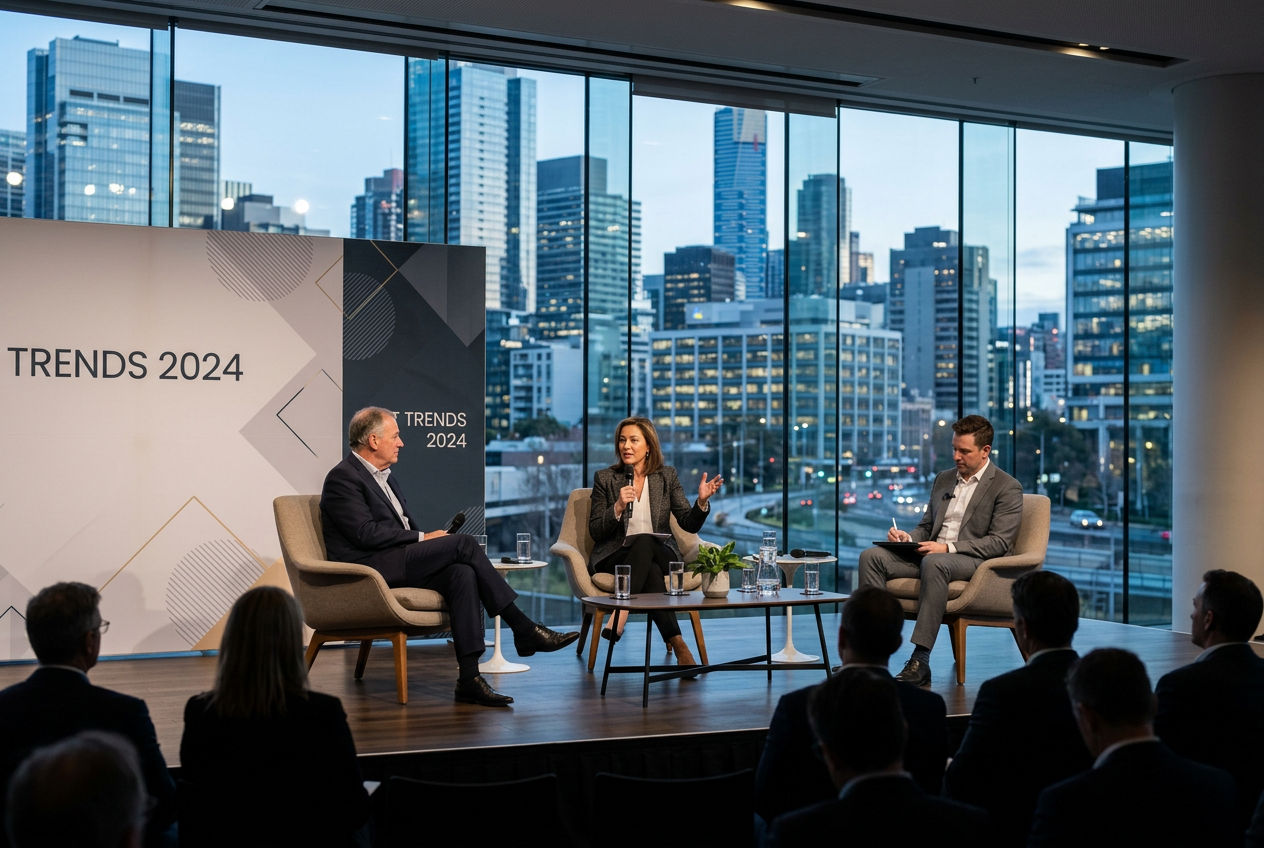
The commercial real estate (CRE) market in 2024 is characterized by a complex interplay of high interest rates, evolving tenant demands, and technological advancements. While some sectors face headwinds, others present significant opportunities for strategic investment and development. Thorne CRE identifies resilience in industrial and niche retail, alongside a continued re-evaluation of office space utilization.
Key Market Trends
Interest Rate Environment and Capital Markets
- Sustained High Rates: The Federal Reserve’s stance on inflation has kept interest rates elevated, impacting borrowing costs and deal velocity. This has led to a flight to quality and a preference for well-capitalized sponsors.
- Debt Market Tightening: Lenders are exercising increased caution, leading to stricter underwriting standards and reduced loan-to-value ratios. Alternative financing sources are gaining traction.
- Cap Rate Expansion: Increased borrowing costs and economic uncertainty are driving cap rates upward across most asset classes, creating potential entry points for long-term investors.
Sector-Specific Performance
Office Sector: Reimagining the Workplace
- Flight to Quality: Demand remains strong for Class A properties with modern amenities, flexible layouts, and sustainability features. Older, less amenitized buildings face higher vacancy rates and pressure for conversions.
- Hybrid Work Models: The prevalence of hybrid work continues to reshape office demand, emphasizing collaborative spaces and reduced individual footprints.
- Adaptive Reuse: Conversions of underperforming office buildings into residential, lab, or mixed-use properties are increasing, particularly in urban centers.
Industrial Sector: Continued Strength with Nuances
- E-commerce Driven Demand: The growth of e-commerce and supply chain optimization continues to fuel demand for logistics, distribution, and last-mile facilities.
- Vacancy Uptick: While still robust, some markets are experiencing a slight increase in industrial vacancy as new supply comes online, leading to more balanced market conditions.
- Specialized Facilities: Cold storage, data centers, and advanced manufacturing facilities are experiencing strong investor interest due to specialized requirements and high barriers to entry.
Retail Sector: Resilience and Reinvention
- Experience-Oriented Retail: Retail centers offering experiential components, dining, and entertainment are outperforming traditional retail.
- Necessity-Based Retail: Grocery-anchored centers and properties with essential service tenants demonstrate strong stability.
- Omnichannel Integration: Retailers are increasingly leveraging physical stores as part of an integrated omnichannel strategy, including buy online, pick up in-store (BOPIS) capabilities.
Multifamily Sector: Demand Meets Affordability Challenges
- Persistent Demand: Demographic shifts and high single-family home prices continue to drive strong demand for rental housing.
- Affordability Constraints: Rent growth is moderating in many markets due to affordability concerns and increased supply, particularly in Sun Belt regions.
- Build-to-Rent: The build-to-rent single-family housing segment is experiencing significant growth, offering an alternative to traditional multifamily and single-family ownership.
Emerging Opportunities and Challenges
Challenges
- Inflationary Pressures: Rising construction costs, insurance premiums, and labor expenses continue to challenge development and operational budgets.
- Regulatory Environment: Evolving zoning laws, environmental regulations, and rent control measures can impact development feasibility and investment returns.
- Geopolitical Uncertainty: Global economic and political instability can influence investor sentiment and capital flows into CRE.

Opportunities
- Distressed Asset Acquisitions: The current market environment may present opportunities for acquiring distressed or underperforming assets at favorable valuations.
- Sustainability and ESG Integration: Properties with strong Environmental, Social, and Governance (ESG) credentials are attracting premium valuations and a wider pool of investors.
- PropTech Adoption: Leveraging property technology (PropTech) for efficiency, tenant experience, and data analytics offers a competitive advantage.
- Niche Sectors: Healthcare real estate (medical offices, senior living), student housing, and specialized data centers offer defensive characteristics and growth potential.
Thorne CRE’s Outlook
Thorne CRE anticipates a period of continued market recalibration throughout 2024. While challenges persist, strategic investors with a long-term view and a focus on fundamental value will find compelling opportunities. Our expertise in navigating complex capital structures, identifying undervalued assets, and providing tailored financing solutions positions our clients for success in this dynamic environment.
We advise clients to prioritize:
- Robust Due Diligence: Thorough analysis of market fundamentals, tenant credit, and property-level financials.
- Flexible Capital Strategies: Accessing diverse financing sources and structuring adaptable debt solutions.
- Proactive Asset Management: Optimizing property performance through strategic improvements, tenant retention, and cost control.
- ESG Integration: Incorporating sustainability practices to enhance asset value and meet investor demands.