
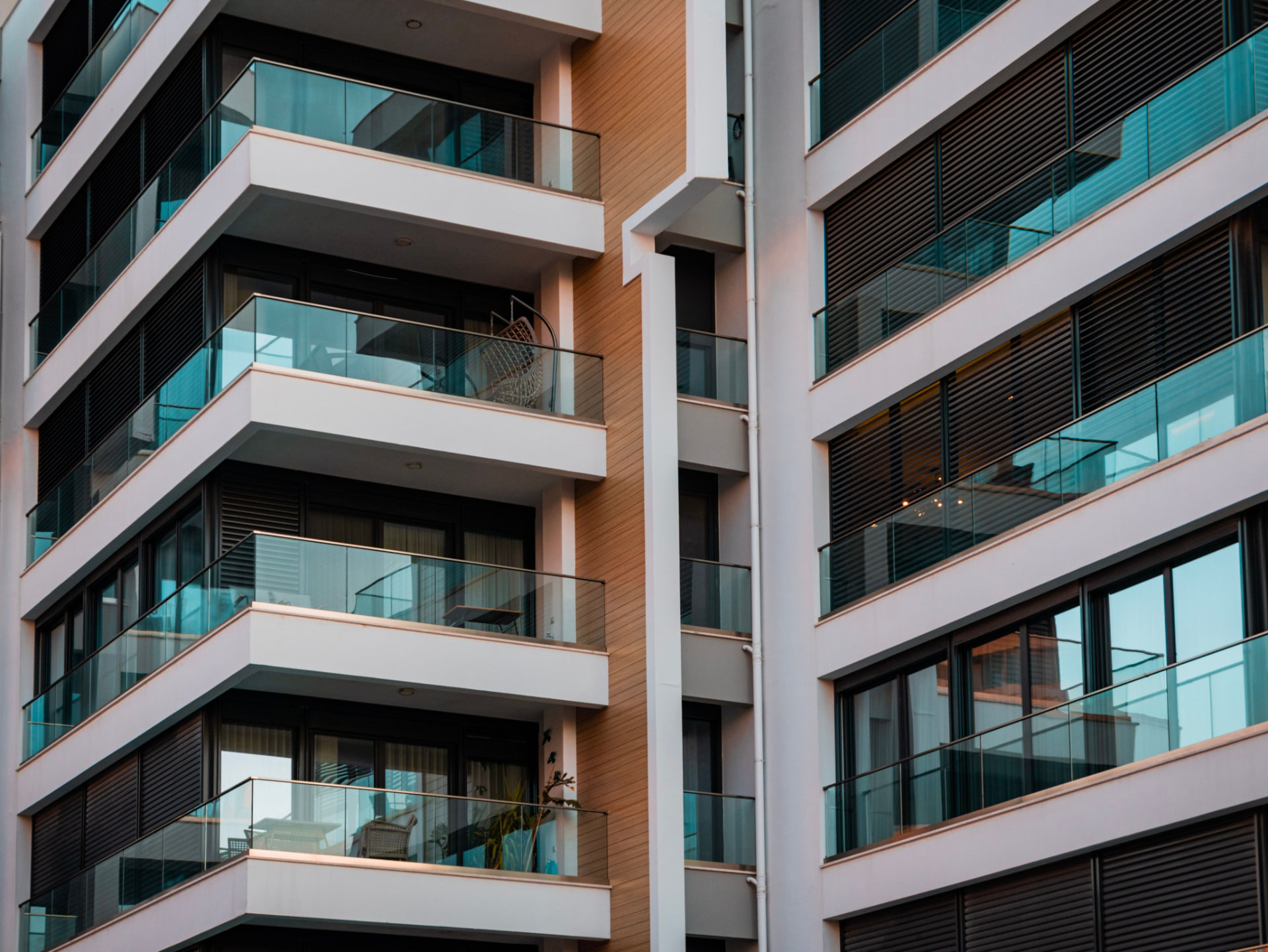
Flexible construction funding pairs short-term interim debt with a permanent SBA takeout loan, typically through the SBA 504 or 7(a) program. This two-step structure pays for ground-up construction or heavy renovations with progress draws, then refinances the interim balance into low-down-payment, long-term fixed debt once the building opens.
Key Takeaways
- Two-Phase Structure: You draw on a short-term construction loan during the build, then roll that debt into permanent SBA financing after final sign-off.
- Low Down Payment: Qualified borrowers preserve working capital with down payments between 10% and 20%. Most conventional bank builds require 25% to 35%.
- Certificate of Occupancy Trigger: The SBA debenture cannot fund until you hold a permanent Certificate of Occupancy. Plan on a 60- to 90-day interim bridge buffer after you finish building.
- Mitigating Overruns: Adaptive draw schedules, line-item reallocation rights, and adequately sized interest reserves protect projects from utility hold-ups and site surprises.
- Long-Term Stability: The permanent takeout locks in a 20- or 25-year fixed rate. That eliminates floating-rate risk on the subordinated debt stack.
How Does Flexible Construction Funding with an SBA Takeout Work?
Think of flexible construction funding with an SBA takeout as a clean relay race. First, an interim lender carries the heavy lifting during ground-up work, site prep, and interior fit-outs through monthly progress draws. Once you secure your Certificate of Occupancy, the Small Business Administration (SBA) permanent takeout steps in. It pays off the interim construction debt, locking in long-term, low-down-payment debt for the operating business.
This debt structure applies strictly to owner-occupied commercial properties governed by SBA Standard Operating Procedure (SOP) 50 10 guidelines. The operating company must occupy at least 51% of the rentable square footage for acquisitions or renovations. For ground-up new builds, your business must occupy at least 60% on day one and show a realistic plan to reach 80% within 10 years. Speculative developments, strip malls without an anchor operating owner, and pure investment properties will not qualify. You can review our owner-occupied commercial real estate guide for the underlying occupancy tests.
Under the standard SBA 504 program, the final capital structure settles into a 50-40-10 debt stack:
- 50% Senior Bank First Mortgage: A conventional bank, credit union, or balance-sheet lender carries a permanent first lien covering half of all eligible project costs.
- Up to 40% SBA 504 Debenture: A Certified Development Company (CDC) packages a fully amortizing debenture backed by the SBA. This covers up to 40% of costs, capped at $5.0 million for typical projects, or $5.5 million for small manufacturers and energy-reduction initiatives.
- 10% to 15% Borrower Equity: The business injects 10% in cash or unencumbered land equity. If your operating entity has been active for less than 24 months, or if the property is a special-use asset like a hotel or car wash, the equity requirement climbs to 15%. If both apply, you will need to put down 20%.
During active construction, the interim lender funds 85% to 90% of total costs through monthly disbursements. Once the building is occupied and certified, the debenture pools into the bond market to retire the interim second lien, keeping the first mortgage intact. To see how these mechanics translate to large developments, read our companion piece on ground-up construction and development financing for commercial sponsors.
What Are the Key Differences Between Interim Construction Debt and an SBA Takeout?
Interim construction loans provide short-term, interest-only, floating-rate capital disbursed in draws against completed work. An SBA takeout is a 20- or 25-year fixed-rate permanent facility. The interim note handles volatile field realities, from foundation delays to material price increases. The SBA loan steps in afterward to secure long-term balance-sheet stability. You can compare these with alternative short-term structures in our guide to commercial bridge loans.
The risk profiles look very different on paper. Interim debt ties your balance sheet to a floating rate, usually the 30-day Secured Overnight Financing Rate (SOFR) plus 250 to 450 basis points. It involves monthly draw inspections, title updates, and lien tracking. By contrast, the SBA 504 takeout locks your rate to current U.S. Treasury yields when the debenture sells. Getting across that finish line requires an audit of project costs, final unconditional lien waivers, and verified occupancy.
Underwriting metrics change between phases as well. Senior construction lenders generally underwrite interim notes to an initial debt service coverage ratio (DSCR) between 1.15x and 1.20x on projected operational earnings. The CDC and SBA look closer. They require historic and projected cash flow capable of sustaining a 1.20x to 1.25x DSCR across senior and junior debt combined.
| Financing Component | Interim Construction Loan | SBA 504 Permanent Takeout | SBA 7(a) All-In-One Construction |
|---|---|---|---|
| Facility Structure | Short-term senior draw facility (single or dual-note) | Subordinated debenture retiring interim second mortgage | Single-close loan converting from draw to permanent |
| Term & Maturity | 12 to 24 months (with optional extension windows) | 20 or 25 years fully amortizing | Up to 25 years fully amortizing |
| Interest Rate | Floating (SOFR + 250 to 450 bps; Prime + 1.00% to 2.50%) | Long-term fixed rate pegged to 10-year Treasury at pricing | Variable (Prime + spread) or short-term reset fixed |
| Maximum Debt Advance (LTC/LTV) | Up to 85%–90% Loan-to-Cost | Up to 90% Loan-to-Cost (Combined with Senior 1st Lien) | Up to 90% Loan-to-Cost |
| Maximum Total Allocation | Project specific; based on balance-sheet capacity | $5.0M debenture cap ($5.5M for manufacturing/energy) | $5.0M aggregate gross loan ceiling |
| Payment Terms | Monthly interest-only based on disbursed funds | Principal and interest monthly amortization | Interest-only during build; converts to P&I |
For more detail on marrying bridge loans with permanent takeout debentures, look at our manual on navigating commercial bridge loans to an SBA 504 takeout. If your total project cost sits below $5.0 million, compare program trade-offs in our breakdown of SBA 504 versus 7(a) for owner-occupied real estate.
How Do You Structure an Adaptive Construction Draw Schedule to Mitigate Delays?
Build an adaptive draw schedule by including a 5% to 10% hard cost contingency, pre-approving line-item shift rights, and funding interest reserves for at least 110% of the planned schedule. This keeps supply chain lags or subcontractor delays from triggering a loan default or derailing your CDC authorization before you can close the takeout.
Interim loans disburse money only for work in place, verified after the fact. That causes friction when concrete prices spike or an architect issues a field modification. If a revision increases a line item by more than 10%, trims square footage, or changes how the business uses the space, you must get written sign-off from both the interim lender and the CDC. Ignoring this step can void your SBA Authorization for Debenture Guarantee, leaving your construction lender stuck without a permanent exit.
We routinely build five safeguards directly into construction loan agreements before closing:
- AIA Document G702 and G703 Standardization: Require your general contractor to submit every draw on standard Application and Certificate for Payment forms, backed by an itemized schedule of values.
- Realistic Interest Reserve Sizing: Size capitalized interest reserves to cover 120% of your architect’s schedule. If you plan for a 12-month build, fund an interest reserve for 14 or 15 months. Utility delays happen; running out of interest reserve mid-project is an avoidable mess.
- Title Date-Down Protocols: Require title date-downs with every single draw. This confirms no contractor, supplier, or tax authority has slapped a lien on the property before money goes out the door.
- Pre-Agreed Budget Reallocation Rights: Negotiate covenants that let you and your contractor move savings from finished line items into unexpected overruns without a formal credit committee review, as long as your remaining contingency holds above 5%.
- Contractor Retainage Framework: Hold 10% retainage on every progress payment through 50% completion. You can drop it to 5% after that if milestones hit on time, releasing the balance only after unconditional final lien waivers are signed. For more on this, read our walkthrough on managing the construction loan draw process.
If you anticipate design changes, consult our guidance on adaptive construction financing when plans change, and review key items in what to evaluate before applying for dynamic construction capital.
Worked Financial Model: $5.5M Ground-Up Development with SBA 504 Takeout
Here is an inside look at how a $5,500,000 ground-up industrial facility moves from interim progress draws to permanent debenture funding. The model details total project costs, the construction debt setup, and the permanent takeout numbers.
Project Cost Breakdown and Assumptions
- Land Acquisition (Unencumbered Site): $1,200,000
- Hard Construction Costs (Core, Shell, Interior): $3,400,000
- Soft Costs (Architectural, Engineering, Legal, Permits): $450,000
- Hard Cost Contingency Reserve (7.35% of Hard Costs): $250,000
- Capitalized Interest Reserve (14 Months at 8.25% Float on Draws): $200,000
- Total Eligible Project Costs: $5,500,000
Phase 1: Construction Financing Facility (14-Month Build Term)
Because the SBA 504 debenture cannot disburse until the city grants occupancy, the interim lender funds the build phase by holding both the senior debt and the future debenture balance:
- Interim Construction Note (85% Loan-to-Cost): $4,675,000 (disbursed in monthly installments against inspection reports)
- Borrower Cash Equity Injection (15% Loan-to-Cost): $825,000 (wired and disbursed first, prior to loan draws)
- Interest Reserve Structure: $200,000 drawn as needed, tracking an assumed floating rate of SOFR + 3.00% (assumed 8.25% blended).
Phase 2: Permanent Takeout Capital Stack (Post-Occupancy)
Once the city inspects the site and issues an unconditional Certificate of Occupancy, the $4,675,000 interim construction balance is retired through the two-part permanent structure:
- Senior Bank First Mortgage (50% Loan-to-Cost): $2,750,000. Underwritten on a 25-year amortization with a 10-year term, fixed at 6.75%. Monthly principal and interest payment: $18,995.
- SBA 504 Net Debenture (35% Loan-to-Cost): $1,925,000. Underwritten on a 25-year full amortization, fixed via the monthly bond sale (assumed effective rate: 5.85%). Monthly principal and interest payment: $12,234.
- Borrower Retained Equity: $825,000 (the original 15% equity injection remains in the real estate).
- Total Takeout Proceeds: $4,675,000 ($2,750,000 + $1,925,000), clearing the interim loan balance to zero.
- Combined Ongoing Debt Service: $31,229 per month ($374,748 annually). Target operating company Net Operating Income (NOI) at a 1.25x DSCR: $468,435.
To see how these principles apply to larger mid-market projects, study our case study on a $15M commercial construction facility, and review foundational loan sizing in tailored construction loans from groundbreaking to opening.
What Specific Checklist Governs an SBA 504 Debenture Takeout Closing?
An SBA 504 takeout closes when construction is complete, the city grants occupancy, title is clean, and every contractor signs off on their lien waivers. Plan for your interim loan to stay open 60 to 90 days past your Certificate of Occupancy. The CDC needs that window to reconcile final invoices, inspect the finished property, and slip your loan into the monthly debenture pricing pool.
To keep the transition moving without racking up extension fees on your construction loan, check these seven boxes:
- Municipal Approvals: Get an unconditional Certificate of Occupancy from your city or county building department. Temporary certificates carrying punch-list items will halt your CDC closing.
- Architectural Certification: Have your project architect sign AIA Document G704 (Certificate of Substantial Completion) to prove the building matches the approved plans.
- Final Lien Releases: Gather signed and notarized Unconditional Final Mechanics’ Lien Waivers from the GC, every first-tier subcontractor, and all major suppliers.
- Independent Job Cost Audit: Assemble an audited cost breakdown proving every dollar drawn during construction went toward eligible expenses in your SBA Authorization.
- Title Date-Down and ALTA Policy: Have the title company issue an updated ALTA policy. It must confirm the bank holds a valid first mortgage with no surprise liens sitting ahead of the SBA’s second position.
- Operational Lease Execution: Sign the formal lease between the real estate holding entity (the EPC) and your operating business (the OC), matching the rent numbers specified by the CDC.
- Updated Operational Underwriting: Hand over fresh year-to-date financial statements confirming the business still generates the 1.20x DSCR required under the original terms.
For more help moving from substantial completion to final funding, read our advice on tailored construction debt for smoother completions. You can also explore how tailored construction financing maintains build momentum or download our complete commercial loan closing checklist.
Case Studies: Overcoming Construction Overruns and Rate Volatility with Flexible Debt
A good construction facility protects your balance sheet from surprises. When you pair an adaptable interim draw facility with an SBA takeout commitment, you can handle site delays and price increases without burning through operational reserves.
Industrial Cold-Storage Build: Mitigating Utility Connection Delays
A regional food distributor set out to build a $4,200,000 cold-storage warehouse. We structured the initial capital stack with a $3,570,000 interim construction loan (85% Loan-to-Cost) backed by an SBA 504 conditional takeout commitment. Ten months into what was supposed to be a 12-month build, the electric utility ran into a 16-week transformer backlog. That delayed refrigeration testing, fire alarm checks, and the final Certificate of Occupancy by four full months.
“Standard construction notes often trigger default provisions or sharp extension penalties when completion dates slip. By sizing interest reserves conservatively and maintaining clear communication with the CDC, we restructured the interim draw maturity to match real-world utility delivery schedules.”
Because we had built a 15-month initial maturity with a six-month extension into the interim loan, the owner stayed out of default. We worked with the construction lender to move $45,000 of untouched interior finish contingency money into the interest reserve account. That kept monthly payments current while the project waited for power. Once the utility energized the building, inspectors signed off on the Certificate of Occupancy. The CDC finalized the debenture closing 75 days later, locking in a 25-year fixed rate and retiring the interim balance with zero out-of-pocket cash from the sponsor.
Commercial Renovation: Absorbing Unforeseen Environmental Remediation
In a separate project, a growing veterinary surgical center paid $2,100,000 for an older flex building, budgeting $1,400,000 for heavy interior medical fit-outs. Demolition crews uncovered hidden dry rot in the roof trusses and non-compliant insulation, immediately adding $125,000 in structural repairs and environmental remediation.
A rigid credit facility would have drained the practice of its cash reserves. But the project had been set up with a 10% hard-cost contingency and formal line-item reallocation rights. The team reallocated funds without slowing down the job. The construction lender signed off on the revised line items, and the CDC confirmed the shift stayed well within the SBA’s original credit parameters. The project wrapped up on schedule, and the SBA takeout paid off the construction loan right on cue.
For more strategies on managing complicated builds, read our complete guide to flexible financing for construction and renovation projects.
Frequently Asked Questions
How does an SBA takeout loan work for construction?
An SBA takeout loan pays off short-term interim construction debt once construction is complete and a Certificate of Occupancy is issued. The interim lender finances the build through progressive draws, and the permanent SBA loan (such as a 504 debenture) repays the construction loan balance, establishing a long-term, fixed-rate permanent capital structure.
Can an SBA 504 loan fund ground-up construction?
An SBA 504 loan cannot disburse funds during active construction because the debenture is issued and priced only after project completion. Instead, a senior lender or private bridge lender provides an interim construction loan for the build phase, backed by a conditional SBA 504 commitment to take out the debt upon occupancy.
What is the difference between interim construction debt and an SBA takeout?
Interim construction debt is short-term (typically 12 to 24 months), floating-rate financing that advances through monthly construction draws against active progress. An SBA takeout is a long-term (20- to 25-year) fully amortizing, fixed-rate facility that repays the interim lender in full once the property is physically stabilized.
What are the equity down payment requirements for an SBA construction project?
Standard owner-occupied construction projects require a minimum 10% equity contribution. Start-up businesses (operating under two years) or special-use properties require an additional 5% equity, bringing the minimum down payment to 15% (or 20% if the project is both a startup and a special-use asset).
What happens if construction costs overrun the approved SBA 504 authorization?
SBA debenture amounts are capped upon pricing and cannot be increased to absorb post-approval overruns. Construction cost overruns must be funded either by additional cash equity from the borrower or through an expanded first-lien commitment from the senior construction lender.
How long is the delay between Certificate of Occupancy and final debenture funding?
The transition from Certificate of Occupancy to debenture funding typically requires 60 to 90 days. This lag accommodates final cost audits, title date-down endorsements, CDC document processing, and the monthly federal debenture pooling and bond pricing cycle.
References
Sources reviewed while researching flexible construction funding, sba takeout and case studies, taken from the US search results on 2026-11-16.
- Fund your small business with SBA loans — sba.gov
# Loans
Loans backed by SBA make it easier for small businesses to access affordable funding with more flexible terms and added support. - SBA Loans for Small Business Growth and Financing Options — business.bankofamerica.com
Grow your small business with SBA loans that offer flexible financing options, including lower down payments and manageable monthly payments. - SBA 504 Construction: Avoid a Month of Extra Interim Interest — fbdc.net
# SBA 504 Construction: Avoid a Month of Extra Interim Interest
SBA 504 construction financing works well for owner-occupied ground-up builds and major renovations, provided you can manage a two-phase loan process. The standard structure splits funding [50%](https://alloydev.org/how-much-are-504-loan-fees/) bank, 40% C - Different Types of SBA Loans and When to Use Them — liveoak.bank
Discover the different types of SBA loans and how they can help your business grow, from flexible 7(a) loans to targeted 504 loans. - SBA 7(a) Business Acquisition Loans: When and How to … — capitalbankmd.com
SBA 7(a) loan’s benefits typically include longer terms, smaller down payments, and more flexible ways to use the funds. - Alternative Business Loans: 7 Non-Bank Options (2026) — wayflyer.com
# Alternativebusinessloans:7non-bankoptionsforSMBsin2026
### Key takeaways
The SBA approves more, but funding takes 30 to 90 days.## When should you consider an alternative business loan?
SBA loans typically take 30 to 90 days. - SBA financing may open new possibilities for your business … — facebook.com
Small Business Administration (SBA) loans are not charity but are a loan backed by the federal government, allowing most businesses to get one. … - Loan Programs — peachtreegroup.com
# Loan Programs
## Financing, made flexible
You have access to flexible direct and government‑guaranteed lending solutions across the capital stack. Loans for Commercial Real Estate: Feasibility — mmcginvest.com
SBA 7(a) loans fill this gap by financing construction and fit-out … SBA lenders order independent feasibility studies before providing funding …
SERP features this page targets
| Feature | Likelihood | How this page wins it |
|---|---|---|
| Featured Snippet (Paragraph) | 90% | A 35-word summary definition block defining construction-to-SBA takeout mechanics positioned directly under the primary H1. |
| People Also Ask | 95% | A detailed FAQ schema block addressing interim lender risk, debenture funding windows, and occupancy thresholds. |
| AI Overview | 85% | A bulleted executive summary highlighting capital stack stages: interim advance, certificate of occupancy, and permanent takeout debenture. |
| Comparison Table | 80% | A comprehensive table contrasting interim construction loans, SBA 504 permanent takeout, and SBA 7(a) all-in-one facilities across LTV, term, and rate structure. |
Related guide: Construction and ground-up development financing