
Healthcare commercial real estate encompasses medical office buildings (MOBs), outpatient clinics, surgery centers, and specialized care facilities. Securing appropriate capital enables medical practitioners and real estate investors to expand operations, build equity, and lock in long-term fixed rates.
Articles in Healthcare Commercial Real Estate
Financing Options for Healthcare Commercial Real Estate
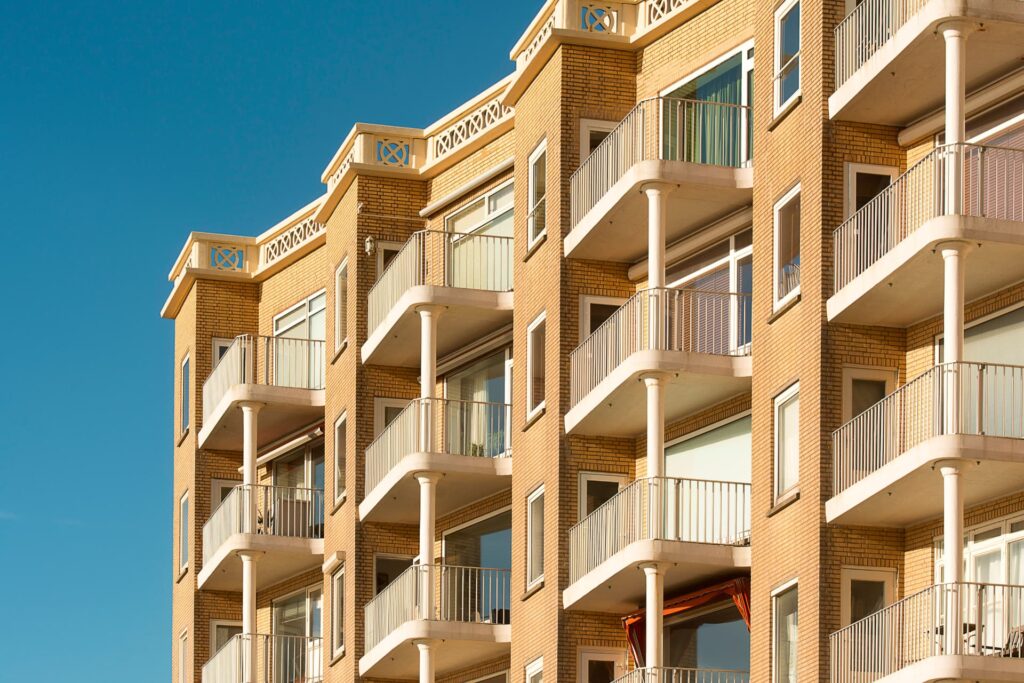
Explore specialized financing strategies for healthcare professionals acquiring property, including SBA 504 loans with 10% down, long-term fixed rates, and flexible terms. Learn how medical practices can transition from renting to owning their facilities efficiently.
Key Financing Structures for Medical Real Estate
Healthcare facilities often require customized loan structuring due to specialized tenant improvements and specialized practice equipment. Borrowers can leverage several strategies:
- SBA 504 Loans: Designed for owner-user healthcare providers, offering up to 90% financing (10% down) with 20- to 25-year fixed interest rates backed by the U.S. Small Business Administration.
- DSCR Financing: For investor-owned multi-tenant medical office buildings, DSCR loan structures evaluate rental cash flow rather than personal tax returns.
- Capital Strategies for 2026: Review top commercial lending strategies to streamline approval and lower borrowing costs across dynamic rate environments.
Frequently Asked Questions
What is healthcare commercial real estate financing?
Healthcare commercial real estate financing encompasses commercial mortgages, SBA loans, and bridge debt customized for medical clinics, owner-occupied practices, and outpatient facility acquisitions.
Why choose SBA financing for medical office buildings?
SBA loans allow qualified healthcare practice owners to purchase real estate with down payments as low as 10%, preserving operational cash flow while securing low, long-term fixed rates.