
Standard SBA 7(a) loan requirements require a business to operate for profit in the United States, satisfy SBA size standards, demonstrate at least 51% owner occupancy for existing commercial real estate, hold a minimum 680 personal credit score, and generate historical or projected earnings sufficient for a 1.15x to 1.25x Debt Service Coverage Ratio (DSCR). Qualified borrowers can secure up to $5 million with down payments as low as 10% and 25-year fully amortizing terms.
SBA 7(a) Loan Definition & Commercial Real Estate Structure
At Thorne CRE, we assist small and mid-sized business owners in accessing government-backed financing programs that protect liquid reserves while building long-term equity. The SBA 7(a) loan definition refers to the U.S. Small Business Administration’s flagship loan program, designed to stimulate economic growth across American enterprises. Through this vehicle, the federal government provides participating lenders with a direct guaranty of 75% to 85% on qualified transactions, lowering credit exposure and expanding access to long-term commercial capital.
When purchasing, renovating, or refinancing owner-occupied real estate, we structure transactions around 25-year fully amortizing notes. Conventional bank mortgages frequently require refinancing balloons within five to ten years, subjecting business operations to shifting credit markets and repeat transaction fees. By contrast, an SBA 7(a) mortgage eliminates balloon risk entirely. To explore how this compares to alternative programs, review our breakdown of SBA 504 vs 7(a) owner-occupied property loans and examine complete owner-occupied commercial real estate loan terms.
SBA 7(a) Qualifications & Key Underwriting Criteria
Navigating SBA 7(a) qualifications requires understanding the exact parameters underwriters assess before issuing a commitment letter. While authorized lenders may impose specific credit overlays, core federal benchmarks dictate who qualifies:
- Owner Occupancy Thresholds: For acquisitions or refinances of existing commercial facilities, your operating business must occupy at least 51% of the total rentable square footage. For ground-up construction or major expansion, the business must occupy an initial minimum of 60%, with a long-term plan to occupy up to 80% within ten years.
- Credit Score Benchmarks: All principals holding 20% or more equity ownership must provide personal guarantees and typically need a credit score of 680 or higher, alongside clean historical records without delinquent federal debt.
- Debt Service Coverage Ratio (DSCR): Underwriters require documented operational cash flow capable of sustaining loan repayments. Standard underwriting looks for a historical or underwritten DSCR of 1.15x to 1.25x across business operations and personal obligations.
- SBA Size & Industry Standards: The applicant company must be an active, for-profit entity registered in the United States. Under official SBA 7(a) loan program guidelines, tangible net worth cannot exceed $15 million and average net income after federal income taxes over the prior two years cannot exceed $5 million.
- Equity Injection and Down Payment: For commercial property transactions, standard down payment requirements start at 10%, though startups or single-purpose buildings may require 15% equity. Learn more about equity tiers in our guide to SBA commercial real estate down payment requirements.
What Are the Benefits of SBA 7(a) Loan Interest Rates?
Prospective borrowers routinely ask: what are the benefits of sba 7a rates? The primary financial advantage stems from statutory rate caps enforced by the SBA, which restrict the interest margins lenders can charge above base indexes.
When assessing what are the benefits of sba 7a loan interest rate mechanisms, three distinct structural advantages stand out:
- Regulated Maximum Spreads: Rates are directly pegged to recognized market indices, primarily the Prime Rate published by the Federal Reserve Board. SBA guidelines limit maximum lender margins based on total facility amount and loan maturity.
- Flexible Pricing Structures: Borrowers can negotiate fixed rates for consistent monthly budgeting or variable rates that float quarterly with market changes.
- Preservation of Liquidity: Pairing capped interest spreads with low 10% equity injections allows companies to retain vital liquidity for working capital, hiring, and inventory expansion rather than tying cash up in substantial real estate down payments.
SBA 7(a) Rate Ceilings & Financial Comparison
The table below summarizes standard SBA variable rate ceilings alongside comparable conventional commercial real estate terms:
| Underwriting Metric | SBA 7(a) Real Estate Debt | Conventional CRE Mortgage |
|---|---|---|
| Maximum Base Rate Margin | Prime + 2.75% (for loans > $50k & maturities ≥ 7 yrs) | Discretionary (often Prime + 2.0% to 4.5% or SOFR spreads) |
| Down Payment / Maximum LTV | 10% Down / Up to 90% LTV | 20% – 35% Down / 65% – 80% LTV |
| Loan Repayment Structure | 25-Year Fully Amortizing | 15 to 25-Year Amortization with 5 to 10-Year Balloon |
| Minimum Required DSCR | 1.15x – 1.25x | 1.25x – 1.35x+ |
| Prepayment Penalty Structure | 3-Year Declining (5%, 3%, 1% on maturities ≥ 15 yrs) | Defeasance, Yield Maintenance, or 5-4-3-2-1 Schedules |
Worked Example: Purchasing a $2,500,000 Commercial Facility
Consider an expanding engineering company buying a $2,500,000 headquarters building:
- Conventional CRE Loan: At a standard 25% down payment, the owner must provide $625,000 in immediate cash equity. The remaining $1,875,000 is amortized over 20 years with a mandatory balloon payment at year seven, creating refinancing friction and closing expenses.
- SBA 7(a) Loan: With a 10% down payment requirement, the borrower invests $250,000, preserving $375,000 in operational capital. The remaining $2,250,000 is placed on a 25-year fully amortizing schedule without balloon provisions, enabling predictable long-term budgeting.
How to Meet SBA 7(a) Loan Requirements: Step-by-Step Next Steps
To qualify quickly and secure delegated lender approval without administrative delays, we recommend assembling your documentation prior to underwriting. Utilizing a structured checklist for your commercial financing application helps avoid delays in review.
Critical documentation required by SBA underwriting teams includes:
- Three consecutive years of business and personal federal tax returns (all 20%+ owners).
- Year-to-date business financial statements, including balance sheets and interim profit and loss statements.
- SBA Form 1919 (Borrower Information Form) and SBA Form 413 (Personal Financial Statement).
- A comprehensive schedule of existing business liabilities and debt obligations.
- Real estate purchase agreement, property rent roll, or existing commercial lease agreement.
Ready to structure your transaction? Our team at Thorne CRE reviews your financials, models cash-flow coverage, and pairs your company with top national SBA preferred lenders to execute your financing seamlessly.
Featured SBA 7(a) Articles & Loan Guides
SBA Financing for Commercial Real Estate | Thorne CRE
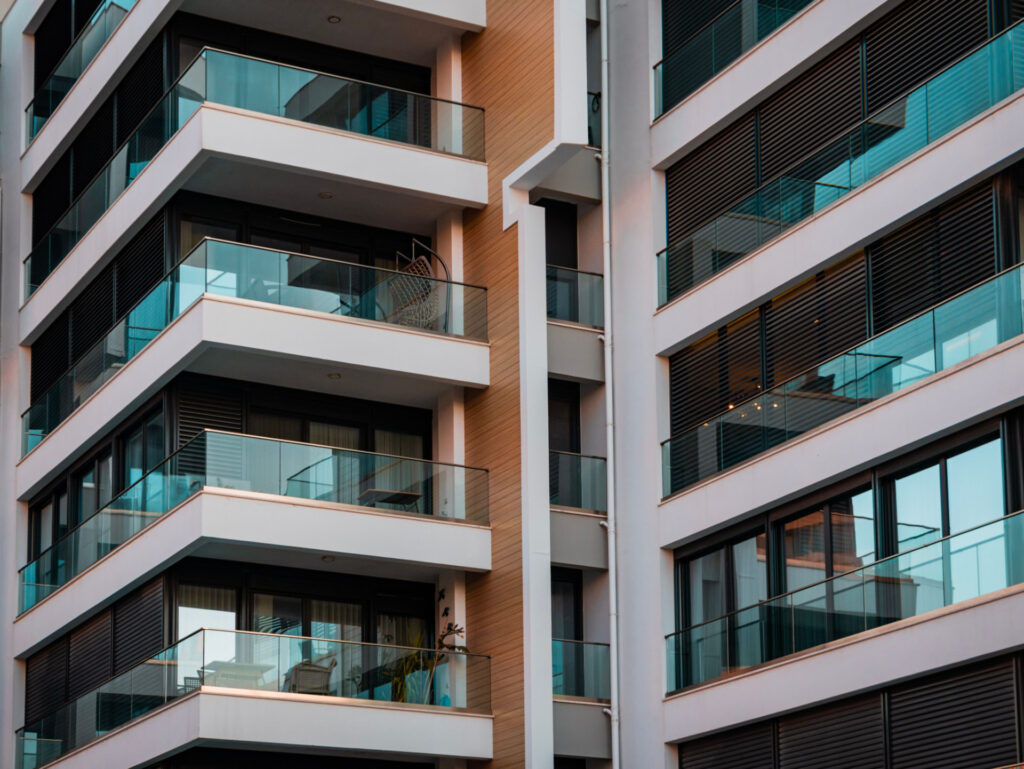
Explore SBA 7(a) and SBA 504 financing solutions for owner-occupied commercial real estate with down payments as low as 10% and 25-year terms.
Self-Storage Financing Solutions | Thorne CRE
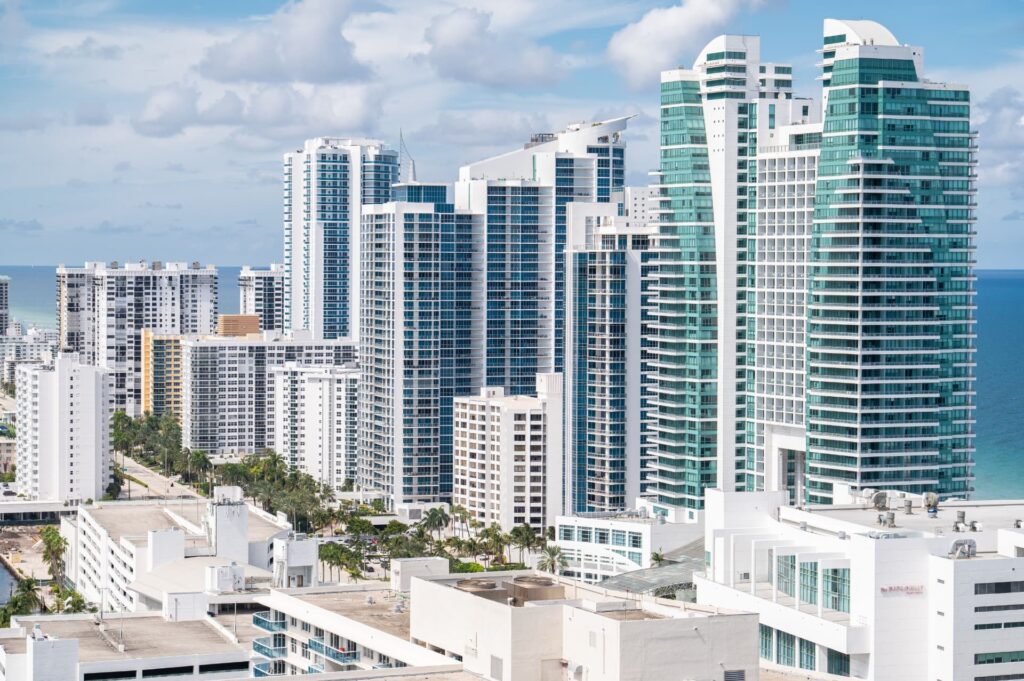
Explore commercial self-storage financing options, SBA loans, DSCR debt structure, and capital solutions for income-producing storage facilities.
Reliable Commercial Loans: SBA 504 & 7(a) Guide
Explore reliable business property financing options. Learn how SBA 504 and 7(a) loans provide up to 90% LTV with flexible 25-year repayment terms.
SBA CRE Debt Refinancing: 504 & 7(a) Loan Guide
Refinance commercial real estate with SBA 504 and 7(a) loans. Secure 25-year fully amortizing rates, up to 90% LTV, and eliminate balloon mortgage risks.
CRE Loan Down Payment Guide & SBA Financing | Thorne CRE
Explore commercial real estate down payment requirements, low down payment options, and SBA loans with expert guidance from Thorne CRE.
Commercial Acquisition Financing & Guides | Thorne CRE
Explore commercial acquisition financing insights, structuring guides, and capital solutions including SBA, conventional, DSCR, and bridge loan programs.
Owner-Occupied Real Estate Financing | Thorne CRE
Explore owner-occupied real estate guides, SBA 504 and 7(a) loan rules, DSCR guidelines, and tailored commercial mortgage solutions for your business.
Commercial Property Financing in Florida: Debt Structuring & Acquisition Guide
Commercial property financing in Florida includes conventional CRE mortgages, SBA 504 and 7(a) loans, and bridge debt. We structure tailored financing solutions for acquisitions, owner-occupied properties, and investment real estate throughout the Sunshine State.
Preferred SBA Lenders for Retail Plaza Financing in Florida
Learn how our Preferred SBA Lender team structures Florida retail plaza financing with up to 90% LTV, delegated approvals, and 25-year terms.
Commercial Construction Loan Terms: A Sponsor’s Guide to Rates, Leverage, and Structure
Commercial construction loan terms typically range from 12 to 36 months, featuring interest-only payments during development and loan-to-cost (LTC) ratios between 65% and 80%. Rates generally float above SOFR, often converting into permanent debt post-completion.
SBA 7(a) Loan Frequently Asked Questions
What are the primary SBA 7(a) loan requirements?
Core SBA 7(a) loan requirements include operating as a for-profit U.S. enterprise, occupying at least 51% of the acquired commercial real estate, achieving a minimum 1.15x debt service coverage ratio, maintaining personal credit scores above 680 for owners holding 20%+ equity, and providing 10% equity injection.
What is the official SBA 7(a) loan definition?
The SBA 7(a) loan definition refers to the Small Business Administration’s primary financial assistance program, providing government-backed debt of up to $5 million for owner-occupied real estate, business acquisitions, equipment purchases, working capital, and debt refinancing.
What are the benefits of SBA 7(a) loan interest rates?
SBA 7(a) loan interest rates benefit borrowers through federally regulated interest rate caps tied to base indices like Prime, 25-year fully amortizing terms without balloon payments, and low 10% down payments that keep operational cash inside the business.
What down payment is required for an SBA 7(a) commercial real estate loan?
SBA 7(a) real estate loans generally require a down payment as low as 10% for qualified owner-occupied properties, providing financing up to 90% loan-to-value (LTV).
What are the key SBA 7(a) qualifications for business borrowers?
Key SBA 7(a) qualifications include maintaining a 680+ credit score, satisfying SBA small business size caps (net worth under $15M and net income under $5M), operating within the United States, and demonstrating repayment capacity through historical cash flows.