
Understanding Commercial Self-Storage Financing Options
Self-storage financing refers to specialized commercial debt solutions—including SBA 7(a), SBA 504, CMBS conduit loans, and DSCR financing—designed for acquiring, developing, or refinancing self-storage assets. Securing optimal loan terms requires analyzing facility cash flow, understanding the Net Operating Income (NOI) calculation, and selecting between non-recourse vs. recourse commercial loans depending on leverage targets.
For owners seeking expansion or liquidity, reviewing guidelines from the U.S. Small Business Administration loan programs and industry resources like the Self Storage Association provides crucial context on equity requirements and leverage caps.
Latest Self-Storage & Commercial Debt Articles
Anat Levy Ohayon | Commercial Real Estate Expert
Explore commercial real estate financing insights by Anat Levy Ohayon covering Industrial Outdoor Storage, office debt, and mobile home park loans.
Loan Maturities and Capital-Structure Advisory: A Guide for Commercial Real Estate Owners
Loan maturity capital-structure advisory helps commercial real estate owners evaluate debt deadlines and optimize their capital stack. We evaluate senior debt, preferred equity, and mezzanine capital options to preserve equity and secure optimal refinancing before maturity.
Commercial Real Estate Cap Rate Calculator
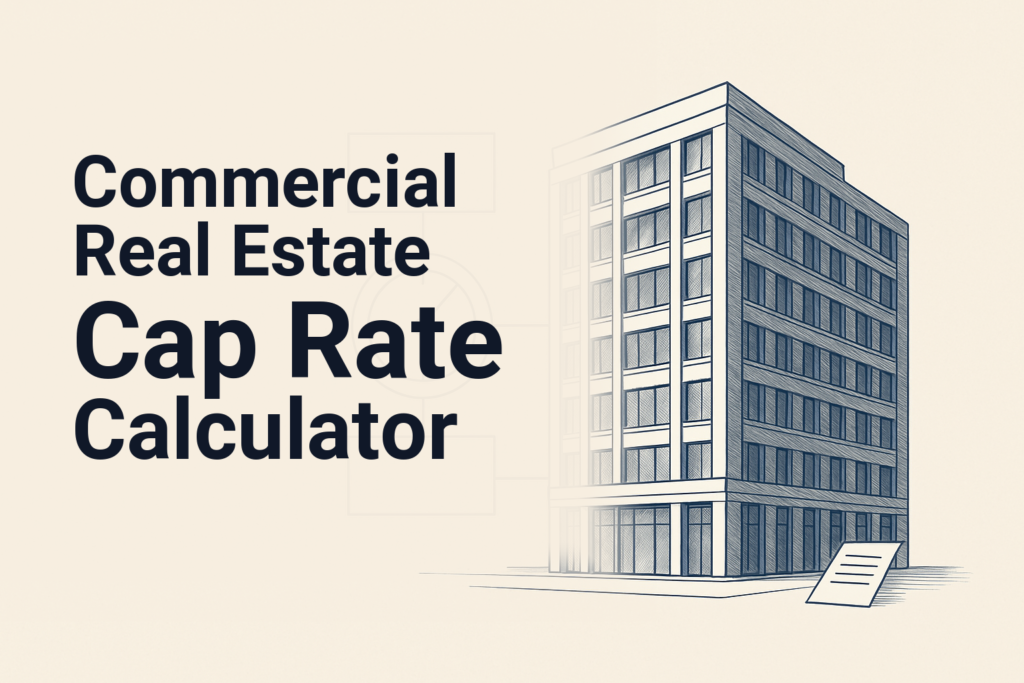
Calculate commercial real estate cap rate from NOI and value, then see how cap rate relates to property value, debt yield, DSCR, and acquisition financing.
SBA 504 Down Payment Requirements: Multi-Tenant CRE

SBA 504 loans require a 10% down payment for multi-tenant commercial properties with 51% owner occupancy. Learn tiered equity rules and occupancy guidelines.
Commercial Real Estate Refinance Non-Recourse Options: Structure & Strategy Guide

Non-recourse commercial real estate refinancing options include Agency loans (Fannie Mae/Freddie Mac), CMBS conduit financing, and Life Insurance Company loans. Learn how to structure options to protect personal assets.
Navigating SBA 504 Appraisal Requirements for Specialized Properties
Master SBA 504 appraisal requirements for specialized properties. Learn appraiser qualification rules, equity injection impacts, and valuation methods under SBA SOP guidelines.
Unlocking Portfolio Growth: SBA 504 Green Energy Self-Storage Expansion

Learn how to bypass SBA limit caps and scale your self-storage portfolio using SBA 504 Green Energy financing, rooftop solar integration, and 15% generation rules.
SBA 7(a) Loan Requirements for Self-Storage | Thorne

Learn SBA 7(a) loan requirements for self-storage facilities, including 10% equity injection, 680+ credit score, 1.15x DSCR, and active business rules.
CRE Debt Advisory vs. Large Banks: Mortgage Guide

Compare boutique CRE debt advisory firms like Thorne CRE with large banks for commercial mortgages, focusing on speed, leverage, and capital access options to secure fast and flexible commercial loans.
DSCR Loans for Income-Producing Properties | Thorne CRE

Explore DSCR loans for income-producing properties. Finance commercial real estate based on property cash flow rather than personal credit constraints.
Frequently Asked Questions About Self-Storage Financing
What is self-storage financing?
Self-storage financing refers to commercial real estate debt structures—including SBA 7(a), SBA 504, CMBS, and DSCR loans—used by investors to acquire, construct, expand, or refinance self-storage facilities.
What debt service coverage ratio (DSCR) is required for self-storage loans?
Most commercial self-storage lenders require a minimum Debt Service Coverage Ratio (DSCR) of 1.15x to 1.25x based on the facility net operating income.