
Construction projects stall when financing isn’t clear from the start. You need a solid grasp of construction loan basics to keep your renovation or new build on track. This guide breaks down key terms like draw schedules, loan-to-cost ratios, and builder qualifications, so you can plan confidently and avoid costly surprises. Ready to take control of your project’s financing?
Understanding Construction Loan Basics
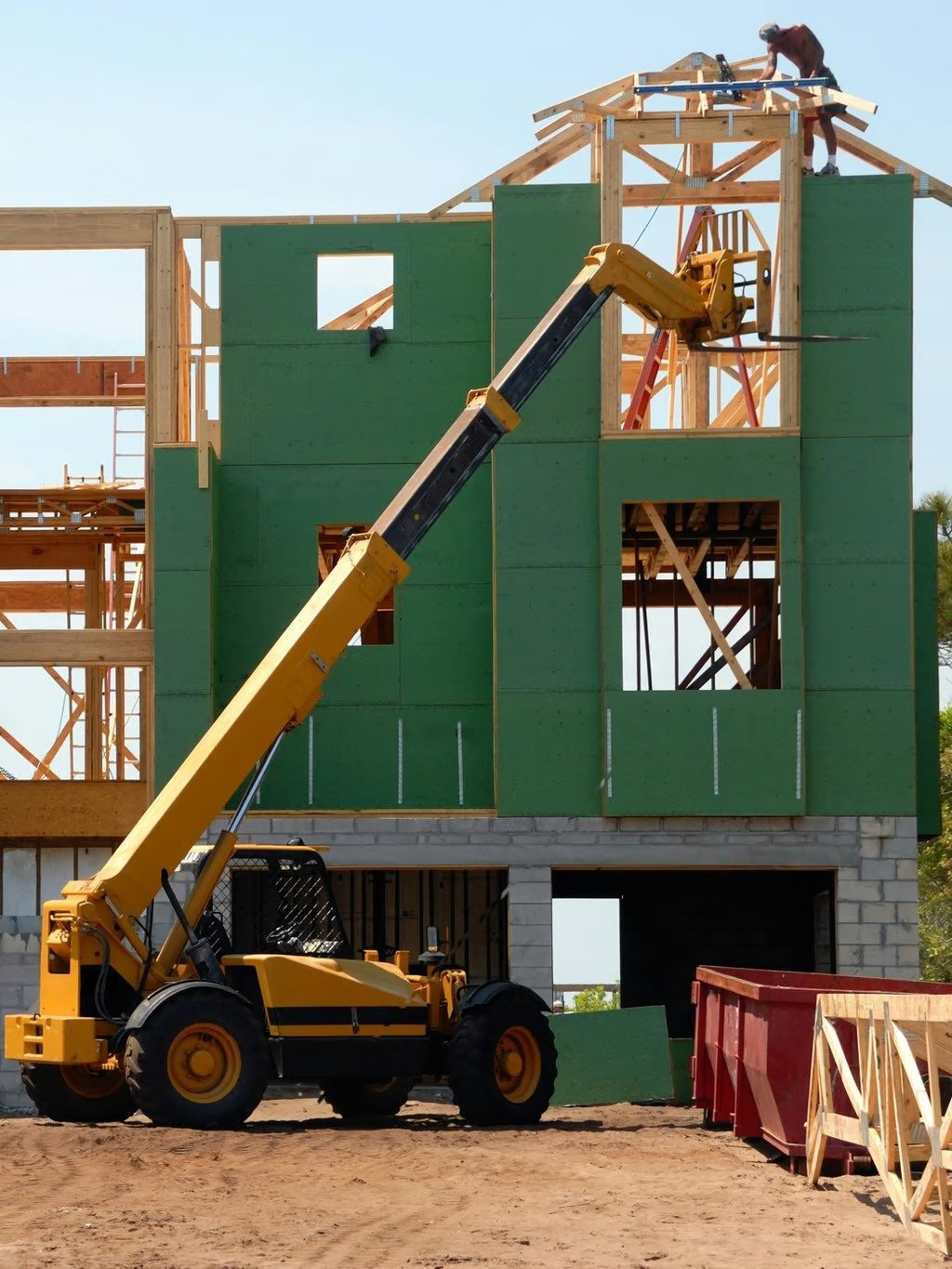
Getting the right loan is key for any construction project. Let’s break down the essentials to help you take charge of your project’s finances.
Core Concepts and Requirements
Understanding core concepts is crucial for managing construction loans. Loan-to-cost (LTC) and loan-to-value (LTV) ratios are vital. The LTC ratio measures how much of the project cost the loan covers, while the LTV ratio compares the loan amount to the property’s appraised value. Knowing these can prevent financial hiccups.
Another important term is draw schedule, which details when funds are released during construction. This ensures money is available when needed, but not before. The contingency reserve is also essential, providing a financial buffer for unexpected costs. Planning this ahead can save you from future headaches.
Lastly, builder and contractor qualifications are fundamental. You need trusted professionals for your project. Check their credentials and past projects to ensure quality work. This step can prevent future delays and extra costs.
Renovation vs. New Build Financing
Renovations and new builds need different financial plans. Each has unique requirements and challenges.
Renovation loans often cover soft costs like design fees and city permits. They usually require a smaller budget, making them more accessible for homeowners. However, hidden issues in older structures can inflate costs. A solid renovation plan accounts for these surprises.
New builds focus on hard costs, such as materials and labor. These projects typically need larger budgets and stricter planning. New constructions offer a fresh start, reducing the risk of unforeseen repairs found in older homes. But they also require more permits and approvals, adding complexity to the process.
Planning Your Project Budget
A clear budget is the backbone of any successful project. Start by listing all expected expenses.
Include both hard and soft costs. Hard costs cover tangible items like materials, while soft costs include permits and insurance. Don’t forget to factor in a contingency reserve for unexpected expenses. It’s wise to set aside at least 10% of your budget for these unforeseen costs.
Next, align your budget with your draw schedule. Ensure funds are available at each stage, avoiding delays. Also, regular site inspections and progress assessments help keep the project on track and within budget.
Navigating the Loan Process

Understanding the loan process is crucial for securing the right financing. Let’s explore how to navigate these waters effectively.
Steps for Pre-Qualification
Pre-qualification is your first step in securing a loan. It helps gauge how much you can borrow.
- Gather Financial Documents: Collect pay stubs, tax returns, and bank statements. Lenders need these to assess your financial health.
- Assess Credit Score: A higher score often means better terms. Check your score and address any issues beforehand.
- Consult a Loan Officer: They’ll help you understand your options and guide you through the pre-qualification process.
Pre-qualification gives you a clear picture of your borrowing capacity, helping you plan your project realistically.
Builder Qualification and Contractor Approval
Choosing the right professionals is crucial for your project’s success. Here’s how to ensure they meet your standards.
Verify builder credentials by reviewing past projects and client testimonials. Most clients forget this step, risking future issues. Make sure contractors are licensed and insured. This protects you from liability and ensures quality work.
Discuss project timelines and expectations upfront. Clear communication prevents misunderstandings and costly delays. Finally, have all agreements in writing. This holds everyone accountable and provides a reference in case of disputes.
Managing Draw Schedules and Progress Draws
Draw schedules are the roadmap for fund distribution. Managing them effectively ensures your project stays on track.
Create a detailed schedule with your lender, outlining when and how funds will be released. Tie these to project milestones, such as foundation completion or framing. This ensures money is available only when needed, minimizing risks of misuse.
Regular progress draws help maintain cash flow and track project advancement. They require lender approval, often after a site inspection. This keeps everyone accountable and ensures funds are spent wisely.
Expert Guidance and Tailored Solutions

Navigating construction loans can be complex, but expert guidance makes the process smoother and more effective.
Flexible Options: Interest-Only and Bridge Financing
Flexible loan options can be a game-changer. Interest-only loans reduce initial expenses, freeing up cash for other needs. They only require interest payments during construction, easing short-term financial burdens.
Bridge financing provides quick access to funds, ideal for overlapping projects. It helps cover costs until permanent financing kicks in. Both options offer unique benefits, catering to different project needs.
Nationwide Network for Fast Commercial Loans
A nationwide network provides broader access to funding options. This ensures you get the best rates and terms for your project. A wider network often means quicker approvals, reducing waiting times. This is crucial for projects with tight timelines.
Working with a nationwide lender also offers flexibility, accommodating projects in various locations. This is perfect for developers with multiple sites, providing consistent support across regions.
Complimentary Project Review and Financing Roadmap
A complimentary project review offers personalized insights into your financing needs. Experts assess your project and provide tailored solutions. This ensures your plan aligns with your financial goals.
A detailed financing roadmap guides you through each stage, from pre-qualification to project completion. This roadmap helps prevent surprises and keeps your project on budget and on schedule.
In conclusion, understanding construction loans is vital for successful real estate projects. Armed with this knowledge, you can confidently navigate your project’s financial landscape. Stay informed, plan carefully, and leverage expert guidance for the best outcomes.