
Construction projects stall or overspend when financing isn’t clear from the start. If you’re tackling renovations or a ground up construction loan, understanding key terms like loan to cost (LTC) and draw schedule can save you time and money. This guide breaks down construction loans to help you plan smarter and avoid surprises.
Understanding Construction Loans
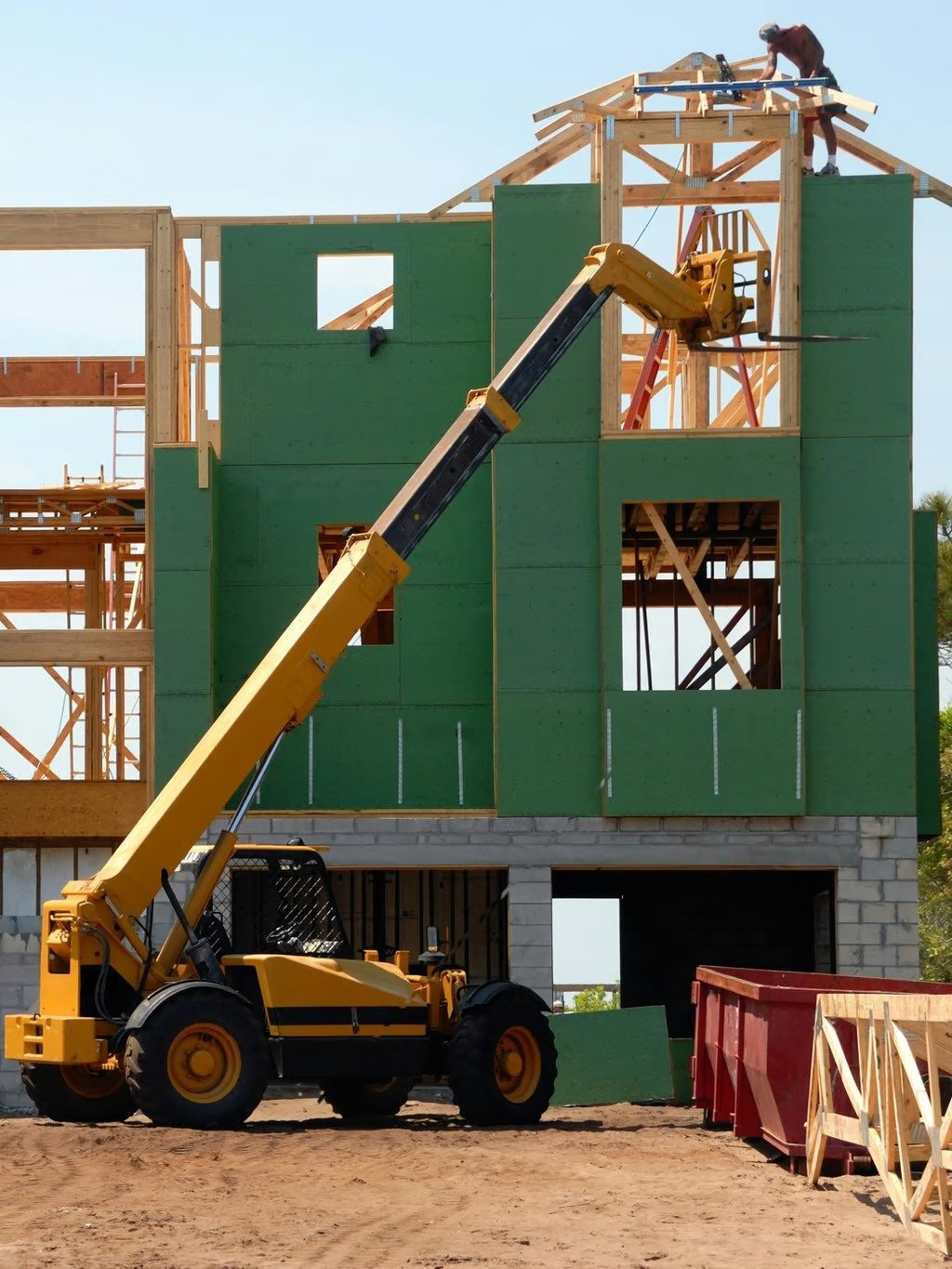
When you dive into the world of construction loans, it can feel like navigating a maze. But don’t worry, understanding a few key terms and processes can make the journey smoother.
Key Terms and Processes
Let’s break down some important terms. A construction loan is short-term financing used to fund building projects. The funds are dispensed in stages, known as a draw schedule, to match the project’s progress. This means you’ll only pay interest on the disbursed portion, not the entire loan. Another key term is the interest reserve, which covers interest payments during construction, keeping cash flow manageable.
The application process may seem daunting, but it doesn’t have to be. Start by gathering documents like project plans and budget estimates. Lenders will also require a timeline to ensure funds are available when needed. Remember, preparation is your best friend here.
Renovation vs. New Build Projects
Are you renovating an existing property or starting from scratch? Both scenarios have unique financing needs. Renovation loans, such as a multifamily renovation loan, often cover updates or expansions to existing structures. These loans usually have simpler requirements and shorter timelines.
New builds, on the other hand, involve more complex plans. You’ll need a ground up construction loan that anticipates unexpected costs. This type of loan can be more extensive and may require more documentation upfront. Choosing the right loan for your project can save you headaches down the line.
Importance of Loan-to-Cost (LTC) and Loan-to-Value (LTV)
Understanding loan-to-cost (LTC) and loan-to-value (LTV) ratios is crucial. These ratios help determine how much financing you can secure. LTC measures the loan amount against the project cost, while LTV compares it to the property’s eventual value. For instance, a typical LTC might cover 70% to 80% of the total project cost. This ensures you have enough equity invested, which is vital for securing approval.
These ratios also influence your borrowing capacity and interest rates. A favorable LTV can lead to better terms. Knowing these figures helps you negotiate effectively and align your financing with project goals.
Comparing Funding Options

Once you grasp the basics, it’s time to explore different funding options to find what suits your project best.
Bridge Financing and SBA Loans
Bridge financing serves as a short-term solution for immediate needs. It’s ideal for covering gaps between buying a property and securing long-term funding. These loans are quick to approve, making them perfect for urgent projects. However, they typically come with higher interest rates, so consider your repayment strategy carefully.
Alternatively, SBA loans offer longer-term benefits. These government-backed loans provide lower interest rates and longer repayment periods. They require more documentation and time to process, but they are worth considering for extensive projects like a ground up construction loan.
Nationwide Lender Network
Working with a lender network that operates nationwide can simplify your lending process. These networks have a broad reach and can connect you with various funding solutions tailored to your needs. They also offer consistency, ensuring you get the same level of service regardless of location. This can be advantageous for projects that span across different states.
Tailored Loan Solutions
Custom loans are designed specifically for your project’s unique needs. They can address specific challenges, such as financing soft costs, which cover expenses like legal fees and permits. Tailored loans can also include a contingency reserve to handle unexpected costs, providing peace of mind throughout your project. By opting for a customized approach, you ensure that your financing aligns perfectly with your business goals.
Streamlining the Borrowing Process

Once you’ve selected your funding option, the next step is to make the borrowing process as smooth as possible.
Draw Schedule and Interest Reserves
A clear draw schedule is crucial for a successful project. Plan each phase of construction and align your funding accordingly. This not only keeps the project on track but also helps you avoid unnecessary interest payments. An interest reserve can further ease cash flow by covering interest during the build.
Soft Costs and Contingency Reserve
Don’t overlook soft costs, such as design and legal fees, which can add up quickly. A well-planned contingency reserve acts as a buffer for unforeseen expenses. By budgeting for these upfront, you can prevent delays and keep the project within budget.
Consulting Thorne CRE Experts
Navigating construction loans doesn’t have to be daunting. Thorne CRE provides the expertise needed to tailor a solution that meets your project’s unique requirements. Our team of seasoned consultants is ready to guide you through every step, ensuring informed decisions and smooth transactions. Reach out today to see how we can empower your business with custom solutions that drive growth and success.
By understanding these core elements, you can embark on your construction journey with confidence, knowing you’re equipped to handle challenges and seize opportunities.