
Commercial Real Estate Financing Options
Commercial real estate financing options are structured financial instruments used by investors, business owners, and healthcare professionals to acquire, develop, or refinance income-producing properties and owner-occupied commercial real estate.
Overview of Commercial Property Financing
Securing the right commercial property loan depends on property type, borrower qualification, investment horizon, and leverage requirements. Whether you are expanding a business footprint, acquiring an apartment building, or acquiring healthcare facilities, choosing the appropriate debt structure minimizes capital costs while optimizing cash flow.
Key considerations when evaluating loan programs include calculating the property’s net operating income (NOI), evaluating debt coverage, and assessing whether a loan requires personal guarantees or offers nonrecourse terms.
Featured Healthcare & Commercial Loan Programs
Financing Options for Healthcare Commercial Real Estate
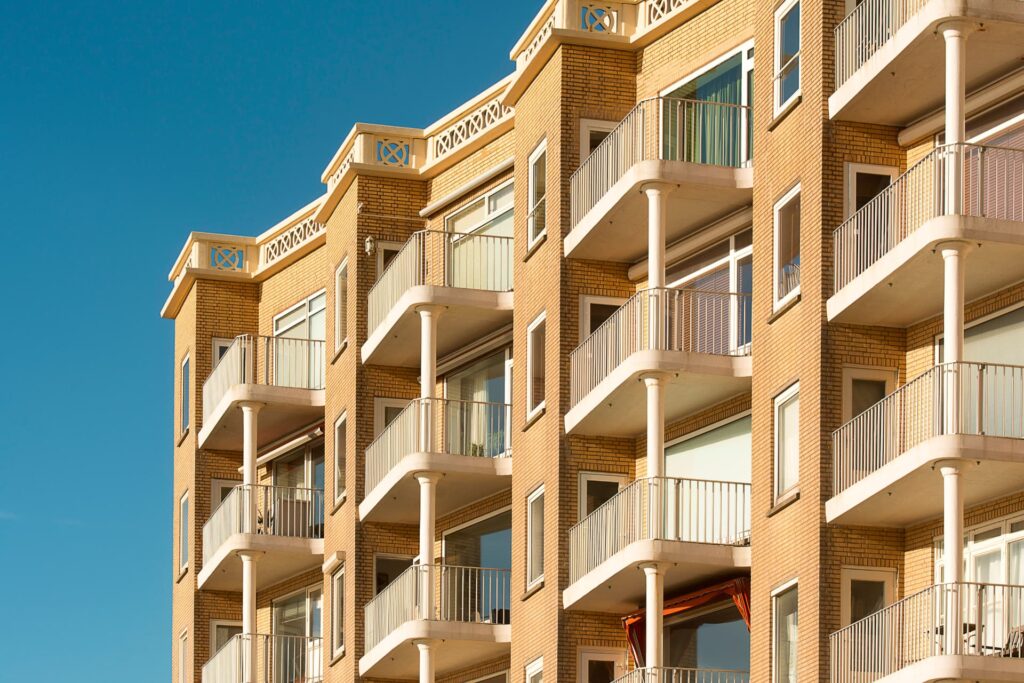
Healthcare professionals and practice owners can access specialized commercial real estate financing solutions tailored to medical office buildings (MOBs) and clinical spaces. SBA 504 loans offer up to 90% loan-to-value (LTV) financing—requiring just 10% down—along with long-term fixed rates and flexible repayment terms.
Core Commercial Loan Categories
Depending on project timeline and risk profile, borrowers leverage several primary financing structures:
- SBA 504 & 7(a) Loans: Ideal for owner-occupied properties, providing long-term fixed-rate financing with minimal down payments. Learn more from the official U.S. Small Business Administration 504 loan program.
- Bridge Financing: Short-term funding solution used to close time-sensitive transactions or stabilize underperforming properties. Discover key tactics in our guide to bridge financing strategies for urgent deals.
- DSCR Loans: Cash-flow-focused mortgage options evaluating property revenue rather than personal debt-to-income ratios. Read about DSCR loan structures for income properties.
- Recourse vs. Nonrecourse Debt: Liability models that dictate whether lenders can pursue personal assets beyond property collateral. Compare terms in our breakdown of nonrecourse vs. recourse commercial loans.
- Revolving Lines of Credit: Flexible credit lines designed to manage working capital and capital expenditure needs. Explore custom credit lines for business flexibility.
Frequently Asked Questions
What are the primary financing options for commercial real estate?
The primary commercial real estate financing options include conventional commercial mortgages, SBA 504 and 7(a) loans, bridge loans, DSCR income-property financing, and commercial lines of credit.
What down payment is required for SBA 504 commercial real estate loans?
SBA 504 loans typically require a 10% down payment for owner-occupied commercial properties, providing up to 90% LTV financing with fixed long-term interest rates.
How do lenders determine commercial loan eligibility?
Lenders evaluate debt service coverage ratio (DSCR), property net operating income (NOI), borrower creditworthiness, occupancy rate, and overall property market value. Market trends and insights can also be reviewed through industry resources such as NAIOP Commercial Real Estate Development Association.