
In Short
Cash-on-cash return is a commercial real estate metric measuring the annual pre-tax cash yield earned on actual equity invested. Calculating cash-on-cash return accurately requires evaluating total cash invested—including down payments, lender closing costs, and required operating reserves—against net operating income minus annual debt service.
- Core Formula: Cash-on-Cash Return = (Annual Pre-Tax Cash Flow ÷ Total Cash Invested) × 100.
- Cash Equity Denominator: Include down payments, third-party diligence fees, closing charges, and initial capital reserves.
- Impact of Leverage: Debt service reduces cash flow (numerator) while lowering required equity (denominator), multiplying upside or risk.
- Cap Rate vs. Cash-on-Cash: Cap rate measures asset operating efficiency independent of loan terms; cash-on-cash measures levered investor returns.
Table of Contents
- What Should a Cash-on-Cash Return Calculator Include?
- How Do I Calculate Cash-on-Cash Return?
- How Does Financing Change Cash-on-Cash Return?
- What Should Cash-on-Cash Return Be?
- How Does Cash-on-Cash Return Differ from Cap Rate and ROI?
- Frequently Asked Questions
- Next Steps After Underwriting
What Should a Cash-on-Cash Return Calculator Include?
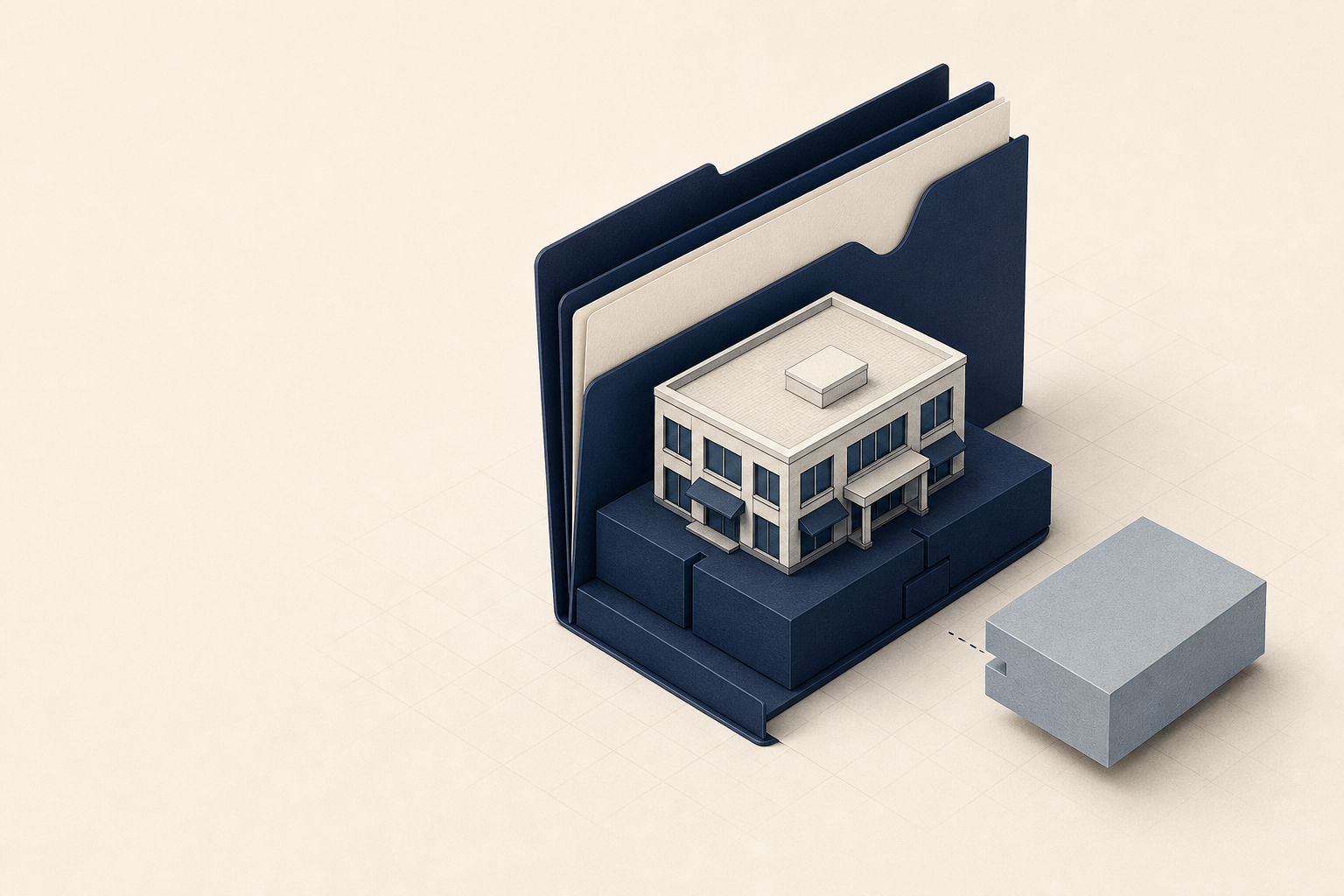
A precise commercial real estate cash-on-cash calculator must capture the complete financial outlay required to stabilize an asset. Calculating returns based solely on purchase price down payments significantly overstates true yields by omitting acquisition expenses, lender reserves, and immediate capital improvements.
To build an accurate cash investment denominator, map every cost line item in a sources-and-uses budget:
- Contract Purchase Price: The negotiated base acquisition price prior to seller concessions.
- Loan Proceeds: Total debt capital supplied by senior lenders or bridge financing.
- Closing & Diligence Fees: Cash expenditures for legal representation, environmental assessments, appraisals, title insurance, and loan origination fees.
- Lender Reserves: Escrows mandated at closing for taxes, insurance, interest reserves, or debt service coverage.
- Immediate Capital Expenditures: Funds set aside for day-one tenant improvements, deferred maintenance, or operational stabilization.
- Net Annual Cash Flow: Collected revenue minus operating expenses calculated via the NOI formula for commercial real estate, less annual principal and interest debt service.
How Do I Calculate Cash-on-Cash Return?
To calculate cash-on-cash return, divide the property’s annual pre-tax cash flow by the total cash invested and multiply by 100. The numerator measures money remaining after paying operating expenses and loan obligations, while the denominator accounts for total equity committed at acquisition.
The standard formula is established as:
Cash-on-Cash Return = (Annual Pre-Tax Cash Flow ÷ Total Cash Invested) × 100
According to financial analysis guidelines from Wall Street Prep, cash-on-cash return acts as a core levered yield metric that allows investors to evaluate how financing terms directly impact annual cash flow performance.
Consider this step-by-step commercial acquisition example:
| Financial Variable | Illustrative Amount | Underwriting Function |
|---|---|---|
| Purchase Price | $2,000,000 | Gross Asset Cost |
| Senior Loan Amount | $1,400,000 | Leveraged Debt Component |
| Base Equity Down Payment | $600,000 | Purchase Price Less Debt |
| Closing Costs & Diligence | $40,000 | Out-of-Pocket Cash Overhead |
| Funded Lender Reserves | $60,000 | Escrowed Equity Reserve |
| Total Invested Equity (Denominator) | $700,000 | $600k Down + $40k Fees + $60k Reserves |
| Gross Collected Income | $260,000 | Annual Rental Revenues |
| Property Operating Expenses | $95,000 | Taxes, Insurance, Repairs, Mgmt |
| Net Operating Income (NOI) | $165,000 | $260,000 − $95,000 |
| Annual Mortgage Debt Service | $104,000 | Principal & Interest Payments |
| Annual Pre-Tax Cash Flow (Numerator) | $61,000 | $165,000 − $104,000 Debt Service |
| Calculated Cash-on-Cash Return | 8.71% | ($61,000 ÷ $700,000) × 100 |
When underwriting commercial transactions, financing structure impacts cash availability. Real estate investors evaluating options like DSCR loans for cash-flowing properties or evaluating non-recourse vs. recourse commercial loans should verify all debt payment schedules prior to finalizing cash flow projections.
How Does Financing Change Cash-on-Cash Return?
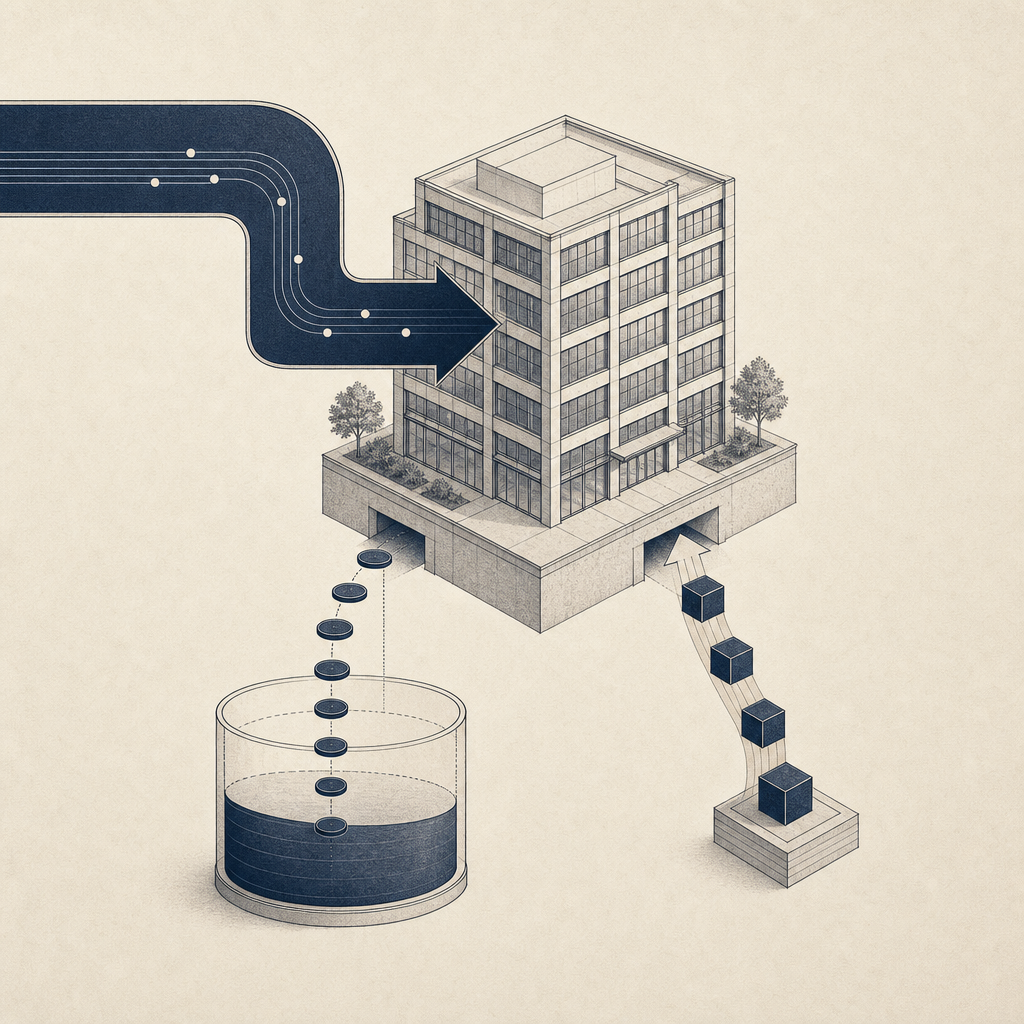
Debt leverage significantly adjusts cash-on-cash return figures by shifting both sides of the equation simultaneously. Adding leverage reduces total required equity in the denominator, but introduces ongoing debt service payments that decrease net pre-tax cash flow in the numerator.
Higher leverage creates positive return amplification only when the asset’s unlevered operating yield exceeds the cost of debt. When interest rates rise relative to cap rates (negative leverage), borrowing additional debt depresses cash-on-cash yield.
When analyzing potential property acquisitions—such as buying an apartment complex—investors should always model base-case and stress-tested scenarios:
- Base-Case Model: Underwrites contractual rents, market-standard operating expense ratios, fixed financing terms, and required capital escrows.
- Stress-Tested Model: Models 5–10% vacancy expansion, unexpected maintenance surges, higher interest expense, or increased debt service coverage ratio (DSCR) constraints.
What Should Cash-on-Cash Return Be?
Target cash-on-cash returns vary depending on property asset class, geographic location, deal complexity, and investor risk profile. As detailed by investment benchmark analysis from Investopedia, ideal hurdle rates range from 7% to 12%+, with stabilized core commercial properties residing on the conservative end and value-add plays demanding higher cash yields.
Key market factors determining appropriate cash-on-cash target yields include:
- Asset Risk Profile: Fully leased multi-tenant assets warrant lower cash yields than transitional or single-tenant assets with near-term lease rollover.
- Debt Execution & Structure: Interest-only payment windows elevate early cash-on-cash yield, whereas amortizing loans reduce immediate distribution yields while building equity.
- CapEx Requirements: Properties needing substantial upfront repairs require larger equity pools, expanding the cash denominator.
How Does Cash-on-Cash Return Differ from Cap Rate and ROI?
Understanding the distinction between capitalization rate, cash-on-cash return, and overall Return on Investment (ROI) is essential for commercial real estate underwriting:
- Cap Rate (Capitalization Rate): Measures unlevered property performance by dividing Net Operating Income (NOI) by acquisition price. Cap rates ignore financing terms.
- Cash-on-Cash Return: Measures annual levered yield on committed cash equity after subtracting annual mortgage debt service.
- Total Return on Investment (ROI): Incorporates all cash flow streams, loan principal payoff equity accumulation, tax benefits, and net terminal appreciation upon sale over the entire holding period.
Frequently Asked Questions
How do I calculate cash-on-cash return?
To calculate cash-on-cash return, take annual gross revenues, subtract total property operating expenses and annual debt service to find annual pre-tax cash flow. Divide that cash flow figure by total equity invested at acquisition (including down payment, closing fees, and reserves) and multiply by 100.
Is a 7% cash-on-cash return good?
A 7% cash-on-cash yield can be attractive for stable, low-risk commercial assets in primary metro markets. However, for higher-risk value-add or opportunistic acquisitions, investors generally require 9% to 12%+ to compensate for operational execution risk.
What is a 10% cash-on-cash return?
A 10% cash-on-cash return means that an investor receives exactly $10 in liquid pre-tax cash flow each year for every $100 of initial equity capital deployed into the commercial property.
What is the difference between cash-on-cash yield and cap rate?
Cap rate reflects the property’s asset-level yield without debt, calculated as NOI divided by purchase price. Cash-on-cash yield reflects the investor’s equity-level cash return, taking into account loan interest payments, principal reduction schedules, and total out-of-pocket setup costs.
Next Steps After Underwriting
Once initial cash-on-cash return calculations meet your target hurdle rate, validate your financing inputs with specialized lenders. Verifying interest rate terms, maximum LTV limits, amortization schedules, and liquidity requirements converts preliminary underwriting spreadsheets into actionable transaction financing.
Contact Thorne CRE’s commercial financing team to review capital structure options, structure competitive debt, and optimize annual property yield.