
Construction projects often face finance puzzles: should you choose renovation construction loan options or new build construction loan paths? Each project type demands different terms, from draw schedules to builder’s risk insurance. Understanding construction loan basics helps you pick the right commercial construction loan that fits your timeline and budget. Let’s break down these differences, so you can move forward with confidence and clear financing plans.
Understanding Construction Loan Basics
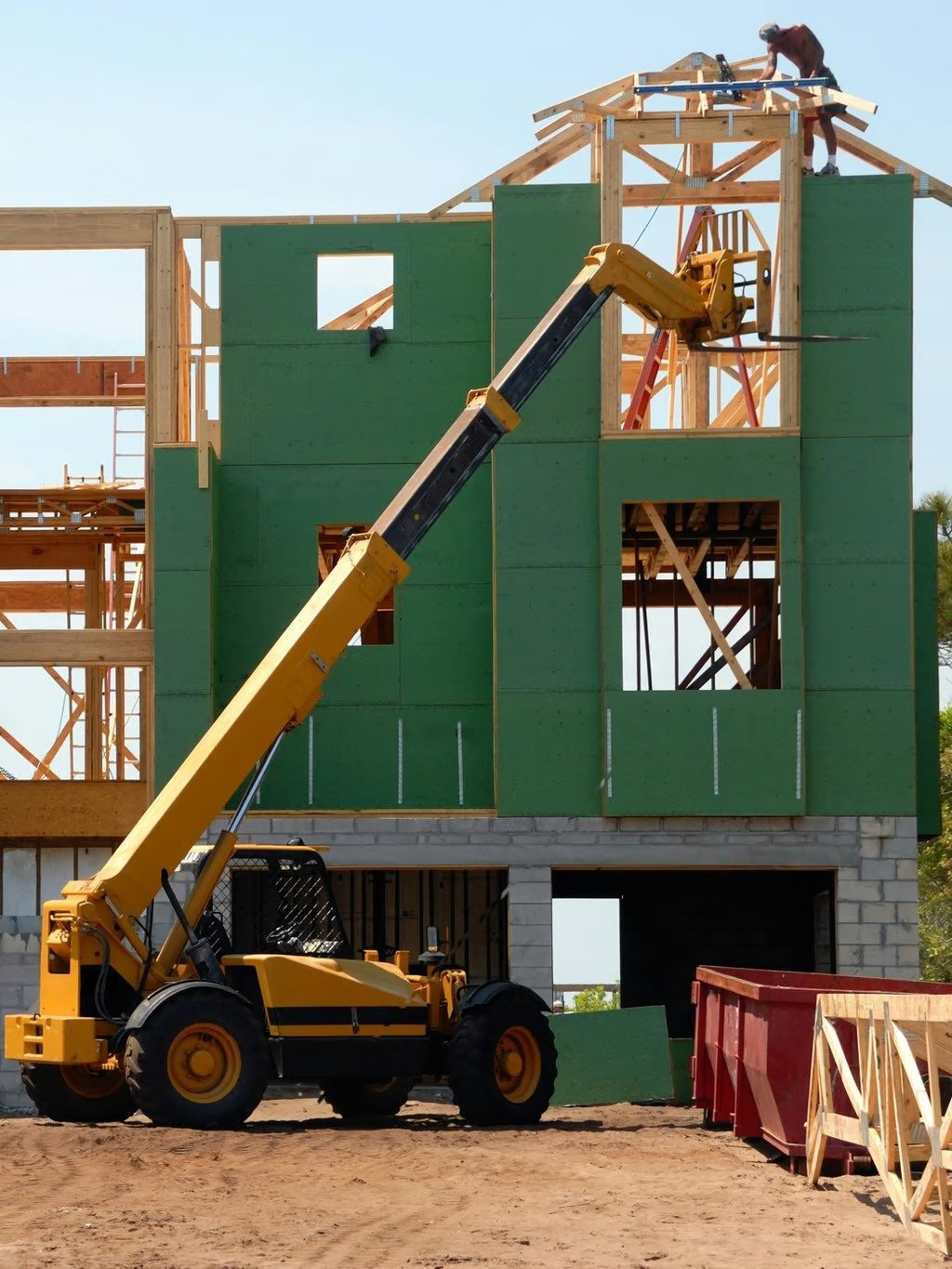
When it comes to construction loans, knowledge is your best tool. Whether you’re renovating or starting from the ground up, each path has unique considerations. Let’s explore how you can tailor financing to fit your project.
Renovation vs. New Build
Choosing between renovation and new build loans depends on your project’s goals. Renovation loans often suit owner-occupied projects, offering terms that account for existing structures. On the other hand, new build loans cover everything from foundation to finish, ideal for ground-up construction. Each loan type has specific terms and benefits tailored to distinct construction stages.
Tailored Financing Solutions
Tailored financing ensures your construction plans align with your financial strategy. By understanding your project’s needs, Thorne CRE provides options that match your goals. This approach means you get a loan that’s structured to meet your unique requirements, offering peace of mind as you embark on your construction journey.
Key Aspects of Renovation Loans
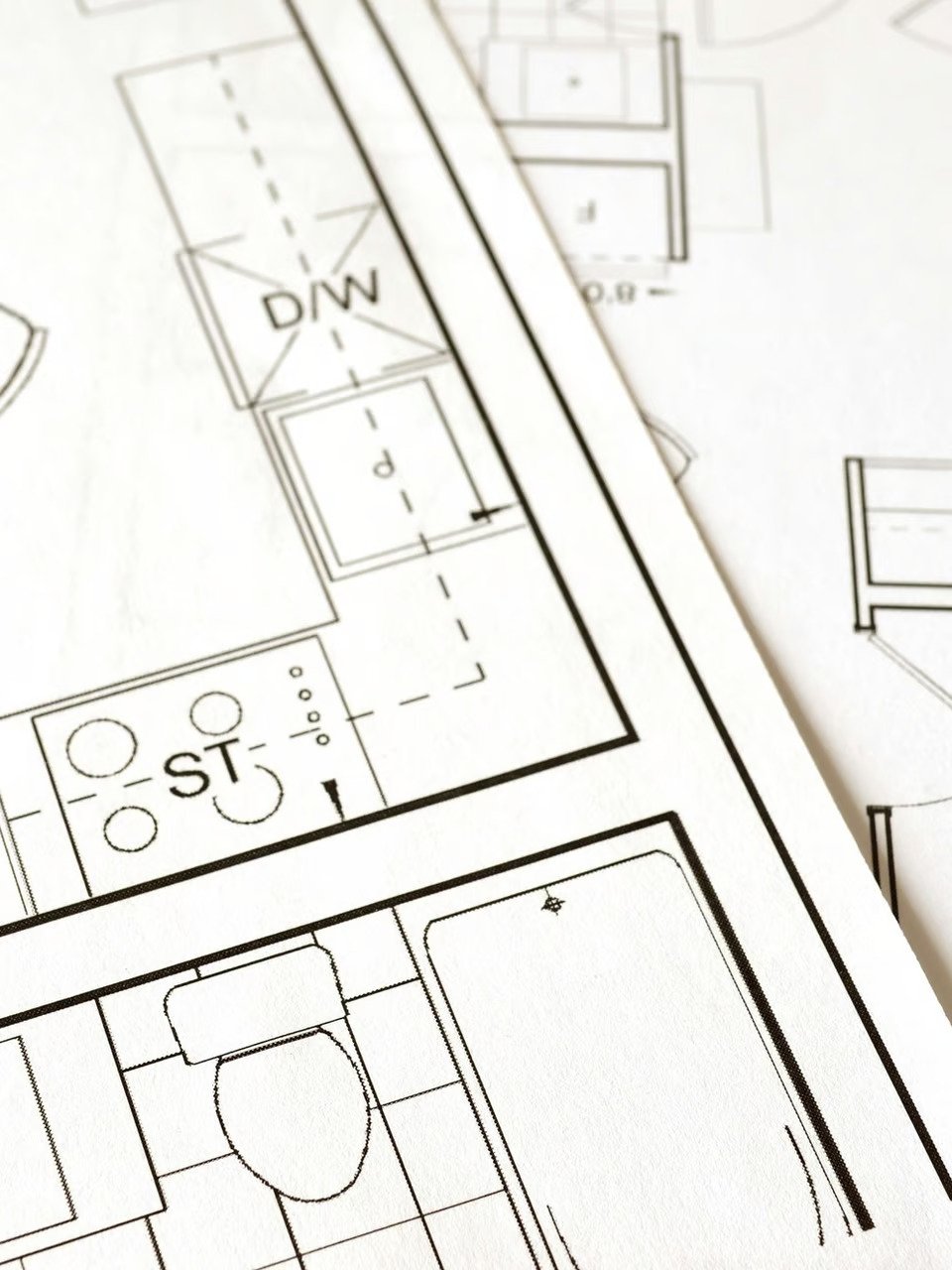
Renovation loans offer specific benefits for those looking to upgrade existing properties. These loans are designed to cover the costs associated with improving and updating structures.
Renovation Construction Loan Essentials
Renovation loans are crafted for projects where you want to enhance existing structures. These loans often cover materials, labor, and permits needed for upgrades. Unlike new build loans, renovation loans focus on improving what’s already there. This can be an ideal choice for projects where you want to maintain the property’s character while adding modern touches.
Renovation loans also consider the value of the completed project, which can be higher than simple repairs. By focusing on the end value, these loans offer flexibility in budgeting and planning. They’re perfect for homeowners and investors looking to boost their property’s market value through thoughtful upgrades.
Benefits for Owner-Occupied Projects
For owner-occupied properties, renovation loans provide a strategic advantage. These loans allow you to live in the property while making improvements, minimizing disruption to daily life. Moreover, they can increase the property’s value, enhancing your investment.
Owner-occupied renovation loans often come with favorable terms, reflecting the reduced risk associated with such projects. Lenders view these as lower-risk, leading to potentially better rates and terms. This type of loan offers a practical solution for homeowners looking to improve their living space without uprooting their lives.
Navigating New Build Financing

New build financing is crafted for those starting from scratch. It covers everything from land purchase to final touches, providing a comprehensive solution for ground-up projects.
Ground-Up Construction Financing Explained
Ground-up construction loans are designed for projects that start from bare land. These loans cover the full spectrum of costs, from site preparation to finishing touches. Typically, they involve a series of draw schedules, allowing for funds to be released as construction milestones are met.
These loans offer flexibility, enabling you to tailor the funds to your project’s pace. With progress inspections, you ensure that each stage is completed satisfactorily before moving on. This keeps both you and the lender aligned, ensuring a smooth progression from start to finish.
Managing Hard Costs and Soft Costs
Understanding hard and soft costs is crucial in new build financing. Hard costs include tangible expenses like labor and materials, while soft costs cover fees, taxes, and permits. Balancing these costs is key to staying on budget.
By effectively managing these expenses, you avoid financial surprises. Thorne CRE can help tailor a loan structure that accounts for both hard and soft costs, offering a comprehensive financial strategy. This approach ensures you have the resources to handle every aspect of your build, from groundbreaking to grand opening.
Frequently Asked Questions
What is a construction loan and how does it work?
A construction loan is a short-term financing option for building or renovating properties. It provides funds based on project progress, releasing money at different stages to cover costs like labor and materials.
How do renovation loans differ from new build loans?
Renovation loans focus on upgrading existing structures, while new build loans cover the full scope of ground-up projects. Each has distinct terms and benefits suited to different project types.
Can I get a construction loan for an owner-occupied property?
Yes, owner-occupied renovation loans are available and often come with favorable terms. These loans allow you to live in the property while making improvements, offering a practical and less disruptive financing solution.
What are hard costs and soft costs in construction?
Hard costs refer to physical construction expenses like materials and labor. Soft costs include non-tangible expenses like fees, permits, and administrative costs. Balancing these is crucial for effective budgeting.
How does Thorne CRE help in construction loans?
Thorne CRE offers tailored solutions to meet your specific construction needs. With expert consultancy and strategic partnerships, they provide a comprehensive financial strategy to support your project from start to finish.