
Mixed-Use Commercial Real Estate Financing Guide
Mixed-use commercial real estate assets represent one of the most versatile property categories in commercial real estate investment. By combining commercial, residential, retail, or office spaces within a single location, investors and business owners diversify income streams and maximize land utility.
What Is Mixed-Use Commercial Real Estate?
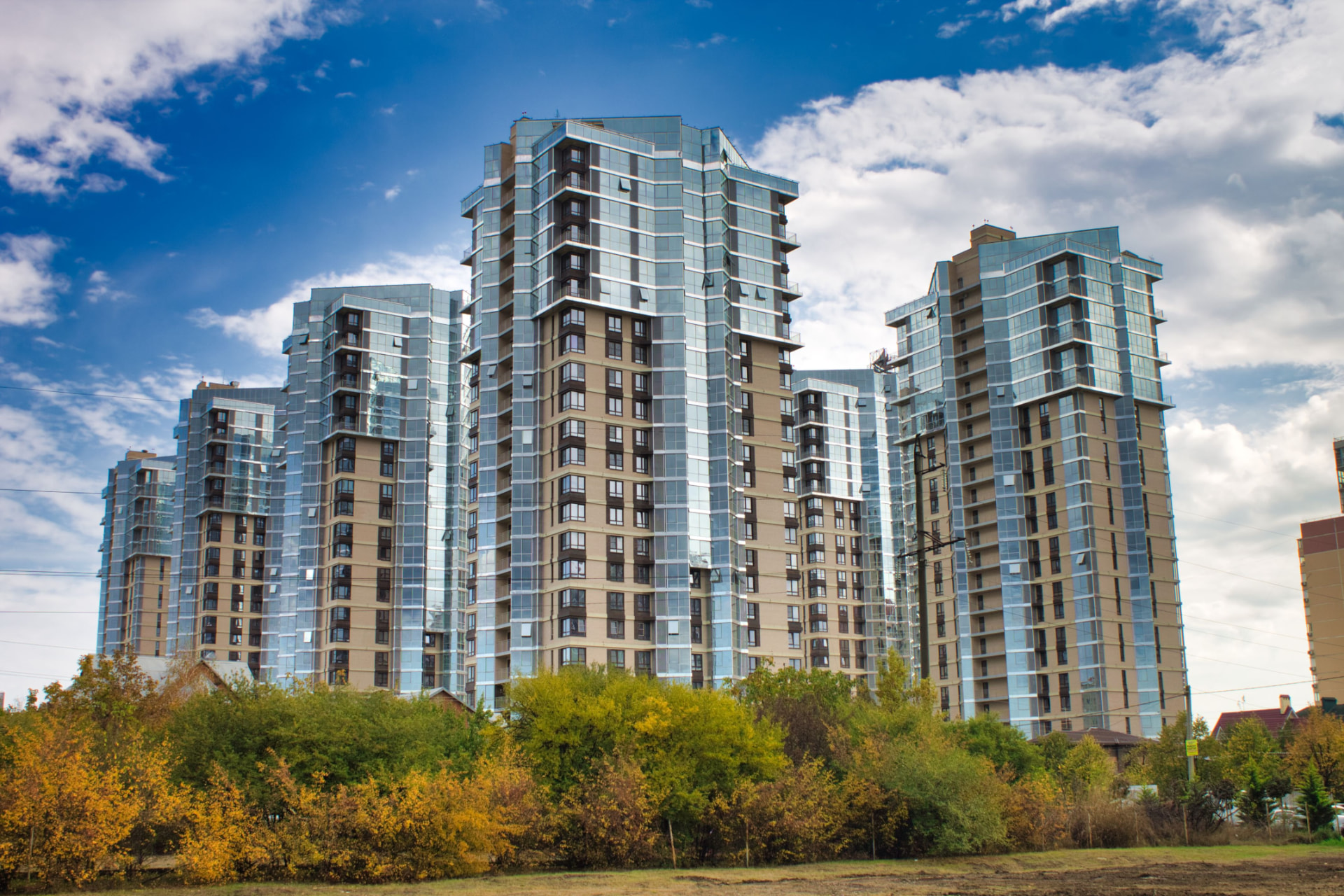
A mixed-use commercial property is a single real estate development or building that integrates two or more distinct property uses, typically pairing commercial storefronts on lower floors with residential apartments or professional offices above. This property structure allows owners to generate cash flow from multiple tenant segments simultaneously.
Key Financing Options for Mixed-Use Properties
Financing mixed-use assets requires aligning the property’s income profile and tenant structure with appropriate loan programs:
- SBA Government-Backed Loans: Small Business Administration programs like SBA 7(a) and SBA 504 offer long-term financing with competitive rates for owner-occupied mixed-use real estate, provided specific occupancy thresholds are met. Learn more via official rules from the U.S. Small Business Administration.
- DSCR Financing: Investors seeking debt based primarily on rental cash flow rather than personal income tax returns frequently utilize DSCR loans for income-focused investors.
- Conventional Mortgages & Portfolio Loans: Traditional lenders provide recourse and nonrecourse commercial loans depending on borrower balance sheet strength, loan-to-value (LTV) ratios, and asset location. Understanding recourse vs. nonrecourse commercial loans helps investors properly manage liability risk.
Underwriting Mixed-Use Commercial Assets
Lenders evaluate mixed-use properties by carefully analyzing both commercial leases and residential occupancy. According to the CCIM Institute, commercial real estate underwriting relies heavily on evaluating lease stability, tenant mix, and historical cash flow metrics. Key parameters include:
- Net Operating Income (NOI): Calculating property cash flow through the standard NOI formula for commercial real estate after lender adjustments.
- Debt Service Coverage Ratio (DSCR): Most commercial lenders require a minimum DSCR of 1.20x to 1.25x across all combined residential and commercial rental streams.
- Residential vs. Commercial Tenant Split: Lenders assess tenant concentration risk to ensure consistent revenue, applying underwriting evaluation similar to how to purchase an apartment complex.
Featured Mixed-Use Insights
SBA Rental Property Rules for Mixed-Use Real Estate
Learn SBA 7(a) and 504 rules for mixed-use rental properties. Understand the 51% owner-occupancy rule, tenant rental cash flow, and DSCR requirements.
Frequently Asked Questions
What is a mixed-use commercial property?
A mixed-use commercial property is a real estate asset that combines multiple revenue-generating uses—such as ground-floor retail or commercial space with upper-floor residential apartments or office spaces—within a single structure.
What are the SBA occupancy requirements for mixed-use real estate?
For existing mixed-use buildings, the Small Business Administration requires the borrower’s operating business to occupy at least 51% of the total square footage to qualify for SBA 7(a) or SBA 504 loan financing.