
Overview of Commercial Construction Financing
A commercial construction loan is a short-term, interim financing facility designed to cover the land acquisition, site development, materials, and labor costs associated with ground-up construction or major renovation projects. Unlike permanent mortgages, these facilities release capital through draw schedules based on project completion milestones.
Developers seeking commercial construction debt must evaluate key metrics such as Loan-to-Cost (LTC), Loan-to-Value (LTV), and interest reserve structures. Understanding the nuances between recourse vs. nonrecourse commercial loans is essential when negotiating personal liability and debt covenants with lenders. Additionally, establishing accurate pro forma debt service coverage requires carefully calculating Net Operating Income (NOI) post-stabilization.
Commercial Real Estate Capital Solutions | Thorne CRE

Explore structured commercial real estate capital solutions, debt financing, and custom credit lines tailored for developers and investors nationwide.
Commercial Real Estate Capital Financing | Thorne CRE

Explore commercial real estate capital financing solutions from Thorne CRE. Access flexible debt, equity, and nationwide loan structures for property growth.
Business Property Financing & Loans | Thorne CRE

Explore commercial real estate loans and financing strategies for owner-occupied business properties, U.S. Small Business Administration (SBA) 504 and 7(a) programs, and flexible debt options with Thorne CRE.
Business Premises Financing Guide | Thorne CRE

Explore business premises financing strategies, SBA 504 loans, and commercial mortgages tailored for owner-occupied commercial real estate acquisitions.
Commercial Bank Financing & CRE Debt | Thorne CRE

Explore commercial bank financing options, compare direct bank lenders with CRE debt advisory, and learn key loan structures adhering to guidelines established by the Federal Deposit Insurance Corporation (FDIC).
Office Financing Solutions & Insights | Thorne CRE

Explore commercial office financing options, medical office conversions, SBA loans, and custom credit lines with expert insights from Thorne CRE.
After-Repair Value (ARV) in Commercial Real Estate

Learn what After-Repair Value (ARV) is in commercial real estate financing, how lenders evaluate post-renovation values, and why it matters when executing value-add development or purchasing an apartment complex.
Medical Office Real Estate Financing Guide | Thorne CRE
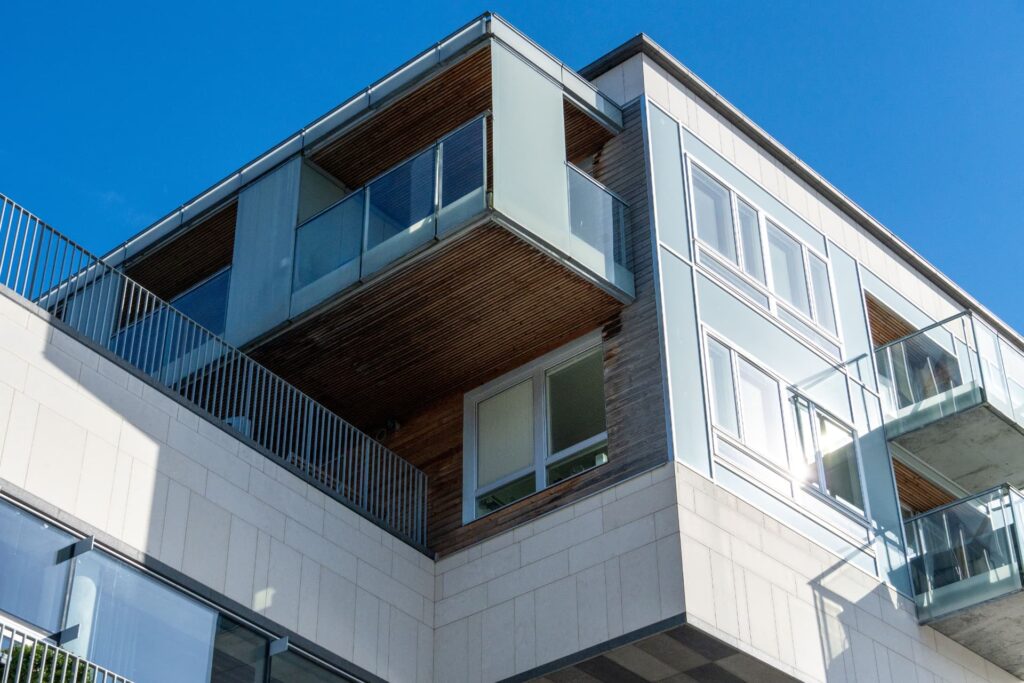
Explore financing solutions for medical office buildings, healthcare conversions, and SBA real estate loans. Learn key terms and debt options from Thorne CRE.
Owner-Occupied Commercial Real Estate Loans | Thorne CRE

Explore owner-occupied commercial real estate loan options with 10% down payments, fixed rates, and SBA 504 financing tailored for business owners.
Commercial Real Estate Portfolio Financing Guide | Thorne CRE
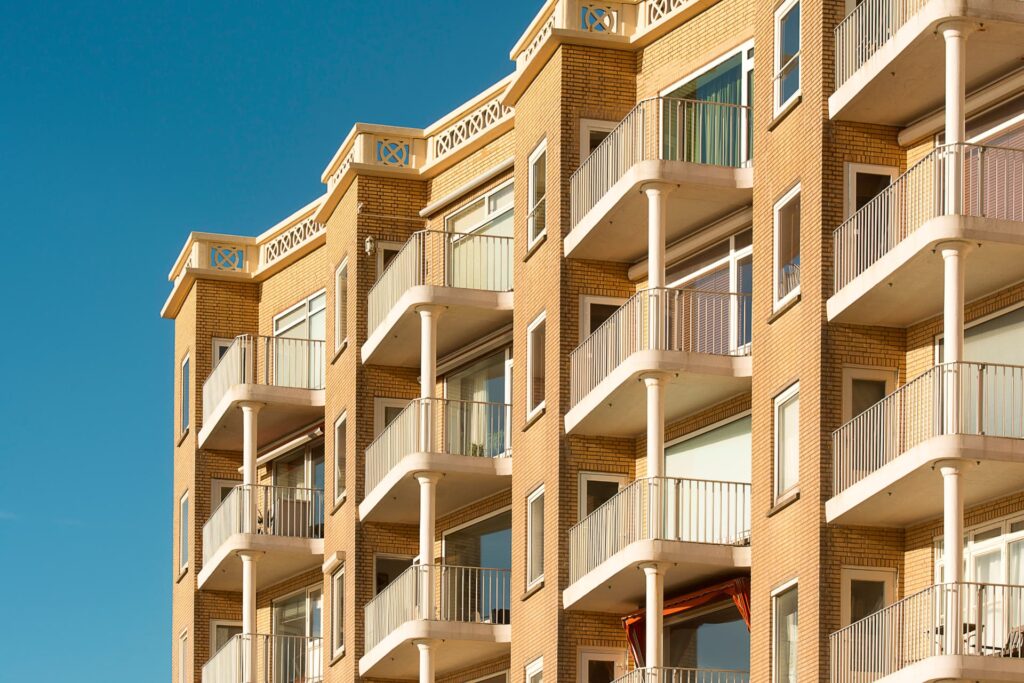
Explore commercial real estate portfolio financing insights, blanket mortgages, capital stack strategies, and DSCR loan guides with Thorne CRE.
Frequently Asked Questions About Construction Loans
How does a commercial construction loan work?
A commercial construction loan provides capital disbursed in draws throughout the construction schedule. Interest is typically charged only on drawn amounts during the construction phase until permanent financing replaces the debt.
What is the typical down payment required for a construction loan?
Lenders generally require equity contributions of 15% to 35% of total project costs, depending on sponsor experience, property type, and loan structure.